Cockatiel’s Pregnancy: Best Proven Guide

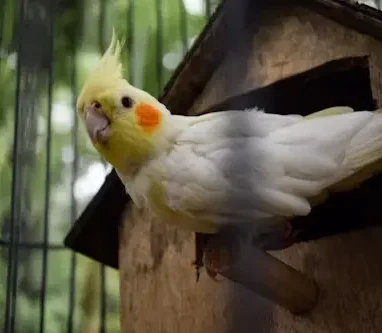
If you have ever noticed your female bird suddenly becoming obsessed with the corner of her cage or shredding her favorite toys into a pile, you might have wondered about a Cockatiel’s Pregnancy. I remember the first time my bird, Sunny, decided that the bottom of my closet was the only place she wanted to be. She was grumpy, heavy, and acting like she had a secret. While birds don’t get pregnant in the way humans or dogs do, the process of forming and laying eggs is often called ‘pregnancy’ by bird owners. In the bird world, we use the term ‘gravid’ to describe a female who is carrying an egg.
Understanding this cycle is vital for any bird parent. It is not just about the cute prospect of chicks; it is about the physical toll it takes on your bird’s body. Whether you have a mating pair or a single female who is laying infertile eggs, knowing the signs and the care required will save you a lot of stress and potentially save your bird’s life.
Table of Contents
Is Your Bird Actually Pregnant?
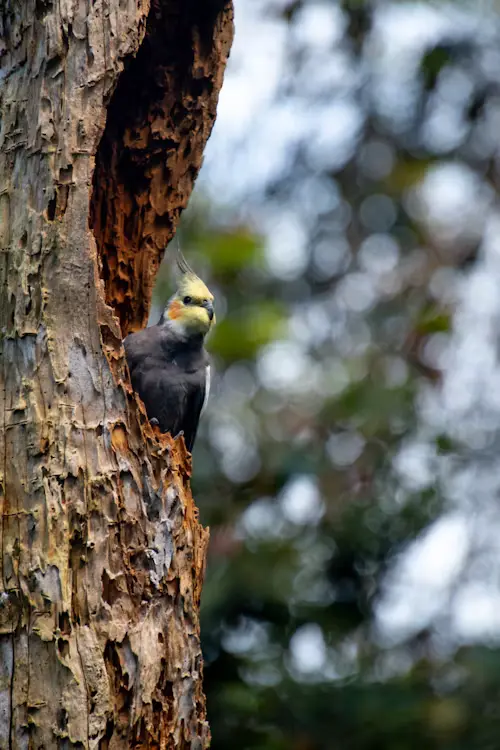
Technically, a bird is only ‘pregnant’ for about 24 to 48 hours while the egg is actually inside her. However, the hormonal shift starts long before that. You might see people asking on forums like cockatiels and pregnancy about how their birds react to human pregnancies, but the focus here is on the bird’s own reproductive journey.
A Cockatiel’s Pregnancy begins when her body receives signals that it is time to reproduce. These signals often come from longer daylight hours, an abundance of soft foods, or the presence of a nesting site. Even without a male, your bird can still go through the motions and lay eggs.
Early Signs a Cockatiel is Pregnant
Identifying the signs early helps you prepare the cage and adjust her nutrition. You don’t want to be caught off guard when a fragile egg appears on the hard cage floor.
Physical Changes
The most obvious physical sign is a swollen lower abdomen. It looks like a small bump just above the vent. Your bird will also likely put on weight. If you weigh your bird weekly, you might see a jump of 10 to 20 grams. Another very ‘human’ sign is what bird owners call ‘the big poop.’ Because the egg takes up so much space, the bird holds her droppings longer, resulting in much larger, more frequent, and sometimes smellier droppings than usual.
Behavioral Shifts
Your bird’s personality will likely flip. A sweet bird might become defensive or even aggressive. This is because her instincts are telling her to protect her future nest. You will notice her looking for dark, enclosed spaces. This is part of the pregnant female cockatiel behavior where she searches for a safe spot to deposit her eggs.
Understanding Cockatiel Mating Behavior Explained
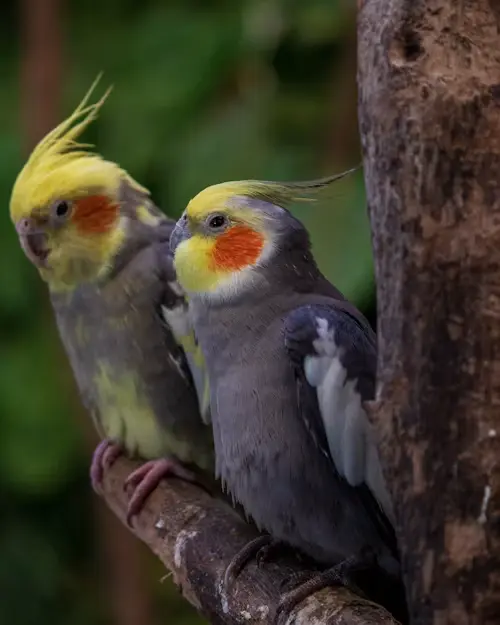
Before the eggs arrive, you will see a lot of interaction if you have a pair. sense you are pregnant is a common myth where people think birds react to human hormones, but usually, it is the bird’s own mating hormones at work. The male will often perform a ‘dance,’ hopping around and singing a specific, repetitive song. He will also tap his beak on surfaces to show off his strength.
The actual mating is brief but can happen multiple times a day. Once this starts, you can expect the first egg in about a week or two. If you don’t have a male, your bird might still perform ‘mating’ behaviors with toys or even your hand. It is best to discourage this by changing her cage layout or reducing her daylight hours to 10 hours a day.
The Importance of Cockatiel Diet During Pregnancy
Laying eggs is an Olympic-level physical feat. Your bird needs a lot of energy and specific nutrients to create a shell and keep her muscles strong enough to push that egg out. A seed-only diet is dangerous during this time.
Essential Nutrients
| Nutrient | Source | Why It Matters |
|---|---|---|
| Calcium | Cuttlebone, Kale, Broccoli | Prevents egg binding and soft shells. |
| Protein | Boiled Egg, Pellets | Provides energy for the laying process. |
| Vitamin D3 | Full-spectrum light, Sunlight | Helps the body actually absorb the calcium. |
Focusing on cockatiel calcium for eggs is the single most important thing you can do. If she doesn’t have enough calcium in her blood, her body will literally pull it from her own bones to make the eggshell. This leads to weak bones and muscle failure, which is the leading cause of egg binding.
Mastering Cockatiel Nesting Habits
Once she is ready, her cockatiel nesting habits will take over. She will start shredding everything. I usually provide my birds with extra paper towels or bird-safe wood to chew on. If you want her to lay in a specific spot, you need to provide a nesting box. However, if you aren’t planning on breeding, it is actually better not to provide a box, as this can encourage her to lay even more eggs than her body can handle.
If she chooses the floor, let her. Moving her or the eggs during the process can cause her to panic and abandon the clutch, or worse, keep laying more eggs to replace the ones you moved.
The Laying Process and Cockatiel Clutch Size
A typical cockatiel clutch size is between 4 and 7 eggs. She won’t lay them all at once. Usually, she will lay one egg every 48 hours. This is why a Cockatiel’s Pregnancy feels like it lasts forever. It can take two weeks just to finish laying the whole clutch.
During this time, she might stay in the nest almost 24/7. The male often helps by sitting on the eggs during the day so she can eat and stretch her wings. It is a beautiful partnership to watch.
How Long Do Cockatiel Eggs Take to Hatch?
Once the second or third egg is laid, the birds will start sitting on them consistently. This is when the cockatiel incubation period officially begins. If you are wondering how long do cockatiel eggs take to hatch, the answer is usually 18 to 21 days.
During these three weeks, the eggs need consistent heat and humidity. The parents will naturally turn the eggs with their beaks. This prevents the embryo from sticking to the shell wall. If you are doing this yourself, you have to decide between a cockatiel incubator vs natural incubation. Unless you are an expert, the parents are almost always better at it than a machine.
A Look at Cockatiel Egg Care
If you have fertile eggs, cockatiel egg care is mostly about leaving the parents alone. Check the nest once a day when they are out eating, but don’t touch the eggs unless necessary. Oils from your skin can clog the pores in the eggshell and suffocate the growing chick. If an egg gets dirty, do not wash it with water. Gently wipe it with a dry, soft cloth if you must.
If the eggs are infertile (no male present), do not take them away immediately. If you remove an egg as soon as she lays it, her body will just produce another one to replace it. This creates a dangerous cycle of chronic egg laying. Let her sit on them for about 21 days. Eventually, she will realize they aren’t hatching and lose interest. Then you can remove them safely.
Signs of Poor Cockatiel Reproductive Health
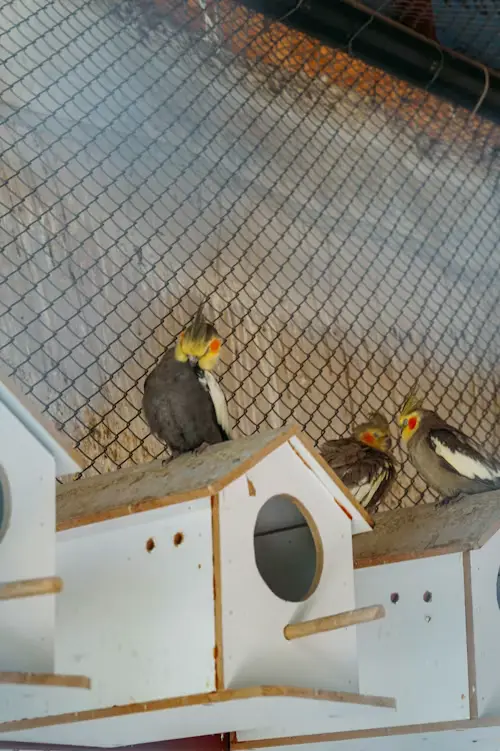
You must keep a close eye on her health. Egg binding is a life-threatening emergency where the egg gets stuck inside the bird. Signs include:
- Sitting on the cage floor for long periods
- Heavy breathing or panting
- Tail bobbing or straining
- A swollen or red vent
If you see these, you have very little time. You can try to increase the humidity in the room or give her a tiny bit of liquid calcium, but a vet visit is usually required to save her life. Cockatiel reproductive health is fragile, especially in older birds or those on poor diets.
The Aftermath: Hand-rearing Cockatiel Chicks
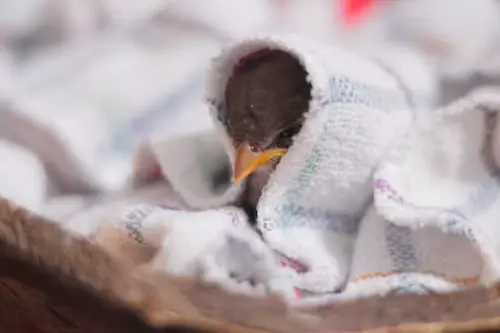
If all goes well and the eggs hatch, you have tiny, pink, prehistoric-looking creatures in your nest. Hand-rearing cockatiel chicks is a massive commitment. For the first few weeks, the parents should do the feeding. They produce ‘crop milk’ that is full of antibodies the chicks need. If you plan to tame them, most breeders start hand-feeding at around 3 weeks old. This involves using a syringe and special formula heated to exactly 102-105 degrees Fahrenheit. It is hard work, but the bond you form is incredible.
Common Questions About Cockatiel’s Pregnancy
Can a single female get pregnant?
No, she cannot get ‘pregnant’ with a baby, but she can be ‘gravid’ with an infertile egg. Think of it like a chicken laying eggs for breakfast; no male is needed for the egg to form, only for it to be fertile.
How can I stop my cockatiel from laying eggs?
The best way is to manage her environment. Limit her light to 10-12 hours a day, remove any mirrors (which she might see as a mate), and don’t give her ‘shreddable’ nesting materials during the spring.
What should I do if an egg breaks?
Clean it up immediately. Broken eggs can attract bacteria and ants, which can harm the mother or other eggs in the clutch. If the mother is still laying, make sure she has extra calcium to make up for the lost egg.
Watching a Cockatiel’s Pregnancy and the subsequent egg-laying cycle is a window into the amazing instincts of these birds. It requires a lot of patience and a high-quality diet to ensure your feathered friend stays healthy. Always keep your avian vet’s number handy, just in case she runs into trouble with a stubborn egg. With the right care, she will get through her laying season just fine, and you might even get to see the magic of new life unfolding in your home.
If you are worried about your bird’s behavior or need more specific advice on egg-laying, head over to our community forum or check out our other guides on bird health. We are here to help you and your magical bird every step of the way!