How long can a pet bird live: Inspiring Longevity Secrets

The Long Road with a Feathered Friend
I remember the first time I brought home a budgie. I was ten years old, and I thought five years was an eternity. I had no idea that some birds could live long enough to see my children grow up. When people ask how long can a pet bird live, they are often shocked by the answer. It isn’t like owning a hamster or even a dog. For many species, you are looking at a commitment that spans decades. This isn’t a hobby you pick up for a weekend; it is a life you are integrating into your own.
Understanding the pet bird lifespans by species is the first step in being a responsible owner. You wouldn’t buy a house without knowing the mortgage terms, and you shouldn’t get a bird without knowing how many years of care they require. Birds have unique metabolic rates and biological protections that allow them to age much slower than mammals of a similar size. A mouse might live two years, but a bird of the same weight can easily live twenty.
Table of Contents
The Small Guys: Budgies, Finches, and Canaries
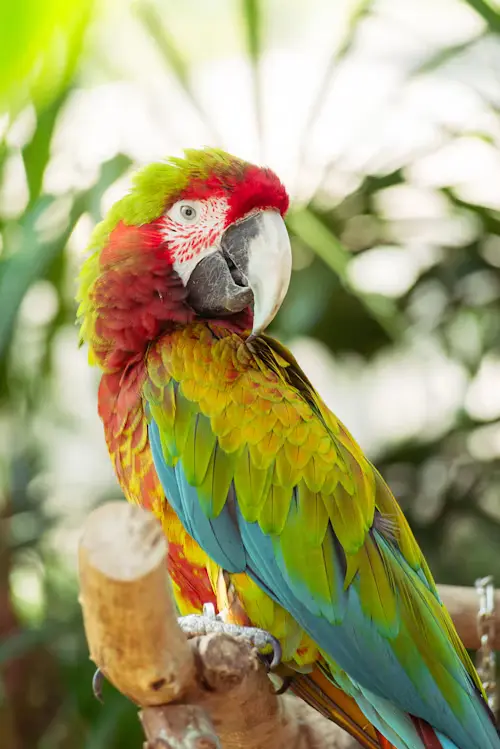
Many people start with smaller birds, assuming they have shorter lives. While they don’t live as long as a macaw, they still stick around for a while. The budgie lifespan is one of the most misunderstood areas of bird care. In the wild, they face predators and harsh weather, but in your living room, things are different. A well-cared-for budgie can live 10 to 15 years. I have seen some reach 18. Sadly, many die around age 5 because of poor diet and lack of vet care. If you feed them only seeds, you are essentially giving them a diet of potato chips. It catches up to them.
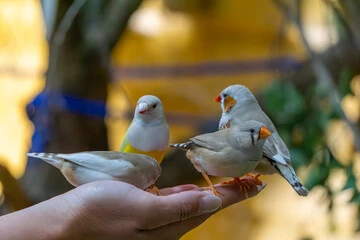
Finches and canaries are similar. They usually live between 5 and 10 years, though 15 is possible. These birds are often ‘ornamental’ pets, but they still require a clean environment and a balanced diet to reach those double digits. They are delicate. A simple draft or a dirty water bowl can cut their time short. You have to be diligent with their hygiene if you want them to grow old.
The Medium Contenders: Cockatiels and Conures
Now we get into the birds that really start to test your long-term planning. If you are wondering how long do cockatiels live, prepare yourself for a 20-year journey. The average is 15 to 25 years. I know a woman who has a cockatiel named Sunny who is 32 years old. He looks a bit ragged around the edges, but he still whistles the Andy Griffith theme song every morning. Cockatiels are hardy, but they are prone to fatty liver disease if their diet is too heavy on sunflower seeds.
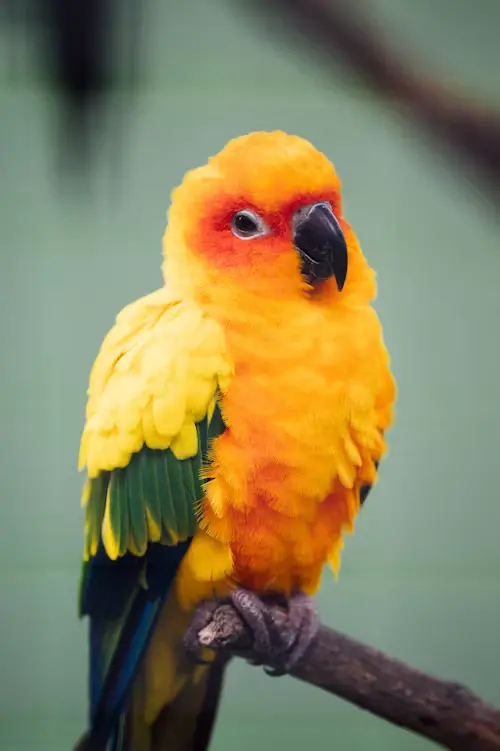
Conures, specifically Green Cheeks and Sun Conures, also live in that 20 to 30-year range. These are high-energy birds. They burn a lot of calories, but they also experience a lot of stress if they aren’t socialized. Stress is a silent killer in the bird world. A lonely bird is a bird that isn’t going to reach its full potential age. They need toys, interaction, and a lot of out-of-cage time to keep their hearts healthy.
The Giants: Macaws, Amazons, and Cockatoos
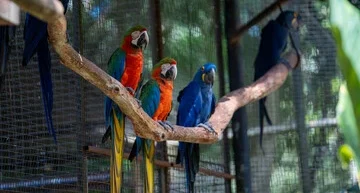
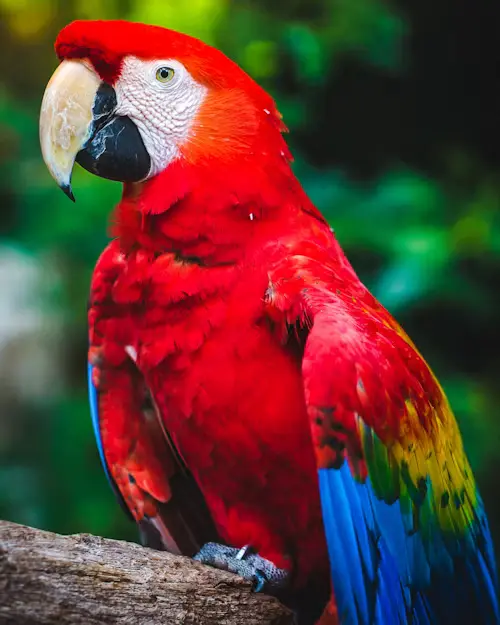
This is where things get serious. The average lifespan of parrots in the large category can exceed a human lifespan. Macaws and Cockatoos can live 60, 70, or even 80 years. African Greys usually live 40 to 60 years. When you get one of these birds, you are essentially adopting a toddler that never grows up and might outlive you. You have to have a plan in your will for who takes the bird when you are gone. It sounds morbid, but it is the reality of large parrot ownership.
These birds often die from complications related to captivity rather than old age. Respiratory issues from poor air quality or heart disease from a lack of exercise are common. Because they are so intelligent, their mental health is tied to their physical health. A bored parrot will pluck its feathers, which leads to infections and a weakened immune system. You aren’t just feeding a body; you are feeding a mind.
Factors That Influence Longevity
Several factors that affect bird lifespan determine whether your bird hits the average or breaks a record. Diet is the big one. For years, people thought seeds were enough. We know better now. A pellet-based diet supplemented with fresh vegetables and some fruit is the gold standard. Seeds should be a treat, not the main course.
Environment is the second factor. Birds have incredibly sensitive lungs. If you smoke in the house, use Teflon pans, or burn scented candles, you are slowly poisoning your bird. They breathe much more efficiently than we do, which means they absorb toxins much faster. I’ve heard too many stories of people losing their birds because they burned a non-stick pan in the kitchen. It is heartbreaking and preventable.
Comparison of Bird Lifespans
| Bird Species | Average Lifespan (Years) | Potential Lifespan (Years) |
|---|---|---|
| Budgie | 7-12 | 18+ |
| Cockatiel | 15-20 | 35 |
| Lovebird | 10-15 | 20 |
| Green Cheek Conure | 15-25 | 30 |
| African Grey | 40-50 | 60+ |
| Macaw | 50-70 | 80+ |
| Cockatoo | 40-60 | 80+ |
| Canary | 8-10 | 15 |
Practical Tips to Extend Your Bird’s Life
If you want to maximize the time you have, you need to be proactive. Here are some tips to extend pet bird lifespan that I have gathered over years of bird keeping. First, find an avian vet. A regular vet who mostly sees dogs and cats might not have the specialized knowledge to treat a bird. Birds hide their illnesses. By the time they look sick, they are usually very far gone. An annual checkup with blood work can catch issues like kidney disease or infections before they become fatal.
Exercise is another big deal. A bird sitting in a cage all day gets weak. Their muscles atrophy, and they get fat. Let them fly in a safe, bird-proofed room. If they can’t fly, give them ladders and foraging toys that force them to move around. Keeping them active keeps their heart strong. Finally, sleep is underrated. Birds need 10 to 12 hours of dark, quiet sleep. If they are in the living room with the TV on until midnight, their immune system will suffer. Give them a consistent ‘bedtime’ in a quiet room.
The Emotional Bond and Longevity
I can’t stress enough how much love matters. Birds are social creatures. In the wild, they are never alone. In our homes, they spend hours waiting for us to come back from work. That isolation causes stress, and stress produces cortisol, which wreaks havoc on their bodies. Spend time with your bird. Talk to them. Let them sit on your shoulder while you read. A happy bird is a healthy bird. When they feel like they are part of the ‘flock,’ they thrive. I truly believe that the will to live is just as strong in birds as it is in humans.
Common Health Risks in Captive Birds
Even with the best care, birds face specific risks. Obesity is the most common. It leads to lipomas (fatty tumors) and heart failure. If your bird feels heavy or you can see yellow fat under their skin, it is time for a diet change. Another risk is egg-binding in females. This happens when a bird can’t pass an egg, and it is a medical emergency. Chronic egg laying depletes their calcium, making their bones brittle and their hearts weak. You can manage this by controlling their light exposure and avoiding ‘nesting’ behaviors.
Then there is the issue of accidents. Flying into windows, getting stepped on, or being attacked by other household pets are leading causes of early death. You have to be the guardian of their safety. Check their toys for loose strings that could wrap around their necks. Make sure their cage bars are the right width so they don’t get their heads stuck. It is a lot to think about, but it becomes second nature over time.
The Reality of Aging Birds
As birds get older, they change. Just like us, they might get arthritis. They might get cataracts. An older bird might need lower perches or padded floors in case they fall. Their feathers might lose some of their luster. During this stage, your role shifts from playmate to caregiver. You might need to warm up their food or help them preen the feathers they can no longer reach. It is a beautiful, albeit slightly sad, stage of the journey. Seeing a bird you have known for twenty years still greet you with the same chirp is a feeling I can’t quite describe. It is a profound connection.
FAQ about ‘How long can a pet bird live’
How long can a pet bird live if it only eats seeds?
A seed-only diet drastically shortens a bird’s life. Most birds on this diet only live about half of their potential lifespan because of malnutrition and organ failure.
Do bigger birds always live longer?
Generally, yes. There is a correlation between size and lifespan in the bird world. However, some small birds like cockatiels are surprisingly long-lived for their size.
Can a bird die of a broken heart?
Yes. Birds are highly social. If they lose a mate or a long-time owner, the stress and grief can weaken their immune system, leading to illness and death.
Does a bird’s lifespan change if they are kept alone?
It can. While some birds do fine alone if they get enough human interaction, many species live longer, less stressful lives when they have a bird companion of the same species.
The Long-Term Commitment
Buying a bird is a promise. It is a promise to provide fresh water every day, to clean up poop, to tolerate screaming, and to offer companionship for as long as they live. When you look at the charts and see those high numbers, don’t be intimidated. Instead, see it as an opportunity. You have the chance to form a bond with a creature that can be your friend for the majority of your life. That is a rare and magical thing. Just make sure you are ready for the long haul. Your bird is counting on you to be there until the very end.
If you are ready to start this journey, make sure you do your homework. Every species has its own quirks and requirements. But no matter which bird you choose, the goal is the same: a long, happy life filled with lots of treats and even more love. Keep learning, keep improving their environment, and cherish every single year you get with your feathered companion. They are worth the effort.