flowers that attract hummingbirds — Beautiful Year‑Round Choices

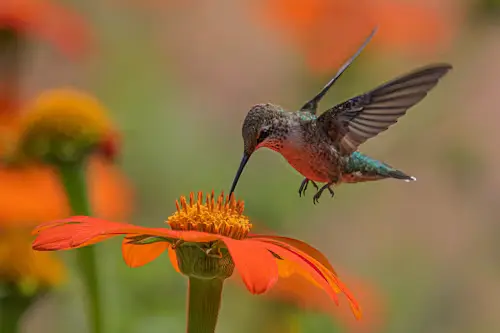
The Magic of the Garden Hum
I remember the first time a hummingbird zipped past my ear. It sounded like a tiny jet engine, a blur of green and gold that vanished before I could even blink. I had a cheap plastic feeder hanging on my porch at the time, filled with that store-bought red dye water. It was a mess.
The sugar water would ferment in the sun, ants would find a way inside no matter what I did, and I spent more time cleaning it than actually watching birds. That is when I decided to change my strategy. I stopped looking for the perfect plastic bottle and started looking for flowers that attract hummingbirds.
The difference was night and day. Within a few weeks, my garden went from a quiet patch of grass to a busy highway for these little aviators.
If you want to see more of these birds, you have to think like them. They aren’t looking for a piece of decor; they are looking for high-octane fuel.
Nature has spent millions of years designing the perfect relationship between birds and blooms. In this guide, I want to share what I have learned about turning a regular yard into a hummingbird paradise without the constant maintenance of feeders.
Table of Contents
Understanding the Hummingbird Appetite
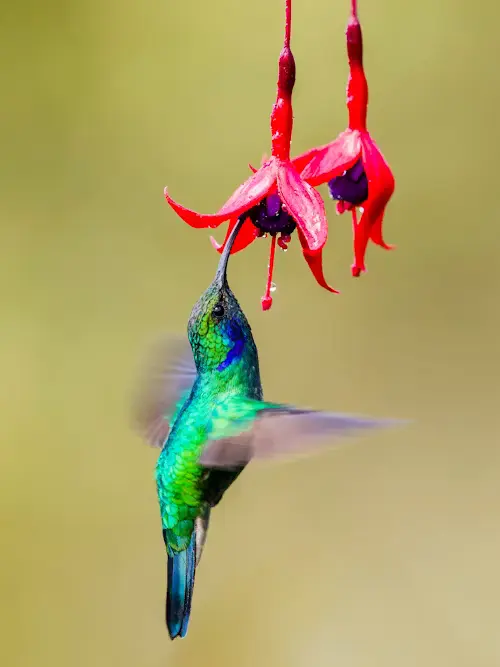
To pick the right plants, you need to understand the bird. Hummingbirds have the highest metabolism of any homeothermic animal. They need to eat constantly just to stay alive. While they do eat tiny insects for protein, nectar is their primary energy source. They are specifically drawn to plants that offer a big reward for their effort. This means plants that produce a lot of nectar and have shapes that fit their unique beaks. When you choose best hummingbird flowers, you are essentially setting up a series of gas stations across your property.
The Color Theory
We all know red is the big winner. Hummingbirds see red from a long distance and associate it with a high sugar content. However, they aren’t color-blind to other shades. They love orange, bright pink, and even purple. The key is visibility. They look for bright spots that stand out against the green foliage. If you have a sea of green, one splash of red will bring them in like a magnet.
The Shape Matters
Have you ever noticed how many hummingbird favorites look like little trumpets? There is a reason for that. Long, tubular shapes hold nectar deep inside. This is a brilliant survival trick. Most bees and butterflies have shorter tongues or mouthparts. They can’t reach the nectar hidden at the bottom of a long tube. Hummingbirds, with their specialized tongues, have no trouble. This means the nectar is reserved specifically for them, ensuring they keep coming back to your garden instead of the neighbor’s.
Top Perennials for Long-Term Success
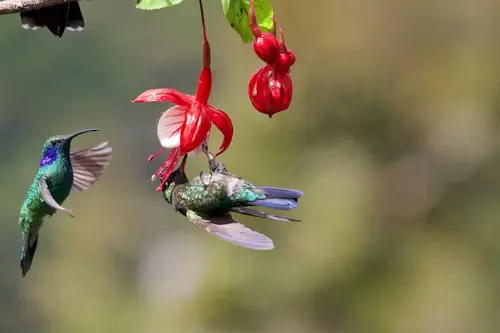
Perennials are the backbone of any good bird garden. You plant them once, and they come back every year, usually bigger and better. Here are the ones I have found to be the most reliable.
Bee Balm (Monarda)
This is arguably the king of the hummingbird garden. It has these wild, shaggy-looking flower heads that look like something out of a Dr. Seuss book. It is native to North America and produces a massive amount of nectar. I have seen three hummingbirds at once fighting over a single patch of Monarda. It comes in reds, purples, and pinks. Just be careful, it can spread quickly if it likes the soil, but for most bird lovers, that is a good problem to have.
Cardinal Flower (Lobelia cardinalis)
If you have a spot in your yard that stays a bit wet or doesn’t get full sun all day, this is your plant. The red on a cardinal flower is so intense it almost looks fake.
It is one of the most important native flowers for hummingbirds because it blooms in mid to late summer when many other plants are starting to fade. It is a tall, elegant spike that fits perfectly in the back of a flower bed.
Salvia (Various Species)
Salvia is a huge family of plants, and hummingbirds love almost all of them. ‘Black and Blue’ Salvia is a personal favorite in my garden. It has deep blue flowers with black bases. Even though it isn’t red, the birds find it instantly. Most Salvias are drought-tolerant and bloom for a long time, which is exactly what you want for a low-maintenance yard.
Annuals for Instant Results
If you are starting your garden late in the season or you live in an apartment with just a few pots on a balcony, annuals are your best friend. They grow fast and bloom their heads off until the first frost.
Zinnias
Zinnias are cheap, easy to grow from seed, and come in every color imaginable. I like to plant the ‘Cut and Come Again’ varieties. The more you pick the flowers, the more the plant grows. Hummingbirds love the flat landing pads these flowers provide, and they are great for attracting the tiny gnats that hummingbirds also like to eat.
Fuchsia
If you have a hanging basket in a shady spot, Fuchsia is a must. The flowers hang down like little ballerinas, and their tubular shape is perfect for a hovering bird. These are great for bringing hummingbirds right up to your porch or window where you can see them clearly.
Shrubs and Vines: The High-Rise Buffet
Don’t forget to look up. Hummingbirds don’t just feed at ground level; they love to explore higher up in the canopy. Adding vertical elements can double the amount of feeding space in a small yard.
Trumpet Vine (Campsis radicans)
This vine is a beast. It grows fast and produces massive orange-red trumpets. It is a classic for hummingbird garden plants. However, be warned: it can be invasive in some areas. I recommend growing it on a sturdy fence or a standalone trellis away from your house. The amount of nectar it produces is staggering.
Honeysuckle (Lonicera sempervirens)
Make sure you get the native Coral Honeysuckle, not the invasive Japanese variety. The native one has beautiful red tubes with yellow centers. It doesn’t have the same scent as the white ones, but the birds don’t care about smell; they care about that sweet, sweet nectar. It is a much more polite vine than the Trumpet Vine and looks great on a mailbox or small arbor.
Regional Guide: What to Plant and Where
Not every plant works in every climate. Here is a quick look at what thrives in different parts of the country.
| Region | Recommended Plant | Why It Works |
|---|---|---|
| Northeast | Wild Columbine | Early spring bloomer for returning migrants. |
| Southeast | Shrub Verbena | Hardy and handles the heat and humidity well. |
| Midwest | Penstemon (Beardtongue) | Drought resistant and very attractive to bees and birds. |
| Pacific Northwest | Red Flowering Currant | A vital food source for Anna’s hummingbirds in early spring. |
| Southwest | Desert Willow | Beautiful orchid-like flowers that thrive in dry heat. |
The Importance of Native Plants
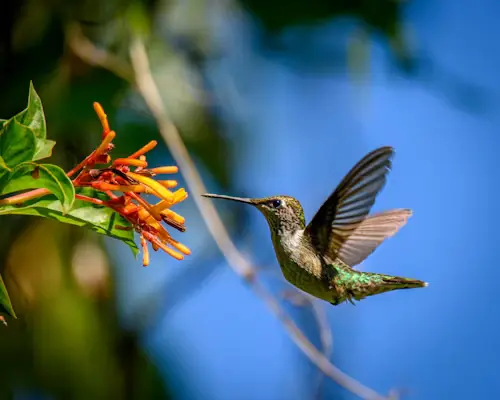
I always tell people to go native whenever possible. Native plants evolved alongside our local bird populations. They bloom at the exact time the birds need them most, such as during peak migration periods. Also, native plants are much easier to take care of because they are already adapted to your local soil and weather. You won’t have to use as much water or fertilizer to keep them happy. Using native species is the best way to ensure your garden is a helpful part of the local ecosystem rather than just a pretty display.
Garden Design Tips for Hummingbirds
Success isn’t just about what you plant; it is about how you plant it. Hummingbirds are territorial. A big male will often pick a high perch and guard his ‘territory’ from any other birds. To avoid constant fighting, try to create ‘pockets’ of flowers throughout your yard.
If one bird is guarding the front porch, another can feed in the backyard without being seen. I also suggest planting in drifts. Instead of one single plant here and there, plant a group of five or six of the same species. It makes a bigger visual impact for a bird flying high overhead, making it more likely they will stop and check things out.
Avoiding the Pesticide Trap
This is the most important rule: stop using pesticides. If you want a healthy hummingbird garden, you need to accept some bugs. Hummingbirds eat a huge number of small spiders and gnats. If you spray your flowers to kill aphids or beetles, you are removing a vital part of the bird’s diet. Even worse, you could be poisoning the birds themselves. I have found that once the birds and beneficial insects move in, they usually take care of the ‘pest’ problems for me. It is all about balance.
Creating a Water Station
Nectar is great, but hummingbirds also need water. They don’t use traditional bird baths very often because the water is too deep. They prefer moving water or a fine mist. I installed a small solar-powered fountain in a shallow stone basin, and the birds love it. They will fly through the spray to clean their feathers. Keeping their feathers clean is vital for flight, so a ‘hummingbird shower’ is a great addition to any garden.
FAQs about flowers that attract hummingbirds
- What are the best flowers that attract hummingbirds?
The best flowers include Bee Balm, Salvia, Cardinal Flower, and Trumpet Vine. These offer high nectar rewards and have the tubular shapes that hummingbirds prefer. - Do hummingbirds like sunflowers?
While they might visit them occasionally, sunflowers aren’t a primary source of nectar for hummingbirds. They are better for seed-eating birds like goldfinches. - What color do hummingbirds like best?
Bright red is the most attractive color, but they also frequently visit orange, pink, and purple flowers. - Can I grow hummingbird flowers in pots?
g baskets for Fuchsias. Even a small balcony can attract birds if you provide the right flowers.
Start Your Sanctuary Today
Building a garden for hummingbirds is one of the most rewarding things you can do. There is something truly special about sitting on your porch with a cup of coffee and watching a tiny bird hover inches away from a flower you planted. It connects you to nature in a way that a plastic feeder never can. Start small if you have to. Buy one Salvia or one pot of Zinnias.
Once you see that first bird arrive, I promise you will want to plant more. If you enjoyed learning about these amazing birds, check out our other guides on bird species to discover more about the feathered friends in your neighborhood. Now, grab a shovel and get planting. Those hummingbirds are waiting!