Breeding Bird Survey: How to Track Birds Like a Pro

Waking up before dawn, coffee in hand, you venture into your backyard with binoculars ready. The morning chorus is building, and you’re not alone in documenting these feathered visitors. Across North America, thousands of birdwatchers participate in systematic surveys that reveal more than just which species visit their feeders.
The songs and sightings you record contribute to one of the largest ecological databases in the world. Every count helps scientists understand trends in backyard bird breeding stats and population changes that affect the hobby you love.
Through the North American Breeding Bird Survey, your observations become part of a continent-wide effort to track bird breeding trends. These collective numbers help guide conservation efforts and provide valuable context for your home aviary breeding log.
This article explores the scientific foundations of avian breeding surveys, how professional monitoring complements your backyard observations, and why your participation matters in the broader picture of bird conservation.
Table of Contents
The History and Mission of the North American Breeding Bird Survey
Quick Fact: The North American Breeding Bird Survey has been running for over 60 years, collecting data from roughly 3,000 survey routes across the continent each year.
The Breeding Bird Survey began in 1966 when Chandler Robbins, a scientist at what is now the USGS Patuxent Wildlife Research Center, recognized the need for standardized bird population monitoring. The program started as a response to concerns about declining bird populations, particularly after the publication of “Silent Spring” highlighted environmental threats.
Initially covering just a handful of routes, the program has grown into an international cooperation between the United States, Canada, and Mexico. Each year, professionally trained observers conduct surveys during the breeding season, typically starting half an hour before sunrise when birds are most vocal.
Understanding the Federation’s Approach to Large-Scale Monitoring
Photo Opportunity: Capture the essence of early morning bird surveys by photographing volunteers along their routes during the dawn chorus.
The methodology behind the North American Breeding Bird Survey ensures scientific rigor while maintaining accessibility for volunteers. Each 24.5-mile route consists of 50 stops spaced exactly 0.5 miles apart. At each stop, observers record all bird species seen or heard within a three-minute period.
This systematic approach allows for consistent data collection across different regions and years. The standardized protocol means data from your local area can be compared with information from across the continent, providing context for bird population breeding trends observed in your backyard.
Conservation Impact and Scientific Contributions
The data collected through breeding bird surveys has led to hundreds of scientific publications and informed numerous conservation decisions. These findings influence everything from local habitat restoration projects to international agreements on migratory bird protection.
Your participation in backyard monitoring helps fill gaps in our understanding of how birds adapt to changing environments. While the North American Breeding Bird Survey covers specific routes, the additional data from backyard observers and home aviary breeders provides valuable insights into how birds use modified landscapes.
Connecting Wild and Domestic Bird Breeding
Photo Opportunity: Document the parallels between wild and domestic bird breeding by photographing similar behaviors in both settings.
The principles used in large-scale breeding surveys apply directly to your home aviary breeding log. Both rely on consistent observation protocols, detailed record-keeping, and long-term monitoring to understand reproductive success and survival rates.
Avian nesting survey results from both wild and domestic settings contribute to our understanding of avian biology. The timing of breeding, number of offspring, and survival rates all provide information about the health of bird populations and the effectiveness of conservation efforts.
The Role of Community Science
You don’t need to be part of the formal survey to contribute valuable data. Many bird enthusiasts participate in community science projects like eBird or Project FeederWatch, which complement the structured routes of the Breeding Bird Survey.
These collective efforts create a more complete picture of bird populations. While the annual North American Breeding Bird Survey provides standardized data, community science platforms capture information about rare species, unusual behaviors, and the effects of local environmental changes on bird populations.
Interpreting Survey Data for Your Own Breeding Efforts
Photo Opportunity: Create a visual timeline showing how breeding data from both wild and domestic birds changes over the years.
The pet bird reproduction data you collect at home follows similar patterns to those observed in wild populations. Understanding these patterns helps you optimize breeding conditions, recognize normal versus concerning behaviors, and improve the success of your breeding program.
Paying attention to factors like weather patterns, food availability, and environmental enrichment that affect wild bird breeding can inform your approach to domestic breeding. The long-term data collected by the surveys demonstrates how these factors influence reproductive success over time.
Practical Applications of Breeding Surveys
Beyond conservation, breeding bird surveys support several practical applications that benefit both wild and domestic bird communities. These surveys inform habitat management decisions, guide the timing of construction projects to minimize impacts on nesting birds, and help track the effectiveness of conservation interventions.
For home breeders, understanding these broader trends helps put your observations into context. What you see in your backyard or aviary might reflect larger patterns occurring across regions, making your data valuable for both your personal breeding goals and scientific understanding.
The Future of Avian Breeding Surveys
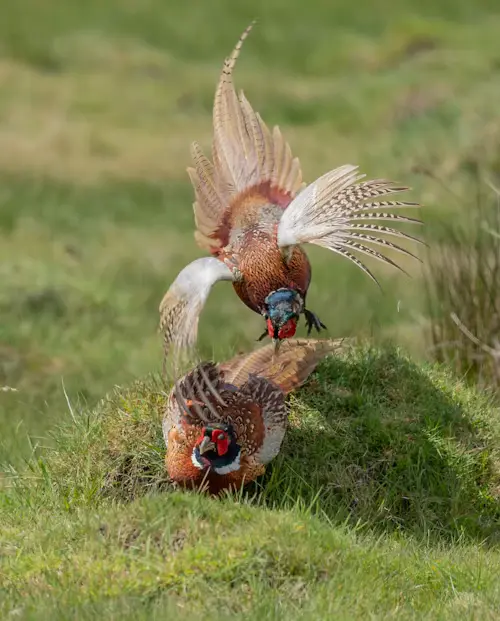
Photo Opportunity: Show the evolution of bird monitoring through a series of photographs from traditional field notes to digital mapping technologies.
Technology continues to enhance breeding surveys while maintaining the core principles that make them effective. Mobile apps now simplify data collection, sophisticated statistical methods improve trend analysis, and new tools make the data more accessible to the public.
These advances help you better understand how your local observations fit into larger conservation efforts. The North American Breeding Bird Survey continues to evolve with new methodologies and expanded coverage, ensuring its continued relevance for bird conservation.
Taking Action: Participate and Protect
Whether you join official survey routes or maintain detailed backyard observation records, your participation in bird breeding surveys matters. The question isn’t whether you should participate but how you can contribute most effectively to our understanding of bird populations.
The backyard bird breeding stats you collect, combined with data from the North American Breeding Bird Survey, create a comprehensive picture of bird population health. Every observation, every breeding season, and every return visitor to your backyard becomes part of this important collective effort.
Ready to contribute your observations to a larger scientific effort? Join your local bird club, participate in community science projects, and maintain detailed records of your backyard visitors. Your participation in understanding bird breeding survey data helps ensure these magnificent creatures continue to grace our skies for generations to come.
Did You Find This Useful?
If you’ve enjoyed this in-depth look at avian breeding surveys, you might find our other bird-focused guides helpful. Learn proven techniques for happy, healthy birds in our guide on bird breeding best practices, or discover how proper nutrition connects to reproductive success with our recommendations for the best bird food.
FAQ about Bird Breeding Survey
Bird Breeding Survey How does the North American Breeding Bird Survey collect data?
The survey collects data through standardized 24.5-mile routes with 50 stops, where experienced observers record all birds seen or heard within a three-minute count period at each stop, typically conducted during the breeding season just before sunrise.
What makes backyard bird breeding stats valuable alongside professional surveys?</ summarizes>
Backyard bird breeding stats provide fine-scale information about how birds use modified landscapes, track local population changes, and capture data about species that may not be well-represented on official survey routes, complementing the broader geographic coverage of professional surveys.
How can I contribute birding reproduction data to scientific research?
You can contribute through community science projects like eBird or Project FeederWatch, maintain detailed records in a home aviary breeding log, participate in local bird counts, or apply to become an official Breeding Bird Survey observer if you meet the experience requirements.
What do Long-term avian nesting survey results reveal about bird populations?
Long-term survey results reveal population trends, range shifts, breeding phenology changes, and responses to environmental factors, helping scientists identify species of conservation concern and evaluate the effectiveness of protection measures for both common and rare species.
How do bird population breeding trends affect conservation efforts?
Bird population breeding trends inform conservation priorities, guide habitat management decisions, influence policy development, and help direct resources to species and regions most in need, ensuring that conservation efforts are based on robust scientific evidence.