doctor bird hummingbird: Best Proven Care Tips

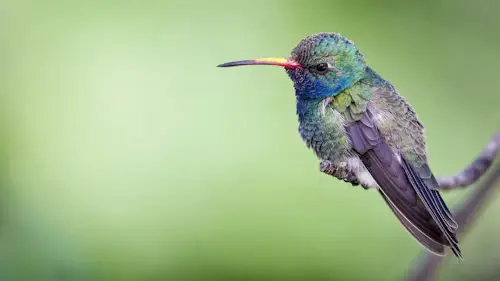
If you ever find yourself wandering through the lush, misty Blue Mountains of Jamaica, keep your ears open. You might hear a distinct whirring sound, a hum that feels like a tiny motor. Then, a flash of iridescent green streaks past, followed by two long, black ribbons trailing behind. You have just met the doctor bird hummingbird. It is a creature that feels like it belongs in a storybook. I remember the first time I saw one at a feeder near Ocho Rios. I was so busy looking at the tail that I almost missed the brilliant red bill. It is not just a bird. It is a symbol of an entire island’s identity.
Table of Contents
What is a Doctor Bird?
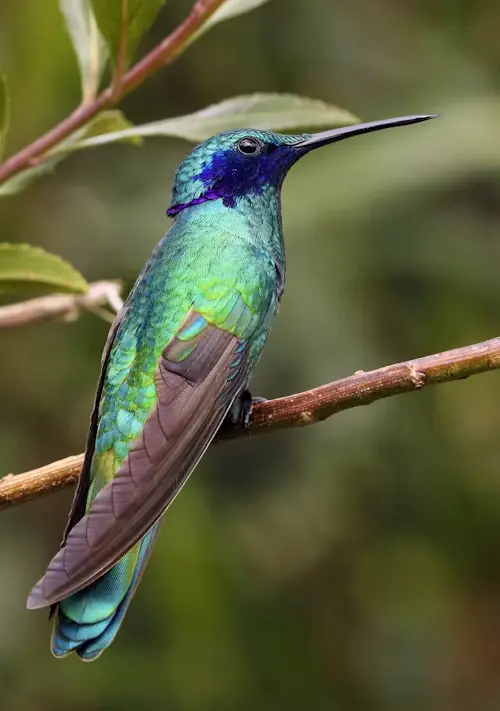
Technically, the doctor bird species is known as the red-billed streamertail (Trochilus polytmus). It is endemic to Jamaica, which means it lives nowhere else on earth. If you leave the island, you leave this bird behind. It belongs to the Trochilidae family, and while there are over 300 types of hummingbirds, this one stands out because of its unique physical features.
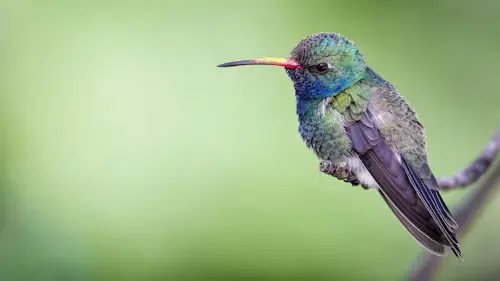
The male is the star of the show. He has a metallic green body that shines like a jewel in the sun. His head is velvet black, and he has two exceptionally long feathers called streamers that extend from his tail. These streamers are often nine or ten inches long, which is much longer than the bird’s actual body.
The Two Different Streamertails
Many people do not realize that there are actually two variations of this bird. Most of the island is home to the red-billed streamertail. However, if you head to the very eastern tip of Jamaica, specifically around the John Crow Mountains, you find the black-billed streamertail. For a long time, scientists argued about whether they were the same bird. Today, many consider them separate. But for most Jamaicans, the red-billed one is the true doctor bird Jamaica hummingbird that they grew up with.
Why the Name Doctor Bird?
You might wonder why a bird is named after a medical professional. There are a few theories about the doctor bird meaning. One popular idea is that the long tail feathers and the dark crest resemble the old-fashioned top hats and long tailcoats that doctors used to wear. It is a bit of a stretch, but if you look at the bird from behind, you can see the resemblance.
Another theory is more about behavior. People noticed the bird using its long bill to probe into flowers. This looked like a doctor examining a patient. There is also a suggestion that the name comes from the way the bird ‘doctors’ or manipulates flowers to get to the nectar. Whatever the reason, the name has stuck for generations.
The Physical Beauty of the Streamertail
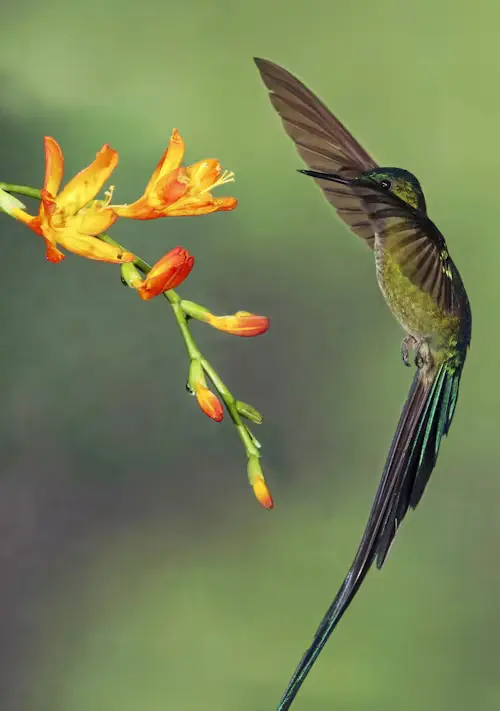
Let’s talk about those tails. They are magnificent. When the male flies, the streamers make a humming or buzzing sound. This is not coming from the throat. It is mechanical. The wind rushes through the feathers, creating a sound that helps the bird defend its territory or attract a mate. The females and the young males do not have these long tails. They are much more modest, with white undersides and shorter tails. This is common in the bird world. The males have to be flashy to get attention, while the females need to stay camouflaged while sitting on the nest.
Feeding Habits
These birds are high-energy machines. They have to eat constantly to keep their tiny hearts beating. Their diet consists mostly of nectar from tropical flowers like hibiscus and ginger lilies. They also eat small insects for protein. If you put out a sugar-water feeder in Jamaica, you are almost guaranteed to see a doctor bird hummingbird within minutes. They are aggressive. They will chase off other birds, even ones much larger than themselves, to protect their food source.
The Lore of the Doctor Bird
There is a deep spiritual connection between the people and this bird. The lore of the doctor bird goes back to the Arawak Indians, the original inhabitants of Jamaica. They believed the bird had magical powers. They saw it as a ‘God bird’ or a reincarnation of dead souls.
There is an old Jamaican folk song that says ‘Doctor Bud a witty bud, no kill him,’ which means ‘The Doctor Bird is a wise bird, do not kill it.’ This belief helped protect the bird for centuries. Many locals still believe that if a doctor bird visits your garden, it brings good luck or a message from a loved one.
There is a sense of reverence that you do not often see with other common birds.
A National Symbol
Since 1962, when Jamaica gained independence from Britain, the streamertail has been the national bird doctor bird. It is everywhere. You see it on the Jamaican dollar bill, on stamps, and in the logos of national companies. It represents the resilience and the unique beauty of the island. It is a point of national pride. When you ask a Jamaican what their favorite bird is, the answer is almost always the doctor bird. It is not just because it is pretty. It is because it is theirs. It is a piece of home.
Comparing the Two Species
| Feature | Red-billed Streamertail | Black-billed Streamertail |
|---|---|---|
| Scientific Name | Trochilus polytmus | Trochilus scitulus |
| Bill Color | Bright Red | Jet Black |
| Location | Most of Jamaica | Far East (Portland/St. Thomas) |
| National Status | Primary National Symbol | Secondary/Regional |
| Tail Streamers | Present in males | Present in males |
Nesting and Reproduction
The nesting habits of the doctor bird hummingbird are fascinating. The female is the sole builder. She uses fine plant fibers, moss, and spider webs to create a tiny cup-shaped nest. The spider webs are the secret ingredient. They allow the nest to stretch as the chicks grow. She usually lays two tiny white eggs, about the size of a bean. The chicks are born blind and naked, but they grow fast on a diet of regurgitated insects and nectar. Within a few weeks, they are ready to test those wings.
Where to See Them
If you are visiting Jamaica and want to see one, you have plenty of options. While they live in gardens and forests across the island, some places are better than others.
- Rocklands Bird Sanctuary: Located near Montego Bay, this is the most famous spot. You can sit with a bottle of nectar and the birds will actually land on your finger to drink. It is a life-changing experience for any bird lover.
- The Blue Mountains: The cooler air and abundant wild flowers make this a prime habitat. You can see them zip through the coffee plantations.
- Castleton Gardens: This botanical garden in St. Mary is full of the flowers they love. It is a quiet place to watch them interact in a more natural setting.
Conservation and Threats
While the doctor bird is common, we cannot take it for granted. Habitat loss is always a concern. As forests are cleared for farming or housing, the birds lose their nesting sites. Climate change is another factor. Extreme weather can destroy the flowers they depend on. Thankfully, because the bird is so loved by the people, there is a strong cultural push to protect the environment where it lives.
FAQ about the doctor bird hummingbird
What is a doctor bird?
It is a species of hummingbird called the red-billed streamertail, which is endemic to Jamaica. It is famous for the long tail feathers on the males.
Is the doctor bird hummingbird only found in Jamaica?
Yes. It is an endemic species. You will not find it living naturally in the wild anywhere else in the world.
What does the doctor bird eat?
It eats flower nectar and small insects. It is especially fond of bright, tubular flowers like hibiscus.
Why is it called the doctor bird?
The name likely comes from its long tail and black crest resembling a doctor’s old-fashioned formal wear, or its behavior of ‘doctoring’ flowers for nectar.
Is the doctor bird endangered?
No, it is currently listed as a species of least concern, but habitat protection remains important for its long-term survival.
A Part of the Soul of Jamaica
I think the reason the doctor bird hummingbird resonates so much with people is its spirit. It is small, but it is fierce. It is beautiful, but it is also hardy. It thrives in the heat and the wind of the Caribbean. It is a living reminder of the magic that exists in nature if we just stop to look. The next time you see a flash of green in the trees, stop for a second. Listen for that hum.
You are looking at a bird that has been part of island history for thousands of years. If you want to learn more about different bird species or how to care for your own feathered friends, keep exploring our guides. There is a whole world of avian wonder waiting for you.