How do birds have babies: Ultimate Beginner’s Guide

I have spent many years watching birds, both in my living room and in the trees outside my window. There is something truly special about the moment you see a pair of birds start carrying twigs. You know what is coming. But for many people, the actual mechanics of the process remain a mystery. If you have ever asked, how do birds have babies, you are in the right place. It is a process that involves a lot of specific timing, biological changes, and hard work from the parents.
Bird reproduction is different from what we see in mammals. There are no live births here. Instead, everything happens through eggs. This journey from a simple song to a flying fledgling is complex. We are going to look at every step, from the first dance to the day the babies leave the nest for good.
Table of Contents
The Spark: Courtship and Attraction
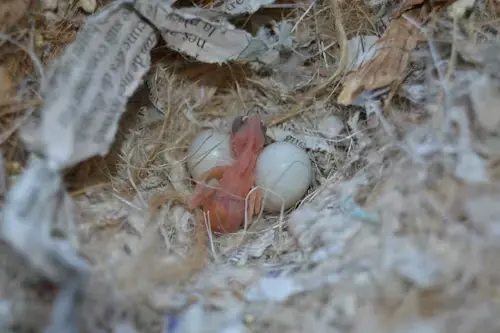
Before any eggs appear, there is a lot of social work to do. Birds do not just find a mate and get to work. They have to prove they are the right choice. This is where bird mating behavior comes in. If you have a pet bird, you might notice them bobbing their heads or regurgitating food for their favorite toy. That is their instinct telling them it is time to find a partner.
In the wild, this looks like a huge show. Male birds often have the brightest feathers. They use these to get attention. Some birds, like the Bird of Paradise, have dances that look like they belong in a professional theater. Others rely on their voices. That beautiful birdsong you hear at 5:00 AM is actually a male bird shouting to the world that he has a great territory and is ready to be a father.
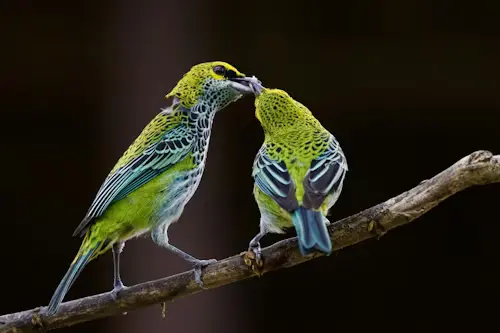
Once a pair decides they like each other, they move into the next phase. This often involves mutual preening. They sit together and fix each other’s feathers. It is a way to build trust. In the bird world, trust is everything because raising babies is a two-person job for most species.
The Anatomy of the Act: The Cloacal Kiss
This is the part that confuses most people. Birds do not have the same external anatomy that mammals do. Instead, both males and females have a single opening called a cloaca. This opening is used for everything: waste and reproduction. When people ask how birds mate, they are usually talking about the ‘cloacal kiss.’
During this brief moment, the male and female press their cloacas together. It only lasts a few seconds, but that is all the time needed for the male to transfer sperm to the female. This sperm then travels up the female’s reproductive tract to fertilize the eggs. It is a quick and efficient way to handle bird reproduction without the need for complex external organs that might get in the way of flight.
Inside the Female: Creating the Egg
Once the sperm is inside, the female’s body goes into overdrive. Creating an egg is a massive physical task. She has to gather enough calcium to make a hard shell. If she doesn’t have enough calcium, her body will actually take it from her own bones. This is why bird owners always make sure their female birds have access to cuttlebone or mineral blocks.
The egg moves through the oviduct. First, the yolk is formed. Then the white, or albumen, is added. Finally, the shell is created in the shell gland. This whole process takes about 24 hours for most common pet birds and songbirds. This is why you will see a bird lay one egg every day or every other day until the ‘clutch’ is complete.
Building the Home: Nesting Behavior
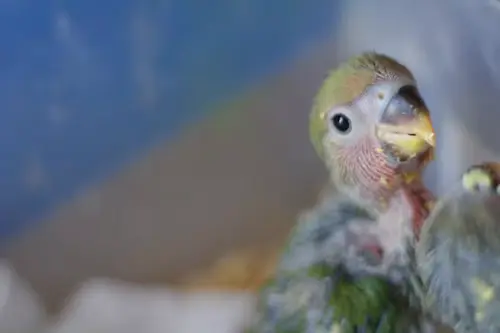
While the eggs are forming, the birds need a place to put them. Nesting behavior is one of the most interesting parts of how birds have babies. Every species has a different style. Some use mud, some use sticks, and some just scrape a little hole in the dirt.
My first pair of cockatiels were very picky. I gave them a beautiful wooden box, but they spent three days throwing out the wood shavings I put inside. They wanted it their way. In the wild, birds are engineers. They use spider silk to tie twigs together or saliva to glue mud to a wall. The goal is always the same: keep the eggs safe from predators and keep them warm.
Common Nest Types
| Nest Type | Description | Common Birds |
|---|---|---|
| Cup Nest | A bowl made of grass and mud. | Robins, Hummingbirds |
| Cavity Nest | A hole inside a tree or box. | Parrots, Woodpeckers, Bluebirds |
| Platform Nest | A flat pile of large sticks. | Eagles, Ospreys, Pigeons |
| Scrape Nest | A shallow dent in the ground. | Killdeer, Penguins |
The Wait: Incubation
After the eggs are laid, the real work starts. An egg is like a tiny life support system, but it only works if it stays warm. This is called incubation. The parents sit on the eggs to keep them at a steady temperature. If the eggs get too cold, the embryo inside will stop growing. If they get too hot, it can be fatal.
Birds develop a ‘brood patch’ during this time. This is a patch of skin on their chest that loses feathers and becomes full of blood vessels. It allows the heat from the parent’s body to transfer directly to the eggshell. It is a beautiful example of how how birds reproduce involves the bird’s entire body changing to support the next generation.
In some species, only the female sits on the eggs while the male brings her food. In others, they take shifts. For example, male pigeons usually take the day shift while the females take the night shift. They are very strict about their schedule!
The Big Day: Hatching
After a set number of days, the baby bird is ready to come out. This is a long and exhausting process for the chick. They have a tiny, sharp bump on the end of their beak called an ‘egg tooth.’ They use this to poke a hole in the shell, which is called pipping. From there, they have to slowly crack their way around the circumference of the egg until they can push the top off.
It can take hours or even a full day for a chick to hatch. It is tempting to help them, but you should never do that. The chick needs the struggle to help its lungs fully expand and to absorb the last of the yolk sac into its belly. That yolk is its first meal and gives it the energy to survive the first 24 hours of life outside the shell.
Growing Fast: Baby Bird Development
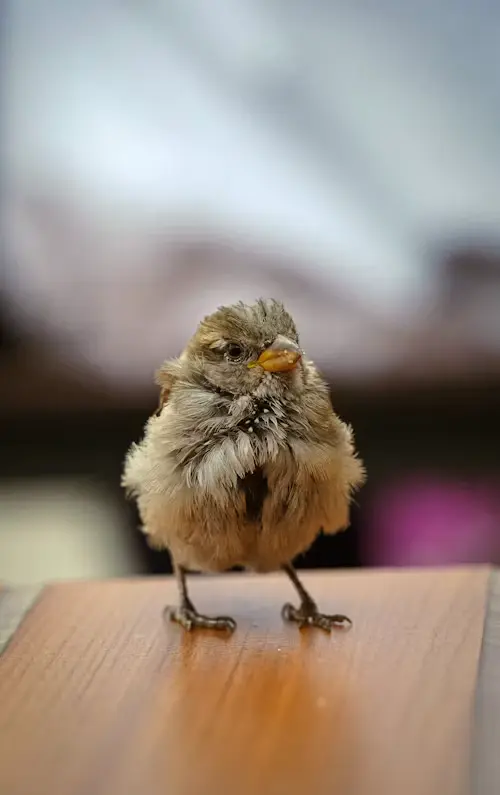
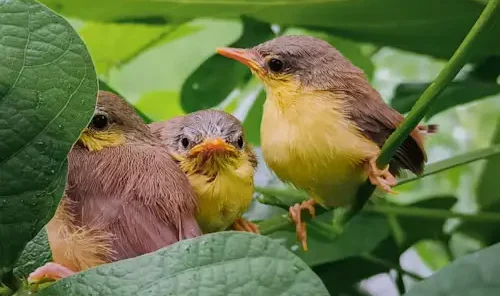
When they first hatch, most baby birds look like little pink aliens. They are usually blind, featherless, and very weak. These are called altricial chicks. They depend 100% on their parents. On the other hand, birds like ducks or chickens hatch with feathers and can walk almost immediately. These are called precocial chicks.
For our common pet birds and backyard songbirds, the growth is incredibly fast. A baby bird can double its weight in just a few days. The parents are constantly hunting for bugs or eating seeds to regurgitate for the babies. If you have ever seen a nest of baby birds, you know they are basically just giant mouths that never stop begging for food.
The Feathers Appear
First, the babies grow ‘pin feathers.’ These look like little plastic straws sticking out of their skin. Inside these tubes, the feathers are forming. Eventually, the chick will preen the waxy coating off, and the feathers will unfurl. This is the moment they start looking like real birds. They also start exercising their wings, flapping wildly while hanging onto the edge of the nest.
Leaving the Nest: Fledging
The most dangerous time for a bird is when they leave the nest. This is called fledging. They are not very good at flying yet. They usually end up on the ground or on a low branch, hopping around and calling for their parents. Many people see these birds and think they have been abandoned, but usually, the parents are nearby with a snack.
The parents continue to feed the fledglings for a few weeks while they learn how to find food on their own. It is like a bird version of a teenager moving into their first apartment but still coming home to do laundry and eat dinner. Once they can fly well and hunt or forage efficiently, they are officially on their own.
FAQs About How Birds Have Babies
How do birds have babies without a nest?
Most birds need a nest to keep the eggs together and warm. If a bird is forced to lay an egg without a nest, the egg is unlikely to survive. However, some birds like the Emperor Penguin don’t use nests; they carry the egg on their feet under a flap of skin.
Can a bird have a baby without a male?
A female bird can lay an egg without a male, but that egg will never hatch. It is just like the chicken eggs we buy at the grocery store. To have a baby, the egg must be fertilized by a male’s sperm before the shell is formed.
How many babies do birds have at once?
This depends on the species. Some birds, like many parrots, lay 2 to 4 eggs. Small songbirds might lay 5 to 8. Some ducks can lay over a dozen eggs in a single clutch. The number of eggs usually depends on how many babies the parents can successfully feed at the same time.
How long does it take for a bird egg to hatch?
Most small birds take about 12 to 14 days. Larger birds like parrots can take 21 to 28 days. The largest eggs, like those of an ostrich, can take up to 45 days of constant warmth to hatch.
A Human Perspective on the Bird Breeding Cycle
I have seen many people get excited about the idea of their pet birds having babies. It sounds wonderful to have a house full of tiny chirping chicks. But I always tell them to think twice. It is a massive amount of work. The female’s health is at risk, the male can become aggressive, and the babies require feeding almost every two hours if the parents decide they don’t want to do it.
Birds are resilient, but they are also fragile. The way they bring new life into the world is a testament to their strength. From that first courtship song to the moment a young bird takes its first flight, every step is a miracle of nature. If you find a nest in your yard, give it space. Observe from a distance with binoculars. You are watching one of the oldest and most successful processes on our planet unfold right in front of you.
If you want to support the birds in your area, keep your cats indoors and put out a clean birdbath. Providing a safe space is the best gift you can give to a growing bird family. Happy bird watching!