What Do Baby Birds Drink: Ultimate Heartwarming Care Guide Revealed

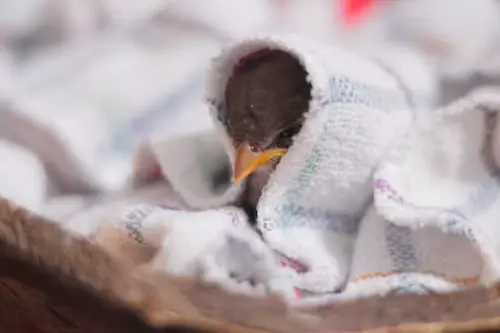
You are walking in your backyard and you see a tiny, featherless creature shaking on the grass. Your heart sinks. You want to help. Most people grab a dropper or a spoon and think, “He must be thirsty.” But stop right there. If you try to force water into that tiny beak, you might actually kill the bird you are trying to save. It is a harsh reality, but understanding what do baby birds drink is the difference between life and death for these little ones.
Table of Contents
The Big Misconception: Why Water is Dangerous
When we see a mammal in distress, we offer a bowl of water. When we see a baby bird, our human brain applies the same logic. However, birds have a very different anatomy. At the base of a bird’s tongue is a small hole called the glottis. This is the opening to their windpipe and lungs. When a baby bird is gaping (opening its mouth wide for food), that glottis is often open. If you squirt water into its mouth, the liquid goes straight into the lungs. This causes aspiration pneumonia or immediate drowning. It is a terrifying way for a bird to go, and it happens far too often because of well-meaning people.
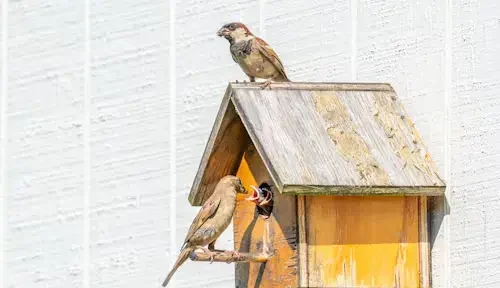
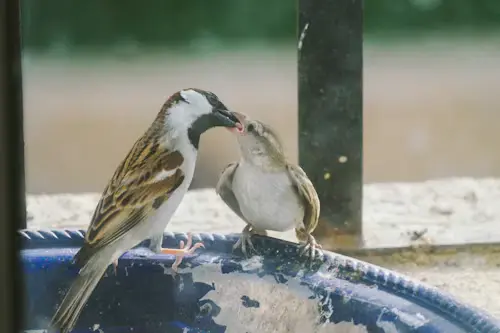
In the wild, you will never see a mother robin carrying a drop of water in her beak to give to her babies. It just does not happen. So, how do they survive? The answer lies in their diet. They get every drop of moisture they need from the food their parents provide. Whether it is juicy worms, mashed-up insects, or specialized secretions, what baby birds eat and drink are essentially the same thing.
Understanding Bird Crop Milk
For some species, hydration and nutrition come in a very specific form known as bird crop milk. This is not like the milk you buy at the grocery store. It is a semi-solid substance high in protein and fat, secreted from the lining of the crop in certain bird species like pigeons, doves, and flamingos. It is incredibly rich and contains all the fluids a hatchling needs to grow at a rapid pace. If you are dealing with a pigeon or a dove, they do not eat worms; they need this specific liquid gold from their parents’ throats.
Species Differences in Hydration
Not all birds are the same. A baby hawk has different needs than a baby sparrow. Here is a breakdown of how different types of birds stay hydrated:
| Bird Type | Primary Source of Hydration | Food Source |
|---|---|---|
| Songbirds (Robins, Sparrows) | Insects and Worms | High-moisture protein |
| Pigeons and Doves | Crop Milk | Regurgitated fluids |
| Waterfowl (Ducks, Geese) | Self-feeding in water | Aquatic plants and bugs |
| Birds of Prey | Raw Meat | Fluids from prey tissue |
The Dangers of Cow Milk and Bread
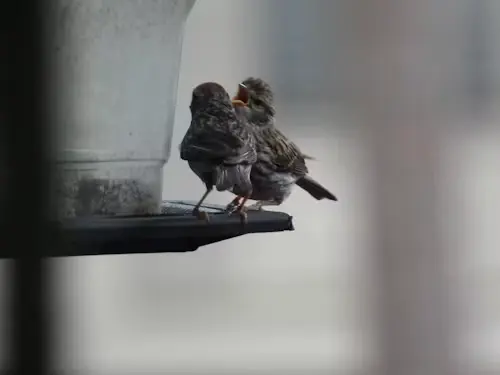
I cannot stress this enough: never give a baby bird cow milk. Birds are not mammals. They lack the enzyme lactase to break down the sugars in milk. Giving them dairy will cause severe diarrhea, dehydration, and death. It is one of the quickest ways to accidentally end a bird’s life. Similarly, soggy bread is a death sentence. It has zero nutritional value for a growing bird and can expand in their crop, causing a fatal blockage.
What to Do if You Find a Dehydrated Baby Bird
If you find a bird that looks weak, has wrinkled skin, or sunken eyes, it is likely dehydrated. But the solution is still not a dropper of water. The best thing you can do is keep the bird warm and quiet. A cold bird cannot digest food or process fluids. Use a heating pad on a low setting under a cardboard box lined with paper towels. Once the bird is warm, the priority is to get it to a licensed wildlife rehabilitator.
If you are in a situation where you must provide immediate care before a professional can take over, feeding baby birds with moisture-rich food is the way to go. For most songbirds, this means soaking dry kitten kibble or high-quality dog food in warm water until it is the consistency of a soft sponge. This provides both the protein they need and the hydration their bodies crave without the risk of drowning.
How to Safely Hydrate an Orphaned Bird
- Warmth first: Never feed a cold bird. Their metabolism shuts down when they are chilled.
- Soak the food: Use warm water (not hot) to soften protein-rich kibble.
- Use a tool: A blunt toothpick or a small paintbrush works better than a syringe.
- Small bites: Place a tiny piece of the moist food at the back of the throat, avoiding the glottis.
- Observe the crop: Watch the little pouch on the side of the neck. When it looks full, stop.
The Role of Humidity in Nestling Health
We often forget that birds lose moisture through their skin and breathing. In a dry house, a baby bird can dehydrate even if it is eating well. I often recommend placing a small bowl of water *near* the bird’s box (not inside where they can fall in) or using a humidifier in the room. This mimics the humid environment of a crowded nest where siblings huddle together, keeping each other warm and moist.
When Do They Start Drinking Water?
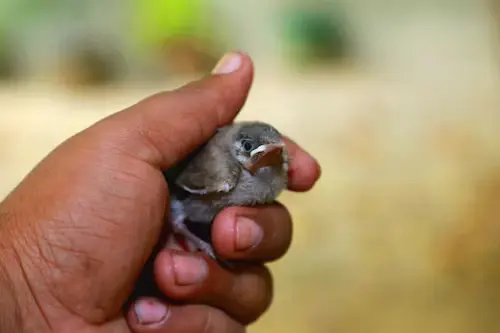
As birds grow into the fledgling stage—when they have feathers and start hopping around on the ground—their needs change. This is the transition period. Once they start eating solid seeds or whole insects on their own, they will begin to drink from puddles or bird baths. You will see them dip their beaks in and tilt their heads back to swallow. This is a learned behavior that happens naturally as they leave the nest. Until they reach this stage, they remain entirely dependent on the moisture in their food.
FAQ: What do baby birds drink?
Can I give a baby bird sugar water?
Generally, no. While hummingbirds drink nectar, most baby birds need protein, not just sugar. In an extreme emergency, a single drop of Pedialyte on the side of the beak (where they can lick it off) might help, but it is not a long-term solution.
Do baby birds drink water from their parents’ mouths?
No. Parents do not carry water. They carry food that is naturally high in water content. Some parents, like pigeons, produce a fluid called crop milk, but it is a biological secretion, not water they drank and brought back.
What if the baby bird is gaping? Isn’t he thirsty?
Gaping is a reflex. It means “put food here.” It does not necessarily mean they are thirsty in the way we understand it. They are looking for a meal that will provide them with the energy and fluids they need.
Can I feed a baby bird Gatorade?
Absolutely not. The salt and artificial colors in sports drinks can be toxic to a bird’s tiny kidneys. Stick to plain water for soaking their food, or use unflavored Pedialyte if you are worried about electrolytes, but only for soaking food bits.
A Final Note on Rescue
The best thing for any baby bird is its own parents. If you find a bird that has fallen, check if it is injured. If it is healthy, try to put it back in the nest. If you cannot find the nest, a small wicker basket hung in the tree nearby often works. The parents will usually come back when the area is quiet. If the bird is truly orphaned, your job is to be a bridge to a professional rehabilitator.
You are a hero for wanting to help, but remember that in the world of birds, less is often more. Keep them warm, keep them quiet, and keep the water bottle away from their beaks. Your restraint might just be what saves their life.
For more information on bird nutrition and what to do in an avian emergency, visit our bird food section to learn about the best ways to support your feathered friends.