Birds Aviary: How to Build an Unforgettable Aviary

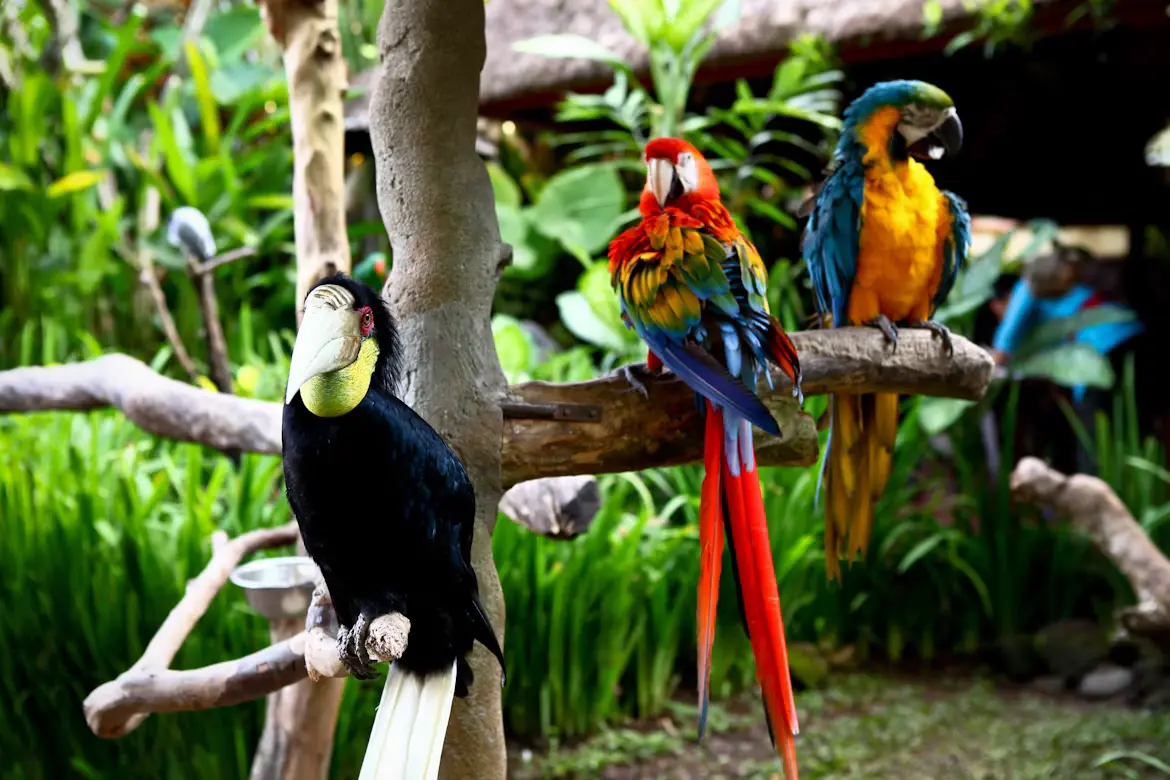
Stepping into a well-maintained Birds Aviary is a sensory experience. You hear the rush of wings and the chatter of many voices. It feels different than a living room with a single cage. In a large flight space, birds act more like their wild cousins. They form social hierarchies. They fly long stretches. They choose their own perches based on who they like or who they want to avoid. This freedom is beautiful, but it brings a different set of responsibilities for the person in charge. Managing a group of birds in one space is more complex than caring for a solo pet. You have to think about the whole flock while watching every individual bird.
Table of Contents
What Makes Birds Aviary Life So Special?
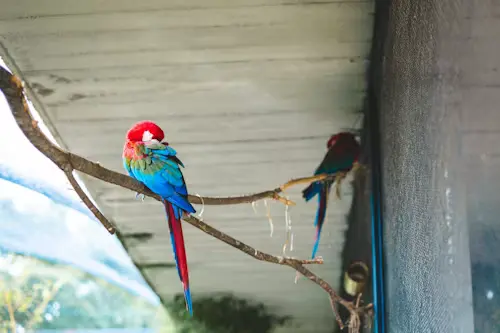
People often ask if bird Aviary setups are actually better for the animals. The answer is usually yes, provided the management is right. In an aviary, birds get exercise that a standard cage simply cannot provide. They build muscle. Their respiratory systems get a workout. Most importantly, their minds stay busy. They interact with other birds and navigate a 3D environment that changes with the light and the weather. If you are moving birds into aviary environments, you will notice a change in their confidence quickly. They become less reliant on you and more engaged with their own kind.
Identifying Birds Avian Array Diseases Early
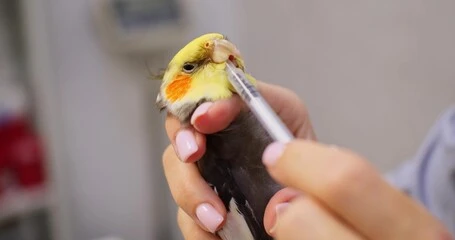
When you have many birds together, the risk of sickness spreading is the biggest worry. We often refer to these collective health issues as birds avian array diseases. This is not just one sickness. It is a group of conditions that thrive in shared spaces. Because birds are prey animals, they are experts at hiding when they feel bad. In an aviary, a sick bird might stay high up on a perch or hide behind a branch. You have to be a detective. You need to know the normal behavior of every bird so you can see when someone is off by even a tiny bit.
Common Pet Bird Aviary Illnesses You Can’t Ignore
There are a few common pet bird aviary illnesses that pop up more often than others. Respiratory infections are high on the list. These can be bacterial or fungal. In an outdoor setting, dampness is your enemy. If the floor stays wet, mold grows. Birds breathe that in, and soon you have a flock with runny noses and labored breathing. Another issue is Coccidiosis. This is a parasitic infection of the gut. It spreads through droppings. In a cage, you might clean the tray daily. In an aviary, the floor is much larger, and it is easy to miss spots where droppings accumulate. If one bird has it, others will pick it up as they forage on the ground.
Symptoms of Birds Aviary Infections to Watch For
You should spend at least fifteen minutes every day just watching. Don’t clean. Don’t feed. Just watch. Here are the symptoms of birds aviary infections you should look for:
- Fluffed feathers when the weather is warm.
- Sitting on the floor or a low perch for long periods.
- Closed eyes or squinting during active daylight hours.
- Tail bobbing, which indicates a bird is struggling to breathe.
- Changes in droppings, like odd colors or a watery consistency.
- Reduced interest in high-value treats.
If you see any of these, that bird needs to come out of the aviary immediately. You should have a hospital cage ready in a separate room. Keeping a sick bird in the main flight space is a recipe for disaster.
Preventing Birds Aviary Outbreaks in Your Backyard
Success in preventing birds aviary outbreaks is all about biosecurity. It starts before a bird even enters the flight. Every new bird must go through quarantine. I recommend at least thirty days. During this time, you watch for signs of illness. You might even have a vet run a fecal test. It feels like a long time to wait, but one infected bird can wipe out a whole collection that took years to build. You also need to think about outside visitors. Wild birds often carry diseases. Your aviary mesh should be fine enough to keep wild sparrows and starlings away. They will try to steal food and, in the process, they leave behind droppings that carry parasites and viruses.
Your Essential Aviary Bird Health Checklist
Consistency is how you keep your birds alive. Use this aviary bird health checklist to stay on top of things:
| Frequency | Task | Why it matters |
|---|---|---|
| Daily | Fresh water change | Prevents bacterial slime and algae. |
| Daily | Visual health check | Spots early signs of illness or injury. |
| Weekly | Scrub perches | Removes accumulated droppings and bacteria. |
| Monthly | Substrate refresh | Keeps the floor dry and reduces parasites. |
| Quarterly | Disinfect structure | Deep cleans the wire and frame of the aviary. |
Designing the Space for Health
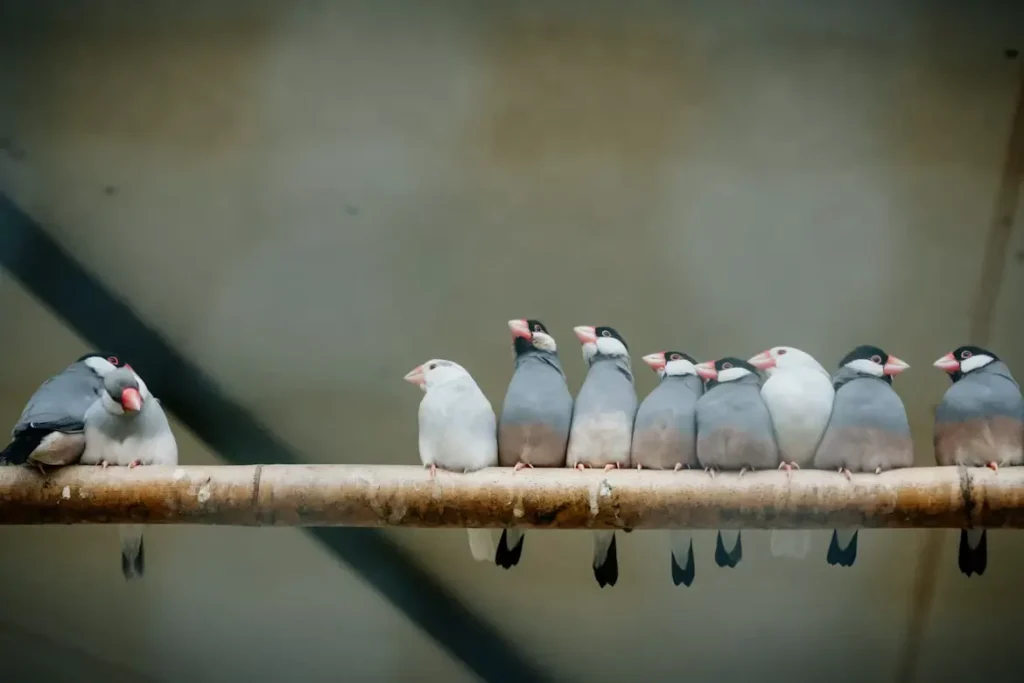
A good aviary is designed for easy cleaning. I prefer concrete floors with a slope for drainage. You can hose them down easily. Some people like natural dirt floors with grass, but these are much harder to keep sterile. If you use sand or gravel, you have to rake it and replace it often. Ventilation is also a big deal. Stagnant air allows pathogens to hang around. Your aviary should have plenty of airflow, but it also needs a solid shelter where birds can escape the wind and rain. A bird that gets soaked and chilled is a bird that gets sick.
Social Dynamics and Stress
Stress is a silent killer in an aviary. If a bird is being bullied, its immune system will drop. Then, it becomes the first one to catch any of the common pet bird aviary illnesses. Watch for birds that are always at the edge of the group. Look for plucked feathers on the head or neck, which often means another bird is attacking them. Make sure you have multiple feeding stations. If there is only one bowl, a dominant bird can guard it and keep others from eating. Spread the food out. Put water in two different spots. This keeps the peace and ensures everyone gets the nutrition they need to stay healthy.
FAQ: Managing Your Birds Aviary
What is the most common sickness in a Birds Aviary?
Respiratory infections and digestive parasites are the most common. These usually come from damp conditions or contact with wild bird droppings. Keeping the floor dry and the food covered is the best defense.
How often should I clean a Birds Aviary?
Water should be changed every day. Food bowls should be cleaned daily as well. The floor and perches need a thorough scrubbing at least once a week. A deep disinfection of the whole structure should happen a few times a year.
Can I mix different species in one Birds Aviary?
You can, but you have to be careful. You should not mix birds with big size differences, like a large parrot with a tiny finch. You also need to make sure their dietary needs are similar so they don’t eat food that is bad for them.
How do I stop wild birds from infecting my flock?
Use a double-door system so birds can’t escape and wild birds can’t fly in. Use a mesh size that is small enough to exclude local wild birds. Never feed wild birds right next to your aviary, as this attracts them to the area.
Building a thriving community of birds is one of the most rewarding things a bird lover can do. It takes work and a sharp eye. If you stay on top of your cleaning and keep a close watch on your flock, your birds will enjoy a life of flight and social joy. Remember that prevention is always easier than a cure. Keep the water clean, the floor dry, and the new birds quarantined. Your flock will thank you with their songs and their health. If you are ready to start, look into the specific needs of your Birds Aviary species to make sure you have the right setup from day one.