Your Bird Love You: Top Bonding Secrets

Have you ever wondered if your feathered friend truly loves you? As a bird owner, watching your bird respond to your presence with excitement, trust, and affection is one of the most rewarding experiences. Whether you own a parrot, a cockatiel, or a conure, learning to recognize the signs that your bird love you can deepen your bond and create a joyful companionship. In this comprehensive guide, we’ll explore the fascinating ways birds express love, how to nurture trust, and actionable steps you can take to make your bird feel cherished.
Table of Contents
Understanding Bird Affection and Love Behaviors
Signs Your Parrot Loves You
Parrots are intelligent and social creatures that show love in various ways. Here are common signs that your parrot is fond of you:
- Vocalization and Talking: Your parrot mimics your voice or words, especially when you are around, which is a sign of affection and bonding.
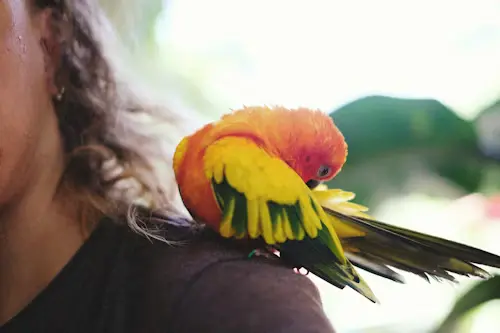
- Preening You: Parrots groom their owners, which in the bird world, is a high form of trust and affection.
- Cuddling and Nuzzling: When your feathered friend snuggles up against you or nuzzles your hand, it’s a clear sign of love.
- Excitement When You Arrive: Flapping wings, chirping, or hopping around their cage eagerly indicates happiness at your presence.
How to Know Cockatiel Bonds with You
Cockatiels are gentler birds but equally expressive in showing affection. Watch for:
- Head Bobbing: Particularly associated with courtship or excitement, if your cockatiel bobs its head when it sees you, it means cockatiel head bobbing love is in action.
- Wanting to Be Close: If your bird climbs on your shoulder or follows you around the house, this shows a strong bond.
- Whistling or Singing: Happy noises directed towards you signify comfort and love.
Bird Affection Behaviors Explained
Each bird species has its unique way of expressing love:
- Wing Flicking: A sign of contentment.
- Beak Grinding: Indicates relaxation and comfort.
- Regurgitation: Though it might sound odd, regurgitating food is a bird’s way of feeding a mate or beloved person, showing deep trust.
Building Trust with Your Pet Bird
Building trust is foundational to your bird loving you back. Here’s how you can nurture that connection:
Spend Quality Time Together
- Interact daily, even if it’s just sitting near the cage and talking calmly.
- Use words like “trust” and “love” in a gentle tone to create a comforting environment.
Offer Treats and Rewards
- Give your bird their favorite fruits or seeds as a reward for good behavior.
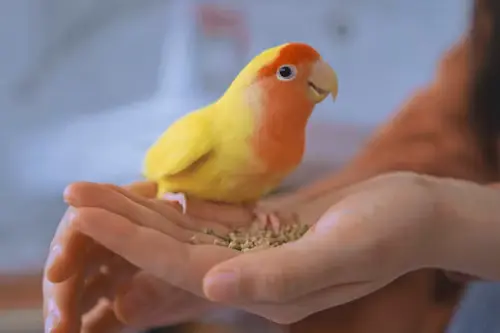
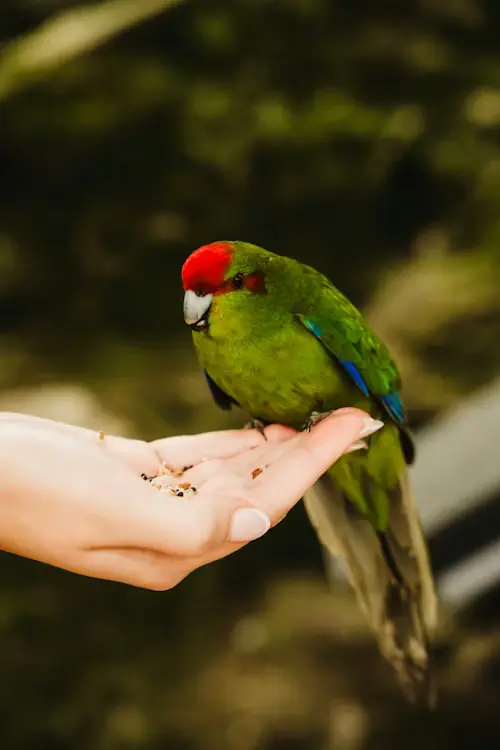
- Hand-feeding can help strengthen your bond over time.
Be Patient and Consistent
- Avoid sudden movements or loud noises that could scare your bird.
- Establish a routine so your bird feels secure.
Conure Love Signs from Your Pet
- Conures are playful and often express love by:
- Performing tricks or acrobatics to entertain you.
- Bringing toys to you as a “gift.”
- Seeking physical contact such as perching on your hand or shoulder.
Overcoming Common Challenges in Bonding
My Bird Seems Distant — What Should I Do?
If your bird is not responding to your affection, don’t panic. Birds can be sensitive, and trust takes time. Try:
- Giving your bird space, then gradually reintroducing interaction.
- Using positive reinforcement to encourage friendly behavior.
Does My Bird Miss Me When I’m Away?
Yes, many birds form strong attachments to their owners and may exhibit signs of missing you:
- Increased vocalization when you return.
- Following you closely once you’re back.
- Changes in appetite if left alone for extended periods.
To ease separation anxiety:
- Leave familiar toys and treats.
- Play soft music or videos with bird-safe sounds.
Parrot Cuddling and Physical Affection
What Does Parrot Cuddling Mean?
When your parrot willingly cuddles, it shows a deep level of comfort and affection. This behavior is often accompanied by:
- Purring-like sounds.
- Relaxed body posture.
- Willingness to be touched without aggression.
Safety Tips
While cuddling is a beautiful sign of love, be mindful of:
- Respecting your bird’s personal space.
- Avoiding over-handling if your bird shows signs of stress or discomfort.
- Ensuring your hands are clean to avoid transferring harmful substances.
Strengthening Your Bond with Fun Activities
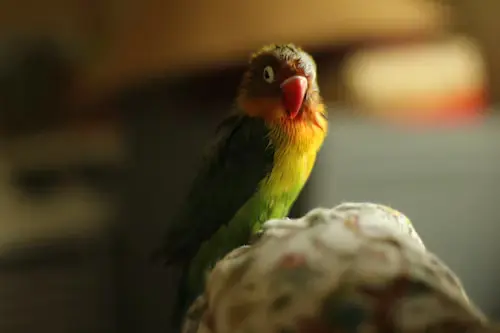
Incorporate these activities into your routine to make your bird feel loved:
Interactive Playtime
- Teach your bird simple tricks to stimulate their mind and build trust.
- Use bird-safe toys that encourage climbing, chewing, and foraging.
Shared Meals
- Eat meals together (bird-safe foods, of course) to foster companionship.
Talking and Singing
- Many birds enjoy listening to your voice. Sing or talk softly to create a soothing atmosphere.
FAQs About ‘Your Bird Love You’
How can I tell if my bird loves me back?
Look for signs like seeking your attention, vocalizations directed at you, and relaxed body language in your presence.
Do birds really form bonds with humans?
Yes, especially species like parrots, cockatiels, and conures. They are highly social and can form deep emotional connections with their owners.
What if my bird bites me?
Biting can indicate fear, discomfort, or stress. Avoid reacting negatively, and work on building trust gradually.
Can I train my bird to love me?
While you can’t force affection, you can encourage it through patience, positive reinforcement, and quality time.
Conclusion: Nurturing a Loving Relationship with Your Bird
Building a loving bond with your bird is a rewarding journey that requires patience, understanding, and consistency. By recognizing the unique ways your bird expresses affection — whether through vocalizations, playful antics, or gentle cuddling — you can respond in ways that nurture trust and deepen your connection. Remember, every bird is an individual with its own personality, so tailor your approach to suit your feathered friend’s needs.
Are you ready to strengthen your bond with your bird? Start today by spending a few extra minutes engaging with them, offering treats, and observing their behaviors. Your efforts will be rewarded with a companion who loves you unconditionally. Don’t forget to share your experiences and tips in the comments below, and explore our other blogs for more insights on bird care and bonding.