Technology for Bird Care: How to Choose Proven Tools

The Digital Shift in the Bird Room
I remember a time when bird keeping meant a notebook, a mercury thermometer, and a lot of guessing. If I went to work, I had no idea if the heater in my bird room failed or if my cockatoo decided to throw his entire water bowl across the room at 9:00 AM. Those days are gone. Today, Technology for Bird Care is making our lives as owners much easier. It is also making our birds a lot safer. We are moving away from basic cages and into a world where sensors and apps do the heavy lifting.
Using tech is not just about being lazy. It is about precision. Birds are fragile creatures. A three-degree drop in temperature or a missed meal can be a disaster for a small parakeet. I have started using everything from smart cameras to automated lighting, and the difference in my stress levels is massive. In this guide, I want to share what works, what is a waste of money, and how you can use these tools to give your birds a better life.
Table of Contents
Smart Monitoring: Keeping an Eye on Your Flock
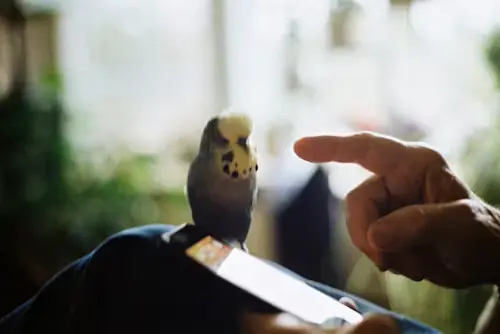
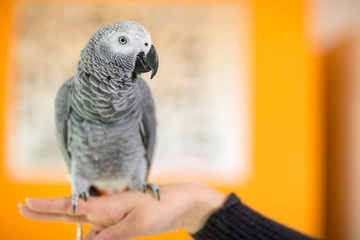
The first thing I recommend to any bird owner is a good camera. Bird monitoring cameras have become so cheap that there is no reason not to have one. I use a simple WiFi-enabled camera that allows me to check in from my phone. It has two-way audio, which sounds great in theory, but my African Grey usually just gets confused when he hears my voice coming from a plastic box. Still, the peace of mind is worth it.
Cameras help you catch behaviors you might miss when you are in the room. Many birds ‘mask’ their symptoms when humans are around. They want to look healthy so they do not look like targets for predators. On camera, I can see if a bird is fluffed up, lethargic, or not eating when I am away. This is one of the most practical applications of technology and bird care that anyone can set up in five minutes.
The Rise of IoT in the Aviary
Beyond just video, IoT devices for aviaries are changing the game. IoT stands for ‘Internet of Things.’ These are devices that talk to each other over your home network. For example, I have a humidity sensor that is linked to my humidifier. If the air gets too dry (which is common in winter when the heat is on), the sensor tells the humidifier to turn on. This keeps my birds’ skin and feathers from getting itchy and dry. It happens automatically while I am asleep.
Climate Control and Smart Cages
Temperature is everything. If you have a sick bird or a baby bird, keeping them warm is a matter of life and death. This is where smart bird cages (temperature, humidity) come into play. Some modern cages come with built-in sensors, but you can also ‘smarten up’ your existing cage with sensor-enabled bird cages setups using aftermarket parts.
I use a smart plug for my bird’s heat lamp. If my phone alerts me that the room is too cold, I can turn the lamp on from anywhere. For birds that are under the weather, heated perches for sick birds are a fantastic invention. They provide a warm spot for the bird to stand on, which helps them maintain their body temperature without using up all their energy. It is a simple piece of tech that has been around for a while, but the newer models are much more consistent with their heat output.
Table: Traditional vs. Tech-Driven Bird Care
| Feature | Traditional Method | Technology-Driven Method |
|---|---|---|
| Monitoring | Checking every few hours | 24/7 WiFi Camera Access |
| Temperature | Manual Thermometer | Smart Sensors with Phone Alerts |
| Feeding | Manual Bowl Filling | Automatic Timed Feeders |
| Records | Paper Notebooks | Breeding & Health Apps |
| Lighting | Manual Light Switch | Programmable UV Cycles |
High-Tech Breeding: From Eggs to Fledglings
If you are into breeding, you know how stressful the incubation period is. I used to hover over my old incubator, worried that the humidity was off by 2%. Now, bird incubators for home breeders are basically miniature computers. They turn the eggs automatically, maintain the exact humidity you set, and even alert your phone if the power goes out. When you are looking for the best incubator settings for birds, these digital systems take the guesswork out of the process.
Once the chicks hatch, the data management starts. I used to have stacks of paper for my records. Now, I use apps for bird breeding records. These apps track hatch dates, parentage, and weight gain. It makes it so much easier to spot trends. If a chick is not gaining weight as fast as the others, the app shows me a graph so I can intervene early. This kind of data is a big part of how bird flight research and avian science have advanced in recent years.
Automation for Daily Routine
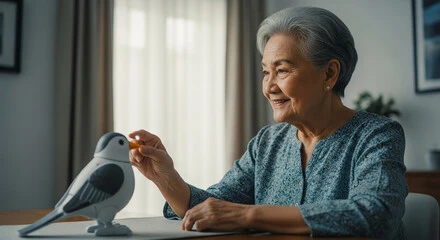
Let’s talk about the daily grind. Cleaning and feeding take up most of a bird owner’s time. While we don’t have robots to clean cages yet (I wish!), we do have automatic bird feeders review data that shows these devices are getting better. Some feeders are designed to dispense a specific amount of seed or pellets at set times. This is perfect if you have a bird that tends to overeat or if you have to stay late at work.
Lighting is another area where tech shines. Birds need specific light cycles to keep their hormones in check. Automated lighting for bird health involves using full-spectrum UV bulbs on a smart timer. I have mine set to mimic a natural sunrise and sunset. This prevents that ‘startle response’ birds get when a bright light suddenly flicks on in a dark room. It creates a much calmer environment for the flock.
The Future: Wearables and Telemedicine
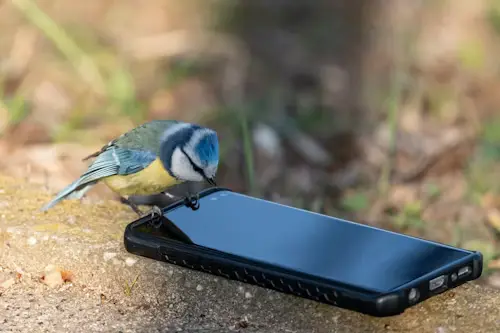
We are starting to see wearable trackers for birds, though these are mostly used for larger parrots or in bird flight research. These tiny backpacks can track a bird’s activity levels and heart rate. While the average pet owner might not need a GPS tracker for their parakeet, the data being collected is helping vets understand avian health better.
Speaking of vets, avian telemedicine services are a lifesaver. Not everyone lives near a certified avian vet. I have used video calls to show my vet a weird poop or a minor feather issue. It saves the bird the stress of a car ride and gives me an immediate answer. It is one of the best ways to use modern connectivity for pet health.
Setting Up Your Tech-Savvy Bird Room
You do not need to buy everything at once. Start small. A cheap camera and a smart temperature sensor are the best first steps. Once you see how much stress they remove, you will want to add more. I recommend checking your WiFi signal in your bird room before you buy five different smart devices. If the signal is weak, your sensors won’t be able to alert you when things go wrong.
Essential Tech Checklist
- WiFi Camera with night vision.
- Smart temperature and humidity sensor.
- Smart plugs for heaters and lights.
- Digital gram scale for weekly weigh-ins.
- A dedicated app for health records.
FAQ about Technology for Bird Care
What is the most useful technology for bird care?
I believe a WiFi-enabled camera is the most useful piece of Technology for Bird Care. It allows you to monitor behavior, ensure your bird is eating, and verify that the environment is safe while you are away from home. It is the best tool for early detection of illness.
Are automatic feeders safe for parrots?
Automatic feeders can be safe if they are used correctly. However, you should never rely on them 100%. They can jam, or the batteries can die. I use them as a backup or to supplement a fresh diet, but I still check the bowls manually every single day.
Do smart cages really help with bird health?
Smart cages that monitor temperature and humidity are very helpful, especially for tropical species that require specific climates. By keeping the environment stable, you reduce the stress on the bird’s immune system.
Is avian telemedicine as good as a regular vet visit?
Telemedicine is great for consultations and follow-ups, but it cannot replace a physical exam for serious issues. It is a fantastic tool for getting quick advice or determining if an emergency trip to the clinic is necessary.
The Human Element
Even with all this Technology for Bird Care, nothing replaces your eyes and ears. I love my sensors and my apps, but I still spend time every day just sitting with my birds. I watch how they move and listen to their sounds. Tech is a safety net, not a replacement for a relationship. Use the tools to handle the boring stuff, like monitoring the heat, so you can focus on the fun stuff, like training and playing with your feathered friends.
If you have not tried any smart devices yet, start with a simple temperature sensor. It is a small investment that could literally save your bird’s life during a heat wave or a freeze. Technology is finally catching up to the needs of bird owners, and I for one am thrilled to have the help.