Budgie’s Pregnancy: Proven Ways to Ensure Healthy Eggs

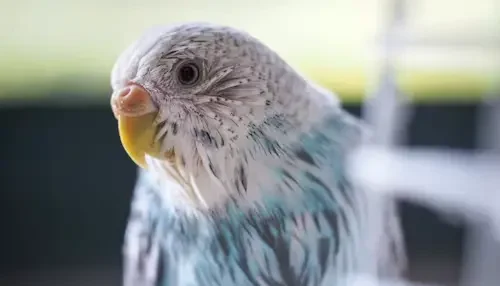
I remember the first time I noticed my budgie, Sky, looking a bit heavier than usual. She was sitting lower on her perch and her feathers were slightly puffed. My first thought was that she was sick. Then, I noticed her spending a lot of time in the corner of the cage, scratching at the tray. It hit me that I might be dealing with a Budgie’s Pregnancy. While we use the word pregnancy, birds actually become gravid, which means they are carrying eggs. It is a process that is both fascinating and a little bit nerve-wracking for any bird owner.
Table of Contents
What Does Budgie’s Pregnancy Actually Mean?
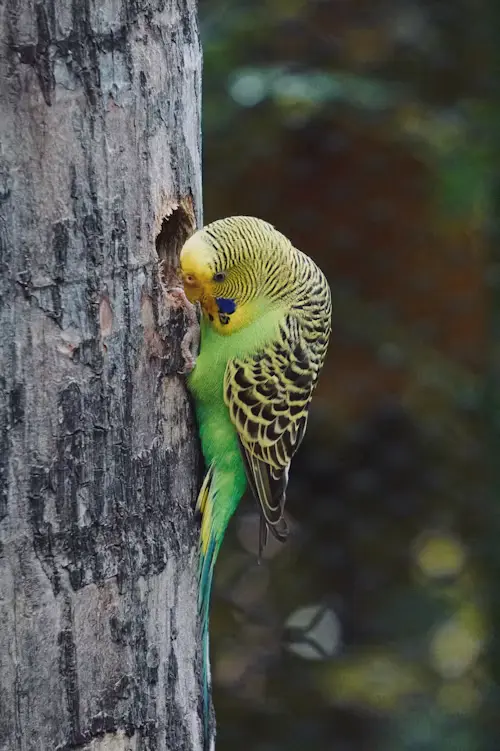
Birds are different from mammals. They do not carry a growing fetus in a uterus. Instead, their bodies produce eggs one at a time. When we talk about a Budgie’s Pregnancy, we are referring to the period when the female is developing an egg inside her body and getting ready to lay it. This process is intense. It takes a lot of energy and calcium from her tiny body. Understanding the biology helps you provide the right support.
A female budgie can lay eggs even if she does not have a mate. These eggs will be infertile, but the physical strain on her body is exactly the same. If she does have a partner, you need to ensure budgie breeding pairs compatibility is high to avoid fighting during this sensitive time. A bonded pair will work together, with the male often feeding the female while she stays in the nest.
How to Tell if Your Budgie is Gravid
The first step is knowing the signs budgie is gravid. You will see physical changes first. The most obvious sign is a swollen lower abdomen. It looks like a small, round lump just above the vent. This is the egg moving through the oviduct. You might also notice her vent looks larger and more dilated than usual.
Behavioral changes are just as important. A gravid budgie will often have much larger droppings. This happens because she is holding her waste longer while she stays in the nesting area. She might also start ‘nesting,’ which involves shredding paper or hanging out in dark corners. Her wings might droop slightly, and she may seem less interested in flying. She is focusing all her internal resources on that egg.
Physical Indicators Table
| Feature | Normal Appearance | Gravid Appearance |
|---|---|---|
| Abdomen | Flat or slightly rounded | Distinct, firm lump near the vent |
| Droppings | Small, frequent | Very large, less frequent, often smelly |
| Posture | Upright and alert | Slightly hunched, wings drooping |
| Activity Level | High, playful | Lethargic, focused on nesting |
The Budgie Egg Laying Timeline
Once the mating has occurred, the budgie egg laying timeline moves quite quickly. Usually, the first egg arrives about 8 to 12 days after successful mating. Budgies do not lay all their eggs at once. They typically lay one egg every two days. This gives the body time to replenish the calcium used to create the shell.
A typical budgie clutch size is between 4 and 6 eggs. If your bird lays more, it can be very taxing on her health. During this time, you should keep the environment stable. Any sudden stress can cause her to stop laying or, worse, lead to internal complications. The budgie incubation period days usually last about 18 to 21 days, starting from when she begins to sit on them consistently, which is often after the second or third egg is laid.
Creating the Right Environment: Nesting and Temperature
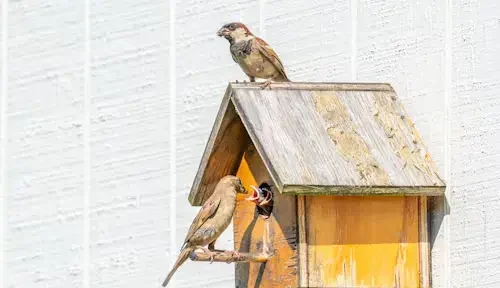
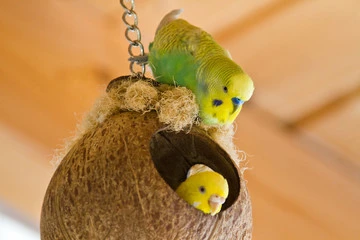
If you want her to be successful, you need to provide the right budgie nesting box tips. A wooden box attached to the outside of the cage is best. It should have a concave bottom to keep the eggs from rolling around. Do not put too much nesting material inside. A few wood shavings are enough. If you put too much, she might spend all her time throwing it out.
Temperature is also a factor. The budgie incubation temperature needs to be consistent. The mother’s body heat usually handles this, but the room itself should be draft-free and kept around 70-75 degrees Fahrenheit. If the room is too cold, she might struggle to keep the eggs warm enough for the embryos to develop. Humidity is also important. If the air is too dry, the eggshells can become too hard for the chicks to break through later on.
Nutrition During the Egg Laying Phase
Your budgie diet while laying eggs is the most important part of her care. She needs a massive amount of calcium. Without it, her body will pull calcium from her own bones to make the eggshells. This leads to a condition called splay leg in chicks or total collapse for the mother. A cuttlebone is a start, but it is not enough. You should provide mineral blocks and calcium supplements in her water.
Soft foods are also helpful. Boiled eggs (ironic, I know), mashed vegetables, and sprouted seeds provide the protein and vitamins she needs. Avoid a diet that is strictly seeds. Seeds are too fatty and lack the nutrients required for the intense physical labor of egg production. If she is well-fed, she is much less likely to face budgie fertility issues or health problems.
Watch Out for Egg-Binding
The biggest fear for any bird owner is egg-binding. This is when an egg gets stuck inside the female. It is a life-threatening emergency. You need to know the budgie egg-binding symptoms so you can act immediately. If she is sitting on the floor of the cage, panting, or straining visibly without an egg appearing, she needs a vet. Her abdomen might look very swollen and she may look exhausted.
Causes for this often include low calcium or lack of exercise. Sometimes, the first egg is just too large for her to pass. If you see her pumping her tail up and down or if she seems unable to use her legs properly, do not wait. A vet can often help her pass the egg with lubrication or calcium injections, but time is of the essence.
Incubation and the Arrival of Chicks
If everything goes well, the mother will spend most of her time in the box. The male will bring her food and guard the entrance. This is a beautiful display of teamwork. During the budgie incubation period days, try to limit how often you peek into the box. Too much interference can make the mother nervous, and she might break the eggs or abandon them.
When the chicks hatch, they are tiny, pink, and blind. They are completely dependent. While the parents usually do a great job, sometimes you might need to step in. Handfeeding budgie chicks is a huge commitment. You have to feed them every few hours with a special formula at a specific temperature. It is usually best to let the parents do it unless there is a clear problem, like the mother attacking the chicks or refusing to feed them.
Common Breeding Mistakes to Avoid

Many owners make budgie breeding mistakes to avoid by rushing the process. Never breed birds that are too young. A female should be at least one year old before she starts laying. If she is too young, her body is not fully developed, and the risk of egg-binding is much higher. Another mistake is breeding birds that are related, which leads to genetic deformities in the chicks.
Also, don’t let her lay too many clutches in a year. Two clutches is the limit. If she keeps laying, she will eventually run out of stored nutrients and her health will fail. You can stop the cycle by removing the nesting box and reducing the amount of light she gets each day. This mimics the change of seasons and tells her body it is time to rest.
Summary of Key Care Steps
- Provide a high-quality calcium supplement and varied soft foods.
- Keep the cage in a quiet, warm, and draft-free area.
- Monitor her behavior daily for signs of distress or egg-binding.
- Use a proper wooden nesting box with a concave floor.
- Ensure the male is supportive and not aggressive toward the female.
FAQ about Budgie’s Pregnancy
How can I tell if my budgie is pregnant or just fat?
A fat budgie will have a soft, fatty layer over its chest and abdomen that doesn’t usually result in a specific, hard lump near the vent. In a Budgie’s Pregnancy, the swelling is localized near the tail and the bird will exhibit nesting behaviors, like staying in dark corners or shredding material.
How long does a budgie stay ‘pregnant’?
The time from mating to the first egg is about 8 to 12 days. After that, she will lay an egg every other day until the clutch is finished. The total time she spends carrying eggs is relatively short, but the physical preparation starts weeks in advance.
Does my budgie need a mate to lay eggs?
No. A female budgie can lay eggs without a male. These eggs will never hatch because they are not fertilized. However, she still goes through the same physical process and needs the same high-calcium diet to stay safe.
What should I do if my budgie’s egg is broken?
If an egg breaks in the nest, remove the shells and any soiled nesting material immediately. Bacteria can grow quickly in a warm nest box, which could infect the other eggs or the mother. If the egg breaks inside the bird, this is a medical emergency and requires a vet.
Final Thoughts on Budgie Care
Watching a budgie go through the process of laying eggs is an incredible experience, but it comes with a lot of responsibility. It is more than just putting a box in a cage. You are responsible for her nutrition, her safety, and her stress levels. By paying attention to the signs and providing the right environment, you can help her through this intense time. Always keep your vet’s number handy and stay observant.
Your bird relies on you to notice when things are going well and when she needs a little extra help. If you treat her with care and give her the nutrients she needs, she will likely handle the process with the natural grace these little birds are known for. Good luck with your feathered family!