Cockatiel Behavior and Rituals: Best Signs of a Happy Bird

I remember the first time my cockatiel, Sunny, decided to do what I call the ‘demon hiss.’ I had just walked into the room wearing a new hat. He puffed up, flattened his crest, and let out a sound like a leaking steam pipe. I was terrified I’d broken our bond forever. But that is the thing about Cockatiel Behavior and Rituals; they have a very specific way of communicating that often looks like nonsense to us humans. If you want a happy bird, you have to learn their language.
Table of Contents
The Daily Grind: Normal Cockatiel Daily Behaviors
Cockatiels are creatures of habit. If you watch them long enough, you will see a pattern. They wake up, they scream at the sun, they eat, and then they get down to the serious business of being a bird. Understanding normal cockatiel daily behaviors is the first step to knowing when something is actually wrong.
The Morning Wake-Up Call
Most cockatiels start the day with a big stretch. They will pull one wing and one leg out to the side, then switch. It looks like bird yoga. After the stretch, expect a massive shake-off. A cloud of dander usually follows this. If you are allergic to dust, this is your warning. This ritual is how they reset their feathers after a night of sleep. If your bird isn’t doing this, they might be feeling lethargic.
Beak Grinding
This is my favorite sound in the world. When a cockatiel is getting ready for a nap or settling in for the night, they will slide their lower beak against the upper one. It makes a crunchy, grinding noise. To a new owner, it sounds like they are breaking something. In reality, it means they are incredibly content and relaxed. It is the bird version of a cat’s purr.
Preening and Power Dust
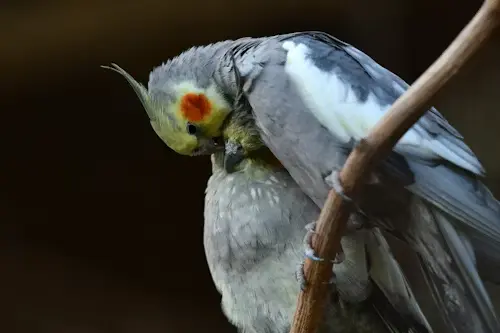
Cockatiels spend a huge part of their day preening. They have a preen gland at the base of their tail. They reach back, grab some oil, and spread it across their feathers. This keeps them waterproof and clean. You might notice they get ‘pin feathers’ on their head that they can’t reach.
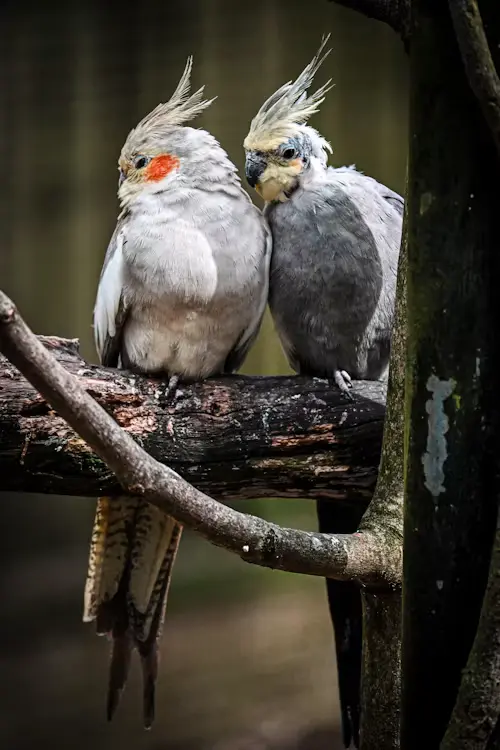
The Language of the Crest
The crest is the most honest part of a cockatiel. It is like a mood ring on top of their head. If you ignore the crest, you are going to get bitten.
| Crest Position | Meaning | What to Do |
|---|---|---|
| Straight Up | Curious or Alert | Let them investigate. |
| Halfway Up/Relaxed | Happy and Calm | Great time for scritches. |
| Flat Against Head | Angry or Very Scared | Back off immediately. |
| Extreme Forward Lean | High Excitement or Aggression | Watch for a strike. |
Decoding the Romance: Cockatiel Courtship Rituals
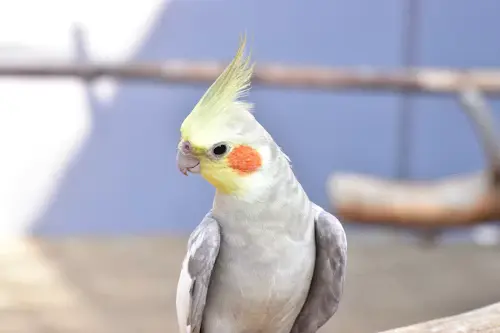
When spring hits, things get weird. Your sweet little bird might suddenly turn into a tiny, feathered Romeo. Both males and females have specific cockatiel courtship rituals that can be quite loud and dramatic.
The Male Serenade
Male cockatiels are the performers. They will whistle long, complex tunes, often repeating the same bars over and over. They also do the ‘heart wings’ pose. This is where they hold their wings slightly away from their body, creating a heart shape when viewed from behind. They will strut around, often tapping their beak against hard surfaces like a drum. This ‘beak knocking’ is a classic sign of a male trying to impress a mate.
The Female Invitation
Female rituals are quieter but very distinct. A female ready to mate will crouch low on a perch, flatten her back, and make tiny chirping or ‘peeping’ sounds. She might also lift her tail into the air. If you see this, it is best to discourage it by changing their environment, as chronic egg-laying can be dangerous for her health. You can find more about these physical signs in discussions about understanding cockatiel body language during hormonal seasons.
The Rhythm of Cockatiel Mating Dances
It is not just about the sounds; it is about the movement. Cockatiel mating dances involve a lot of rhythmic hopping. The male will hop from side to side or spin in circles while whistling. It looks like a little jig. He is trying to show off his health and vitality. If the female is interested, she will stay still and watch him intensely.
Head Bobbing: What Does It Mean?
Many owners ask about cockatiel head bobbing meaning. The truth is, it depends on the age and the context. For baby cockatiels, head bobbing is a ‘feed me’ signal. They do it rapidly when they see their parents (or you) with food. It is often accompanied by a loud, static-like begging sound.
In adult birds, head bobbing is usually a sign of excitement. They might do it when they see their favorite person, when they hear music they like, or when they are about to fly. It is a way of burning off excess energy. However, if the bobbing is slow and accompanied by a glassy-eyed look, they might be trying to regurgitate for you, which is a sign of deep (and sometimes misplaced) affection.
Bonding Rituals: How They Show Love
If your bird performs cockatiel bonding rituals with you, consider yourself part of the flock. One of the most common is allopreening. This is when your bird nibbles on your hair, eyebrows, or skin. They are trying to ‘clean’ you. It is a sign of high trust. Another bonding behavior is ‘the lean.’ If your bird sits on your shoulder and leans their whole weight against your cheek, they feel completely safe with you.
Common Behavioral Issues and How to Fix Them
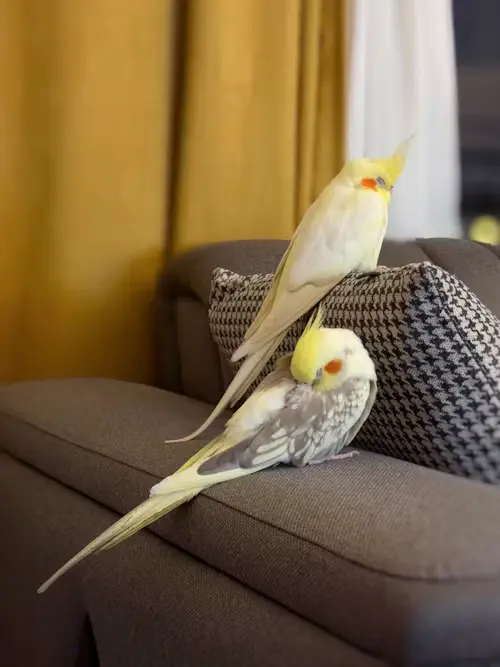
Not all Cockatiel Behavior and Rituals are cute. Sometimes they develop habits that can be frustrating or even painful for the owner.
- Night Frights: Cockatiels are prone to panicking in the dark. They will thrash around the cage, which can lead to broken blood feathers. Using a small nightlight often solves this.
- Screaming for Attention: If you leave the room and your bird screams, they are doing a ‘flock call.’ They want to know where you are. Instead of yelling back, use a specific whistle to let them know you are okay.
- Biting during Molting: When birds grow new feathers, they are itchy and sore. They might be more irritable. Give them extra space and lots of baths during this time.
The Role of Environment in Behavior
Your bird’s cage isn’t just a place to sleep; it is their territory. If the cage is too small or lacks toys, you will see ‘stereotypical behaviors.’ These are repetitive movements like pacing back and forth or swinging their head in a figure-eight. These aren’t natural rituals; they are signs of boredom and stress. Ensure your cockatiel has enough room to flap their wings and at least three or four different types of toys to shred and forage.
Hormones: The Seasonal Shift
Every year, usually in spring or fall, your bird’s hormones will surge. This changes their Cockatiel Behavior and Rituals significantly. You might notice your once-sweet bird becoming territorial over a certain corner of the cage or a specific toy. They might start ‘nesting’ by shredding paper and tucking it under their wings. To manage this, ensure they get 12 hours of total darkness at night and avoid petting them anywhere other than their head.
FAQ: Cockatiel Behavior and Rituals
Why is my cockatiel tapping its beak on everything?
Beak tapping is a male behavior used to claim territory or impress a mate. It is like them saying, ‘I am here, and I am strong!’ It is a completely normal part of their communication.
Why does my cockatiel hiss at me?
Hissing is a defensive ritual. It means they are scared or feel threatened. It is their way of telling you to back off before they have to bite. Check if you are wearing something new or if there is something scary in the room.
What does it mean when my bird stands on one leg?
This is a sign of a very relaxed and healthy bird. Birds have a special heat-exchange system in their legs. By tucking one leg up, they conserve body heat and rest more efficiently.
Why is my cockatiel shaking its head?
If they do a quick, side-to-side shake, they might just have some dust in their nose or be reacting to a sound they don’t like (like the click of a pen). If it is constant, check for ear or sinus issues.
Do cockatiels remember their owners?
Yes! Cockatiels are very social and can recognize their owners’ faces and voices. They often have specific rituals they only perform with their favorite human.
A Final Thought on Your Feathered Friend
Living with a cockatiel is like living with a tiny, colorful alien. Their rituals might seem strange, but every wing flick and chirp has a meaning. The more time you spend watching them, the more you will understand the nuances of Cockatiel Behavior and Rituals. It takes patience, but the bond you build when you finally ‘speak bird’ is worth every bit of effort. If your bird is doing something new or strange, take a second to look at their crest and their environment. Usually, they are telling you exactly what they need. Now, go spend some quality time with your bird and see if you can spot their favorite ritual today!