Training a Cockatiel: A Happy Complete Guide for Beginners

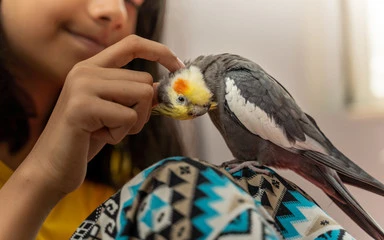
Owning a cockatiel is a joy like no other, but training a cockatiel takes that bond to the next level. These small, intelligent parrots can fill your home with whistles, chirps, and even the occasional word or phrase. But if you’re looking to truly bond with your feathered friend and ensure they’re a well-behaved companion, proper training is essential. Whether you’re wondering how to train your cockatiel to step up onto your finger, want to teach them cute tricks at home, or are interested in mastering the art of whistle training, this guide has got you covered.
While every bird has its own unique personality, cockatiels are generally known for their gentle nature and eagerness to please, making them one of the best beginner birds for training. With patience, consistency, and positive reinforcement, you’ll have your cockatiel following commands, stepping up, and whistling melodies in no time. In this article, we’ll take a deep dive into effective training techniques, common mistakes to avoid, and how to keep your cockatiel motivated and engaged throughout the process.
Table of Contents
Why Training Your Cockatiel Matters
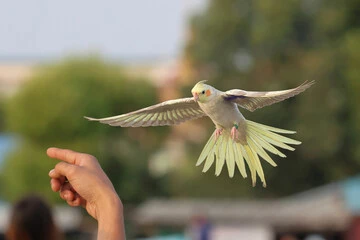
Training goes beyond just fun and games. A well-trained cockatiel is easier to handle, more socially confident, and less likely to develop behavioral problems like biting or excessive screaming. Training also stimulates their intelligent minds, reducing boredom, and strengthening the bond between you and your pet. If you’re curious about what to feed your cockatiel to keep them energetic and healthy during training, be sure to check out our dedicated guide on cockatiel nutrition.
Essential Tools and Treats for Training Success
The foundation of effective bird training rests on having the right tools and rewards. Your cockatiel’s favorite treat will be your most powerful motivator, so it’s worth experimenting with a variety of options. Millet spray, sunflower seeds, and small bits of fresh fruit are great choices. Keep these treats small and easy to consume so training sessions move smoothly.
Beyond treats, you may want to incorporate a clicker for precise marking of desired behaviors, a small perch for step-up training, and a consistent training schedule. Always ensure your training space is quiet, free of distractions, and safe.
Cockatiel Training Tips for Beginners
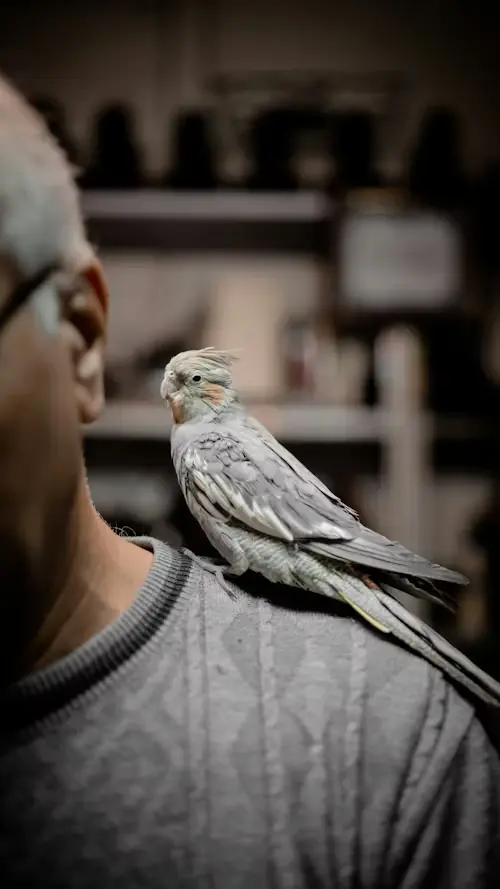
Before diving into specific commands and tricks, there are a few foundational principles that every cockatiel owner should understand:
- Patience is Key: Some cockatiels learn quickly, others take weeks. Celebrate small victories.
- Short Training Sessions: Limit sessions to 5–10 minutes to keep your bird focused.
- Positive Reinforcement Only: Always reward good behavior; never punish.
- Consistency Matters: Use the same cues and rewards every time for predictability.
- Respect Your Bird’s Limits: If your pet seems stressed or disinterested, end the session on a positive note and try again later.
How to Train Your Cockatiel to Step Up
One of the first and most important behaviors to teach is the “step up” command. This makes handling your bird safer and easier for both of you.
- Place your hand near the perch: Hold your hand steadily beside your cockatiel’s perch.
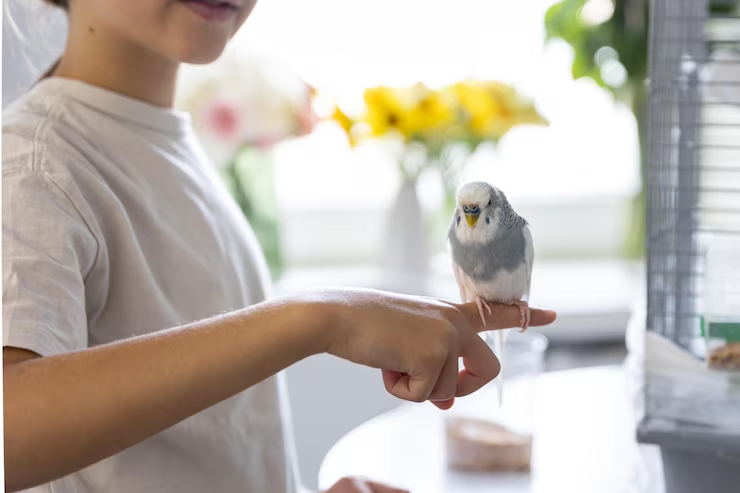
- Use a verbal cue: Gently say “step up” or “up” as you bring your fingers next to their lower breast.
- Nudge gently: Gently apply upward pressure to encourage them to step onto your finger. Never force your bird.
- Reward immediately: As soon as your cockatiel steps up, immediately praise and offer a treat.
- Repeat consistently: Practice daily in short sessions until your bird steps up willingly.
If your cockatiel shows reluctance, don’t push. Instead, target train using a chopstick or perch stick, guiding them onto your hand. For a detailed explanation and demonstration;
Positive Reinforcement for Cockatiels
Positive reinforcement is the backbone of all successful bird training. It involves rewarding desirable behaviors immediately so your cockatiel associates the action with a positive outcome. Here’s how to use it effectively:
- Timing is Crucial: Reward within seconds for maximum impact.
- Consistency is Key: Always reward the behavior you want to see more often.
- Gradual Fading: Once the behavior is learned, gradually reduce treats while keeping praise consistent.
Avoiding negative reinforcement or punishment is paramount, as these can erode trust and make your cockatiel fearful. Reward-based training builds confidence and strengthens your relationship.
Cockatiel Tricks at Home: Fun and Easy Ideas
Once your cockatiel is comfortable stepping up, you can introduce some simple yet impressive tricks:
- Turn Around (Spin):
- Hold a treat close to your bird’s beak, just out of reach.
- Move the treat in a circular motion above their head.
- When they follow and complete the spin, reward them immediately.
- Wave:
- Use your finger to gently lift one of their feet.
- Say “wave” as soon as they lift their foot.
- Reward instantly and repeat until they raise their foot on cue.
- Nod:
- Gently bob your finger up and down in front of them.
- When they mimic the motion, say “yes” and reward.
Training sessions should always be joyful—never force your cockatiel into a trick if they seem uninterested or stressed. To explore more ideas and view step-by-step tutorials;
Cockatiel Whistle Training Guide
Cockatiels are natural whistlers and can quickly learn a variety of tunes. Here’s how to get started:
- Choose Simple Tunes: Start with easy melodies, like a basic whistle or playful call.
- Gather Your Materials: You’ll need your bird’s attention, a quiet space, and consistency.
- Whistle Clearly: Whistle the tune yourself in a calm, cheerful tone multiple times.
- Reinforce Attempts: If your cockatiel attempts to copy you, even if imperfectly, reward them immediately.
- Practice Daily: Short, frequent sessions work best for building this skill.
Cockatiels often respond better to human whistles than recorded tunes. Your bird enjoys bonding with you, so your voice—or whistle—will motivate them more. With patience, you may even find your bird coming up with its own songs!
Easy Cockatiel Potty Training
Potty training might sound ambitious, but many cockatiel owners find it surprisingly doable. The key is to teach your bird to associate a specific spot or cue with elimination:
- Observe Patterns: Take note of when and where your bird typically goes.
- Choose a Command: Words like “poop” or “go potty” work well.
- Anticipate: When you see signs your cockatiel is about to eliminate, move them to a designated area.
- Reward Immediately: Offer praise and treats when they go in the correct spot.
- Be Consistent: Repetition is essential for potty training success.
Accidents will happen, especially in the beginning. Never scold your bird. Simply clean up and try again, keeping the process positive.
Training Young Cockatiel Basics
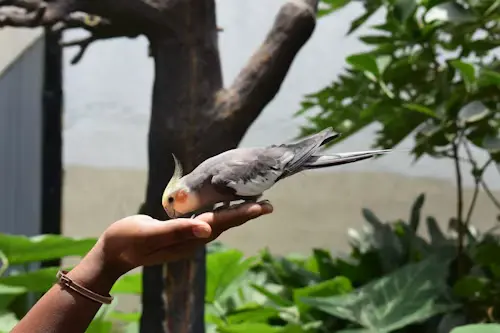
Young cockatiels, especially those under six months old, are at a prime age for learning new behaviors. At this stage, they’re more adaptable and less fearful, making training easier and more enjoyable.
Focus on building trust first. Spend time near their cage, speaking softly and offering treats through the bars. Only move to hands-on training when your bird seems comfortable. Start with socialization and simple tricks before tackling more complex behaviors.
If you’re raising a chick, keep handling times short and pair every interaction with positive reinforcement. This establishes a foundation for a lifetime of good behavior.
Common Cockatiel Behavior Training Mistakes to Avoid
Even with the best intentions, it’s easy to slip into habits that hinder progress. Here are some common training mistakes and how to avoid them:
- Expecting Too Much, Too Soon: Mastery takes time. Don’t rush your bird.
- Inconsistent Cues: Stick to consistent words, gestures, and rewards.
- Inappropriate Punishment: Never yell, scare, or isolate your bird for mistakes.
- Ignoring Body Language: If your cockatiel shows signs of stress, take a break.
- Overly Long Sessions: Keep training brief and fun.
Patience, persistence, and positivity will always win out over frustration or impatience.
Troubleshooting Your Training Progress
If your cockatiel isn’t responding as expected, try switching treats, adjusting session length, or changing up your approach. Some birds thrive on visual cues alone, while others respond better to verbal praise. The key is to remain flexible and keep sessions upbeat.
Tap into bird training communities for extra support. For example, see how other owners troubleshoot training in this detailed Reddit training thread.
Building a Lasting Bond Through Training
Training isn’t just about teaching commands—it’s a way to deepen your connection with your pet. Every time you reward your cockatiel for a job well done, you’re reinforcing the trust between you. Over time, this mutual respect will translate into a more harmonious and interactive relationship.
Wondering if your cockatiel’s vocalizations mean more than just noise? Learn about the secrets behind cockatiel singing and what those melodies can tell you about your bird’s mood and health in our article on cockatiel singing.
Conclusion
Training a cockatiel opens up a world of possibilities for fun, communication, and bonding. By focusing on positive reinforcement, using consistent cues, and approaching each session with patience and love, you’ll help your bird flourish. Remember, every cockatiel is unique—some may pick up new tricks quickly, while others take their time. Celebrate each step forward, and you’ll enjoy a journey filled with companionship and joy.
Are you ready to start your training adventure? Share your progress, questions, or favorite training tips in the comments, and don’t forget to check out additional resources on our blog to keep your cockatiel happy, healthy, and engaged!
FAQ – Training a Cockatiel
Q1: How long should I train my cockatiel each day?
A1: Keep sessions short and sweet—5 to 10 minutes is ideal to maintain your bird’s attention and interest.
Q2: What’s the best age to start training a cockatiel?
A2: Training can begin as early as 8–12 weeks old, as long as the bird is comfortable and confident. Older birds can still learn—just at their own pace.
Q3: My cockatiel bites during training. What should I do?
A3: Biting often signals fear or discomfort. Slow down, build trust with treats, and never punish. Consider reassessing your approach or reaching out to experienced trainers online.
Q4: Can cockatiels really learn to talk?
A4: Yes! While they’re famous for whistling, many cockatiels also mimic words or phrases. Routine and repetition are key, and not all will talk—some prefer to whistle.
Q5: How do I keep my cockatiel motivated to learn?
A5: Use high-value treats, keep sessions fun, and always end on a positive note. Birds that associate training with rewards and attention are more eager to participate.