Leaving Your Pet Bird Alone: Ultimate Happy Guide

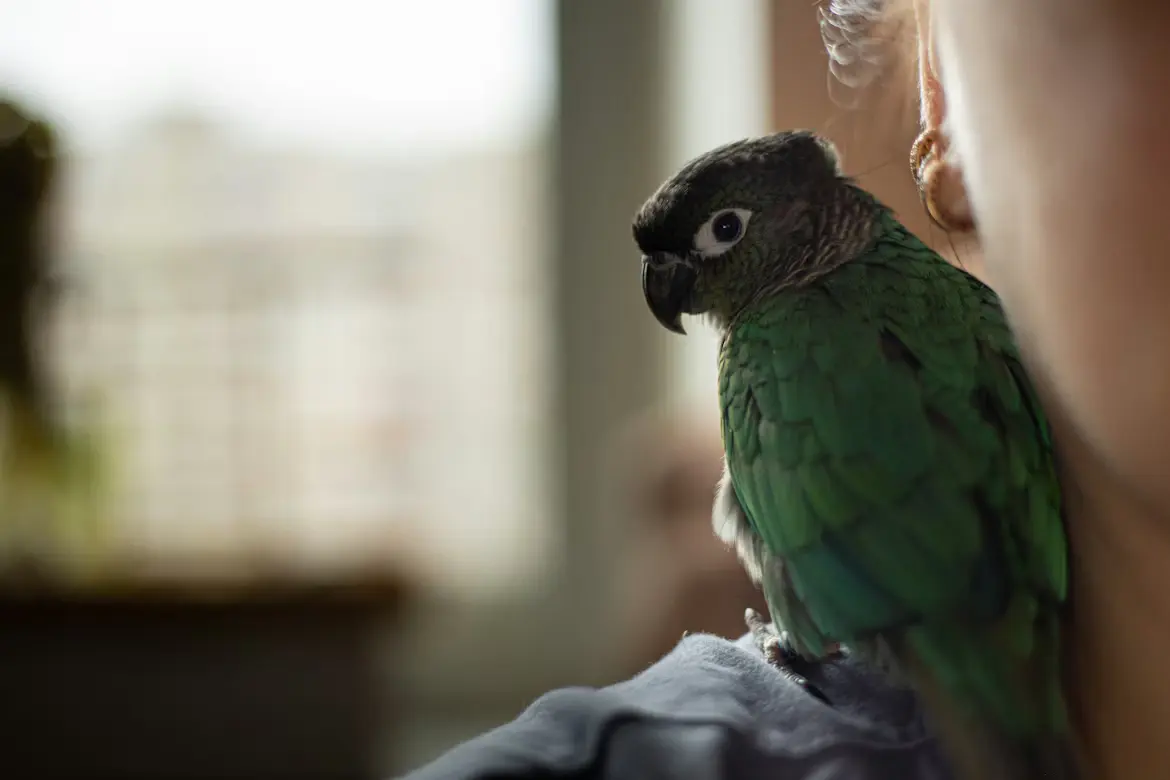
As a bird owner, you’ve likely found yourself wondering about leaving Your Pet Bird Alone. Whether it’s for work commitments, errands, or travel, understanding how to prepare your bird for solo time is crucial for their wellbeing.
Table of Contents
How Long Can Birds Be Left Alone?
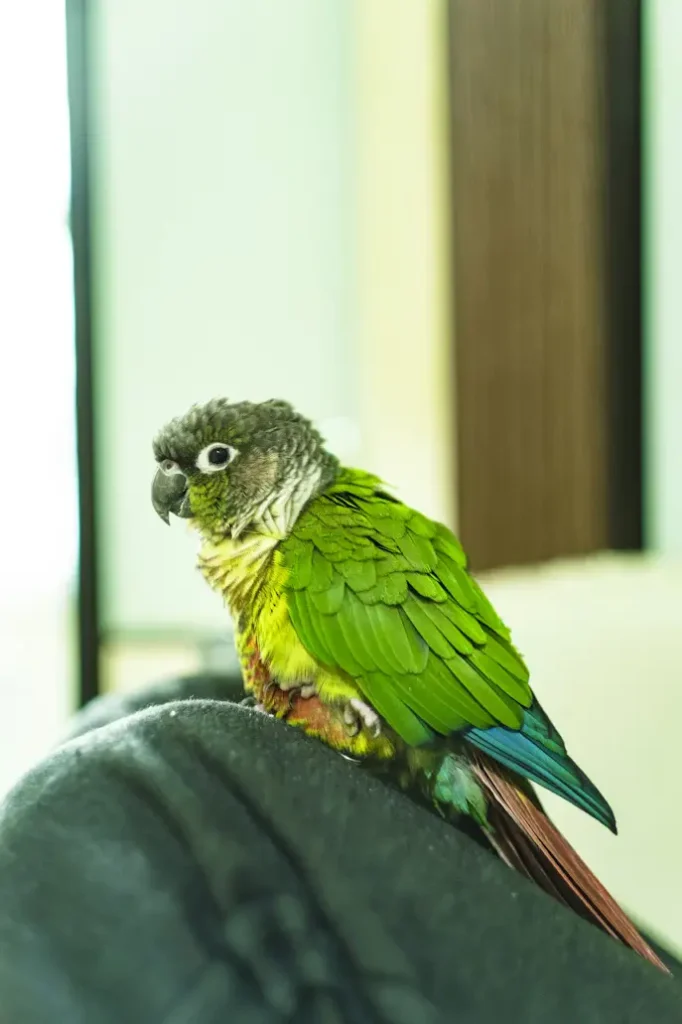
Different bird species have varying needs when it comes to alone time. While some birds can handle a few hours alone, others require constant companionship. Wild birds spend about 6-8 hours foraging daily, so domestic birds generally shouldn’t be left alone for extended periods.
A general rule of thumb is:
- Small birds (finches, canaries): Up to 4-6 hours
- Medium birds (cockatiels, conures): 6-8 hours
- Large parrots: 4-5 hours maximum
Preparing Your Bird for Solo Time
Before leaving Your Pet Bird Alone, preparation is key. Here’s how to get your feathered friend ready:
Physical Environment Setup
- Provide multiple perches of varying diameters
- Ensure adequate toys for mental stimulation
- Check all cage doors and locks are secure
- Set up proper lighting according to their natural cycle
Social Preparation
- Gradually increase alone time
- Leave familiar items in the cage
- Provide background noise like gentle music
- Create a consistent routine
Essential Supplies for Solo Time
Automatic Feeders
Consider investing in automatic feeder systems that dispense food at regular intervals. This gives you peace of mind that your bird won’t go hungry while you’re away.
Water Solutions
Multiple water sources are crucial. Place several water dishes around the cage and consider a bird-friendly water bottle as a backup system.
Recognizing Signs of Bird Anxiety
Your bird may show distress when left alone through various behaviors:
- Excessive screaming
- Feather plucking
- Loss of appetite
- Pacing or repetitive movements
- Aggression when you return
Special Considerations for Different Bird Species
Cockatiels
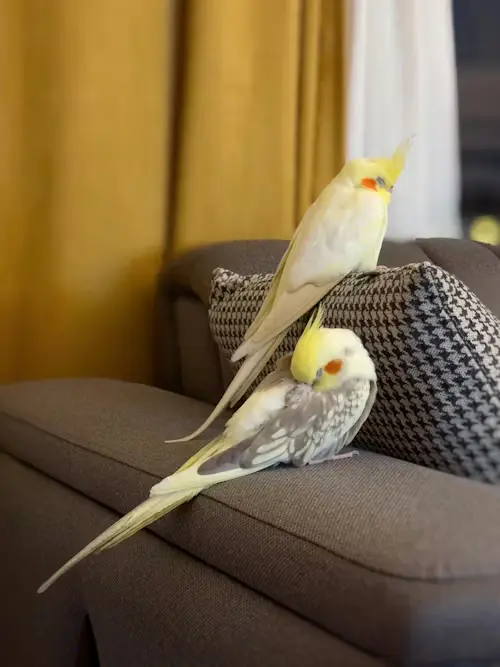
These social birds can typically be left alone for work hours if properly prepared. However, they shouldn’t be left alone overnight without monitoring.
Parrots
Large parrots require significant social interaction. Most experts recommend not leaving adult parrots alone for more than 4-5 hours regularly.
Safety Measures and Precautions
Temperature Control
Maintain comfortable temperatures between 65-80°F. Extreme temperatures can be dangerous for birds left alone.
Hazard Prevention
- Remove any toxic plants
- Ensure no standing water outside the cage
- Check for potential escape routes
- Secure any loose items
Technology Solutions for Bird Care
Modern technology can help you care for your bird while you’re away:
- Remote monitoring cameras
- Automated food dispensers
- Digital humidity and temperature monitors
- Smart lighting systems
FAQ about ‘Leaving Your Pet Bird Alone’
Can pet birds stay alone overnight?
Most pet birds can handle one night alone if properly prepared. Ensure fresh food, water, and safe environment before leaving.
How long can a parrot be left alone?
Adult parrots shouldn’t be left alone longer than 4-5 hours regularly. Young birds need more frequent interaction.
Is it safe to leave my bird alone while at work?
Birds can typically handle a standard workday (8 hours) if their needs are met and they have proper environmental enrichment.
What are signs of bird alone anxiety?
Watch for excessive vocalization, appetite changes, feather destructive behavior, or unusual aggression.
Conclusion
Leaving Your Pet Bird Alone requires careful planning and preparation. By understanding your bird’s specific needs, providing proper environmental enrichment, and using available technology, you can ensure your feathered friend remains safe and content during solo time.
Remember that birds are social creatures who need regular interaction. If you must leave your bird alone frequently or for extended periods, consider:
- Getting a second bird for companionship
- Arranging for a pet sitter or bird sitter
- Setting up frequent check-ins from friends or neighbors
- Investing in quality monitoring equipment
If you notice concerning behaviors or signs of distress, consult an avian veterinarian. Your bird’s comfort and safety should always be the top priority when planning periods of alone time.