I Am Baby Bird Where Is Mama: Ultimate Rescue Guide

When you hear the plaintive call “I am baby bird where is mama,” your heart immediately goes out to that tiny, vulnerable creature. Every spring and summer, countless baby birds face separation from their parents, whether through accidents, storms, or human interference. This comprehensive guide will help you understand what to do when you encounter a baby bird crying for its mother, how to identify if a bird truly needs help, and the proper steps for ensuring its survival.
Baby birds experience the world with wide eyes and tiny wings, completely dependent on their parents for food, warmth, and protection. The distress call “I am baby bird where is mama” represents one of nature’s most heart-wrenching sounds – that desperate begging that signals hunger, fear, or abandonment. Understanding this behavior is crucial for anyone who spends time outdoors or maintains bird-friendly environments around their home.
Before rushing to rescue every baby bird you find, it’s essential to understand that not all baby birds need human intervention. Many species leave the nest before they can fly well, spending several days on the ground while their parents continue to feed them. This natural process, called fledging, is critical for a bird’s development and survival skills.
Table of Contents
Understanding Baby Bird Behavior and Distress Calls
Baby birds communicate their needs through specific vocalizations and behaviors that serve as nature’s distress signals. The classic “I am baby bird where is mama” scenario involves several distinct patterns that experienced wildlife rehabilitators recognize immediately.
Fledglings often stand upright, open their mouths wide, and produce loud, repetitive chirping sounds. These begging calls are designed to attract parental attention from a distance. The intensity and frequency increase when the baby bird feels threatened or particularly hungry. You might notice the bird’s throat vibrating visibly as it emits these calls.
Nestlings, which are younger birds that haven’t yet developed feathers, display different behaviors. They may tremble, appear weak, and make softer but more desperate peeping sounds. Their “I am baby bird where is mama” calls are often accompanied by wing fluttering and gaping mouths in what’s called food-begging behavior.
Differentiating Between Fledglings and Nestlings
Understanding whether you’re dealing with a fledgling or nestling is crucial for determining the appropriate response. This distinction directly relates to whether the “I am baby bird where is mama” situation truly requires intervention.
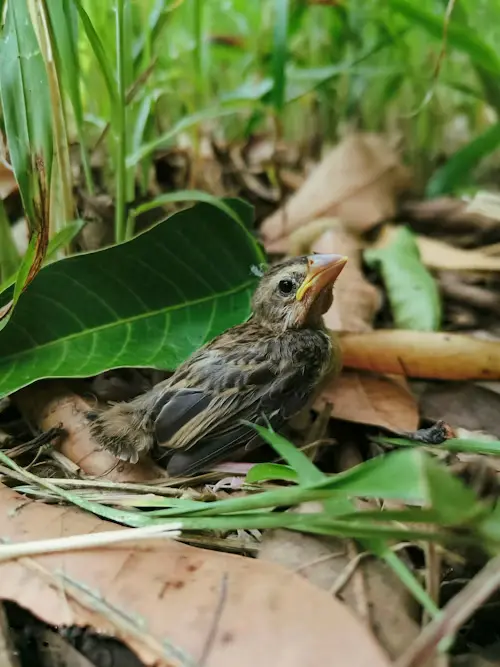
Fledglings have most of their feathers, can hop or flutter short distances, but cannot fly well yet. They typically jump from the nest before they’re fully flight-capable, a normal development stage that helps them build strength and coordination. Parents continue feeding fledglings for several days while they develop their flying skills.
Nestlings are much younger, often appearing as “naked” or partially feathered. They cannot stand or hop effectively and spend all their time in the nest. When nestlings are found outside the nest calling “I am baby bird where is mama,” this usually indicates they’ve fallen or been pushed out prematurely.
Visual Identification Guide
- Fledglings: Mostly feathered, tail may be stubby, able to grip with feet, can hop
- Nestlings: Few or no feathers, skin visible, cannot grip properly, limited movement
- Both: Wide-open mouths, obvious begging behavior when approached
Orphaned Baby Bird Care: Essential Steps
When you encounter a situation where the answer to “I am baby bird where is mama” seems to be “nowhere,” immediate action becomes necessary. Orphaned baby birds require specialized care that differs significantly from what most people expect.
The first step is creating a temporary, safe environment. Use a small box lined with soft tissues or paper towels – never fabric with loose threads that could entangle tiny feet. Maintain warmth using a heating pad set on low, placed under half the container so the bird can move away if too warm.
Feeding orphaned baby birds requires tremendous care and knowledge. Different species have vastly different nutritional needs. While it might be tempting to offer bread or milk when hearing “I am baby bird where is mama,” these foods are actually harmful. Seed-eating birds need different formulas than insect-eaters or fruit-eaters.
Specialized Feeding Techniques
Baby birds eat frequently – often every 15-30 minutes during daylight hours. Their high metabolism and rapid growth require constant nutrition. Using a small syringe or forceps, carefully place tiny amounts of appropriate formula at the back of the bird’s throat.
Watch for the feeding response: open mouth, upstretched neck, and vigorous swallowing. Never force-feed a baby bird that isn’t showing this response, as aspiration can be fatal. The “I am baby bird where is mama” calls should become less frantic after successful feeding sessions.
Common Feeding Mistakes to Avoid
- Never give water directly – baby birds get moisture from their food
- Avoid human baby foods, which lack proper nutrition
- Don’t force open closed beaks – wait for natural feeding response
- Never feed worms to baby songbirds – they need insect protein
Signs of Lost Bird Parents: When to Intervene
Understanding when intervention is truly necessary can mean the difference between helping and unintentionally harming wildlife. The internet meme about searching “I am baby bird where is mama” has raised awareness, but it’s also led to unnecessary bird-nappings.
Watch for these signs that parents are truly absent: no adult birds approaching the area for several hours, dead parents nearby, or obvious predator attacks. Remember that both parents typically feed baby birds, so the absence of both is more concerning than one missing parent.
Sometimes parent birds are temporarily absent while gathering food or avoiding predators. During this time, baby birds continue their “I am baby bird where is mama” calls, which can worry well-meaning humans. Observe from a distance for at least two hours before assuming abandonment.
Parental Return Times Vary by Species
Different bird species have different feeding schedules. Robins might feed their young every 10-20 minutes during daylight, while doves may only visit 3-4 times per day. Understanding these patterns helps prevent unnecessary rescues based on normal parental behavior.
Late afternoon often sees reduced parental activity as birds prepare to roost. A baby bird calling “I am baby bird where is mama” during this period might simply be experiencing normal daily rhythms rather than abandonment.
Warning Signs Requiring Immediate Action
- Injured birds (visible wounds, broken wings, blood)
- Birds in dangerous locations (roads, near predators)
- Severely underweight or dehydrated appearance
- Exposure to extreme weather without parental protection
Baby Bird Begging Calls: What They Really Mean
The distinctive “I am baby bird where is mama” calls serve multiple purposes in bird communication. These vocalizations aren’t just random noise but sophisticated signals that convey specific information to parents and other birds.
Begging calls vary in frequency, amplitude, and timing based on the bird’s needs. A soft, rhythmic peep might indicate contentment and gentle hunger, while loud, frantic chirping signals urgent need or distress. The pattern and intensity help parents prioritize feeding among multiple offspring.
Research shows that baby birds can adjust their begging calls based on their siblings’ vocalizations, creating a complex communication system that helps parents efficiently distribute food. Understanding these variations helps wildlife rehabilitators and bird enthusiasts better interpret what different cries mean.
Scientific Understanding of Begging Behavior
Studies have documented that baby bird begging calls contain honest signals about their physical condition. Hungrier, weaker babies typically produce louder, more persistent calls than well-fed siblings. This natural selection process ensures that the neediest offspring receive priority attention.
The “I am baby bird where is mama” calls also serve as location signals, helping parents find their young even in dense vegetation or when visual contact is lost. The calls are species-specific in timing and pattern, preventing confusion between different bird families in the same area.
Begging Call Variations by Age
- New hatchlings: Soft peeping, rhythmic and regular
- Feathered nestlings: Louder, more insistent calls with frequency changes
- Fledglings: Complex calls combining begging with location signals
- Fully independent juveniles: Reduced begging, more exploratory vocalizations
Reuniting Fledglings with Parents: Best Practices
Successfully reuniting a fledgling with its parents when you hear “I am baby bird where is mama” calls requires patience and understanding of bird behavior. Many well-intentioned rescues separate healthy fledglings from their parents, significantly reducing their survival chances.
The first step is determining if the bird is truly orphaned. Observe from a hidden location for at least two hours. Often, you’ll see parents returning with food while the baby continues its begging calls. This natural interaction indicates the fledgling is developing normally.
If the fledgling appears healthy but is in immediate danger (from cats, cars, or foot traffic), you can help by moving it to nearby shelter. Place it on a low branch or in dense shrubbery within 30 feet of where you found it. Parents use specific locations and movement patterns, so keeping the bird close to its original position increases reunion chances.
Creating Safe Relocation Areas
When moving a fledgling, choose locations that provide natural cover and perching opportunities. Dense shrubs, low tree branches, or brush piles work well. The goal is creating a temporary safe zone while maintaining proximity to the parents’ known territory.
Watch for natural food sources nearby – insects, berries, or seeds that parents use to feed their young. A location near these resources increases the likelihood that parents will continue their care routine despite the minor relocation.
Monitoring Reunification Success
- Watch from a distance using binoculars
- Listen for adult alarm calls or feeding calls
- Observe fledgling behavior – energetic birds attract parents
- Give minimum 2-4 hours before considering intervention
Abandoned Nestling Help: Emergency Protocol
When you’re certain you’ve found an abandoned nestling – that tiny, featherless creature desperately calling “I am baby bird where is mama” – immediate and informed action becomes essential. Nestlings have very specific needs and limited survival time without parental care.
The first priority is warming the baby bird. Use a heating pad on low, a warm water bottle wrapped in cloth, or your own body heat if nothing else is available. Nestlings cannot regulate their body temperature effectively and will quickly weaken from cold exposure.
Once warmed, attempt to return the nestling to its original nest if visible and accessible. Parent birds do not abandon offspring that have been touched by humans – this is a persistent myth. Birds have poorly developed sense of smell but strong parental instincts.
Creating Emergency Nest Substitutes
If the original nest is destroyed or unreachable, create a substitute using a small container with drainage holes. Line it with dry grass, pine needles, or paper towels. Place this substitute as close as possible to the original location, preferably in a sheltered spot protected from sun, rain, and predators.
Monitor from a distance to see if parents locate the new nest. Many birds will adapt to artificial nest sites when their original is compromised, especially during breeding season when they’re highly motivated to care for their young.
Professional Help Guidelines
- Contact wildlife rehabilitators for species requiring specialized care
- Most states require permits for keeping native wild birds
- Many bird species need species-specific formulas and techniques
- Professional help significantly increases survival rates
Common Misconceptions About Baby Birds
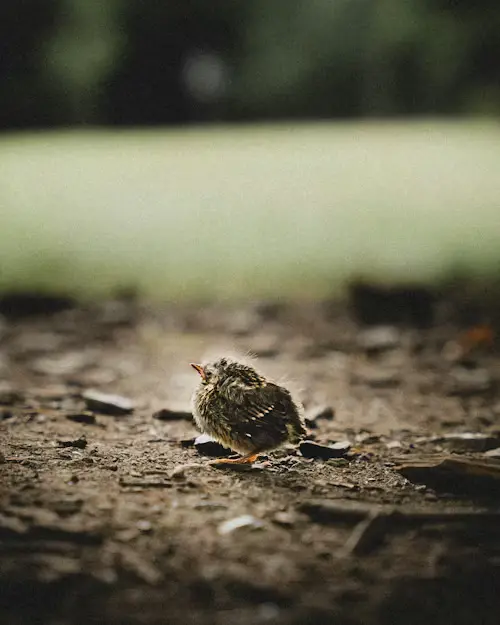
The “I am baby bird where is mama” scenario has spawned numerous myths that actually harm bird populations. Understanding the truth behind these misconceptions helps you make better decisions when encountering baby birds.
Perhaps the most damaging myth is that parent birds will reject babies that have been touched by humans. This misconception has led to countless unnecessary bird deaths as people refuse to return fallen babies to nests or move healthy fledglings unnecessarily.
Another harmful belief is that all baby birds found alone need rescuing. As we’ve established, fledglings naturally spend time on the ground while developing flight skills. Removing these birds from their natural learning environment often dooms them to an unnatural, captive life.
Debunking Harmful Practices
Feeding inappropriate foods ranks among the most common and dangerous mistakes. Bread, milk, or human baby foods can cause malnutrition, digestive problems, or death. Different bird species require specific nutritional profiles during their development stages.
Keeping baby birds in captivity without proper permits is not only illegal but often cruel. Birds have complex social and developmental needs that most people cannot meet. The goal should always be returning birds to the wild when appropriate, not creating pets.
Facts vs. Fiction
- Fact: Parent birds have strong instincts and rarely abandon young
- Myth: Human scent causes abandonment
- Fact: Fledglings need ground time to develop properly
- Myth: All grounded baby birds are orphaned
When Professional Help is Necessary
While many “I am baby bird where is mama” situations can be resolved through informed observation and minor intervention, some circumstances require professional wildlife rehabilitation services. Understanding when to seek expert help is crucial for the baby bird’s survival.
Injured birds always need professional care. Signs of injury include bleeding, broken wings held at odd angles, inability to stand or grip properly, or visible wounds. These birds require specialized medical attention beyond what most people can provide.
Certain species, particularly raptors, water birds, and some songbirds, require specialized knowledge and permits to care for properly. If you’re unsure about a bird’s species or needs, err on the side of contacting professionals.
Finding Qualified Wildlife Rehabilitators
Your local wildlife agency, veterinary clinic, or humane society can provide contact information for licensed wildlife rehabilitators. Many states maintain directories of certified professionals who have the training and permits necessary for proper bird care.
When transporting a bird to a rehabilitator, use a secure, ventilated container with soft lining. Keep the bird warm and quiet during transport. Avoid excessive handling, loud noises, or stress-inducing situations.
Emergency Contact Information
- Local wildlife rehabilitation centers
- State wildlife agencies
- Veterinarians specializing in avian care
- Audubon Society local chapters
Creating Bird-Friendly Environments to Prevent Future Issues
Prevention is always better than rescue when it comes to helping baby birds. Creating bird-friendly environments around your home and community can significantly reduce the number of “I am baby bird where is mama” situations that require intervention.
Start by keeping cats indoors, especially during nesting season. Domestic cats are responsible for billions of bird deaths annually, including many baby birds. If you must let cats outside, use catios or supervised outdoor time with bells on collars.
Maintain natural habitat in your yard by preserving dead trees when safe, allowing some areas to grow wild, and avoiding pesticides. These practices create natural nesting sites and food sources while protecting vulnerable young birds.
Safer Pest Control Methods
Many baby birds die from pesticide exposure or from eating insects that have been poisoned. Use natural pest control methods like companion planting, beneficial insects, and manual removal when possible. If chemical control is necessary, choose products with lower toxicity to birds.
Consider the timing of any pesticide application. Late evening or early morning reduces exposure to active birds, and avoiding application during nesting season protects vulnerable young.
Simple Habitat Improvements
- Install birdhouses suitable for local species
- Provide clean water sources for drinking and bathing
- Plant native species that provide natural food
- Reduce window collisions with decals or screens
FAQs About ‘I Am Baby Bird Where Is Mama’
What should I do when I hear “I am baby bird where is mama” calls?
First, observe from a distance for at least two hours to see if parents return. If the bird is in immediate danger, move it to nearby shelter while staying within its parents’ territory. Only intervene if the bird is injured, clearly abandoned, or in life-threatening danger.
How can I tell if a baby bird is actually orphaned?
Look for signs of parental activity, including adult birds carrying food to the area, alarm calls from nearby birds, or droppings around the fledgling (indicating recent feeding). A healthy fledgling will actively beg when it hears adult calls, even if parents aren’t immediately visible.
What do I feed a baby bird that’s crying for its mother?
Different species require different diets. Seed-eaters need soft cat food mixed with hard-boiled egg, while insect-eaters need mealworms or crickets. Never give water directly, bread, milk, or human baby food. Contact a wildlife rehabilitator for proper formula and feeding instructions.
How long can a baby bird survive without its parents?
Newly hatched nestlings can only survive a few hours without food and warmth. Feathered nestlings might last 12-24 hours. Fledglings can sometimes find some food independently but still require parental feeding. Timelines vary significantly by species and environmental conditions.
Will touching a baby bird make parents abandon it?
No, this is a myth. Birds have a poor sense of smell but strong parental instincts. Returning a baby bird to its nest or moving a fledgling to safety will not cause abandonment. Parents are highly motivated to care for their young during the breeding season.
Conclusion: Empowering Responsible Bird Rescue
The plaintive cry “I am baby bird where is mama” touches something deep in our human empathy, compelling us to help vulnerable creatures. However, true help requires knowledge, patience, and sometimes restraint. By understanding normal bird behavior, recognizing genuine distress signals, and knowing when intervention is appropriate, you can make the best decisions for baby birds in need.
Remember that the most successful interventions often involve minimal human interference. Many baby birds that appear abandoned are actually going through normal developmental stages that require no rescue at all. Your role might be simply providing temporary safety while parents continue their natural care routines.
When professional help is needed, don’t hesitate to contact wildlife rehabilitators. These trained experts have the permits, knowledge, and resources to give baby birds the best chance at survival and return to the wild. Your careful observation and appropriate action can make the difference between life and death for these vulnerable creatures.
For a fascinating scientific perspective on bird behavior, check out this Cornell Lab of Ornithology resource on bird identification and behavior.