Bird Products To Avoid: Ultimate Best Safety Guide

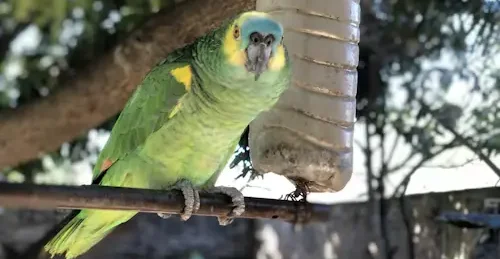
When it comes to caring for your beloved pet bird, knowing which products to avoid is just as important as selecting the right ones. Many seemingly harmless items can pose serious health risks to our feathered companions. This comprehensive guide will walk you through the most dangerous bird products to avoid, helping you create a safer environment for your avian friend.
Table of Contents
Understanding the Risks: Why Product Safety Matters
Before diving into specific products, it’s crucial to understand that birds have extremely sensitive respiratory systems and unique physiological needs. Their bodies process toxins differently than mammals, and what might seem harmless to us can be deadly to them. Air quality, material composition, and potential choking hazards all play vital roles in determining product safety.
Dangerous Bird Toys to Avoid
One of the most common hazards in a bird’s environment comes from toys. While play is essential for your bird’s mental and physical wellbeing, certain toys can pose serious risks.
Toxic bird toys to avoid include those with:
- Lead-based paints
- Zinc coatings
- Formaldehyde-treated wood
- PVC materials
- Treated leather
- Metal chains with toxic metals
Avoid bells with clappers that could be removed and swallowed. Instead, opt for stainless steel alternatives specifically designed for birds. Always check that parts cannot be easily detached or broken off, as these could become choking hazards.
Unsafe Cage Products for Parrots

Your bird’s cage should be a safe haven, but certain cage features can pose threats. Metal toxicity is a significant concern, particularly with cages made from painted or coated metals that may contain lead, zinc, or other harmful substances.
Pay special attention to:
- Cage bars with chipping paint
- Cage doors with mechanisms that could trap your bird
- Wobbly perches that could cause falls
- Bars spaced too far apart for smaller birds
Cheap wood cages and those made from pressed wood products should also be avoided, as they can contain harmful chemicals and adhesives.
Bird Food Brands to Skip
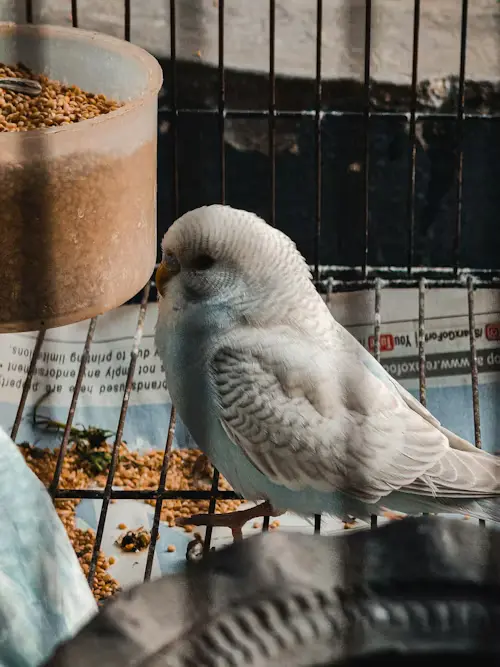
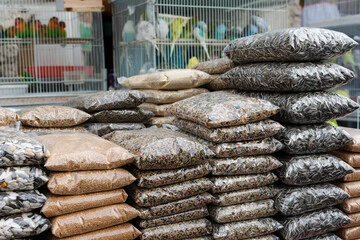
Not all bird food is created equal, and some popular brands contain ingredients that could harm your feathered friend. When selecting bird food, avoid products with:
Artificial colors and preservatives
- Ethoxyquin
- BHA (butylated hydroxyanisole)
- BHT (butylated hydroxytoluene)
Cheap filler ingredients like:
- Wheat middlings
- Soy flour
- Artificial sweeteners
- Excessive sunflower seeds
Look for brands that use natural preservatives and whole-food ingredients. Remember that a varied diet is essential for your bird’s health, so don’t rely solely on commercial mixes.
Cheap Perches Harmful to Birds
Perches might seem like simple accessories, but choosing the wrong type can lead to serious health issues. Avoid:
Dowel perches, which can cause foot problems due to lack of variety
- Sandpaper-covered perches that can damage bird feet
- Plastic perches that don’t provide adequate grip
- Chemically treated wooden perches
Instead, opt for natural wood branches of varying diameters and textures to promote foot health and prevent pressure sores.
Pet Bird Supplements to Avoid
While supplements can be beneficial, some products marketed for birds can do more harm than good. Avoid supplements containing:
- Excessive vitamin D3
- Artificial colors
- Synthetic preservatives
- Unnecessary fillers
Always consult with an avian veterinarian before adding any supplements to your bird’s diet, as over-supplementation can be just as dangerous as deficiency.
Dangerous Bird Grooming Products
Grooming products often contain ingredients that can harm birds through their sensitive respiratory systems. Avoid:
Aerosol products near birds
- Strong chemical disinfectant sprays
- Scented products
- Pumice-based grooming products
- Chemical wing feather treatments
Instead, use plain water for bathing and bird-safe cleaning products specifically designed for avian environments.
Plastic Toys Bad for Cockatiels and Other Birds
Plastic toys present several risks for birds, especially cockatiels. Small pieces can break off and be swallowed, leading to intestinal blockages. Additionally, many plastic toys contain harmful chemicals like BPA and phthalates.
If you do use plastic toys, ensure they are:
- BPA-free
- Phthalate-free
- Large enough to prevent swallowing
- Made from rigid, durable materials
Teflon Dangers for Pet Birds
Perhaps the most serious danger in many homes is Teflon (PTFE) cookware and appliances. When heated, Teflon releases toxic fumes that are deadly to birds. This includes:
- Non-stick cookware
- Some space heaters
- Some hair dryers
- Some irons
- Self-cleaning ovens
Always replace Teflon products with safer alternatives and ensure proper ventilation when cooking.
Creating a Safe Environment
While avoiding dangerous products is crucial, it’s equally important to create a safe environment for your bird. This means:
- Reading all product labels carefully
- Researching products before purchase
- Consulting with avian veterinarians about product safety
- Regularly inspecting toys and equipment for wear and damage
- Replacing questionable items immediately
FAQs about ‘Bird Products to Avoid’
Q: How can I tell if a toy is safe for my bird?
A: Look for toys made from natural materials, check for loose parts, and ensure there are no toxic materials or small pieces that could be swallowed.
Q: Are all “bird-safe” labeled products actually safe?
A: Not necessarily. Always do your own research and read ingredient lists carefully, as “bird-safe” isn’t a standardized label.
Q: How often should I replace my bird’s toys?
A: Inspect toys daily and replace them at the first sign of wear or damage. Rotate toys regularly to keep your bird engaged and prevent overuse of any single item.
Conclusion
Protecting your bird from harmful products requires vigilance and education. By being aware of the potential dangers and making informed choices, you can create a safer environment for your feathered friend. Remember that when in doubt, it’s always best to err on the side of caution and consult with avian experts before introducing new products into your bird’s environment.
Start implementing these safety measures today by checking your current bird products and removing any potential hazards. Your bird’s health and safety depend on it!