Canary Pregnancy: How to Ensure Healthy Eggs

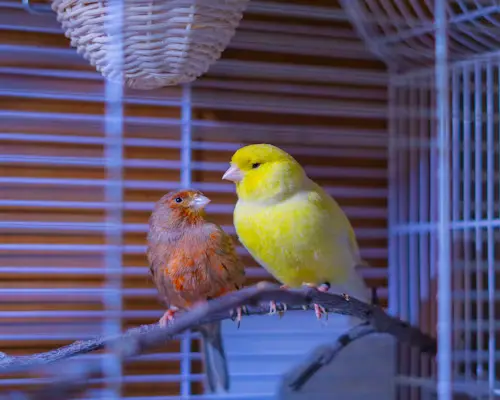
If you have ever looked at your little yellow bird and wondered why she is suddenly tearing up the newspaper in the bottom of her cage or looking a bit more ’round’ than usual, you are likely dealing with a Canary Pregnancy. Now, scientists might get technical and tell you that birds do not technically get pregnant because they do not carry live young in a womb. Instead, they carry eggs. But for those of us who love them, the term ‘pregnancy’ fits the emotional and physical weight of the situation perfectly.
It is a time filled with anticipation and a bit of nerves. You want everything to go right. I remember the first time my hen, Sunny, started showing these signs. I was worried she was sick until I saw her trying to weave a piece of loose thread into her food dish. That was my wake-up call. Whether you are a seasoned breeder or a surprised pet owner, understanding the canary egg laying process is your first step to being a great bird parent.
Table of Contents
The Truth About Canary Pregnancy
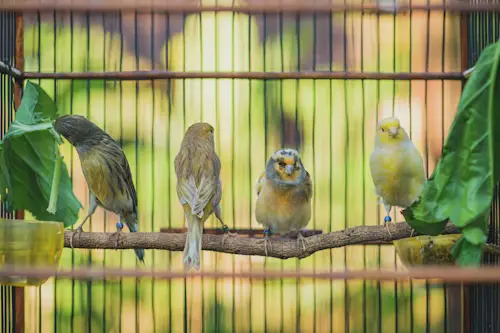
Canaries are seasonal creatures. Their bodies respond to the length of the day. When the sun stays out longer in the spring, their hormones kick into high gear. This is when the magic—and the work—begins. A hen can lay eggs even if there is no male bird around. Think of it like a chicken; the eggs just won’t be fertile. However, the physical toll on her body is exactly the same.
The process of forming an egg takes a lot of energy and calcium. It is not something her body takes lightly. You will notice her personality change, her appetite shift, and her daily routine transform into a mission of nest-building. Understanding this cycle helps you provide the support she needs during this intense phase.
How to Spot the Signs of Pregnant Canary
How do you know if your bird is actually ‘expecting’? It is not like she can tell you, but her body and her actions speak loudly. Identifying the signs of pregnant canary early allows you to adjust her diet and cage setup before the first egg arrives.
Physical Changes
The most obvious physical sign is the ‘egg belly.’ A few days before she lays, her lower abdomen will look swollen and heavy. You might see her vent area protruding slightly. This is where the egg is forming and moving down. She might also look a bit ‘fluffed up.’ While fluffing can sometimes mean a bird is sick, in a breeding hen, it is often just her way of staying warm and conserving energy for the task at hand.
Behavioral Shifts
Is she suddenly obsessed with the bottom of the cage? Is she shredding everything she can find? This is classic canary nesting behavior. She is looking for material to create a soft, safe place for her future chicks. She might also start eating more than usual, especially seeking out calcium-rich foods like cuttlebone or crushed eggshells. You might also notice her ‘searching’ behavior, where she hops from perch to perch with a piece of fluff in her beak, looking for the perfect corner.
The Canary Nesting Behavior: What to Provide
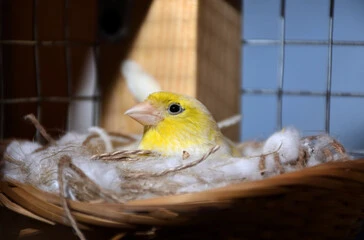
When she enters this phase, you need to help her out. Providing a proper nest bowl is a good start. Most pet stores sell plastic or wire nest bowls that clip onto the side of the cage. But the bowl is just the foundation. She needs the ‘upholstery.’
- Burlap or Jute Fibers: These are great for building the structure.
- Dried Grass: Make sure it is pesticide-free.
- Cotton Thread: Short pieces only (under 2 inches) to prevent tangling.
- Feathers: If you have saved any from her previous molts, she will love these for the lining.
Avoid using long strings or human hair. These can easily wrap around a bird’s leg or neck, causing serious injury. I always prefer natural, short fibers that she can easily manipulate with her beak. Watching her work is fascinating; she will spend hours tucking and turning the material until it is just right.
How Long Canary Pregnancy Lasts
Timing is everything. People often ask me, “How long does a canary stay pregnant?” If we define ‘pregnancy’ as the time from the first mating (or the start of egg formation) to the laying of the last egg, the window is relatively short. After mating, it usually takes about 5 to 10 days for the first egg to appear. Once the laying starts, she will usually lay one egg every morning until the clutch is complete.
The total time from the start of the ‘nesting fever’ to the final egg being laid is usually around two weeks. However, her job isn’t done then. That is just the end of the laying phase. The incubation phase is where she really settles in. It is a fast-moving process compared to larger animals, so you have to be ready to act quickly with diet changes.
The Canary Egg Laying Process: Day by Day
The actual laying of the egg usually happens in the early morning hours, often right around sunrise. It is a quiet, intense moment. She will sit in her nest, strain a little, and then—pop—a tiny, speckled egg appears. Canaries usually lay a ‘clutch,’ which is a group of eggs. They don’t just lay one and stop.
The Typical Timeline
| Day | Activity |
|---|---|
| Days 1-5 | Heavy nesting behavior and increased eating. |
| Day 6 | First egg is laid in the early morning. |
| Days 7-10 | One egg laid daily until the clutch is full. |
| Day 11+ | Incubation begins in earnest. |
It is common for breeders to replace the real eggs with ‘dummy eggs’ (plastic fakes) as she lays them. They do this so they can put all the real eggs back at once. This ensures that all the chicks hatch at the same time, giving the younger ones a better chance of survival. If you are just a pet owner and don’t want to breed, you can let her sit on her eggs (even infertile ones) for a few weeks until she gets bored. This prevents her from immediately laying more eggs, which would drain her calcium levels.
Caring for Your Pregnant Canary
Your main job during this time is being the ‘support crew.’ She is doing the hard work; you are providing the resources. The most important thing is her health. Laying eggs takes a massive amount of calcium. If she doesn’t have enough in her diet, her body will actually pull calcium from her own bones to make the eggshells. This can lead to a dangerous condition called egg binding.
The Essential Diet
Stop relying on just seeds. She needs more right now. Egg food (a mixture of hard-boiled eggs and breadcrumbs or commercial bird biscuit) is the gold standard. It provides the protein and fat she needs. You should also offer fresh greens like broccoli or kale, which are high in minerals. And always, always have a cuttlebone available. I like to scrape a little bit of the cuttlebone onto her soft food just to make sure she is getting enough.
Environmental Peace
She needs a quiet spot. This is not the time to move the cage to a busy hallway or let the cat sit on top of the cage. Stress can cause her to abandon the nest or even stop the laying process mid-way, which is life-threatening. Keep her in a consistent spot with a regular light cycle. She needs about 12 to 14 hours of ‘daylight’ to keep her hormones stable during this period.
The Canary Clutch Size
Most canaries will lay between 3 and 5 eggs per clutch. Sometimes you might get a high achiever who lays 6, but that is rarer. The eggs are small, usually a pale blue or greenish-white color with brown speckles. If she lays more than 6, it might be a sign that she is over-producing, which can be hard on her body. If she lays only 1 or 2, she might be a young hen just learning the ropes, or perhaps she is lacking some nutrients.
Do not be alarmed if she doesn’t sit on the eggs immediately after laying the first one. Most canaries don’t start ‘sitting’ (incubating) seriously until the third or fourth egg is laid. This is nature’s way of making sure the babies all grow at the same rate. Once she starts sitting, she will rarely leave the nest except to eat, drink, or have a very quick stretch.
The Canary Incubation Period
Once she has decided the clutch is complete, the 14-day countdown begins. The canary incubation period is almost exactly two weeks. During this time, the hen’s body temperature rises slightly in the ‘brood patch’ on her chest to keep the eggs at the perfect temperature. If you have a male in the cage, he will often take on the role of the waiter, bringing her food so she doesn’t have to get up.
If you don’t have a male, you need to make sure her food and water are very close to the nest. She will be very dedicated. I have seen hens skip baths and favorite treats just to keep those eggs warm. It is a period of quiet waiting. Around day 12, you might see her listening to the eggs. The chicks start ‘pipping’ (making tiny holes) inside before they actually break out.
Common Challenges During Canary Pregnancy
While most pregnancies go smoothly, things can go wrong. The most feared issue is egg binding. This happens when an egg gets stuck inside the hen. She will look very distressed, sit on the bottom of the cage, and might be gasping for breath. This is a true emergency. If you see this, you need to get her to an avian vet immediately. High humidity and extra calcium can help prevent this, but it is always a risk.
Another issue is ‘clear eggs.’ This happens when the eggs are infertile. If you are trying to breed and the eggs don’t hatch after 15 or 16 days, they are likely not going to. You can check this by ‘candling’ the eggs (holding a small flashlight behind them) to see if there are any blood vessels or a dark embryo inside. If they are clear, it is best to let her sit for the full 14 days anyway so she doesn’t start another taxing laying cycle too soon.
Frequently Asked Questions About Canary Pregnancy
Can a canary get pregnant without a male?
Yes, a female canary can absolutely go through the Canary Pregnancy process without a male. She will build a nest and lay eggs, but since they aren’t fertilized, they will never hatch into chicks.
How can I tell if my canary is egg-bound?
An egg-bound bird will usually be on the floor of the cage, looking puffed up and exhausted. She may pump her tail up and down as she tries to pass the egg. This is a medical emergency that needs professional help.
What should I feed a pregnant canary?
Focus on high-calcium and high-protein foods. Egg food, cuttlebone, and dark leafy greens are essential. Avoid giving her too many watery fruits during this time as she needs dense nutrition.
Should I remove the eggs if I don’t want babies?
No, do not remove them immediately! If you take the eggs away, her body will just try to replace them, which leads to exhaustion. Let her sit on them for about two weeks, then remove the nest and the eggs together once she loses interest.
A Final Thought for Bird Owners
Watching your canary go through this cycle is one of the most rewarding parts of being a bird owner. It connects you to the natural rhythms of life. Whether you end up with a nest full of singing chicks or just a hen who is very proud of her blue speckled eggs, the key is patience. Give her the space to be a bird, give her the nutrients to stay strong, and enjoy the quiet beauty of the process. If you treat her well, she will come out of her ‘pregnancy’ healthy and ready to sing another day. If you have questions or a story about your own bird’s nesting habits, I would love to hear about it. Happy bird keeping!