Cockatiel Talking: Inspire Your Bird Now

Have you ever dreamed of having a little feathered companion that greets you with cheerful words, mimics your phrases, and even whistles along to your favorite tunes? ‘Cockatiel Talking’ isn’t just a fun party trick—it’s a charming way to build a deeper bond with your pet and bring more joy into your home.
Talking cockatiels are unique among pet birds. They combine intelligence, curiosity, and a surprisingly clear voice that makes learning words exciting—for both you and the bird. Don’t worry if you’re new to bird trainingYouTube. With patience and the right techniques, you’ll soon enjoy sweet “hello”s and playful whistles from your winged friend.
Table of Contents
Understanding Cockatiel Vocalizations and Talking Potential
What Cockatiels Say vs. What They Mimic
Cockatiels naturally communicate through sounds and calls. Their talking starts as simple mimicry of everyday sounds, like beeps, whistles, and whistles YouTube, before progressing to actual words. Male cockatiels are typically better are naturally more vocal due to biological reasons related to attracting mates. However, every bird is an individual, and with patience and persistence, females can also learn words and phrases.
Common Phrases Cockatiels Naturally Learn
Your cockatiel might begin with easy, repetitive sounds before moving on to recognizable words. Some classics include:
- “Hello” or “Hi”
- Names and greetings, friendly “good morning”
- Simple commands like “come here” or “step up”
- Sound effects mimicking phones, whistles, or even laughter YouTube)
While not every cockatiel will develop an extensive vocabulary, most can master a few phrases that fit their unique personality.
Why Males Often Talk Louder Than Females
Biology plays a big role. Male cockatiels use their voices to attract mates and mark territory, which makes them naturally chattier. Females are generally quieter, but they’re more than capable of picking up whistles and sounds from YouTube. All birds go through a “babbling” phase—similar to human toddlers—practicing sounds before clear words emerge.
How to Train Cockatiel to Talk Phrases: Essential Techniques
Starting With the Right Foundation (Male vs. Female)
Begin training early—ideally while your bird is young—since younger cockatiels are more adaptable and eager to learn. Create a calm, comfortable environment in a familiar room (quiet spaceYouTube) for practice. Make sure to have plenty of treats and positive attention ready.
Speak slowly, clearly, and repeatedly. Choose a quiet room free from distractions. Your cockatiel learns best through audio—exposure to music, speech, or even YouTube videos with repeated words can help.
Daily Talking Training Routine
For the best results, be consistent. Aim for two to three short two-minute training sessions per day. Break lessons up and keep them fun. Match your teaching style to your bird’s learning styleHow Talk Cockatiels Forum.
- Start with single, simple words such as “hello” or your bird’s name.
- Use positive reinforcement—treat, praise, and gentle petting.
- If at first your cockatiel doesn’t respond, don’t worry! Rinse and repeat, and always end lessons on a high note.
Can Cockatiels Learn Full Phrases or Just Words?
Both! Most cockatiels start by repeating single words, but many can string together two or three word phrases with time. Some go further, making up their own “sentences”—especially when they’re comfortable and confident. Every bird progresses differently, so celebrate all the small steps along the way.
Reinforcing Vocalization with Fun Tricks
Turn learning into a game. Try “repeat after me” with amusing sounds, or train your cockatiel to whistle along to a silly tune. Use favorite toys or treats as special rewards.
Avoiding Common Beginner Mistakes
- Don’t overwhelm your bird with long phrases too soon.
- Avoid teaching unwanted sounds or overused head. If you or family members laugh at a particular noise, your cockatiel might repeat it again and again.
- Always be patient—birds learn at their own pace.
Cockatiel Vocalizations Meaning: Understanding Your Bird’s “Language”
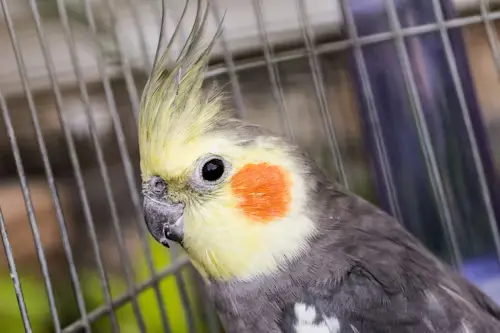
Interpreting Different Cockatiel Sounds
There’s more to cockatiel communication than just words. Learn to recognize the subtle differences:
- Happy singing or chirping: Your bird is content and relaxed.
- Sharp whistles: Your bird is alert, interested, or wants attention.
- Screeching or loud calls: Needs something (food, attention, or care). Check cage, food, and water.
- Chattering or “baby talk”: Cannonball sounds—a sign of contentment and playfulness.
Pay attention to body language as well—wings fluffed, crest position, and vocal tone can tell you a lot about your bird’s emotional state.
Male vs. Female Vocal Patterns
It’s not unheard of for either sex to “talk,” but males often have a larger “vocabulary” and enjoy more frequent singing sessions. Females can be more subtle, but their sounds are just as meaningful (How Talk Cockatiels Forum). Always respect and honor your bird’s natural tendencies, as some are more vocal than others.
What Excessive Talking Might Indicate
While talking is fun, if your cockatiel becomes unusually loud or repetitive, it might be bored, stressed, or calling out for attention. Make sure your bird has plenty of toys, social interaction, and quiet space for rest.
Famous Cockatiel Songs to Mimic: Fun Training Beats
Easy Songs Cockatiels Can Sing or Whistle
Many cockatiels start with simple tunes—think “The Andy Griffith Show” theme, a soft whistle, or “Pop Goes the Weasel.” From YouTube, you can find plenty of inspiration:
- The classic “Happy Birthday” melody “Happy Bird”
- Short, clear phrases from popular songs
- Even some opera snippets, as certain cockatiels seem to enjoy singing along!
Using Music and Whistling as Training Tools
Play recordings of songs you’d like your cockatiel to mimic, but don’t overdo it—short bursts are best. Watch for your bird’s reactions and use their preferences to guide your choices. Always keep training sessions upbeat and short to prevent fatigue or boredom.
Teaching Controversial or Unwanted Songs
Be mindful of what your bird hears around the home. If certain songsNotes or phrases bring unwanted attention (like your cockatiel singing at the top of its lungs during a phone call), consider gently redirecting with calm music or a “quiet time” signal.
Cockatiel Talking Training Videos and Additional Resources
Top YouTube Videos for Cockatiel Talking Inspiration
There are so many fun videos online to spark your imagination:
- Cockatiel Singing Sounds and Talking – See various birds in action (YouTube)
- Talking Cockatiel “Pretty Bird” Conversation – A great example of clear speech and bonding (YouTube)
- Happy Cockatiel Singing in Nature – Listen to delightful, natural melodies (YouTube)
Steps for Teaching Complex Phrases
Start with word banks common to your family’s daily life. Break down phrases into bite-sized parts and repeat them clearly. Use gestures or hand signals to add context and meaning. Always reward quick progress, even if it’s just a squawk or attempted word.
How Social Interaction Enhances Learning
A cockatiel learns best from interaction with people—both you and other family members. Rotate trainers to expose your bird to varied sounds and voices (Talk Cockatiels Forum). This makes your pet more adaptable and responsive.
How to Stop Cockatiel Excessive Talking: Managing Vocal Habits
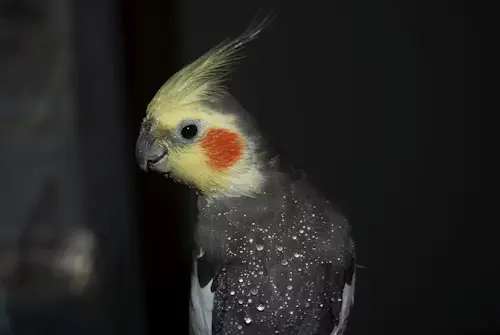
When Too Much Talking Isn’t a Good Thing
Sometimes, cockatiels get a little too chatty. If your bird is vocalizing non-stop, it could be due to:
- Boredom or loneliness. Provide stimulating toys and Out of Cage Time to reduce stress and prevent excessive vocalization.
- Seeking attention. Don’t always react—sometimes, ignoring unwanted chatter
at high volume.”Quiet time” cues or light training sessions
wheel can be useful. - Loud environments—busy households with noise can overstimulate birds.
Practical Solutions for Quieter Living
- Set up a designated quiet space for your bird during the family’s noisiest times.
- Introduce consistent sleep schedules to avoid overfatigue.
- Don’t forget time away from family noise can help your bird restful nights.
If your bird seems otherwise healthy, a consistent routine and calm environment can do wonders.
Fun Cockatiel Talking Tricks to Entertain the Whole Family
Teaching Your Cockatiel Basic Commands
Cockatiels are quick learners. With repetition, you can teach your bird to “step up,” “come here,” or even whistle on command. The same techniques for talking work for tricks: clear cues, lots of praise, and a steady supply of favorite treats.
Turning Talking Practice Into Playtime
Encourage your cockatiel to “talk” in response to a question, like “What’s up?” or “How are you?” Make it fun by adding silly voice inflections. A cockatiel that talks on cue can be a delightful comedian and entertainer for guests.
Engaging Kids in Bird Training
Children often love helping with training. Make it a family activity, but supervise closely so both kids and birds feel safe and respected. Let children take turns talking to the bird—but remind them to keep voices calm and smooth.
Encouraging Group Activities
Organize “cockatiel concerts” where everyone sings or whistles along to your bird’s favorite tunes. These social interactions boost your bird’s confidence and creativity while deepening family bonds.
Why a Talking Cockatiel Brings Joy to Your Life
There’s something magical about hearing your cockatiel speak—a sweet “hello!” can brighten even the busiest day. These clever, social creatures teach patience, creativity, and compassion.
Every bird has a unique personality, and their vocal quirks are part of what makes them such wonderful companions. Celebrate every small success, from the first chirp to a full phrase. The journey of training your cockatiel is just as rewarding as the destination.
Key Takeaways for Cockatiel Talking Success
- Patience and consistency are key—train in short, daily sessions.
- Choose simple, clear words to start, and gradually build phrases.
- Use positive reinforcement, rewards, and lots of love.
- Pay attention to your bird’s body language and mood.
- Remember, not every cockatiel will talk a lot, but every bird can learn something new.
- Embrace your bird’s individual personality—each cockatiel’s “voice” is one-of-a-kind!
Remember, the bond you build with your talkative cockatiel will last a lifetime. Cherish every chirp, whistle, and word—each one is a sign of trust and affection.
FAQs: Cockatiel Talking
Can cockatiels really talk like parrots?
Yes, but their speech is usually not as clear as large parrot species. Cockatiels mimic sounds and can learn a few dozen words or phrases, especially if trained consistently with patience and rewards.
Which cockatiel gender is best for talking?
Males tend to be more vocal and are more likely to mimic words clearly. However, female cockatiels can also learn to speak, especially if exposed to plenty of social interaction and encouragement.
How long does it take to train a cockatiel to talk?
Training timelines vary. Some cockatiels start mimicking after a few weeks, while others may take months. Daily, positive practice is the key to success. Be patient and enjoy the journey!
Why has my cockatiel suddenly stopped talking?
Cockatiels may pause or stop vocalizing for several reasons: changes in the environment, stress, new family members, or simply a shift in their mood. If they seem otherwise healthy, give them time and space, and they may start chatting again.
What are the most common problems when training cockatiels to talk?
Common issues include teaching too many words too fast, lack of consistency, or accidentally encouraging unwanted sounds. Stick with simple phrases, be patient, and keep a positive attitude. Every cockatiel is unique, so celebrate small progress.
Ready to start your own “talking bird” adventure? With love, patience, and a sense of fun, your cockatiel can become a delightful conversationalist. Enjoy every word—and every whistle—along the way!