How Long Do Baby Birds Stay in Nest: Proven Timelines

Have you ever watched a nest of baby birds and found yourself holding your breath, wondering when these fragile little creatures will finally take that leap into the world? As a bird enthusiast or concerned wildlife observer, understanding the delicate timeline of baby bird development can transform your backyard watching experience from anxiety to pure fascination.
How long do baby birds stay in nest isn’t just a simple answer—it’s a complex biological dance that varies wildly between species, environments, and evolutionary strategies.
Table of Contents
Baby Bird Development: Types and Timelines Explained
Not all baby birds follow the same developmental path. When it comes to how long baby birds stay in the nest, you’ll encounter two fundamental categories:
How Long Do Baby Birds Stay in Nest: Proven Timelines
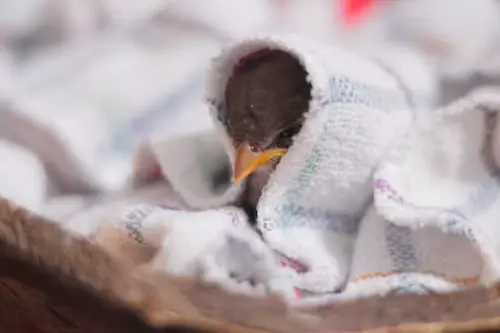
Altricial birds are born completely helpless. These fragile hatchlings come into the world blind, naked, and entirely dependent on parental care. Think about songbirds, parrots, and many backyard favorites—they require extensive nurturing during their early days.
These babies typically stay in the nest for 10-30 days, depending on the species. During this bird fledging timeline, they’ll develop feathers, gain strength, and slowly learn the skills necessary for survival. Your backyard robins or sparrows? They’ll probably fledge within 14 days, emerging as tiny, awkward versions of their parents.
How Long Do Baby Birds Stay in Nest: Proven Timelines
In contrast, precocial chicks are born ready to explore. Covered in downy feathers and able to walk shortly after hatching, these birds like ducks, geese, and chickens have a dramatically different experience. Precocial chicks nest time is typically very short—often leaving the nest within hours to days after hatching.
The difference is remarkable: while a songbird might spend two weeks nestled safely in its birthplace, a duckling could be swimming and foraging alongside its mother within 24 hours of emerging from its egg.
What Influences a Bird’s Time in the Nest?
Several critical factors determine how long baby birds stay in the nest:
Species Characteristics: Woodpeckers might remain for a month, while hummingbirds may fledge after just two weeks. The nesting period directly correlates with the complexity of survival skills needed.
Environmental Conditions: Harsh weather, predator presence, and food availability can significantly alter the nestling growth period. Parents might encourage early departure during stressful conditions or extend care during challenging times.
Predation Pressure: In areas with high predator density, some species develop strategies to minimize nest exposure time, protecting vulnerable young by pushing them to independence more quickly.
The Fledging Process: From Nestling to Fledgling
The transition from nestling to fledgling represents one of nature’s most magical transformations. Here’s what you’ll observe during the critical when birds leave nest period:
Day 1-7: Blind and helpless, continually fed by parents
Day 8-14: Feathers begin appearing, eyes open, increased mobility
Day 15-21: Practicing wing flaps, showing curiosity about surroundings
Day 22+: Preparing for initial flight attempts
During this bird fledging timeline, parents become increasingly vigilant, encouraging their offspring through gentle prodding and reduced food delivery. This strategic withdrawal motivates the young birds to take those first, tentative flights.
Common Questions About Baby Bird Development
Do birds abandon their babies if humans touch them?
This persistent myth couldn’t be further from the truth. Birds have a limited sense of smell and won’t abandon healthy offspring due to human scent. However, unnecessary handling can stress both parents and babies.
When should you intervene with a found baby bird?
Finding a young bird on the ground doesn’t automatically mean it needs help. Many species naturally leave the nest before they can fly well. Observe from a distance—if parents are nearby and the bird appears healthy, nature should take its course.
How can you tell if a bird is truly orphaned?
Look for these signs: no parent visits for several hours, obvious injury, or extreme weakness. Otherwise, that fledgling is likely right where it needs to be in its development.
Helping Baby Birds Safely: What You Can Do
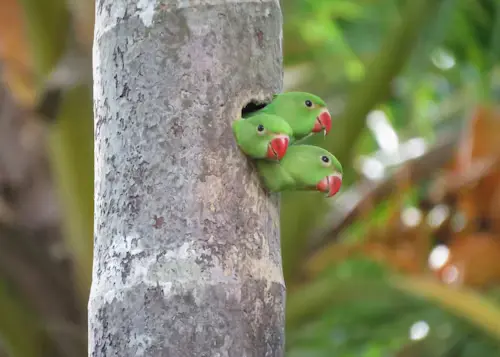
Creating a bird-friendly environment significantly supports successful nesting:
Plant native vegetation that provides natural food sources and shelter
Install predator guards on nest boxes to protect vulnerable families
Keep cats indoors during breeding season when fledglings are most vulnerable
Avoid trimming trees during peak nesting periods in spring and early summer
During the critical altricial bird development period, your presence as a quiet, respectful observer can make all the difference. Watch from a distance using binoculars, minimize loud noises, and never attempt to feed baby birds without professional guidance.
Understanding Species-Specific Timelines
Birds and Blooms offers extensive resources documenting nesting durations for North American species:
Eastern Bluebird: 16-21 days in nest
American Robin: 9-16 days in nest
Bald Eagle: 10-12 weeks in nest
Ruby-throated Hummingbird: 18-22 days in nest
The incredible diversity demonstrates why there’s no universal answer to how long baby birds stay in the nest—nature provides precisely what each species needs for survival.
A Journey of Transformation
Watching baby birds develop from helpless hatchlings to confident fledglings connects us to the profound cycles of nature. Whether you’re observing robins in your garden or swallows in a nest box, understanding the when birds leave nest process transforms casual observation into meaningful connection.
Your awareness of these developmental timelines allows you to appreciate each tiny milestone—the first feather, the awkward hop, the shaky first flight. In protecting and observing responsibly, you become part of a tradition connecting humans to the natural world across generations.
FAQ about How long do baby birds stay in nest
How long do baby birds stay in the nest before leaving?
Most baby birds stay in the nest between 10-30 days, though this varies dramatically by species. Songbirds typically fledge after 2-3 weeks, while larger birds like owls may stay 6-10 weeks. Precocial species leave within hours of hatching.
Do parents feed baby birds after they leave the nest?
Yes! The care continues even after fledging. Parents feed and guide their offspring for days or weeks after they leave the nest as the young birds develop crucial survival skills.
What should I do if I find a baby bird on the ground?
First, determine if it’s truly in distress. Fledglings often leave the nest before they can fly well. If injured or truly orphaned, contact a wildlife rehabilitator. Never try to raise a wild bird yourself—it’s illegal and the bird requires specialized care.
How can I tell how old a baby bird is?
Feather development is the best indicator. Hatchlings have no feathers, nestlings develop pin feathers, and fledglings have most adult feathers but often a shorter tail. Age estimation based on feather stage helps determine if intervention is needed.
Do birds reuse their nests?
Most songbirds don’t reuse nests, though they might build new ones on top of old ones. Raptors and some cavity-nesting birds often return to and refurbish previous nests. This behavior varies significantly across species and habitats.