Cockatiel Pellets vs Seeds: The Ultimate Guide to Optimal Nutrition

As a devoted cockatiel owner, you’ve probably found yourself staring at your bird’s food bowl, wondering if you’re making the right nutritional choices. Cockatiel pellets vs seeds debate has puzzled bird enthusiasts for decades, with passionate arguments on both sides. But what’s truly best for your feathered friend? Let’s dive deep into this critical topic that affects not just what fills your cockatiel’s dish, but their overall health, happiness, and longevity.
Table of Contents
Understanding the Nutritional Battle: Pellets vs Seeds
When it comes to cockatiel pellets vs seeds, the fundamental difference lies in their nutritional composition and how they were designed to meet your bird’s dietary needs.
Seeds: The Traditional Choice
For generations, seeds have been the go-to food for cockatiels. After all, these birds naturally forage for seeds in the wild. However, domesticated cockatiels have different needs than their wild counterparts, and the seeds we provide are often far removed from what they’d find in nature.
“A typical seed mix contains about 60% fat, which far exceeds what a captive cockatiel needs,” notes avian veterinarian Dr. Emily Carter. “This high-fat content is perfect for wild birds that fly miles daily, but our pet cockatiels get minimal exercise.”
Pellets: The Modern Solution
Commercially formulated pellets were developed as a response to the nutritional deficiencies found in seed-only diets. These nutritionally complete food products are designed to provide balanced nutrition in every bite, addressing the specific needs of companion birds.
The Hidden Dangers of Seed-Only Diets
Many cockatiel owners unknowingly set their birds up for health problems by relying solely on seeds. Here’s why:
Nutritional Imbalance
Seed mixes, even high-quality ones, typically lack essential vitamins and minerals. Vitamin A deficiency is particularly common in seed-fed cockatiels, leading to respiratory issues, poor feather quality, and weakened immune systems.
Obesity and Related Health Issues
With their high-fat content, seeds contribute significantly to obesity in pet cockatiels. Studies show that over 40% of pet cockatiels are overweight or obese, largely due to seed-based diets combined with limited exercise.
Picky Eating Behaviors
Cockatiels naturally select their favorite seeds from a mix, typically those highest in fat like sunflower seeds. This selective feeding creates even greater nutritional imbalances as birds ignore healthier options in the mix.
Benefits of a Pellet-Based Diet for Cockatiels
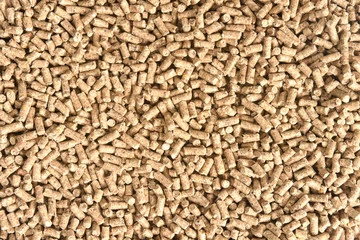
Switching to pellets offers numerous advantages for your cockatiel’s health and wellbeing:
Complete Nutrition
Quality pellets are formulated to be nutritionally complete. Each pellet contains a balanced blend of proteins, carbohydrates, fats, vitamins, and minerals, ensuring your bird receives consistent nutrition with every bite.
Weight Management
Pellets typically contain around 4-5% fat, significantly less than seed mixes. This lower fat content helps maintain a healthy weight when combined with proper portion control and exercise.
Dental Health
The texture of pellets provides beneficial gnawing activity that helps keep your cockatiel’s beak properly trimmed and healthy.
The Balanced Approach: Why Many Vets Recommend Mixed Diets
While pellets offer clear nutritional advantages, some experts recommend a balanced approach:
“A diet consisting of 70-80% high-quality pellets with the remainder being fresh vegetables, some seeds, and occasional fruits provides optimal nutrition for most cockatiels,” advises Dr. Sarah Mitchell, avian nutrition specialist.
This mixed approach:
- Provides complete nutrition through pellets
- Offers dietary variety through fresh foods
- Includes a small amount of seeds as enrichment and treats
- Allows for natural foraging behaviors
Cockatiel Pellet Conversion Tips: Successfully Transitioning Your Bird
Converting your cockatiel from seeds to pellets requires patience and a strategic approach. Here are proven cockatiel pellet conversion tips:
Gradual Introduction Method
- Start Simultaneously: Begin by offering pellets alongside seeds, not replacing them entirely
- Observe and Adjust: Watch your bird’s preferences and adjust ratios accordingly
- Increase Gradually: Slowly increase the pellet-to-seed ratio over 2-4 weeks
The Combination Approach
Mix pellets directly into the seed mix, gradually increasing the pellet proportion while decreasing seeds. This method allows your cockatiel to discover the pellets organically while still having familiar food available.
The Morning/Evening Strategy
Offer pellets in the morning when your cockatiel is hungriest, then provide seeds in the evening as a treat. Gradually extend the morning period until pellets become the primary breakfast food.
The Moistening Technique
Lightly moisten pellets with water or unsweetened fruit juice to make them more appealing initially. This technique works particularly well with brands like Roudybush cockatiel pellets, which absorb moisture well without falling apart.
Using Familiar Foods
Crush pellets and sprinkle them over your bird’s favorite foods, or mix them with cooked brown rice or pasta during the transition period.
Seeds vs Pellets: Cockatiel Weight Loss Considerations
For cockatiels struggling with weight issues, the seeds vs pellets debate takes on added importance:
Seed-Related Weight Issues
Birds on seed-only diets often develop fatty liver disease, a potentially fatal condition. The excess fat stored in the liver impairs its function, leading to a cascade of health problems.
Pellet Benefits for Weight Management
Pellets provide the nutrition cockatiels need without excess calories. Many owners report their birds losing 10-15% of body weight within the first 3-4 months of switching to pellets.
Conversion Timeline for Overweight Birds
For overweight cockatiels, a more aggressive conversion may be necessary:
- Week 1-2: 75% seeds, 25% pellets
- Week 3-4: 50% seeds, 50% pellets
- Week 5-6: 25% seeds, 75% pellets
- Week 7+: Mainly pellets with minimal seeds
Top Pellets for Cockatiels: Expert Recommendations
Choosing the right pellets is crucial for your cockatiel’s acceptance and nutritional benefit. Here are top pellets for cockatiels based on quality, palatability, and nutritional content:
1. Roudybush Daily Maintenance Pellets
Roudybush cockatiel pellets receive consistently positive reviews for their quality and bird acceptance. These pellets contain no added sugars or artificial colors and provide complete nutrition for adult cockatiels.
Why they work: The crumble texture appeals to cockatiels who prefer smaller pieces, and the natural ingredients minimize waste.
2. Harrison’s Adult Lifetime Fine
Known for their organic ingredients, Harrison’s pellets use premium grains and herbs to create a nutritionally complete formula.
Why they work: The smaller size is perfect for cockatiels, and the organic certification appeals to health-conscious owners.
3. ZuPreem Natural Pellets
These fruit-free pellets are ideal for cockatiels that need to avoid excess sugars. They contain essential vitamins and minerals in a balanced formula.
Why they work: The uniform shape prevents selective feeding, and the natural ingredients support overall health.
4. Lafeber’s Premium Daily Diet
Featuring a distinct shape that encourages foraging behavior, these pellets combine quality nutrition with engaging mealtime experiences.
Why they work: The varied shape helps with beak conditioning while the natural flavors encourage acceptance.
5. TOP’s Parrot Food Pellets
Made with organic, non-GMO ingredients, these cold-pressed pellets preserve nutrients that might be lost in traditional manufacturing processes.
Why they work: The natural preservation method maintains food quality, and the ingredient transparency appeals to discerning owners.
Roudybush Cockatiel Pellets: A Detailed Review
Roudybush has earned its reputation as a premium pellet brand, particularly for cockatiels:
Nutritional Profile
- Crude Protein: 11% minimum
- Crude Fat: 4% minimum
- Crude Fiber: 2% maximum
- Moisture: 12% maximum
Key Ingredients
- Ground corn
- Ground wheat
- Soybean meal
- Alfalfa
- Calcium carbonate
- Essential vitamins and minerals
Benefits
- No artificial colors, flavors, or preservatives
- Formulated by avian nutritionists
- Crumble texture ideal for cockatiels
- Excellent acceptance rate among birds
Potential Drawbacks
- Higher price point than some brands
- Smaller package sizes
- May contain corn, which some birds are sensitive to
User Experience
“The Roudybush cockatiel pellets converted my picky bird after other brands failed. She actually seems excited when I refill her dish!” – Sarah T., experienced cockatiel owner
Creating a Seed-Free Cockatiel Diet: Is It Possible?
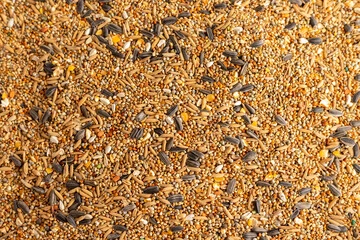
While complete seed elimination might seem extreme, many experts now support seed-free or minimal-seed cockatiel diets:
Arguments for Seed-Free Diets
- Eliminates selective feeding behaviors
- Prevents seed addiction to high-fat options
- Ensures consistent nutrition with each bite
- Easier weight management
The Reality Check
Completely removing all seeds may not be necessary or realistic. Most experts agree that a small amount of seeds can serve as nutritious treats or training rewards.
Practical Implementation
- Use seeds as training treats (5-10 seeds daily)
- Include sprouted seeds as nutritional additions
- Remove sunflower and safflower seeds from regular offerings
- Focus on pellets as the primary food source
Supplements and Fresh Foods: Completing the Nutritional Picture
Even excellent pellets don’t tell the whole nutritional story for cockatiels:
Essential Fresh Foods
- Leafy greens (spinach, kale, romaine)
- Colorful vegetables (carrots, bell peppers, sweet potatoes)
- Occasional fruits (apples, berries, melons)
- Sprouted seeds for live enzymes
Critical Supplements
- Cuttlebone for calcium
- Mineral blocks for trace minerals
- Vitamin D3 supplementation if sunlight exposure is limited
Food Safety Guidelines
- Introduce new foods gradually
- Remove uneaten fresh foods after 2-3 hours
- Wash all produce thoroughly
- Avoid avocado, chocolate, caffeine, and alcohol
Common Conversion Problems and Solutions
Even with the best approach, you may encounter challenges during the seeds-to-pellets transition:
“My bird refuses to eat pellets at all”
Solution: Start with a 10% pellet mix, gradually increasing over 6-8 weeks. Try moistening pellets or crushing them initially.
“My cockatiel picks out the seeds and wastes the pellets”
Solution: Mix pellets with a small amount of seed-free treat like cooked quinoa to encourage exploration of new foods.
“My bird lost weight during conversion”
Solution: Slow down the conversion process and consult with an avian veterinarian if weight loss exceeds 10%.
“The pellets cause watery droppings”
Solution: This is often temporary as your bird adjusts. Ensure adequate fresh water and monitor for signs of digestive distress.
Monitoring Your Cockatiel’s Health During Diet Changes
Regular monitoring ensures your bird adapts well to dietary changes:
Weight Tracking
- Establish baseline weight before conversion
- Weigh weekly using a gram scale
- Target daily fluctuations under 5%
- Consult vet if weight loss exceeds 10%
Droppings Analysis
Normal droppings during transition:
- Volume may increase temporarily
- Color may darken slightly
- Consistency should remain firm
- Normal frequency: 20-30 times daily
Behavioral Indicators
Positive signs of diet acceptance:
- Increased activity level
- Brighter plumage
- More vocalizations
- Regular preening behavior
Health Check Timeline
- Week 1: Monitor acceptance and droppings
- Week 2-4: Watch for weight changes
- Month 1-2: Observe energy levels
- Ongoing: Regular veterinary checkups
Budget Considerations: Seeds vs Pellets for Your Wallet
The pellets vs seeds debate isn’t just about nutrition—it affects your budget too:
Seeds: Initial Costs
- Lower upfront cost per pound
- Shorter shelf life
- Greater waste due to selective eating
- Potential for higher veterinary costs long-term
Pellets: Initial Costs
- Higher upfront cost per pound
- Longer shelf life
- Less waste due to complete consumption
- Reduced veterinary expenses over time
Long-term Financial Comparison
A quality pellet diet may reduce veterinary bills by 30-40% through preventative nutrition, often offsetting the higher food costs within 1-2 years.
Customizing the Diet for Your Individual Cockatiel
Every cockatiel is unique, and dietary needs vary:
Age Considerations
- Young, growing cockatiels: Higher protein requirements
- Adult birds: Balanced maintenance formula
- Senior cockatiels: Modified nutrition for aging organs
Health Status
- Birds with liver issues: Lower-fat pellet options
- Kidney concerns: Phosphorus-restricted formulas
- Weight problems: Calorie-controlled feeding plans
Activity Level
- Active flighted birds: May tolerate more calories
- Caged birds with limited exercise: Stricter portion control needed
Frequently Asked Questions About Cockatiel Pellets vs Seeds
Q: How long does the seed-to-pellet conversion typically take?
A: The conversion process typically takes 4-8 weeks, though some birds may require 2-3 months for complete acceptance.
Q: Can I give my cockatiel both seeds and pellets daily?
A: Yes, many experts recommend 70-80% pellets with the remainder being fresh foods and a small seed portion as treats or enrichment.
Q: Are there age restrictions for starting pellets?
A: Pellets are safe for cockatiels of all ages, though young birds wean directly to pellets more readily than adults converting from seeds.
Q: How can I tell if my cockatiel likes the pellets?
A: Signs of acceptance include approaching the food dish eagerly, consuming pellets throughout the day, and maintaining regular droppings.
Q: Is there a risk of nutrient overdose with pellets?
A: Quality pellets are formulated to provide balanced nutrition. Over-supplementation can occur if multiple fortified foods are combined without veterinary guidance.
Final Thoughts: Crafting the Perfect Cockatiel Diet
When it comes to cockatiel pellets vs seeds, overwhelming evidence supports a pellet-based diet supplemented with fresh foods as the optimal approach for your bird’s health and longevity. While seeds can play a role in enrichment and treat-giving, relying on them as a primary food source poses significant health risks.
The key to success lies in:
- Choosing high-quality pellets appropriate for cockatiels
- Converting gradually using proven techniques
- Monitoring your bird’s health throughout the transition
- Providing variety through safe fresh foods
- Maintaining consistency once the ideal diet is established
Your cockatiel depends on you for complete nutrition. By understanding the science behind the pellets vs seeds debate and implementing thoughtful dietary changes, you’re investing in many more years of companionship with your feathered friend.
Your Turn: Share Your Experience
Have you successfully converted your cockatiel from seeds to pellets? What challenges did you face, and what worked best for your bird? Share your story in the comments below—your experience might help another cockatiel owner on their nutritional journey!