Birds Scaly Face Mites: How to Save Your Pet

I remember the first time I noticed something odd about my budgie, Sky. She was her usual cheerful self, but her beak looked like it had been dusted with white flour. I thought maybe she just had a messy lunch. A week later, that flour turned into a thick, crusty layer with tiny holes, almost like a honeycomb. I panicked. What I was looking at was a classic case of Birds Scaly Face Mites. It is a common problem, but it feels like a disaster when it happens to your best friend.
These tiny pests, known scientifically as Knemidokoptes pilae, are burrowing mites that spend their whole life cycle on your bird. They don’t just sit on the surface; they dig tunnels into the skin and beak. If you leave them alone, they can cause permanent deformities or even make it impossible for your bird to eat. I want to help you spot these early and get your bird back to their beautiful self without the stress I went through.
Table of Contents
What Exactly Are Birds Scaly Face Mites?
These mites are microscopic. You won’t see them crawling around like a spider or a flea. Instead, you see their handiwork. They belong to the genus Knemidokoptes and they love the unfeathered parts of a bird. This means the cere (the fleshy part above the beak), the eyelids, the vent, and the legs. In fact, many people call this scaly leg disease when it hits the feet.
The mites are highly contagious but slow-moving. Often, a bird catches them as a chick in the nest from their parents. The mites can stay dormant for months or years. Then, when the bird gets stressed, sick, or old, the mites seize the chance to multiply. It is not a reflection of how clean your house is. Even the best-kept birds can have these hitchhikers waiting for the right moment to strike.
How to Spot the Problem: Symptoms to Watch For
Identifying the issue early is the best way to ensure a fast recovery. You need to look for specific scaly face mites in birds symptoms before the damage becomes severe. Here is what I look for during my daily checks.
The Early Warning Signs
- Small White Crusts: You might see tiny white spots at the corners of the beak. It looks like dried food or a bit of calcium, but it won’t rub off.
- The Honeycomb Texture: This is the most famous sign. As the mites burrow, they leave tiny holes behind. The skin or beak begins to look like a sponge or a piece of coral.
- Beak Overgrowth: Because the mites irritate the tissue where the beak grows, the beak might start growing at a weird angle or get way too long.
Signs It Is Getting Worse
If the mites move to the legs, the scales will start to lift. The legs will look thickened and crusty. This is painful for the bird and can make it hard for them to perch. In the worst cases, the bird might stop preening because they are so uncomfortable. You might also notice them rubbing their face against the cage bars constantly to try and stop the itching.
| Stage | Appearance | Bird Behavior |
|---|---|---|
| Early | Thin white film on cere or beak corners | Normal, maybe slightly more face rubbing |
| Moderate | Thick, yellowish-white crusts with tiny holes | Increased itching, beak may start to look dull |
| Advanced | Heavy crusts on face, eyes, and legs; beak deformities | Lethargy, difficulty eating, scales lifting on feet |
Treatment Options: How to Get Rid of Mites
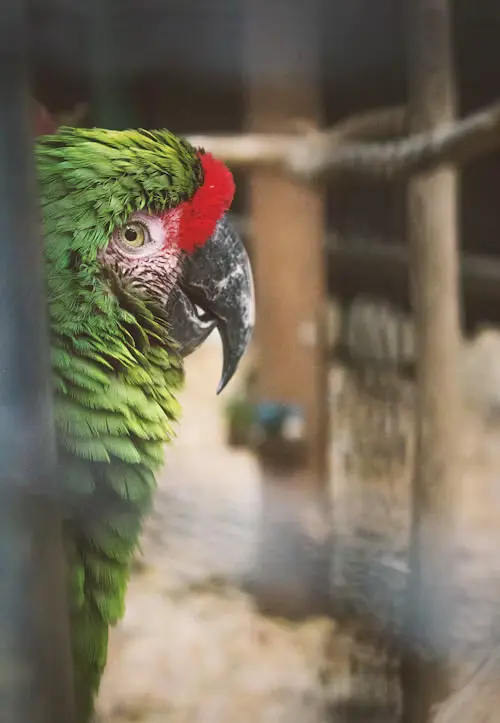
Once you know you’re dealing with Birds Scaly Face Mites, you need a plan. Don’t waste time on old-fashioned remedies like slathering the bird in olive oil or Vaseline. While that might suffocate a few mites, it is messy, can cause the bird to overheat, and doesn’t kill the eggs. Modern medicine is much safer and more effective.
Professional Vet Care
I always suggest a vet visit if you can. A bird vet can do a skin scraping to make sure it is mites and not a fungal infection. They usually provide a professional knemidokoptes mites treatment that works quickly. Vets often use a concentrated dose of medication that is calculated specifically for your bird’s weight. This is important because birds are tiny and it is easy to overdo it with chemicals.
Topical Ivermectin: The Gold Standard
The most common cure is topical ivermectin for birds. This medication is usually applied as a tiny drop on the skin of the back of the neck (the same way you treat a cat or dog for fleas). The skin absorbs the medicine, and it enters the bloodstream. When the mites bite or burrow, they consume the poison and die. You usually have to repeat this treatment every one to two weeks for a few cycles to catch the mites that were still in eggs during the first round.
Can You Treat Scaly Face Mites at Home?
You can buy products like Scatt or other ivermectin-based liquids online. If you are experienced and know the dosage, this can work. However, you must be careful. I once talked to a neighbor who tried to use a sheep-strength ivermectin on her budgie and it didn’t end well. If you go the home route, buy products specifically formulated for birds. Follow the directions exactly. Do not skip the second or third dose, or the mites will just come back in a month.
Home Cleaning Routine
While the medicine kills the mites on the bird, you have to clean the environment. These mites don’t live long off the bird, but you don’t want to take any chances. Wash the cage with hot, soapy water. Throw away any wooden perches or toys that are porous, as mites can hide in the cracks. Replace them with new ones once the bird is halfway through their treatment. If you have other birds, you must treat all of them. Even if they don’t show symptoms, they are likely carrying a few mites.
The Emotional Toll on Your Bird
We often forget that being covered in burrowing parasites is exhausting. Your bird might be grumpier than usual. They might not want to sing. When Sky was going through her treatment, I noticed she slept a lot more. Give your bird a break. Keep their room warm and offer their favorite treats. The recovery takes time. The crusts won’t fall off the moment you apply the medicine. It can take weeks for the old, damaged skin to flake away and the new, healthy tissue to grow in.
Preventing a Second Outbreak
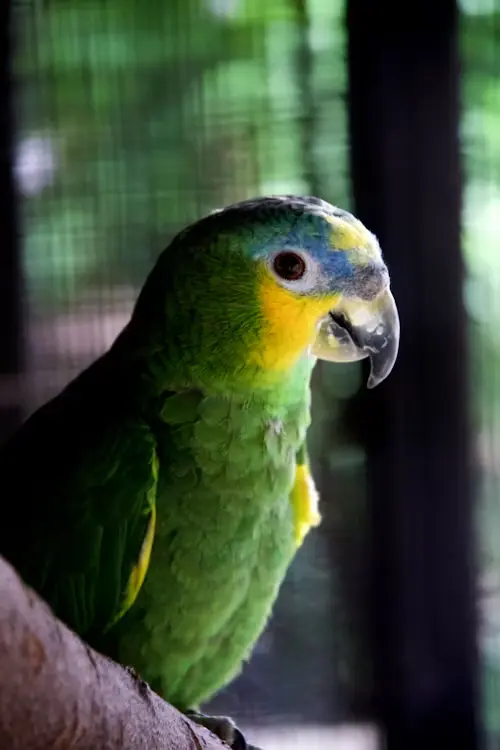
Nobody wants to do this twice. Prevention is about keeping your bird’s immune system strong. A bird eating only seeds is more likely to get sick because they lack vitamin A. Vitamin A is what keeps skin healthy and strong. If the skin is healthy, it is harder for the mites to get a foothold.
- Switch to Pellets: A high-quality pellet diet provides better nutrition than seeds alone.
- Fresh Veggies: Offer carrots, sweet potatoes, and leafy greens to boost their vitamins.
- Reduce Stress: Keep the cage in a quiet spot and make sure they get 10-12 hours of dark sleep every night.
- Quarantine New Birds: Never put a new bird in with your flock immediately. Keep them in a separate room for 30 days to see if any mites or diseases show up.
Which Birds Are Most at Risk?
While many species can catch these, some are definitely more prone to it. Budgies are the number one target. Their soft ceres seem to be a favorite spot for these mites. Canaries and finches also get them frequently, though in canaries, it often shows up on the legs first, leading to what people call tassel foot. Cockatiels and larger parrots are less likely to get them, but it is not impossible. If you have a multi-bird household with different species, watch the budgies the closest.
Frequently Asked Questions About Birds Scaly Face Mites
How long does it take for the crusts to disappear?
Usually, you will see the crusts start to dry out and flake off within two weeks of the first treatment. However, it can take a full month or more for the beak and skin to look completely normal again. If the beak was badly deformed, it might never look 100% perfect, but the mites will be gone.
Are Birds Scaly Face Mites dangerous to humans?
No, you can relax! These specific mites are host-specific. They want bird skin, not human skin. You might feel itchy just thinking about them, but they won’t live on you or your pets like dogs or cats. You can handle your bird during treatment without fear of catching anything.
Can I use coconut oil to help?
Coconut oil can help soften the crusts so they fall off easier, but it will not kill the mites. Think of it as a moisturizer, not a medicine. Only use it after you have applied the actual medicine, and only use a tiny amount so the bird’s feathers don’t get greasy.
Why did my bird get mites if they live alone?
As I mentioned earlier, most birds get these mites when they are babies. They can carry them for years without any signs. A change in the environment, like a cold snap or a move to a new house, can stress the bird enough that the mites finally multiply. It doesn’t mean your house is dirty!
What is the best way to clean the cage?
Scrub everything with hot water and a mild bird-safe disinfectant. Pay close attention to the corners of the cage and the perches. If you use wooden branches from outside, bake them in the oven at a low temperature for 20 minutes first to kill any wild mites or bacteria.
Getting Back to Normal
Seeing your bird suffer with Birds Scaly Face Mites is heart-wrenching, but it is one of the most treatable issues in the bird world. Once the itching stops, you will see a huge change in your pet’s personality. They become more active, their appetite returns, and they start singing again. Keep an eye on that beak and those feet. Regular checks mean you can catch any future issues before they become a problem.
If you’re currently dealing with this, take a deep breath. Get the right medicine, clean the cage, and give your bird some extra love. They will be back to their beautiful, chirping selves in no time. If you have any questions about the treatment process or want to share your own recovery story, leave a comment below. I would love to hear how your bird is doing!