Cockatiel Bird Breeding Season: How to Breed Joyfully

Watching your cockatiels go through the delicate process of breeding is truly magical – those tiny peeping noises from adorable chicks will melt any bird lover’s heart. But whether you’re considering breeding your birds or just curious about their cycle, understanding cockatiel bird breeding season is essential for their health and happiness.
My neighbor Sarah discovered this firsthand when she noticed her two cockatiels suddenly becoming extra affectionate last winter. “I thought they were just being cute,” she told me, “but then I realized they were showing classic breeding behaviors.” Like many owners, she learned that these clever birds can breed much more frequently in captivity than in the wild.
Let me share what I’ve learned along the way – sometimes through my own successes, other times through the hard lessons of bird-keeping friends who’ve faced unexpected breeding behavior in their otherwise peaceful homes.
Table of Contents
Cockatiel Breeding Season Timeline: When to Expect Changes
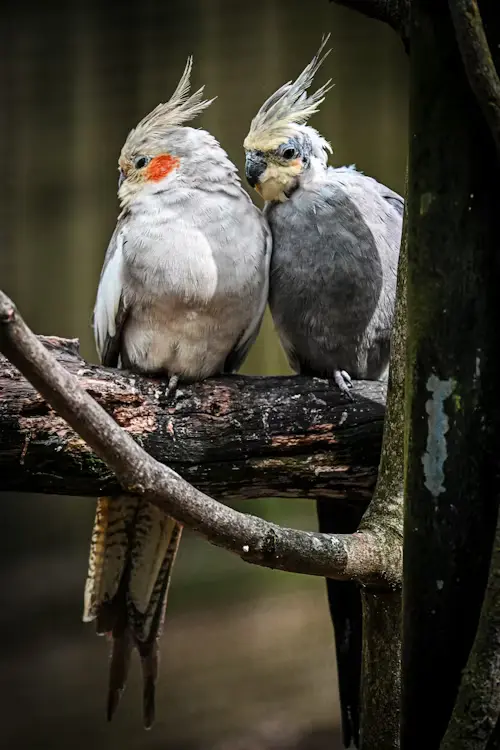
Understanding the cockatiel breeding season timeline is crucial for anticipating your birds’ needs and behaviors. In captivity, the absence of seasonal cues means this timeline can vary significantly based on environmental factors, though certain patterns tend to emerge.
Typical Breeding Season Duration
In the wild, Australian cockatiels follow a relatively predictable pattern. Their natural breeding season runs from August through December, coinciding with spring and early summer in Australia. During this brief window, wild pairs lay a clutch of 4-6 eggs and raise their chicks over approximately 8-12 weeks from first egg to fledging.
In contrast, pet cockatiels lacking natural seasonal cues may show breeding readiness multiple times per year. Many experienced breeders report seeing hormonal surges as often as every 4-6 months in their indoor birds. This increased frequency is one reason why responsible breeding involves careful planning and consideration of your birds’ overall health.
A typical breeding cycle for pet cockatiels follows this general pattern:
- Increased bonding and courtship behaviors: 1-2 weeks before first egg
- Egg-laying period: 3-4 days for the full clutch (1 egg typically laid every other day)
- Incubation period: 18-21 days
- Hatchling care and feeding: 3-4 weeks
- Fledging and independence: additional 2-3 weeks
The entire process from initial pairing to independent chicks takes about 8-12 weeks for a successful breeding attempt. Many pet birds will complete this cycle 2-3 times annually if allowed to continue breeding without intervention.
Year-Round Breeding in Indoor Conditions
One of the most notable differences between wild and captive cockatiel breeding habits is the potential for year-round breeding. This phenomenon raises a common question: when do cockatiels breed indoors? The answer often surprises new owners – essentially, whenever conditions are right.
Indoor birds don’t receive the environmental signals that tell wild cockatiels when it’s appropriate to breed. We maintain consistent temperatures between 65-80°F year-round. We provide abundant, high-quality food regardless of the season. We offer cozy nesting options that mimic the protected tree hollows cockatiels prefer in nature.
When these three conditions align – ample food, suitable nesting sites, and stable warmth – many cockatiels interpret this as an ideal breeding scenario. Female birds in particular may show breeding behaviors even without the presence of a male, sometimes laying infertile eggs that require management.
The lighting in our homes also plays a crucial role. Cockatiels rely on photoperiod (day length) as a breeding cue. Longer daylight hours stimulate reproductive hormones, which explains why breeding activity often increases during summer months even in indoor birds. However, artificial lighting can extend “daylight” artificially, further confusing your birds’ natural rhythms.
Breeding Frequency: Balancing Health and Reproduction
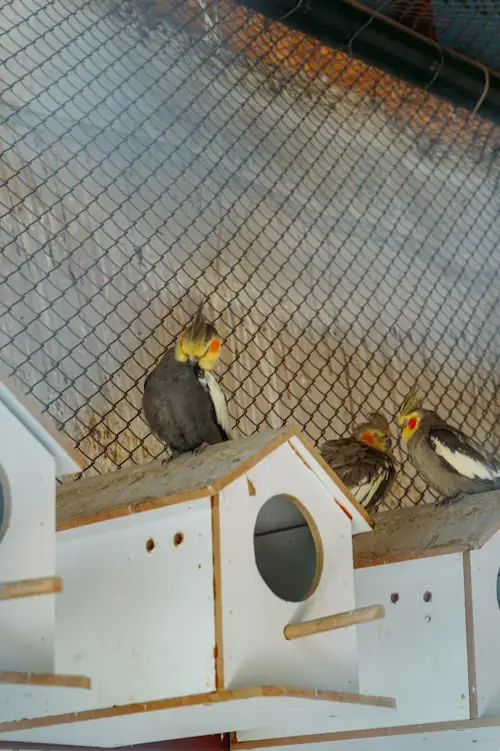
While cockatiels can physically breed multiple times per year in captivity, this doesn’t mean they should. Overbreeding poses significant health risks to both males and females. Female birds can deplete their calcium reserves producing egg after egg, potentially developing a dangerous condition called egg binding. Males experience physical stress and may become aggressive during hormonal peaks.
Most avian veterinarians recommend allowing cockatiels to rest for at least 6 months between breeding attempts unless you’re working with experienced breeders using specific protocols. For pet birds, limiting breeding to once or twice yearly provides a safer balance, allowing your birds to experience natural behaviors without compromising their long-term health.
Some warning signs that your birds may be breeding too frequently include:
- Females showing signs of calcium deficiency (weak bones, feather problems)
- Reduced energy levels or lethargy in either bird
- Aggressive behavior that persists beyond typical breeding seasons
- Repeated unsuccessful breeding attempts
- Weight loss or poor feather condition in the breeding pair
Understanding your cockatiels’ breeding timeline helps you make informed decisions about managing their breeding opportunities. By knowing what to expect and when to expect it, you can better support your birds through their natural hormonal cycles while protecting their health and wellbeing.
Understanding Cockatiel Breeding Season Behavior
Observing your birds during breeding readiness reveals fascinating behavioral changes that signal their shifting physiological state. These behavioral cues form an important part of understanding cockatiel bird breeding season and recognizing when your birds are feeling those hormonal surges.
Female Breeding Behaviors
Female cockatiels display distinctive behaviors when they become reproductively active. Understanding these signs helps you recognize when your bird’s body is preparing for potential breeding.
The first noticeable change is often increased bonding behavior. Your normally independent female might suddenly become extremely attached to you or her male companion. She may follow her chosen companion constantly, preening or nibbling at them affectionately. This behavior mimics the pair bonding that occurs between wild cockatiel mates.
Nest-seeking behavior represents another major behavioral shift. Females may investigate dark, enclosed spaces – looking behind cushions, inside cabinets, or under furniture if they have freedom to roam. This instinctive searching demonstrates their drive to find a suitable hollow or crevice for egg-laying. Some females become quite persuasive in their nest-seeking, leading their owners to believe they’re desperately hungry when they’re actually looking for food to bring back to an imaginary nest.
Physical agitation manifests as pacing, wing-flapping, or repetitive movements, particularly near potential nesting sites. Your female might sit “tight” on imaginary eggs by puffing up and remaining motionless in certain locations for extended periods. This brooding posture is unmistakable once you’ve seen it – the bird flattens herself over an area, spreads her tail slightly, and remains disturbingly still.
Auditory changes might include soft chirping or whistling that differs from her normal vocalizations. Some females develop a soft clucking sound when in breeding mode, using this to communicate with potential mates or chicks. Increased vocalizations can also indicate breeding readiness, particularly as she responds to environmental triggers like certain sounds, textures, or even your behavior.
Male Breeding Behaviors
Male cockatiels often display more obvious breeding behaviors than females. Watching a male go through breeding readiness is like observing a feathered Casanova in action, complete with dramatic displays and territorial posturing.
The most dramatic behavioral change involves courtship displays. Males perform elaborate shows that include raising their crest, spreading their wings slightly, and bouncing or strutting. They might accompany this with an extended version of their normal whistles – longer, more complex melodies that demonstrate their fitness to potential mates. Some males hang upside down from perches, a behavior rarely seen outside breeding contexts.
Increased vocalization is common in male cockatiels during breeding readiness. Beyond their courtship whistles, you’ll often notice louder, more frequent calling. This isn’t random noise – it’s strategic communication aimed at attracting females and asserting territory. Some males become remarkably talented at mimicking household sounds during this period, expanding their vocal repertoire possibly to impress potential mates.
Territorial marking intensifies dramatically. Your normally mellow male might suddenly see your home as his breeding territory, defending it against “intruders” – which might include you, other family members, or household pets. This can manifest as lunging, biting, or persistent chasing behaviors. The cage or play area becomes the defended territory, and your bird becomes surprisingly aggressive about “his space.”
Resource gathering behavior mirrors what wild males do when preparing for family life. Some males begin collecting food, paper, or small objects, bringing them to favored locations as if building a nest. While less common than in females, some males develop an interest in nesting materials and begin constructing rudimentary structures.
Pair Interaction and Courtship
When a breeding pair experiences hormonal surges simultaneously, their interactions reach fascinating levels of complexity. Understanding these dynamics helps you recognize when cockatiels breed indoors and may be preparing for actual reproduction.
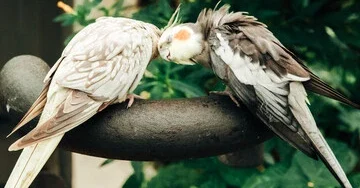
Mutual preening intensifies between bonded pairs. What was once casual grooming transforms into extensive, intimate feather care sessions. The pair spends considerable time sitting closely side by side, carefully preening each other’s faces, heads, and neck areas – spots difficult to reach on their own. This mutual grooming strengthens their pair bond and serves a practical purpose in preparing for the intensive parenting period ahead.
Courtship feeding creates one of the most touching displays of avian partnership. The male cockatiel, despite having no biological requirement for it, begins regurgitating food to offer his mate. This behavior mirrors what he would do in the wild – proving he can provide for both his mate and future chicks. The female may beg persistently for food, squatting slightly and bobbing her head in a manner that triggers the male’s feeding response.
Pair dancing represents an adorable courtship ritual. The two birds face each other, sometimes mirroring body positions or swaying together. Some pairs develop a simple back-and-forth stepping pattern. This synchronized movement resembles a coordinated dance and demonstrates their compatibility as a breeding team.
Synchronized vocalizing strengthens their bond through shared communication. Pairs may take turns making soft calls or whistle responses to each other. Some develop unique “songs” or call patterns that they use when separated, essentially creating their own language as a couple.
Recognizing these behavioral changes is essential for responsible birdkeeping. While these behaviors are natural and important for breeding birds, in pet situations they can lead to chronic egg-laying, aggression, or frustration if not properly managed. Understanding your cockatiels’ behavior during breeding season allows you to provide appropriate environments and interactions that respect their natural instincts while protecting their health.
Extending or Suppressing Cockatiel Breeding Season
Managing your cockatiels’ breeding behavior requires understanding both how to support natural cycles and when to implement management strategies. The question of extending cockatiel breeding season versus suppressing unwanted breeding relates directly to your specific situation and goals.
Creating Optimal Breeding Conditions
If you’ve decided to support your cockatiels through a breeding cycle, creating optimal conditions will improve success rates and reduce stress for the breeding pair. These conditions mirror what makes cockatiels breed indoors but in a controlled, intentional way.
Lighting plays a crucial role in breeding readiness. Gradually increasing light exposure to 14-16 hours daily signals breeding conditions to your birds. Use artificial lights on timers if natural light is insufficient. Starting this increase 6-8 weeks before anticipated breeding gives hormones time to properly develop. The light should be bright but without excessive heat – LED daylight bulbs work well for this purpose.
Temperature management significantly impacts breeding success. Cockatiels breed best when ambient temperatures range from 70-85°F. Consistency matters more than the specific range – avoid dramatic fluctuations that create stress. Draft-free environments are essential, as cool drafts can stress breeding birds and prevent successful reproduction.
Nutritional preparation begins weeks before breeding attempts. Gradually increase protein and calcium-rich foods. Offer cooked eggs with shells (excellent calcium source), legumes, and dark leafy greens. Proper nutrition ensures females can produce healthy eggs and both parents have energy for the demanding chick-feeding period ahead.
Nesting sites require thoughtful preparation. Commercial nest boxes designed for cockatiels work best – approximately 12x12x12 inches with an entrance hole of 3 inches. Position boxes higher in the cage or aviary and attach them securely to prevent accidents. Some breeders prefer wooden boxes while others use commercial plastic versions – both work well with proper maintenance.
Environmental security matters enormously. Breeding birds need to feel their nest site is safe from predators and disturbances. Locate breeding areas in quiet parts of your home. Background noise from appliances or traffic can actually help mask other sounds that might alarm breeding birds. Maintain consistent household routines around breeding birds to reduce stress.
Environmental Control for Breeding Suppression
When preventing unwanted breeding is your priority, environmental control becomes your primary tool. Understanding what makes breeding behavior trigger allows you to implement effective prevention strategies.
Photoperiod manipulation offers excellent control over breeding hormones. Reducing daylight exposure to 10-12 hours daily helps suppress reproductive hormones. Use cage covers or room darkening shades to ensure complete darkness during the “night” period. Most homes naturally provide this shorter photoperiod during winter months, which partly explains reduced breeding behavior during that season.
Temperature adjustments can influence breeding desire. While never making your birds uncomfortable, avoiding the upper temperature ranges where breeding thrives can help. Most successful breeding suppression occurs when temperatures consistently stay below 68-70°F, as opposed to the warmer ranges that trigger breeding biology.
Environmental rearrangement disrupts established territory and breeding spots. Changing cage layouts, moving furniture, or rotating toys breaks the familiarity that often triggers breeding behavior. This “confusion” approach works particularly well when your bird has selected a specific spot for nesting attempts. Simply making that spot inaccessible for several weeks often ends breeding cycles.
Social restructuring helps manage hormone levels. For single birds, this means limiting bonding behaviors that mimic pair relationships. Avoid allowing your bird to explore your mouth or neck area, reduce cuddling time, and limit feeding from your plate or mouth. For pairs, consider temporary separation during peak breeding seasons if problems persist with nesting attempts.
Resource restriction reduces breeding stimulation. In the wild, abundant food triggers breeding biology – our homes provide exactly this scenario year-round. Careful food management includes avoiding high-fat foods: limiting nutrient-dense offerings to normal maintenance levels. Ensure adequate but not excessive amounts of pellets and vegetables without creating a sense of seasonal plenty.
Dietary Management Strategies
Diet influences cockatiel breeding behavior significantly. The relationship between nutrition and reproduction creates opportunities for both supporting and suppressing breeding, depending on your goals.
For breeding support, nutritional density must increase dramatically. Breeding birds benefit from:
- Calcium supplementation through cuttlebone, mineral blocks, or calcium-enriched pellets
- Protein increases from cooked eggs, legumes, and small amounts of lean cooked meat
- Vitamin A-rich vegetables including carrots, sweet potatoes, and dark leafy greens
- Essential fatty acids from flaxseed or small amounts of walnut
Nutritional timing matters. Begin dietary changes 6-8 weeks before anticipated breeding, gradually increasing enriched foods as breeding behaviors emerge. Continue enhanced nutrition through egg-laying and chick-rearing periods, then gradually return to maintenance diets.
For breeding suppression, dietary strategies focus on creating what nature would consider “maintenance” conditions rather than breeding conditions:
- Avoid concentrated energy sources that signal abundant resources
- Skip high-calorie treat foods during peak breeding hormone periods
- Maintain normal maintenance rations rather than abundance
- Continue nutritious base diet but avoid seasonal surges in rich foods
Water availability deserves special mention. Unlike food management, never restrict water as a breeding management tool. Adequate hydration is essential for overall health regardless of breeding status. Rather than restricting resources that impact health, focus on the timing, presentation, and nutrient composition of foods.
Managing Human-Bird Interactions
Our relationships with our cockatiels significantly impact their breeding behaviors. The question “when do cockatiels breed indoors” often relates more to human interaction patterns than environmental factors.
Bonding behaviors that mimic pair relationships accelerate breeding readiness. These behaviors include:
- Allowing your bird on your shoulder or head for extended periods
- Petting along the back, under the wings, or tail area (these mimic mating behaviors)
- Feeding foods directly from your mouth or sharing meals in close contact
- Providing access to your hair or earrings as “nest material”
Reducing these interactions during peak breeding times helps manage unwanted behaviors. Instead, redirect bonding to acceptable activities like training exercises, foraging games, or toy play. This maintains your relationship while removing breeding stimulation.
Physical contact guidelines help establish boundaries that prevent hormonal confusion:
- Pet only on the head and neck area, avoiding the back and underwing areas
- Limit shoulder or head sitting time to 5-10 minutes
- Avoid allowing your bird to hide under your hair or clothing
- Provide perch sitting options rather than body contact during training
Consistency in interaction patterns prevents mixed signals. If your bird receives breeding-stimulative attention sometimes but not others, this creates confusion and potential frustration. Establish clear interaction rules and maintain them through hormonal periods to help your bird understand appropriate versus inappropriate behaviors.
By implementing appropriate strategies based on your specific situation, you can either successfully support breeding pairs or help manage unwanted breeding behaviors. Understanding these control options empowers you to make informed decisions about your cockatiels’ breeding opportunities and creates a healthier environment for these charming Australian natives.
Recognizing Breeding Pair Signs: Is Your Cockatiel Pair Ready?
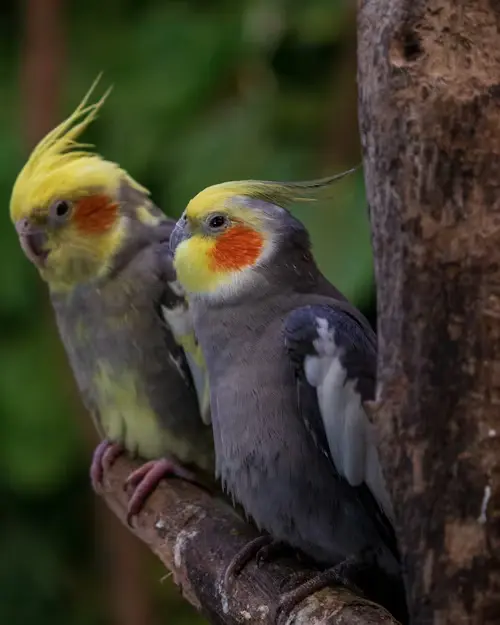
Identifying when your cockatiels are ready to breed involves observing multiple physical and behavioral cues in combination. These signs of breeding readiness help you determine the optimal time for introducing pairs or creating breeding conditions.
Physical Indicators of Breeding Readiness
The physical changes in breeding-ready cockatiels are often subtle but reliable indicators of their reproductive status. For him Cockatiels about to breed display several noticeable physical transformations that signal their readiness.
Condition of plumage provides important breeding readiness information. Cockatiels about to breed typically present their finest feather appearance. Their plumage looks exceptionally smooth and tight to the body, without the fluffy appearance of everyday preening. The yellow cheek patches on males often appear brighter, and their crests tend to be held in a confident, slightly raised position rather than the casual angles seen during non-breeding periods.
Physical activity levels increase noticeably in breeding-ready pairs. You’ll observe them exploring their environment more actively, particularly investigating potential nesting sites. Males might perform more flight displays or demonstrate impressive hovering capabilities near interested females. This increased energy reflects rising hormone levels and the imminent activation of their reproductive system.
Cloacal swelling represents one of the most distinctive physical signs of breeding readiness. In males, the area becomes slightly swollen and more pronounced. This swelling makes contact during mating more effective. Females show similar but typically less dramatic swelling of the cloacal area. This change becomes visible when the bird raises its tail or moves in certain positions.
Weight changes occur in many breeding birds. Females preparing for egg production often gain a small amount of weight – perhaps 5-10% of their normal body weight. This provides nutritional reserves for the demanding egg formation process. Males might maintain stable weight but show changes in muscle definition, particularly in the chest and back areas.
Behavioral Bonding Between Potential Mates
The courtship process between cockatiels involves remarkably ritualized behaviors that demonstrate compatibility and readiness for breeding. Watching these interactions offers fascinating insight into your birds’ relationship development.
Mutual preening escalates into one of the most reliable signs of bonding between potential mates. Casual preening transforms into dedicated, intimate grooming sessions. The pair spends extended periods preening each other’s faces, crests, and head areas – spots difficult to reach independently. This meticulous grooming strengthens their pair bond while serving the practical purpose of preparing both birds for the intensive parenting period ahead.
Synchronized movements indicate deepening connection between the pair. You’ll notice them perching side by side, often matching body positions or movements. Some pairs develop a gentle swaying pattern, both birds rocking slightly in unison. This coordinated “dancing” represents a courtship behavior that demonstrates their compatibility as a breeding team.
Vocal communication becomes more complex and pair-specific. The couple develops unique call patterns and may take turns making soft vocalizations to each other. Some pairs establish a distinctive whistle exchange that they use when separated, essentially creating their own communication system. This pair-specific language typically appears only when birds form strong bonds with breeding potential.
Feeding behaviors between compatible pairs show fascinating development. The male begins demonstrating “courtship feeding” by offering food to the female. This regurgitation behavior may seem odd to us but perfectly mimics natural pair bonding. The female often accepts these offerings eagerly, sometimes begging for food with distinctive movements that trigger the male’s feeding response.
Signs of Compatible Breeding Pairs
Not all cockatiels who show breeding signs should be allowed to breed. Identifying truly compatible pairs requires observing their interactions for specific positive indicators that suggest successful breeding potential.
Mutual tolerance represents the foundation of compatible pairs. The birds don’t just accept each other’s presence – they actively show positive responses when near each other. This includes moving closer when separated, maintaining physical contact for extended periods, and showing relaxed body language in each other’s company. Compatible pairs don’t display aggression or fear when sharing close spaces.
Equal interest levels matter significantly. A truly compatible pair shows mutual attraction – the female demonstrates interest in the male’s displays, and the male responds appropriately to female signals. One-sided interest often indicates incompatibility, as breeding requires participation from both birds. Watch for female responses to male advances; receptive females demonstrate specific body postures, including slightly crouching or tilting the body during courtship.
Shared territory claims without conflict strongly suggests compatibility. The pair chooses cage areas, perches, or play locations and uses them comfortably together. They may sleep side by side or share food dishes without territorial aggression. This peaceful sharing demonstrates the trust necessary for the demanding breeding period where constant proximity occurs.
Play compatibility indicates healthy relationships that extend beyond breeding. Compatible pairs engage in mutual toy play, taking turns or playing parallel with shared items. This cooperative play reveals intellectual compatibility that often predicts good parenting partnerships. Pairs who can amuse and engage each other typically maintain healthier relationships throughout breeding and non-breeding periods.
Signs of emotional connection distinguish casual coexistence from true pair bonding. Compatible pairs show anxiety when separated and visible relief when reunited. They may contact call when one bird leaves the immediate vicinity. Some pairs develop specific greeting behaviors upon reunion that they don’t display with other birds or humans.
When to Separate Breeding Pairs
Recognizing when to separate breeding pairs is as important as knowing when to keep them together. Several situations warrant temporary or permanent separation to protect the birds’ health and welfare.
Excessive aggression beyond normal territorial behavior indicates potential incompatibility. Watch for persistent chasing, significant feather damage, or targeted aggression toward specific body areas. Some aggression occurs around specific resources like food or favored perches, but generalized aggression suggests the pair isn’t compatible for breeding. One bird bullying another shouldn’t be permitted to continue if breeding is your goal.
Health concerns of either bird warrant immediate separation for breeding reconsideration. Ongoing illnesses, poor body condition, or age-related problems prevent successful breeding. Birds under one year old or over eight years old for females face increased breeding complications. Physical deformities affecting movement ability make parenting difficult or impossible.
Failed breeding attempts without successful eggs despite proper conditions over multiple cycles may indicate the pair isn’t viable. Some birds simply aren’t compatible despite showing individual breeding readiness. Rather than allowing repeated unsuccessful attempts, consider pairing with different partners or redirecting to non-breeding relationships.
Excessive mating attempts creating over-stimulation or aggression require separation. If the male harasses the female continuously or the female defends excessively against male attention, breeding stress damages the relationship. Some pairs show initial interest but can’t maintain the balance of interaction necessary for successful breeding.
Fortunately understanding your cockatiels’ breeding readiness helps you make informed decisions about their care. Whether supporting a compatible pair through breeding or managing a pet bird experiencing hormonal surges, recognizing these signs puts you in the best position to support your birds’ health and natural behaviors.
FAQ: Cockatiel Bird Breeding Season Questions
This FAQ section addresses common questions about cockatiel bird breeding season, helping you understand this complex topic’s many aspects.
When do cockatiels breed indoors?
Cockatiels can breed indoors year-round when conditions support breeding biology. Unlike their wild counterparts who breed once annually during Australia’s spring months, indoor cockatiels respond to environmental triggers rather than seasonal calendars. When your home provides: adequate warmth (70-85°F), abundant and nutritious food, suitable nesting sites, extended daylight hours (14-16 hours), and minimal environmental stress, your birds interpret these conditions as optimal breeding opportunities.
The most active breeding periods in homes typically coincide with natural light changes – spring and early summer – but indoor lighting can trigger breeding anytime. Some owners notice increased breeding behavior after major cage rearrangements or when introducing new, nest-like furniture. Even single female cockatiels may show breeding behaviors and lay infertile eggs alone. Understanding these triggers helps you either encourage or discourage breeding based on your goals and your birds’ health status.
How can I tell if my cockatiels are about to breed?
Your cockatiels display multiple signs when breeding approaches. Watch for these key indicators:
Physical changes include brighter plumage, increased activity levels, and noticeable cloacal swelling in both sexes. Males often show more vibrant coloration in cheek patches and carry their crests in more confident postures. Females might gain 5-10% body weight as they prepare for egg production.
Behavioral changes become dramatic as breeding nears. Your birds develop specific bonding behaviors including extensive mutual preening, taking all head and facial areas. You’ll observe the female’s increased nest exploration – searching dark corners, investigating boxes, or creating arrangements from available materials. The male performs elaborate courtship displays involving crest raising, wing spreading, and bouncing movements often accompanied by distinctive vocalizations.
The pair begins shared behaviors including synchronized movements where they perch closely and match body positions. You’ll notice the male offering courtship feeding to the female through regurgitation – a behavior that seems odd but perfectly natural for establishing breeding pairs. Both birds show increased territoriality about their space while simultaneously demonstrating deeper bonding through contact calling and visible concern when separated.
How often do cockatiels breed in captivity?
Cockatiels in captivity potentially breed much more frequently than their wild counterparts. While wild Australian cockatiels breed just once yearly during brief seasonal windows, pet birds face no natural limitations on breeding cycles.
The typical breeding cycle from pairing through chick independence takes approximately 8-12 weeks. Under optimal conditions, this allows for 2-3 breeding attempts per year in captivity. However, just because cockatiels can breed frequently doesn’t mean they should. Most avian veterinarians recommend allowing 6-month rest periods between breeding attempts to prevent health complications, particularly for females who risk calcium depletion from repeated egg production.
Several factors influence breeding frequency in captivity. Age significantly affects breeding potential – most breeders consider 1-8 years ideal breeding ages. Environmental conditions including temperature, lighting, and nutrition directly impact reproductive readiness. The birds’ overall health status determines whether breeding attempts succeed or fail. Pairs with strong bonds tend to breed more successfully than mismatched or incompatible birds.
Some experts consider limiting breeding birds to one successful clutch annually more appropriate for long-term health. Others work with briefer 4-6 month rest periods if nutrition support and health monitoring are rigorous. The best approach depends on your birds’ specific conditions and your breeding goals.
What should I do if my cockatiel won’t stop laying eggs?
Female cockatiels can develop problematic chronic egg-laying behaviors, especially when environmental triggers remain constant. A single female without a male often continues laying infertile eggs when her body perceives breeding conditions as permanently available. This behavior poses significant health risks requiring intervention.
First, modify environmental triggers to signal non-breeding conditions. Reduce daylight exposure to 10-12 hours maximum daily using cage covers or room darkening techniques. Lower ambient temperature slightly if possible, though always remain within safe ranges (above 65°F). Rearrange cage furniture frequently to disrupt established territory patterns that trigger breeding instincts.
Review your interaction patterns that might inadvertently signal breeding behavior. Avoid petting your bird’s back, under wings, or tail areas. Redirect bonding to perch sitting and training activities rather than cuddling or “shoulder time.” Don’t allow your bird to explore inside your clothing or hide in long hair.
Dietary management helps reduce breeding stimulation. Eliminate high-calorie treat foods and avoid perceived “surplus” conditions that signal resource abundance. Continue nutritious maintenance diet but without excess levels that might trigger breeding biology. Consider increased exercise through supervised flight time or foraging activities to redirect energy.
Environmental nesting opportunities require elimination. Remove potential nest sites including box beds, happy huts, or enclosed spaces your bird favors. Block access to dark, secluded areas like behind furniture or under beds where your bird investigates for nest sites. To meet natural needs without triggering breeding, provide shreddable toys in open areas rather than confined spaces.
For problematic cases, veterinary intervention may be necessary. Your avian veterinarian can assess calcium levels and overall health status, providing supplements if needed. In extreme situations, hormone treatments may temporarily stop egg production, though this approach addresses symptoms rather than underlying environmental triggers.
How can I support my breeding cockatiels?
Supporting breeding cockatiels requires providing optimal conditions while respecting their natural behaviors. The goal is to create success while minimizing stress.
Provide appropriate nesting accommodations including commercial cockatiel nest boxes approximately 12x12x12 inches with 3-inch entrance holes. Position boxes higher in the cage or aviary and secure them firmly to prevent accidents. Use appropriate nesting materials like pine shavings or recycled paper products, never potentially toxic materials like cedar or corn cob bedding.
Nutrition becomes critical during breeding. Gradually increase protein and calcium-rich foods 6-8 weeks before anticipated breeding. Offer chopped hardboiled eggs including shells for calcium, sprouted seeds, legumes, and dark leafy greens. Continue enhanced nutrition through egg-laying and chick-feeding periods. Avoid sudden dietary changes that might stress breeding birds.
Create privacy and security for breeding pairs. Locate breeding areas in quiet home zones away from high traffic or loud noises. Maintain consistent household routines around breeding birds to reduce stress. Consider covering cage sides with light cloth to create the protected feeling cockatiels seek in natural nesting sites.
Monitor pair compatibility carefully. Not all potential pairs work well together. Watch for equal interest levels, mutually tolerated behaviors, and appropriate sharing of resources. One bird persistently dominating or evading another signals potential incompatibility requiring separation.
Control external stressors during breeding periods. Limit cage cleaning to essential tasks only to avoid disturbing established territories. Reduce handling of breeding birds unless they’re highly bonded to you and accepting of interaction. Never allow other pets near breeding areas and instruct family members about respecting the birds’ space.
Documentation helps track breeding success. Record egg-laying dates, numbers, and fertility. Monitor chick development and note any complications or health concerns. This information proves valuable for adjusting management practices in future breeding seasons.
Conclusion: Understanding Your Cockatiels’ Breeding Journey
Understanding cockatiel bird breeding season transforms your relationship with these charming Australian natives. Whether you’re hoping to welcome baby cockatiels into your home or simply want to understand why your birds’ personalities change throughout the year, knowledge about their breeding behaviors empowers you to make informed decisions about their care.
Have you noticed breeding behaviors in your cockatiels? Are you considering supporting breeding pairs or managing hormonal surges in your pets? Share your experiences in the comments below – your story might help other cockatiel enthusiasts understand their own birds better. For more information about cockatiel care beyond breeding season, explore our other articles on cockatiel behavior and health care.