African Grey Parrot Food: Best Secrets for Healthy, Happy Birds

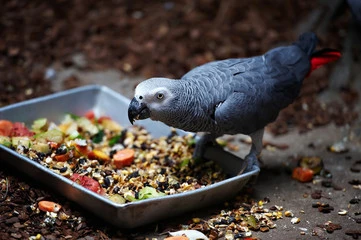
You’re sipping coffee while your African Grey parrot eyes you intently, tilting its head as you crunch toast. Suddenly, it mimics your snack-time sounds—its way of saying, “What’s mine?” Feeding these brilliant birds isn’t just about filling a bowl; it’s about nurturing a bond that deepens with every nutritious bite. African Grey Parrot Food plays a crucial role in this connection.
But here’s the challenge: African Greys have complex dietary needs. Animal nutritionist Dr. Susan Orosz notes that 60% of parrot health issues stem from poor diets. Whether you’re a new owner or refining your routine, this guide unlocks the secrets of african grey parrot food—fueling longevity, vibrant plumage, and a chatty, engaged companion.
Table of Contents
African Grey Parrot Food: What Nature Designed
Wild African Grey Eating Habits
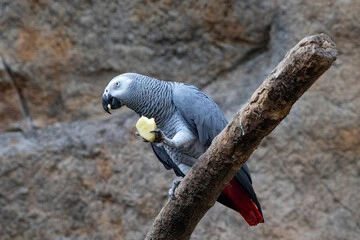
In West and Central Africa’s rainforests, wild African Greys feast like gourmet foragers:
- Oil palm fruits: Their staple, rich in vitamins and healthy fats.
- Native seeds and nuts: Foraged from trees like Terminalia superba.
- Leaf buds, flowers, and bark: Adds fiber and trace minerals.
- Occasional insects: Protein boosts, especially for breeding pairs.
Studies in Avian Biology Research show wild Greys consume 18–25 food types daily. This diversity keeps their immune systems sharp—something captive birds miss unless we replicate it.
How Captivity Changes Nutritional Needs
Pet African Greys burn fewer calories than wild ones, but their brains still demand high-energy nutrition. Common pitfalls:
- Seed-only diets: High in fat, deficient in vitamins.
- Human-food risks: Chocolate, avocado, and salt harm parrots.
- Calcium gaps: Grays are prone to deficiency (“Hypocalcemia”), leading to seizures.
Wild vs. Captive Diet Comparison Table:
| Nutrient | Wild Diet Sources | Captive Diet Must-Haves |
|---|---|---|
| Vitamin A | Palm fruit, mangoes | Sweet potatoes, carrots |
| Calcium | Bone gnawed from prey | Cuttlebone, leafy greens |
| Healthy Fats | Nuts, palm oil | Flaxseed, walnuts |
| Protein | Insects, figs | Cooked lentils, quinoa |
Building Your African Grey’s Diet: 3 Essential Components
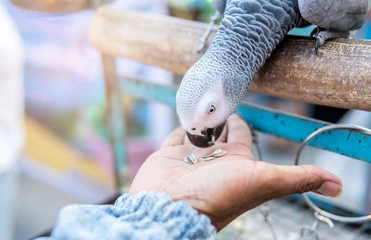
1. Pellets: The Dietary Foundation
High-quality pellets should make up 50–70% of their diet. Look for:
- Organic, dye-free brands (e.g., Harrison’s, TOP’s).
- Calcium-fortified formulas (2:1 calcium-to-phosphorus ratio).
- Mixed sizes to encourage foraging behavior.
Pro Tip: Transition seed addicts slowly. Mix pellets into seeds over 2–4 weeks while adding warm mash (see below).
2. Fresh Foods: Color = Nutrition
Rotate these daily (aim for 6+ types weekly):
Veggies & Greens:
- Leafy greens: Kale, Swiss chard, dandelion greens.
- Crunchy veggies: Bell peppers, zucchini, broccoli stems.
- Orange heroes: Carrots (vitamin A) & cooked sweet potato.
Fruits (Sugar in Moderation):
- Berries, papaya, pomegranate seeds.
- Avoid: Avocado (toxic), citrus (too acidic).
Grains & Legumes:
- Cooked brown rice, quinoa, or barley.
- Sprouted lentils or chickpeas (soak 48h, then rinse).
3. Healthy Extras: Fats and Proteins
- Nuts/Seeds: 2–3 almonds or walnuts daily. Use as training treats.
- Animal protein: Optional, but cooked egg (with shell) supports molting.
- Red palm oil: ¼ tsp weekly mimics wild fats.
Foods to Never Feed African Grey Parrots
⚠️ These are toxic or high-risk:
- Avocado (persin causes cardiac arrest).
- Chocolate, caffeine, alcohol.
- Onions, garlic (hemolytic anemia).
- Apple seeds, cherry pits (cyanide).
- Salty, sugary, or fried human foods.
Feeding Schedule & Portions
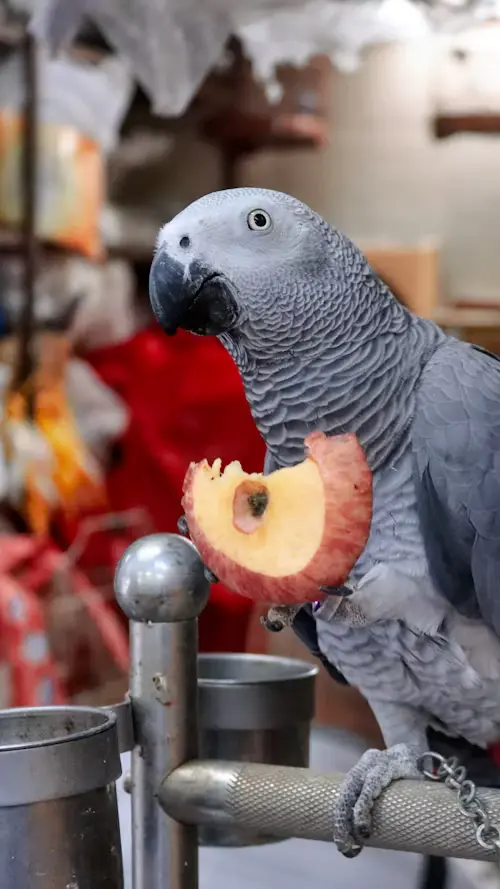
Daily Routine:
- Morning: Fresh chop (veggie/fruit mix) + pellets.
- Afternoon: Foraging toys with nuts/seeds inside.
- Evening: Warm “mash” (grains, legumes, chopped greens).
Portion Size:
| Bird Weight | Daily Food |
|---|---|
| 400–650g | 1/3–½ cup pellets + ¼ cup fresh foods |
Tip: Weigh food weekly. Obesity risks rise if portions exceed 10% of body weight.
Solving Common Feeding Challenges
“My Grey Only Eats Seeds!”
- Mix pellets into seeds, gradually increasing pellet ratio.
- Soak pellets in unsweetened juice for familiarity.
- Eat together: Parrots mimic flock behavior. Offer veggies from your plate.
Reducing Food Waste
- Serve small portions: Fill dishes 2x/day (prevents tossing).
- Foraging toys: Stuff Kabobs or puzzle feeders to engage them.
Calcium Boosters
- Cuttlebone: Mount in cage for natural chewing.
- Collard greens, dill, basil: Serve 3x weekly.
- Liquid calcium (vet-prescribed if deficient).
Supplementation: Is It Necessary?
Most Greys don’t need supplements if eating varied foods. Exceptions:
- Vitamin D3: Needed if housed indoors (no sunlight).
- Probiotics: Use after antibiotics or digestive issues.
- Omega-3s: Flaxseed oil supports feather health.
Real Owner Insight [via African grey diet]: “I add organic palm oil to my Grey’s cooked grains—her feathers have never looked better!”
FAQs: African Grey Parrot Food
Can African Greys Eat Meat?
Occasionally, yes. Scrambled eggs (with shell) or cooked chicken offer protein. Avoid raw meat or seasoning.
Are Seeds Bad for African Greys?
Not inherently—but seeds shouldn’t dominate their feeding African greys plan. Opt for sprouted seeds for higher nutrition.
How Do I Store Fresh Foods Safely?
- Wash veggies in vinegar water.
- Freeze chopped mixes in weekly portions.
- Toss uneaten fresh food after 4 hours.
What’s the #1 Best Food for Grey Parrots?
A rotating mix: pellets + 20% veggies + 10% fruits + 5% nuts/seeds. Variety prevents boredom and deficiencies.
Your Next Steps for a Thriving Parrot
You’ve now mastered the art of african grey parrot food. But remember: diets evolve. Watch for dull feathers, weight changes, or mood shifts—they signal nutritional tweaks are needed.
Deepen your care journey:
- Learn cost tips at African Grey costs.
- Unlock speech secrets in our African Grey talking guide.
Join the Flock: Share your Grey’s favorite meal below! What veggie makes them dance? 🥦🦜 Together, we’ll raise happier, healthier parrots.