Outdoor Bird Aviary: Proven Ways to Build a Loving Home

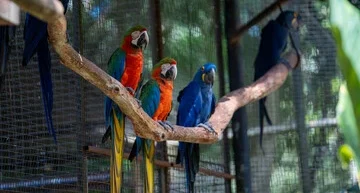
Bringing the Sun to Your Birds
I remember the first time I rolled my African Grey’s cage onto the porch for an hour. He went from a quiet, indoor bird to a whistling, curious soul in minutes. That moment changed how I thought about bird keeping. While indoor cages are standard, an outdoor bird aviary is a gift of freedom and health that few other things can match. It is about more than just extra space. It is about the wind in their feathers, the direct sun on their skin, and the mental stimulation of the changing world around them.
However, putting a bird outside is not as simple as moving a cage to the grass. You have to think about hawks, stray cats, mosquitoes, and the weather. This guide will walk you through everything you need to know to create a sanctuary that is both beautiful and safe.
Table of Contents
The Benefits of Fresh Air and Sunlight
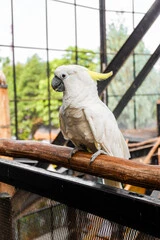
Birds evolved to live outdoors. Their bodies need direct sunlight to produce Vitamin D3, which helps them absorb calcium. Without enough sun, birds can develop brittle bones or even behavioral issues like feather plucking. An indoor light bulb helps, but nothing beats the real thing. When a bird spends time in an outdoor bird aviary, you will notice their feathers look glossier and their energy levels improve. They become more active because there is more to see and do. They watch the clouds, listen to local wild birds, and experience the natural cycle of the day. This reduces boredom and keeps their minds sharp.
The Psychological Impact
Imagine living in a room with the curtains drawn forever. That is what life can feel like for some indoor birds. The outdoors provides a sensory experience that is impossible to replicate. The smell of rain, the sound of leaves, and the sight of a butterfly are all forms of enrichment. I have seen birds that were aggressive or shy completely transform after spending a few hours a day in a safe outdoor space. They seem more grounded and less prone to screaming for attention.
Starting with Proper Planning
Before you pick up a hammer or buy a pre-made kit, you need a plan. You have to consider your yard, your climate, and your specific birds. If you search for outdoor bird aviary plans, you will see everything from small balcony enclosures to massive walk-in structures. The size of your yard is the biggest factor, but the size of your bird matters too.
Location is Everything
You want a spot that gets a mix of sun and shade. If the aviary is in direct sun all day, your bird could overheat. If it is in deep shade, they miss out on the UV benefits. I prefer a spot near a tree that provides a natural windbreak but still allows morning sun to hit the perches. Also, think about noise. If you have neighbors close by, putting a loud Macaw right next to their fence might cause trouble. Place the aviary where you can see it from a window so you can keep an eye on your pets without always being outside.
Safety First: Predator Proofing Your Design
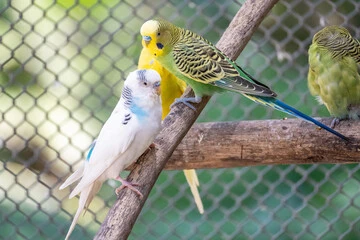
This is the most important part of the entire project. The world outside is full of things that want to hurt your bird. From hawks and owls to raccoons, cats, and even snakes, you must build with defense in mind. A predator-proof outdoor aviary design is non-negotiable. It only takes one mistake for a tragedy to happen.
Mesh Gauge and Spacing
The wire you choose is your first line of defense. For most parrots, you want stainless steel or powder-coated wire. Never use galvanized wire that has ‘white rust’ on it, as the zinc is toxic if they chew it. The spacing must be small enough that a bird cannot get its head through and a predator cannot reach its paw in. For small birds, 1/2 inch by 1/2 inch is standard. For larger birds, you can go up to 1 inch, but be aware that smaller predators like rats can squeeze through 1-inch gaps. Double-wiring the aviary with a two-inch gap between the inner and outer mesh is the gold standard for safety.
The Danger From Below
Raccoons and rats love to dig. If your aviary sits directly on the grass, they will dig right under the frame. You have two main options here. You can set the aviary on a concrete pad, which is easy to clean and impossible to dig through. Or, you can bury the wire mesh at least 12 to 18 inches into the ground all around the perimeter. This creates an underground fence that stops diggers in their tracks.
Building Your Own: DIY Tips
If you are handy with tools, a DIY outdoor aviary for parrots can save you thousands of dollars. It also allows you to fit the enclosure into a specific corner of your garden. When building, avoid using pressure-treated wood. The chemicals used to preserve the wood are toxic to birds that like to chew. Instead, use bird-safe woods like cedar (if well-weathered) or untreated pine that you seal with a bird-safe finish. Many builders prefer aluminum frames because they do not rot, they are lightweight, and birds cannot chew through them.
Essential Components Table
When planning your build, keep these parts in mind:
| Component | Recommended Material | Purpose |
|---|---|---|
| Frame | Aluminum or Untreated Wood | Provides structure and stability. |
| Mesh | Stainless Steel (12-16 gauge) | Keeps birds in and predators out. |
| Roof | Polycarbonate or Metal | Protects from rain and hawk attacks. |
| Floor | Concrete or Tiled Stone | Prevents digging and makes cleaning easy. |
| Hardware | Stainless Steel Bolts/Screws | Prevents rust and heavy metal poisoning. |
The Right Dimensions for Different Birds
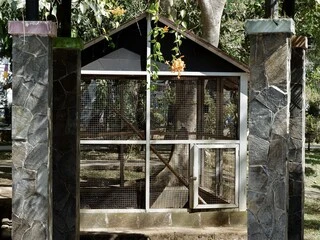
Size matters. A bird should be able to fly, not just hop, in an outdoor space. For medium-sized birds like Conures or Senegals, outdoor aviary dimensions for medium parrots should be at least 6 feet long, 3 feet wide, and 6 feet high. This gives them enough room to stretch their wings and move around. For larger birds like Cockatoos or Macaws, you really want a walk-in style that is at least 10 to 12 feet long. The height is also important because birds feel safer when they can perch above human eye level. If the aviary is too short, they may feel vulnerable and stressed.
Weatherproofing for the Elements
Unless you live in a place with perfect weather year-round, you need to think about rain, wind, and heat. Using weatherproof outdoor aviary materials will ensure the structure lasts for years. I recommend covering at least one-third of the roof with a solid material like polycarbonate panels. This gives the birds a dry place to sit during a rain shower and a shady spot when the sun is high. In colder months, you might need to wrap parts of the aviary in clear heavy-duty plastic to block the wind while still letting in light.
Safety Locks and Double Entry
The door is the weakest point of any aviary. It is where birds escape and where humans make mistakes. Using outdoor aviary safety locks and latches is vital. I always suggest a double-door entry system, often called a ‘safety porch’ or ‘man-trap’. You enter the first door, close it behind you, and then open the second door to reach the birds. This way, if a bird flies toward the door, they are still contained in a small vestibule rather than escaping into the open sky. For the locks, use padlocks or carabiners that require a bit of dexterity. Raccoons are surprisingly good at sliding simple latches open.
Interior Design: Perches and Enrichment
Once the shell is built, it is time to make it a home. Don’t just put one perch in the middle. Use natural branches of different thicknesses to exercise their feet. Make sure the perches are securely fastened so they don’t wobble. You can even plant bird-safe bushes inside the aviary if it is large enough. This gives them a sense of being in the wild. Make sure to place food and water dishes in a spot where they won’t be soiled by droppings from perches above. I also like to include a ‘bath station’—a shallow dish or a misting system—since birds love to bathe when they are outside in the sun.
Maintenance and Cleaning
An outdoor aviary requires regular upkeep. You need to hose down the floor daily to prevent the buildup of droppings and old food, which can attract flies and rodents. Once a week, scrub the perches and check the mesh for any signs of rust or damage. Look for gaps where the mesh meets the frame. Birds are experts at finding small holes and making them bigger. Also, keep an eye out for ‘visitors’ like spiders or wasps. While a few spiders are fine, you don’t want a wasp nest forming inside where your bird might get stung.
Is Your Bird Ready for the Outdoors?
Not every bird is ready for an outdoor bird aviary immediately. If your bird has lived its whole life in a quiet room, the sounds of the neighborhood might be terrifying at first. Start slow. Put them in the aviary for ten minutes while you sit with them. Give them their favorite treats. Gradually increase the time as they become more comfortable. Watch their body language. If they are pinned to the side of the cage and panting, they are stressed or hot. If they are whistling and exploring, they are having a great time.
Common Mistakes to Avoid
One big mistake is using thin ‘chicken wire’. Chickens are not parrots. A parrot can snip through chicken wire like a hot knife through butter. Another mistake is forgetting about the neighbors’ pets. If a neighbor’s cat spends all day staring at your bird, your bird will be in a constant state of fear. You might need to add a privacy screen or a solid wall on one side of the aviary to give your bird some peace.
Frequently Asked Questions about Outdoor Bird Aviary
Can parrots sleep in an outdoor bird aviary?
Yes, they can, but only if the temperature is right and the enclosure is fully predator-proof. Most owners prefer to bring their birds inside at night for safety and to spend time with them. If you leave them out, they need a fully enclosed, draft-free sleeping box.
How do I stop mosquitoes from getting to my birds?
Mosquitoes can carry diseases like West Nile Virus. To protect your birds, you can use a fine mosquito netting over the exterior of the aviary. Also, make sure there is no standing water nearby where mosquitoes can breed.
Is a DIY outdoor aviary for parrots better than a store-bought one?
It depends on your budget and skill. A DIY build is often stronger and more customized, but a high-quality store-bought aluminum aviary is easier to assemble and looks very professional. The key is ensuring the materials are safe regardless of where it comes from.
What are the best outdoor aviary dimensions for medium parrots?
For medium birds like Cockatiels or Conures, aim for a space at least 6 feet long and 6 feet high. This allows them to fly and maintain their muscle tone. Always go as large as your space and budget allow.
Final Thoughts on Outdoor Living
Building an outdoor space for your feathered friends is one of the most rewarding projects you can take on. It changes their quality of life in a way that no toy or treat can. By focusing on a predator-proof outdoor aviary design and choosing the right materials, you create a worry-free environment where your birds can be birds. Start small if you have to, but give your pets the chance to see the sky.
They will thank you with brighter feathers, louder songs, and a much happier spirit. If you need help picking out the right accessories for the inside, check out our guide on the best toys for your setup. It is time to get outside and start building!