Indoor Bird Aviary: Proven Ideas for Happy Birds

The Dream of Home Flight
I still remember the first time I saw my Conure, Pip, really stretch his wings. He was not just hopping from one perch to another; he was actually flying. It happened after I finally moved him from a standard cage into a dedicated indoor bird aviary. The difference in his mood was almost instant. He went from a bird that screamed for attention to one that spent his day exploring, foraging, and just being a bird. If you have been thinking about making this switch, you are about to make the best decision for your feathered friends.
Table of Contents
Why a Standard Cage Often Falls Short
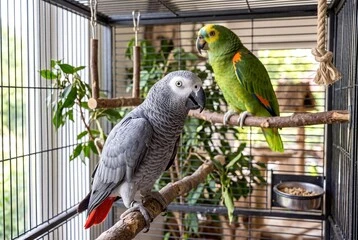
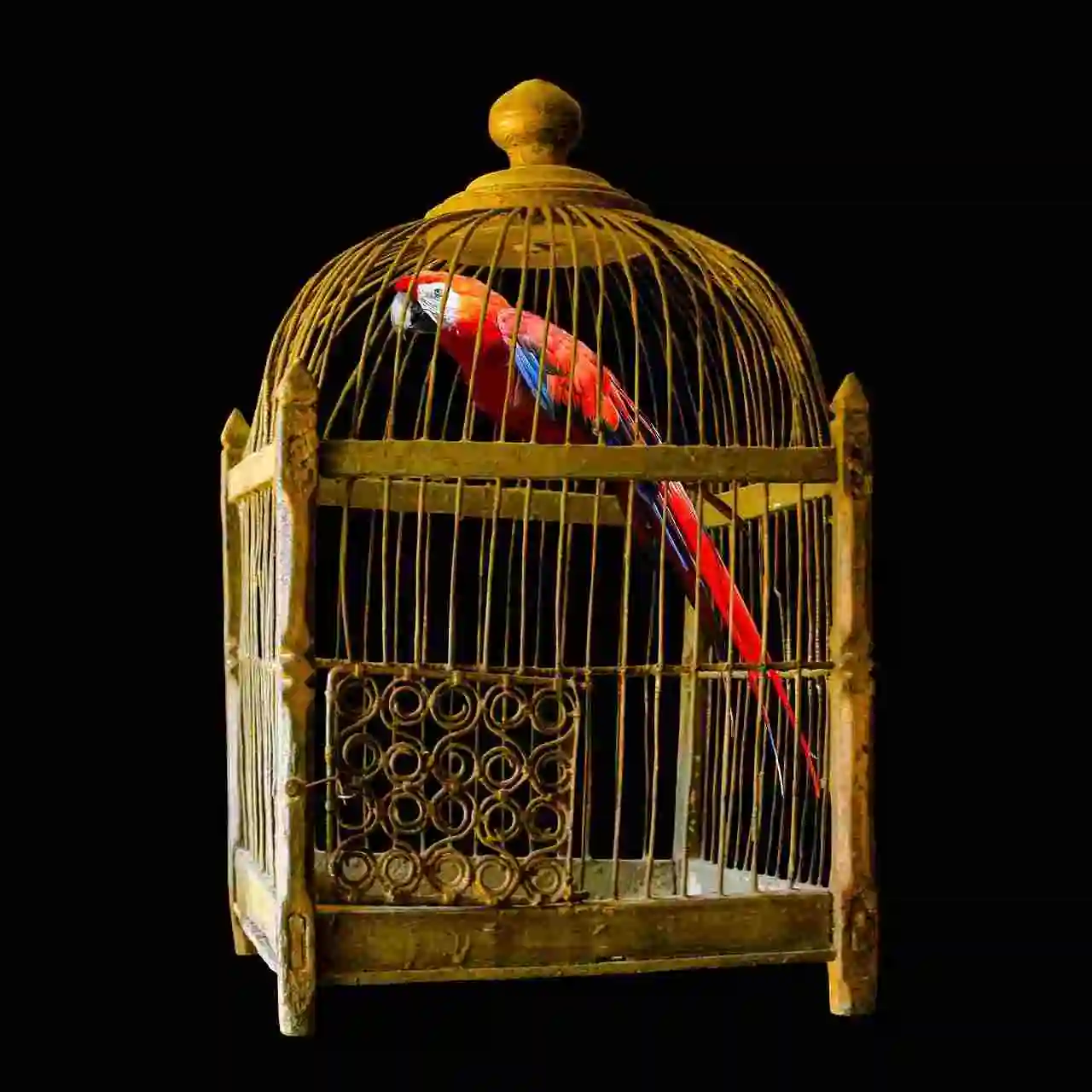
Most cages sold in pet stores are designed for human convenience, not bird health. They fit on a nightstand or in a corner, but they rarely offer enough horizontal space for a parrot to fly. When a bird stays in a small space, they get bored. Boredom leads to feather plucking, screaming, and aggression. An aviary changes the math. It offers room for multiple perches at different heights and the chance for your bird to exercise their chest muscles every single day.
Planning Your First indoor bird aviary
You cannot just throw some mesh together and call it a day. Planning is where the success of your aviary lives or dies. First, you need to think about the space. Is this going to be a corner unit, or are you dedicating an entire room? I prefer using a corner because the two solid walls provide a sense of security for the birds. They do not feel like predators can sneak up on them from behind.
Choosing the Right Room
Air quality is the biggest factor here. Do not put an aviary in or near the kitchen. Fumes from non-stick pans are lethal to birds. You also want a room with a floor that is easy to clean. Think tile or linoleum. Avoid carpet at all costs unless you want to spend your life with a steam cleaner.
indoor aviary for parrots: Size Matters
When you look for an indoor aviary for parrots, the bigger is always the better. For a medium-sized bird like a Grey or an Amazon, you want at least six feet of length. This allows for several wing beats before they hit the other side. If you have smaller birds like budgies or finches, you can focus more on vertical space, but horizontal flight paths are still the priority.
Materials That Won’t Poison Your Bird
This is the part where many people mess up. Never use galvanized wire. It contains zinc, which is toxic if your bird chews on it. And believe me, parrots will chew on everything. Use stainless steel mesh or powder-coated aluminum. It costs more, but it lasts forever and it will not kill your bird.
Creative small indoor aviary designs for Apartments
Just because you live in a small apartment doesn’t mean you can’t have an aviary. I have seen some brilliant small indoor aviary designs that use vertical space to their advantage. One popular method is the ‘IKEA hack’ where you use a large glass cabinet frame and replace the glass with bird-safe mesh. This keeps the footprint small but gives the birds a height advantage.
The Lean-To Design
Another great option is a lean-to style that sits against a wall. It might only be two feet deep, but if it is six feet wide and six feet tall, it provides a massive amount of flight room without taking over your entire living room.
DIY indoor bird aviary plans and Safety
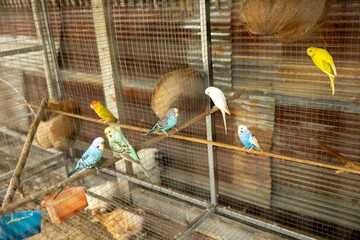
If you are handy with a drill, building your own is the way to go. You can find plenty of DIY indoor bird aviary plans online that use simple framing. I suggest using untreated wood like pine or larch if you choose a wood frame. Just be prepared for the birds to chew the frame over time.
Step-by-Step Framing Logic
1. Build your base first. Use a heavy material so the aviary doesn’t tip. 2. Create your wall frames separately on the floor. 3. Attach your mesh to the inside of the frames so the birds can’t reach the wood as easily. 4. Bolt the walls together and add a ceiling. 5. Install a double-door system. This is a small entry area that prevents birds from flying out when you walk in.
Walk-In Indoor Aviary Setup: A True Game Changer
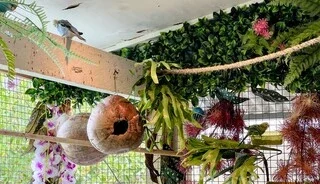
If you have the space, a walk-in indoor aviary setup is the gold standard. It makes maintenance so much easier. You can walk in with a hose or a mop and clean the entire space in minutes. Plus, it allows you to sit inside with your birds. Spending time inside their territory helps build trust. It changes the dynamic from ‘owner and pet’ to ‘flock members.’
Essential Interior Features
– **Feeding Stations:** Place them away from perches so droppings don’t land in the food. – **Natural Branches:** Skip the smooth dowel perches. Use apple, willow, or manzanita branches of varying thickness. – **Foraging Trays:** Use the floor for large trays filled with pine cones, paper shreds, and hidden treats.
Lighting and Ventilation That Mimic the Sun
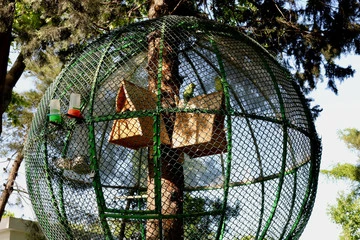
Birds see the world differently than we do. They need UV light to produce Vitamin D3 and to see the full color of their flock mates. Most window glass blocks these beneficial rays. You need to install full-spectrum LED or T5 lighting on a timer. Set it for 10-12 hours a day to mimic a natural day-night cycle.
Keeping the Air Fresh
Aviaries produce dust and dander. A good ventilation system is not just about smell; it is about respiratory health. I use a HEPA air purifier right next to the aviary. It catches the fine dust that cockatoos and greys produce before it gets into your lungs or theirs.
Adding Natural Texture: Safe Plants for Indoor Aviaries
Adding live plants makes the space feel like a real habitat. However, you have to be careful. Many common house plants are toxic. I have put together a list of bird-safe options that can handle a bit of nibbling.
| Plant Name | Safety Level | Benefits |
|---|---|---|
| Spider Plant | Highly Safe | Fast growing, easy to hang |
| Boston Fern | Safe | Provides great cover for shy birds |
| Areca Palm | Safe | Adds height and a tropical feel |
| Bamboo Palms | Safe | Sturdy enough for smaller parrots |
How to Maintain and Clean Your Indoor Aviary
An aviary is a big commitment to cleanliness. I recommend a deep clean once a week. Because the space is larger, the mess is spread out, which actually makes it feel cleaner than a small cage where waste piles up in one spot. Use a mixture of water and white vinegar for a safe, non-toxic disinfectant.
The Daily Routine
Every morning, I change the water and check the floor for any spoiled fresh food. I also do a quick ‘poop check’ on the main perches. If you stay on top of it, it only takes five minutes. If you wait a month, you will have a disaster on your hands.
FAQs about Indoor Bird Aviary
**Q: How much does an indoor bird aviary usually cost?**
A: If you go the DIY route, you can build a decent-sized one for $200 to $500. Commercial walk-in units can range from $1,000 to $5,000 depending on the materials used.
**Q: Can I keep different species together in an aviary?**
A: It depends on the birds. I have seen budgies and cockatiels live happily together, but I would never put a large macaw with a small conure. Always monitor them closely for the first few weeks.
**Q: Is it hard to keep the room clean?**
A: It is different. You will have seeds and feathers on the floor around the aviary. I recommend putting a 12-inch acrylic guard around the bottom of the mesh to catch most of the debris.
**Q: Do I still need to let my birds out of the aviary?**
A: If the aviary is large enough for full flight, they don’t *need* to come out for exercise, but they still need social time with you. I still let my birds out every evening for ‘couch time.’
Final Thoughts
Building an indoor bird aviary is an investment in your bird’s soul. You will see behaviors you never saw in a cage. You will see them forage, fly, and interact with their environment in a way that is truly natural. It takes some work and some planning, but the first time you see your bird take a full-speed flight across the room, you will know it was worth every penny. Ready to get started? Grab a tape measure and find that perfect corner in your home.