Hummingbird Predators Birds: Shocking Threats Exposed Now

The Secret World of Hummingbird Safety
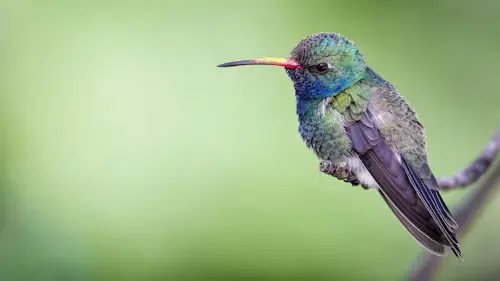
I remember the first time I saw a hummingbird in my backyard. It was a Ruby-throated male, his gorget flashing like a literal ruby in the sun. I was hooked. I spent weeks setting up the perfect garden, hanging feeders, and planting red tubular flowers. But one afternoon, the magic broke. I saw a flash of grey and a Sharp-shinned Hawk dove right toward my feeder. Luckily, the hummer was too fast that day, but it changed how I look at my garden. I realized that my yard was not just a sanctuary; it was a hunting ground for hummingbird predators birds.
Table of Contents
Understanding the Threat: Who Hunts the Hunters?
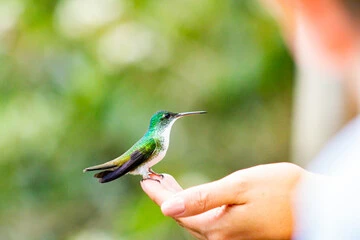
When we think of hummingbirds, we think of speed and agility. They move so fast that we assume they are untouchable. In reality, their small size makes them a target for a long list of animals. It is a tough world out there for a bird that weighs less than a nickel. While we want to enjoy their company, we also have a responsibility to understand the risks they face. Some of these threats are natural, but others are invited by our own garden choices.
The Aerial Attack: Birds of Prey
It sounds strange to think about birds that eat hummingbirds, but it happens more often than you might think. Small hawks are the biggest aerial threat. These raptors are built for speed and can maneuver through trees with terrifying precision. If you have ever wondered, do hawks eat hummingbirds? The answer is a definitive yes. Specifically, Sharp-shinned Hawks and Cooper’s Hawks are known to hang out near feeders, waiting for an easy meal. They don’t need a huge bird to make a snack; a hummingbird is a perfect high-energy bite for a small raptor.
The Butcher Bird: Loggerhead Shrike
Another surprising predator is the Loggerhead Shrike. This bird looks somewhat like a mockingbird, but it has the heart of a predator. Shrikes are famous for impaling their prey on thorns or barbed wire. I have read reports of birders finding tiny hummingbirds pinned to bushes. It is a gruesome sight, but it is part of how the shrike survives. They are patient hunters that sit on high perches and wait for the hum of wings.
The Danger in the Flowers: hummingbird predators in garden
While the sky is full of danger, the ground and the flowers themselves hold hidden risks. One of the most shocking predators is the Praying Mantis. I used to think mantises were great for the garden because they eat pests. Then I saw a photo of a large mantis clinging to a hummingbird feeder, holding a bird in its powerful front legs. It was a wake-up call. These insects are masters of camouflage. They sit perfectly still on a flower or a feeder, and when the hummingbird hovers to drink, they strike. Because hummingbirds are so light, the mantis can actually hold them down.
Domestic Cats: The Silent Stalker
We have to talk about cats. Even the sweetest house cat has a hunting instinct that is hard to shut off. If you have hummingbird feeders, you must keep your cats indoors. Cats like to hide in the bushes near a low-hanging feeder and pounce when the bird is distracted. Since hummingbirds often have to stay in one spot to feed, they are vulnerable to a quick jump. I always tell my neighbors to keep their cats away from my flower beds for this exact reason.
Protecting the Next Generation: hummingbird nest predators
Predation doesn’t just happen at the feeder. The nest is a very dangerous place. Hummingbird nests are tiny, about the size of a walnut shell, and they are made of spider silk and lichen. This makes them hard to see, but predators have sharp eyes. Blue Jays and Crows are notorious for raiding nests. They aren’t looking for the adult birds; they want the eggs or the tiny chicks. Even squirrels will take an opportunity to grab a snack from a nest if they find one. To protect nests, it is best to have thick, thorny bushes like roses or raspberries where mother birds can hide their homes.
How to protect hummingbirds from predators: Practical Steps
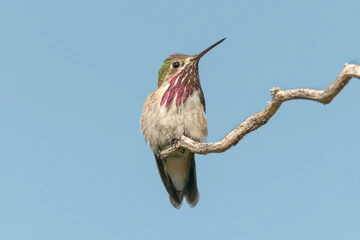
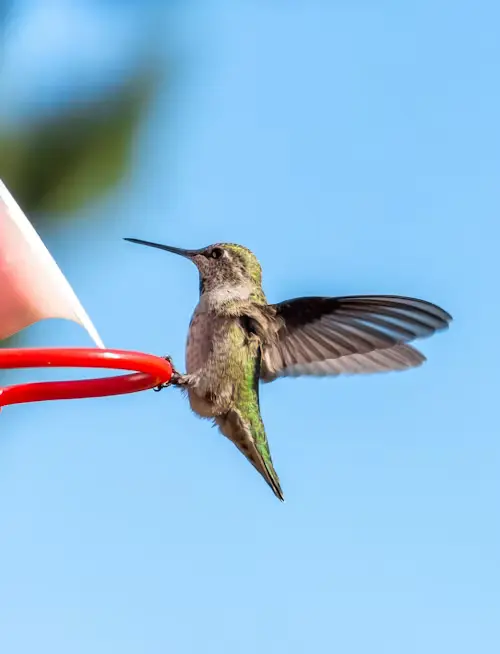
Knowing the threats is the first step, but how do we stop them? You don’t have to take down your feeders. You just need to be smart about where you put them. Visibility is everything. If a feeder is tucked away in a corner with nowhere for the bird to escape, it is a trap. I like to place my feeders at least ten feet away from dense bushes. This gives the hummingbird a clear view of any cats or hawks trying to sneak up, but it is close enough that they can dive into cover if a hawk comes from the air.
The Power of hummingbird feeder predator guards
If you have issues with climbing predators like snakes or raccoons, you need hardware. Using hummingbird feeder predator guards can make a huge difference. These are usually baffles or moats that prevent crawlers from reaching the nectar. Ants are a common problem that can actually drive hummingbirds away, and an ant moat filled with water solves that easily. For larger threats, a pole with a stovepipe baffle is the gold standard. It stops anything from climbing up to the feeder level.
Designing a Safe Garden
The layout of your yard matters more than you think. Avoid ‘predator perches.’ If you have a fence or a branch directly above a feeder, a hawk or a cat has a perfect spot to launch an attack. Trim back those branches. Instead, provide ‘safe perches’—small, thin twigs where hummingbirds can sit and survey the area without being easily seen from above. I also recommend planting native flowers that provide natural cover. Plants like Bee Balm and Salvia are great because they attract hummingbirds but don’t provide much cover for a hiding cat.
Table: Common Predators and How to Stop Them
| Predator | Risk Level | Protection Method |
|---|---|---|
| Hawks | High | Place feeders near (but not inside) cover. |
| Domestic Cats | Very High | Keep cats indoors; remove low hiding spots. |
| Praying Mantis | Medium | Check feeders daily; relocate mantises. |
| Crows/Jays | Medium | Plant thorny bushes for nesting. |
| Snakes/Raccoons | Low | Use pole baffles and guards. |
Community Stories: Learning from Other Birders
I spend a lot of time on birding forums, and the stories there are eye-opening. One person shared how they lost three hummingbirds to a single mantis before they realized what was happening. Another birder mentioned how their local Blue Jay started targeting the feeders specifically to catch the smaller birds. These stories remind us that nature is always adapting. We have to stay one step ahead. It isn’t about being paranoid; it is about being an informed host for these tiny creatures.
FAQ: Hummingbird Predators Birds
What is the most common bird that eats hummingbirds?
The most common hummingbird predators birds are small raptors like the Sharp-shinned Hawk and the Cooper’s Hawk. They are incredibly fast and hunt in suburban backyards where feeders are common. Loggerhead Shrikes are also known for this behavior, though they are less common in some areas.
Do crows eat hummingbirds?
Crows rarely catch adult hummingbirds because they aren’t agile enough. However, crows are major hummingbird nest predators. They will eat the eggs and the hatchlings if they find a nest. This is why female hummingbirds work so hard to camouflage their nests with lichen.
Can a praying mantis really kill a hummingbird?
Yes, it is a well-documented fact. Large species of praying mantis can catch and kill a hummingbird. They usually strike when the bird is hovering at a feeder or flower. If you see a mantis on your feeder, it is best to move it to a different part of the garden where it can eat other insects.
How high should I hang my feeder to keep it safe?
Ideally, you should hang your feeder at least five to six feet off the ground. This keeps it out of the reach of jumping cats and most ground predators. If you use a pole, make sure to add hummingbird feeder predator guards like a baffle to stop climbing animals.
How can I protect hummingbird nests in my yard?
The best way to protect nests is to provide natural, dense habitat. Planting native shrubs and trees gives the mother bird plenty of choices for a hidden location. Avoiding the use of pesticides is also key, as hummingbirds use spider silk to build their nests, and they need a healthy spider population to find materials.
Final Thoughts on Backyard Safety
We bring hummingbirds into our lives because they are beautiful and lively. They represent a tiny bit of magic in our daily routine. Seeing them face danger is hard, but we can make their lives easier. By being mindful of feeder placement, keeping our pets inside, and choosing the right plants, we create a space where they can thrive. It is a constant learning process, and every garden is different.
Watch your birds closely. They will show you where the dangers are if you pay attention to their behavior. If they are suddenly avoiding a feeder, look closer—there might be a reason. Let’s keep our yards safe for these incredible little spirits. If you want to learn more about how birds interact with their environment, check out our guide on bird behavior for more tips.