tube bird feeders: How to Attract Happy Garden Birds

The Joy of Watching Your Backyard Come to Life
I still remember the first time I hung a simple plastic tube in my backyard. It was a cold Tuesday morning, and I was just looking for a way to use up some birdseed I bought on a whim. Within an hour, a tiny, bright yellow goldfinch landed on the perch. It was like magic. That moment started a lifelong obsession with tube bird feeders. These simple tools are the backbone of any good bird-watching hobby.
They are easy to use, stay clean longer than platform feeders, and attract some of the most beautiful songbirds in North America. If you want to see more life in your garden, you need to understand how these feeders work and why they are so effective.
Table of Contents
Why Choose a Tube Style?
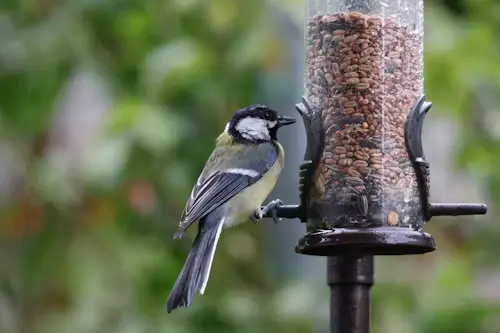
The tube bird feeder is popular for several reasons. First, it protects the seed from the elements. Unlike open trays where rain can turn your expensive sunflower seeds into a moldy mess, the enclosed tube keeps things dry. The vertical design also means that seeds are dispensed as birds eat them, which reduces waste. You are not just dumping food on the ground for the local raccoon population. You are providing a steady supply of fresh food for the birds you actually want to see.
Materials Matter
When you look for a new feeder, you will see a lot of cheap plastic. I suggest you avoid those. Over time, cheap plastic becomes brittle in the sun. It cracks when the temperature drops. I always look for heavy-duty polycarbonate. It is clear, so you can see when it is time for a refill, but it is tough enough to survive a fall. Metal parts are also a big plus. Birds like chickadees and titmice have strong little beaks, and they can actually wear down plastic perches over several years. Metal perches and ports are much more durable.
Understanding Seed Capacity and Port Size
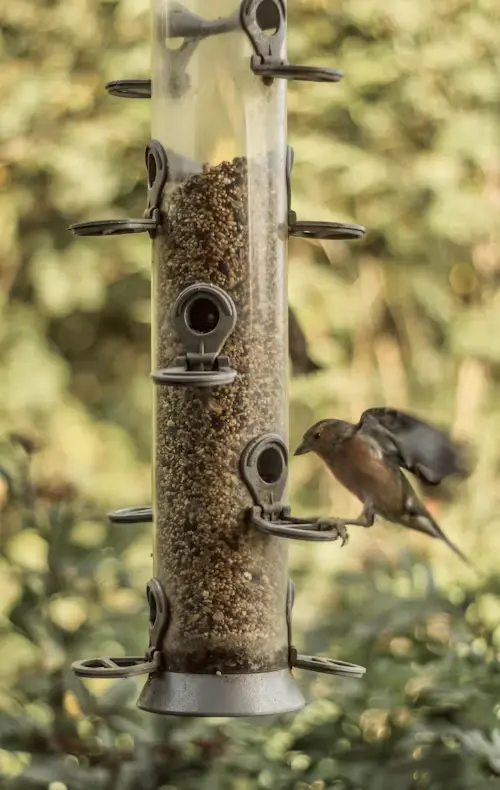
Not all tubes are the same. Some are designed for big seeds, and some are for tiny seeds like Nyjer. If you want to attract finches, you need a finch tube feeder. These have tiny slits instead of large holes. This prevents the tiny seeds from just falling out. If you use a standard seed bird feeder with small seeds, you will find a pile of wasted food on the grass.
The Sunflower Secret
If you use black oil sunflower seeds, which are the gold standard for most birds, you need a wild bird feeder tube with larger ports. These seeds are packed with fat and energy, which birds need during the winter. I usually keep two types of feeders going. One is a small bird feeder for the tiny guys, and the other is a larger tube for the cardinals and grosbeaks. This stops the bigger birds from bullying the smaller ones away from the food.
The War Against Squirrels
We have all been there. You set up a beautiful station, only to see a squirrel hanging upside down, eating every single seed in ten minutes. This is where a squirrel proof tube feeder becomes your best friend. These feeders usually have a metal cage around the outside. The holes in the cage are big enough for a bird to fly through but too small for a squirrel to reach the seed ports. Some even have weight-sensitive perches. If something heavy like a squirrel lands on it, the ports close automatically. It is satisfying to watch a squirrel try and fail to get into a well-designed feeder.
Perfect Placement for Your Hanging Bird Feeder
Where you put your hanging bird feeder is just as important as what you put in it. Birds are cautious. They want to be near cover, like a bush or a tree, so they can hide if a hawk flies over. However, you don’t want the feeder so close to a branch that a cat can jump out and catch them. I find that about ten feet from a large shrub is the sweet spot. It gives them a quick escape route but keeps them out of reach of ground predators.
Height and Visibility
I hang mine about five to six feet off the ground. This is high enough to keep most critters away but low enough that I can reach it easily for cleaning and refilling. Visibility is also key. You want to be able to see the feeder from your window. After all, the whole point is to enjoy the view!
Backyard Bird Feeding as a Lifestyle
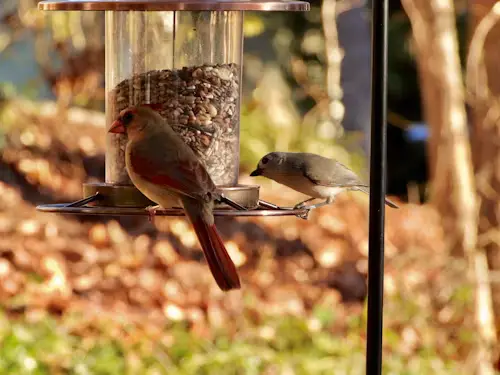
Starting backyard bird feeding is a commitment. Once the birds know you have a reliable food source, they will come to depend on you. I noticed that during the deep freezes of January, my local birds are waiting on the branches at dawn. If I forget to fill the tube, they look genuinely disappointed. It is a small way to connect with the natural world right outside your door. You start to notice the cycles of the seasons differently. You see the migratory birds arrive in spring and the fluffier, hungrier birds in the winter.
Maintenance and Bird Safety
A dirty feeder is a dangerous feeder. Birds can spread diseases to one another very quickly at a crowded feeding station. I make it a habit to clean my tubes every two weeks. I use a long brush and warm, soapy water. Some people use a weak bleach solution, which is also fine as long as you rinse it thoroughly. Make sure the feeder is completely dry before you put seeds back in. Wet seeds grow mold, and mold can be toxic to birds.
Table: Common Birds and Their Favorite Tube Feeder Seeds
| Bird Species | Preferred Seed | Feeder Port Type |
|---|---|---|
| American Goldfinch | Nyjer (Thistle) | Tiny slits/Fine mesh |
| Black-capped Chickadee | Black Oil Sunflower | Standard large ports |
| Tufted Titmouse | Striped Sunflower | Standard large ports |
| House Finch | Safflower or Sunflower | Standard or large ports |
| Pine Siskin | Nyjer or Sunflower hearts | Fine mesh or standard |
Frequently Asked Questions about Tube Bird Feeders
What is the best material for tube bird feeders?
The best material is usually thick, UV-stabilized polycarbonate for the tube itself and powder-coated metal for the perches and ports. This combination ensures the feeder can withstand weather and the constant pecking of birds without breaking.
How do I stop squirrels from eating all the seed?
You should use a squirrel proof tube feeder or install a baffle on your mounting pole. Baffles are wide, smooth domes that squirrels cannot climb over. Hanging the feeder on a wire between two trees can also work if you use long tubes or specialized hardware to keep them from sliding across.
Can I use one feeder for all birds?
While many birds will visit a general-purpose tube, you will have more success if you have specialized feeders. For example, a finch tube feeder is essential if you want to feed Nyjer seed, as it would just spill out of a regular sunflower feeder.
How often should I refill my tube feeder?
It depends on how many birds you have! During busy spring months, I refill mine every day. In the slower summer months, once every three days is usually enough. Try not to let the seeds sit for more than a week, as they can lose their nutritional value or become damp.
Final Thoughts on Backyard Birding
Watching birds is one of the simplest pleasures in life. It doesn’t require a lot of money or a huge garden. All you need is a sturdy tube and some quality seed. When you choose the right tube bird feeders, you are creating a sanctuary. You are giving a little bit back to the environment while getting a front-row seat to the beauty of nature. Grab a feeder, find a good spot in your yard, and wait. The birds will find you. If you found this guide helpful, check out our other articles on bird wellness and garden setup to make your home a true bird paradise.