When Do Baby Birds Start Eating on Their Own: Inspiring Facts Now

The Messy Reality of Weaning Your Baby Bird
If you have ever hand-reared a hatchling, you know the routine. You spend your days measuring formula temperature, cleaning sticky beaks, and worrying about crop emptying times. It is a exhausting labor of love. But eventually, you reach a point where you start to wonder, when do baby birds start eating on their own? This shift from the syringe to the seed bowl is one of the most stressful phases for any bird parent. You want them to be independent, but you also worry they might starve if you stop feeding them too soon.
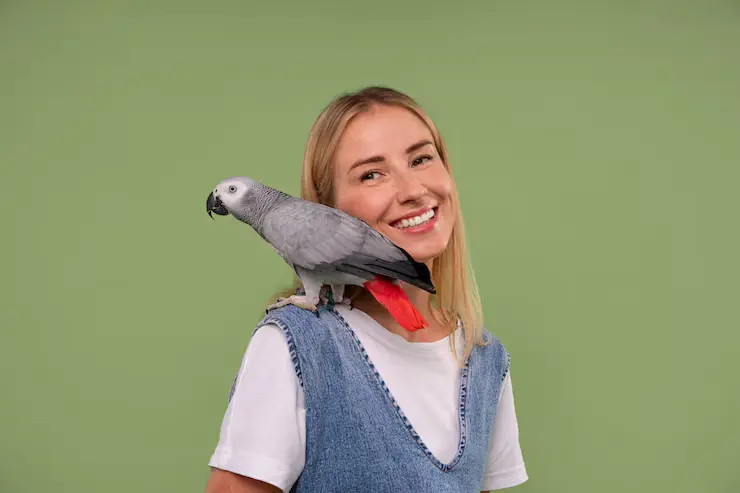
I remember the first time I tried to wean a young African Grey. I was terrified. He would scream for his formula like he was starving, yet he would spend hours throwing his pellets across the room like they were tiny orange projectiles. It felt like we were getting nowhere. But weaning is not a race. It is a biological process that relies on the bird’s brain development as much as its hunger. Understanding the timeline and the behavioral cues is the only way to get through it without losing your mind.
Table of Contents
The General Timeline: A Bird’s Path to Independence
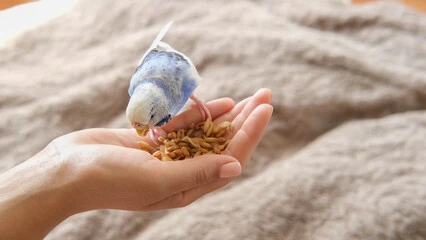
There is no single date on a calendar that applies to every bird. However, we can look at averages based on species size and complexity. Generally, small birds like finches and budgies are fast learners. Larger parrots, with their complex social structures and bigger brains, take much longer. The question of when do baby birds start eating on their own is usually answered in weeks, but for some, it is months.
Baby Bird Weaning Age by Species
Below is a general reference table for common pet bird species. These are estimates, as individual birds develop at different rates.
| Species | Approximate Weaning Start (Weeks) | Fully Independent (Weeks) |
|---|---|---|
| Budgies | 4 – 5 | 6 – 7 |
| Cockatiels | 5 – 6 | 8 – 10 |
| Lovebirds | 5 – 6 | 8 – 9 |
| Conures | 6 – 8 | 10 – 12 |
| African Greys | 8 – 10 | 12 – 16 |
| Macaws | 10 – 12 | 15 – 20+ |
This table shows that size matters. A tiny budgie is a fully functioning adult while a Macaw is still effectively a toddler. If you are working with a specific breed, you must tailor your expectations to their natural pace. For instance, when do baby parrots start eating on their own depends heavily on their environment and the variety of food offered during the ‘exploration’ phase.
The Psychology of the Weaning Bird
Birds do not just wake up and decide to eat seeds. It starts with curiosity. In the wild, a fledgling watches its parents. It sees them pecking at things and begins to mimic that behavior. This is why ‘abundance weaning’ is so popular among modern bird owners. Instead of starving the bird to force it to eat, you provide a mountain of different textures and flavors. You want the bird to want to eat, not to be forced into it by a painful, empty crop.
During this time, the bird’s weight will often drop slightly. This is normal. It is the bird’s body preparing for flight. A heavy, full-bellied baby is a bad flyer. As they thin out, they become more agile, and their focus shifts from the ‘nursery’ to the wider world. If you see a slight dip in weight, do not panic, but do keep a log. A loss of more than 10% of their peak body weight is a sign that something is wrong.
Understanding Species Specifics
The Tiny Speedsters: Budgies
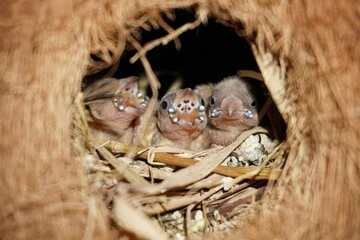
Budgies are the overachievers of the bird world. If you are asking when do baby budgies start eating on their own, the answer is remarkably early. By five weeks, many budgies are already nibbling on spray millet. They have a high metabolism and a drive to explore. By seven weeks, most are fully independent. Because they move so fast, you have to be ready with soft foods and hulled seeds early on. They do not have the patience for a long, drawn-out weaning process.
The Sensitive Souls: Cockatiels
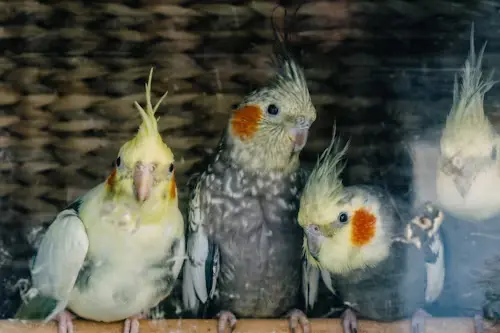
Cockatiels are famous for being ‘difficult’ weaners, but they are just sensitive. If you wonder when do baby cockatiels start eating on their own, the typical window is between 8 and 10 weeks. However, cockatiels are prone to ‘regression’. They might be eating seeds fine for three days and then suddenly start begging for formula like they have never seen a pellet in their lives. This is usually a comfort thing. Giving a ‘comfort feeding’ at night can actually help them wean faster by reducing their anxiety.
The Big Thinkers: Parrots
Large parrots like Amazons, Greys, and Cockatoos are a different story. Their weaning process is a social event. They need to see you ‘eating’ the food. I often sit with my young parrots and pretend to eat their pellets or veggies. Their natural desire to do what the ‘flock leader’ is doing is often what pushes them to take that first real bite. If you are looking at when do baby parrots start eating on their own, expect a long road that involves a lot of play-eating before they actually swallow enough to sustain themselves.
How to Tell If a Baby Bird Is Ready to Self-Feed
You cannot just look at the age. You have to look at the bird. There are specific baby bird self-feeding signs and milestones that tell you it is time to start reducing the formula.
- Exploratory Pecking: The bird starts pecking at its toes, the perch, or the bottom of the cage. This shows they are developing ‘beak coordination’.
- Munching: They pick up a piece of food and move it around in their mouth. They might not swallow it yet, but they are practicing the mechanics of chewing.
- Refusing the Syringe: This is the clearest sign. If the bird turns its head away or plays with the syringe instead of swallowing, they are telling you their crop is full or they are just not interested in liquid food anymore.
- Flight Attempts: As birds start to fledge (fly), their appetite for heavy formula often drops. They want to be light and fast.
When you see these signs, it is time to transition. But how do you do it? You do not just stop the formula. You start by offering ‘warm mash’ or soaked pellets. These have a similar consistency to formula but require the bird to use its tongue and beak to move the food. This is the bridge between the two worlds.
The Importance of Variety
One mistake I see often is people offering only seeds during weaning. This is a recipe for a picky eater later in life. When a bird is weaning, its mind is like a sponge. This is the best time to introduce broccoli, carrots, sprouted seeds, and high-quality pellets. If they learn to eat these things now, they will be much healthier adults.
Try the ‘scatter feeding’ method. Place a flat tray on the bottom of the cage with a mixture of colorful foods. The colors attract their attention, and the flat surface makes it easy for them to peck. It is messy, and you will waste a lot of food, but it is the most effective way to encourage self-feeding.
Potential Roadblocks: Why Won’t My Bird Eat?
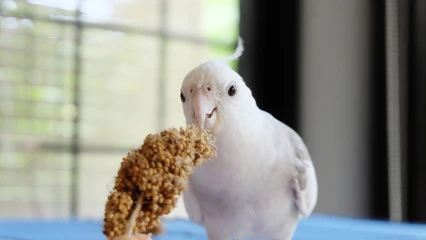
Sometimes, despite your best efforts, a bird refuses to transition. This can be caused by several factors. First, check the temperature of the solid food. Believe it or not, many baby birds prefer their veggies or mash to be warm, just like their formula. Cold food can be a turn-off for a baby used to 105-degree liquid meals.
Second, check for illness. A bird that is feeling unwell will not have the energy to learn a new skill like eating. If the bird is lethargic or its droppings look strange, weaning should be put on hold until a vet gives the all-clear.
Lastly, consider the ‘abundance’ factor. If the cage is too bare, the bird might be bored or depressed. A happy bird is a curious bird. Add some safe, shreddable toys to get their beak moving. Sometimes just chewing on a piece of paper helps them realize they can use their beak for things other than begging.
Safety First: Monitoring Progress
I cannot stress this enough: buy a digital scale that measures in grams. During the weaning phase, you should weigh your bird every morning before the first feeding. This is the only objective way to know if they are actually eating or just playing with their food. If the weight is steady or only dropping slightly, you are on the right track. If the weight is plummeting, you need to increase the frequency of your hand-feedings again.
Do not let anyone tell you to ‘starve them out’. That is old-school advice that kills birds. A starving bird becomes weak, and a weak bird loses the instinct to forage. Keep them well-fed enough to be energetic, but leave them slightly hungry enough to want to explore the food bowl.
FAQ: When Do Baby Birds Start Eating On Their Own?
Is 8 weeks too early to wean a cockatiel?
Not necessarily. Many cockatiels are fully weaned by 8 weeks. However, if they are still begging or losing weight, they may need another week or two. Follow the bird’s lead, not a strict timeline.
Can I give my baby bird water while weaning?
Yes! As soon as they start picking at solid food, they need a shallow dish of fresh water. They might make a mess in it, so change it frequently. They need to learn how to drink just as much as they need to learn how to eat.
What is the best ‘first food’ for a weaning bird?
Spray millet is a favorite because it is easy to husk and birds love the taste. However, you should also offer soaked pellets and finely chopped ‘chop’ (vegetables) to ensure a balanced diet from day one.
My bird was eating on its own but now wants the syringe again. What happened?
This is called regression. It is often triggered by stress, such as moving to a new cage or a change in the household. It is best to give them a few comfort feedings to help them feel secure again. They will usually return to solids within a few days.
How do I know if the crop is actually full of seeds?
You can gently feel the crop area. If it feels like a small bean bag or has a ‘gritty’ texture, they have been eating seeds or pellets. If it feels like a balloon full of water, they have only been drinking or taking formula.
Final Thoughts for Bird Parents
Watching a baby bird transition to independence is a beautiful thing. It marks the end of their infancy and the beginning of their life as a capable member of your family. It requires patience, a lot of cleaning, and a keen eye for detail. Do not rush the process. Every bird is an individual with its own fears and its own pace. If you provide a safe, food-rich environment and keep a close eye on their weight, they will get there.
The journey from the nursery to the main cage is one of the most important times in a bird’s life. By understanding when do baby birds start eating on their own, you are giving them the best possible start. Be the support they need, offer them the best foods you can find, and celebrate every little crunch of a pellet. You have done the hard work of keeping them alive; now, you get to watch them thrive.