Homemade pet bird treats: Best ultimate happy rewards

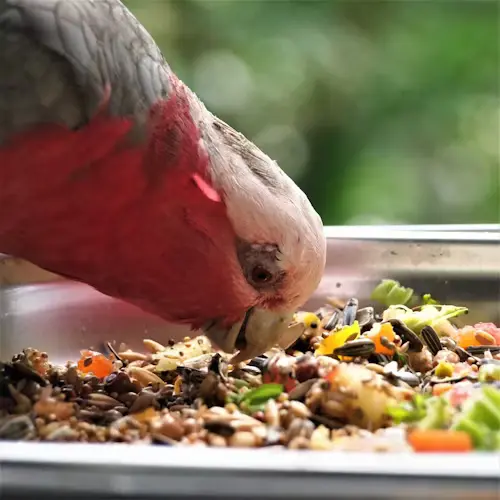
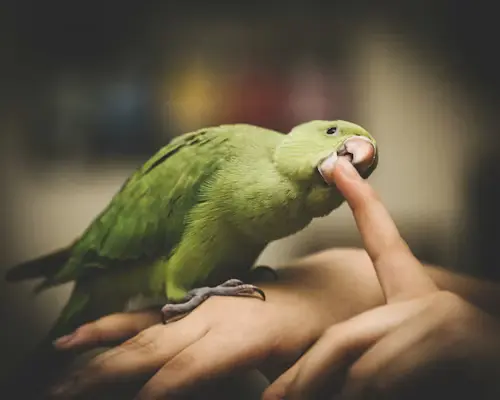
Imagine watching your beloved parrot’s eyes light up as you offer a homemade treat made with love and care. Creating homemade pet bird treats is not just a fun activity; it’s a way to strengthen the bond with your feathered companion while ensuring they receive wholesome, nutritious snacks tailored to their dietary needs. In this comprehensive guide, we’ll explore everything you need to know to craft safe and healthy treats that will have your bird chirping with joy.
Table of Contents
Why Choose homemade pet bird treats Over Store-Bought?
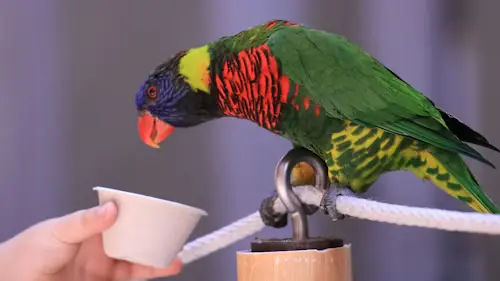
The allure of store-bought treats is undeniable—they’re convenient and come in eye-catching packages. However, many commercial options contain preservatives, artificial colorings, and excessive sugars or fats that may not be ideal for your bird’s health. By opting for homemade treats, you have full control over the ingredients, ensuring that your bird receives only the best.
- Customization: Tailor treats to your bird’s specific tastes and dietary requirements.
- Health Control: Avoid harmful additives and choose organic, natural ingredients.
- Cost-Effective: Making treats at home can be more economical in the long run.
- Bonding Experience: The process of preparing treats can be a joyful activity that strengthens your connection with your pet.
Remember the time you baked cookies with your grandmother, the kitchen filled with warmth and delightful aromas? That same warmth and care can be extended to your feathered friends through homemade treats.
Essential Ingredients for safe homemade snacks for parrots
Before diving into recipes, it’s crucial to know which ingredients are safe and beneficial for your parrot. Here’s a list of wholesome components you can use:
- Whole Grains:
- Oats
- Quinoa
- Whole wheat flour (gluten-free options available)
- Fresh Fruits (in moderation):
- Apples (seeds removed)
- Bananas
- Berries
- Vegetables:
- Carrots
- Leafy greens (kale, spinach)
- Peppers
- Nuts and Seeds:
- Almonds (unsalted)
- Chia seeds
- Flax seeds
- Healthy Binders:
- Unsweetened applesauce
- Natural peanut butter (xylitol-free)
- Honey (in moderation)
Easy DIY Bird Treats Recipes to Try Today
Let’s get started with some simple yet delicious recipes that your bird will adore. These recipes are designed to be easy to follow, using common ingredients you might already have at home.
- Oatmeal and Fruit Delight
Ingredients:
- 1 cup rolled oats
- 1 ripe banana, mashed
- 1/4 cup diced apples (seeds removed)
- 1 tablespoon honey
Instructions:
- Preheat your oven to 350°F (175°C).
- Mix all ingredients in a bowl until well combined.
- Form small balls or press into cookie cutters for fun shapes.
- Place on a baking sheet and bake for 15-20 minutes or until firm.
- Allow to cool completely before serving to your bird.
2. Nutty Seed Bars
Ingredients:
- 1/2 cup almond butter
- 1/4 cup chia seeds
- 1/4 cup flax seeds
- 1/4 cup sunflower seeds
- 1/4 cup dried cranberries (unsweetened)
Instructions:
- Mix almond butter and seeds in a bowl until well combined.
- Stir in the dried cranberries.
- Press the mixture into a lined baking dish.
- Refrigerate for at least 2 hours to set.
- Cut into bars or small squares suitable for your bird’s size.
These recipes offer a great starting point, and you can customize them based on your bird’s preferences. Remember to introduce new treats gradually and observe how your bird reacts.
Seasonal Treats: Celebrating with Your Bird
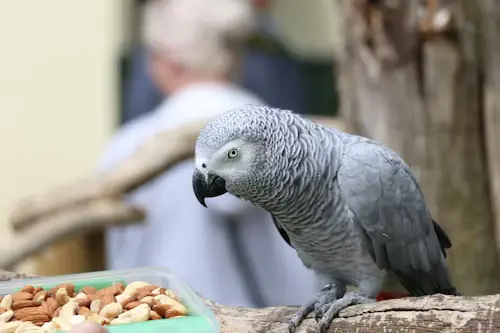
Why not make treat time festive? Creating seasonal treats can be a fun way to celebrate holidays or changes in the season with your feathered friend.
- Winter Wonderland Millet Treats
Ingredients:
- 1 cup millet
- 1/4 cup coconut oil, melted
- A pinch of cinnamon (optional)
Instructions:
- Mix millet and melted coconut oil until well coated.
- Sprinkle cinnamon if desired.
- Spread mixture on a baking sheet and bake at 325°F (163°C) for 10 minutes.
- Cool and serve as a special winter treat.
By tailoring treats to the season, you keep mealtime exciting and provide variety in your bird’s diet.
Understanding What Makes Treats Healthy: Nutritional Guidelines
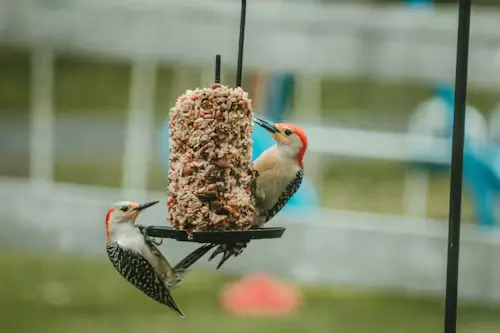
Creating healthy homemade millet treats or other nutritious snacks goes beyond just selecting safe ingredients. Understanding the nutritional needs of your bird is essential.
- Macronutrients:
- Proteins: Essential for growth and feather health.
- Carbohydrates: Provide energy but should be offered in moderation.
- Fats: Healthy fats are necessary but should be limited to prevent obesity.
- Micronutrients:
- Vitamins: Such as Vitamin A for vision and immune support.
- Minerals: Calcium is crucial for bone health, especially in breeding birds.
According to the BeakBox Blog, incorporating a variety of seeds, grains, and vegetables ensures a balanced intake of essential nutrients.
No-Bake Bird Cookies: Quick and Easy Delights
For those times when you’re short on time but still want to treat your bird, no-bake options are perfect. These recipes require minimal preparation and no oven time.
Banana and Oat No-Bake Cookies
Ingredients:
- 1 ripe banana, mashed
- 1 cup rolled oats
- 1/4 cup unsweetened shredded coconut
- 1 tablespoon natural peanut butter
Instructions:
- Combine all ingredients in a mixing bowl.
- Mix until the mixture sticks together.
- Form into small cookie shapes.
- Place on a tray and refrigerate for at least 30 minutes to firm up.
- Serve chilled to your bird.
These no-bake cookies are not only quick to make but also provide a blend of fiber, healthy fats, and essential nutrients.
Preparing Treats Safely: Tips and Precautions
Safety is paramount when preparing homemade pet bird treats. Here are some guidelines to ensure that treat time is both enjoyable and safe for your feathered friend
Use Fresh Ingredients:
Always opt for fresh, high-quality ingredients. Avoid anything spoiled or past its expiration date.
- Avoid Harmful Foods:
- Avocado
- Chocolate
- Caffeine
- Alcohol
- Onions and garlic
- Wash Thoroughly:
Clean all fruits and vegetables to remove pesticides and contaminants.
Moderation is Key:
Treats should complement, not replace, a balanced diet. Limit treats to 10-15% of your bird’s daily intake.
Observe Allergens:
Introduce new ingredients slowly and watch for any adverse reactions.
The Reddit Budgies Community emphasizes the importance of observing your bird after introducing new treats, as individual sensitivities can vary.
Fun Treat Ideas Using Millet: A Bird Favorite
Millet is a beloved treat among birds, but it’s often seen as just a snack. Let’s explore creative ways to incorporate millet into delightful homemade treats.
Millet and Veggie Pops
Ingredients:
- 1/2 cup millet, cooked
- 1/4 cup finely chopped carrots
- 1/4 cup spinach, finely chopped
- 1 tablespoon flax seeds
Instructions:
- Mix cooked millet with vegetables and flax seeds.
- Form small balls around a popsicle stick or bird-safe skewer.
- Freeze for 1 hour to firm up.
- Serve as a fun, handheld treat.
These pops not only provide nutritional benefits but also offer enrichment by encouraging natural foraging behaviors.
Creative Cookie Cutters: Making Treat Time Fun
Who says treats have to be boring? Using cookie cutters can transform simple recipes into exciting shapes that entice your bird to try new flavors.
Shapes to Try:
- Stars
- Hearts
- Birds
- Flowers
Tips:
- Use metal cookie cutters for cleaner edges.
- Press the mixture firmly into the cutter before removing.
- Combine different colors by using various fruits and vegetables.
Adding a playful element to treat preparation can make the experience more enjoyable for both you and your bird.
Storing Homemade Bird Treats: Keeping Them Fresh
Proper storage is essential to maintain the freshness and safety of your homemade treats. Here are some guidelines to follow:
- Refrigeration:
- Most treats can be stored in an airtight container in the fridge for up to one week.
- Freezing:
- For longer storage, freeze treats in individual portions. They can last up to three months.
- Thaw treats in the refrigerator before serving.
- Avoid Moisture:
- Ensure treats are completely cooled before storing to prevent mold growth.
- Labeling:
- Label containers with the date and type of treat to keep track of freshness.
By following these storage tips, you can always have a supply of fresh treats on hand for your bird.
Engaging with Your Bird: The Joy of Sharing Treats
Treat time is more than just feeding; it’s an opportunity to engage with your bird and strengthen your bond. Here are some ways to make treat-sharing a special moment:
- Hand-Feeding:
- Offer treats by hand to build trust and connection.
- Interactive Toys:
- Hide treats in foraging toys to stimulate natural behaviors.
- Training Rewards:
- Use small pieces of treats as positive reinforcement during training sessions.
The simple act of sharing a homemade snack can create joyful moments that you’ll both cherish.
Consulting with Avian Experts
While this guide provides a foundation for creating homemade pet bird treats, it’s always beneficial to consult with an avian veterinarian or a bird nutrition expert.
Expert Advice:
- They can offer insights into your bird’s specific dietary needs.
- Guidance on portion sizes and frequency of treats based on species and health status.
- Health Considerations:
- If your bird has any health issues, professional advice is crucial.
- Avoid introducing ingredients that may interfere with medications or exacerbate conditions.
Engaging with experts ensures that your efforts in creating homemade treats are both safe and beneficial.
Hommade pet bird treats: Inspiring Creativity and Care
Creating homemade pet bird treats is a rewarding endeavor that combines creativity, care, and a dash of love. By taking the time to prepare nutritious and delicious snacks, you’re enhancing your bird’s diet and strengthening the unique bond you share.
Key Takeaways:
- Homemade treats offer control over ingredients and nutritional content.
- Recipes like no-bake cookies, millet-based treats, and seasonal snacks add variety.
- Safety and moderation are crucial in treat preparation and serving.
- Engaging with your bird during treat time enhances bonding and enrichmen
Call to Action
Why not start today? Pick a recipe from this guide and spend some quality time in the kitchen with your feathered friend. The smiles (and chirps) you’ll receive will be well worth the effort!
Frequently Asked Questions ‘homemade pet bird treats‘
What ingredients are safe for homemade bird treats?
Safe ingredients include whole grains like oats and quinoa, fresh fruits such as apples and berries, vegetables like carrots and leafy greens, unsalted nuts and seeds, and natural binders like unsweetened applesauce or honey in moderation. Avoid harmful foods like avocado, chocolate, caffeine, alcohol, onions, and garlic.
How often should I give my bird homemade treats?
Treats should complement a balanced diet and not exceed 10-15% of your bird’s daily intake. Offering treats a few times a week is generally appropriate, but adjust based on your bird’s specific needs and health status.
Can I use millet in homemade bird treats?
Yes, millet is a favorite among many birds and can be incorporated into various recipes. It’s nutritious and can be used in both baked and no-bake treats, often enhancing the appeal of the snack.
Are there no-bake treat options for my bird?
Absolutely! No-bake treats are quick and easy. Recipes like Banana and Oat No-Bake Cookies combine mashed banana, rolled oats, shredded coconut, and natural peanut butter for a wholesome snack without the need for baking.
How should I store homemade bird treats to keep them fresh?
Store treats in an airtight container in the refrigerator for up to one week. For longer storage, freeze individual portions for up to three months. Ensure treats are completely cooled before storing to prevent moisture buildup.