Do Birds Eat Their Babies Poop? Ultimate Guide

I remember the first time I spent an afternoon watching a pair of Bluebirds in my backyard. I had my binoculars ready and a cup of coffee in hand. Everything was peaceful until I saw something that made me nearly spit out my drink. One of the parents waited for a chick to finish eating, and then, as the chick turned its backside around, the parent immediately snatched a white, jelly-like blob and swallowed it. I sat there thinking, do birds eat their babies poop because they are hungry, or is something else going on? It turns out, what I saw was a perfectly natural, albeit gross, part of bird life.
As a bird lover, you have to get used to some of the messier sides of nature. We like to think of birds as these elegant creatures singing in the trees, but the reality inside the nest is a bit more industrial. Parent birds are basically full-time janitors, security guards, and chefs. To keep their tiny, vulnerable chicks alive, they have to manage waste in a way that seems alien to us. This behavior is not just about being tidy. It is a calculated move for survival.
Table of Contents
What Is a Fecal Sac?
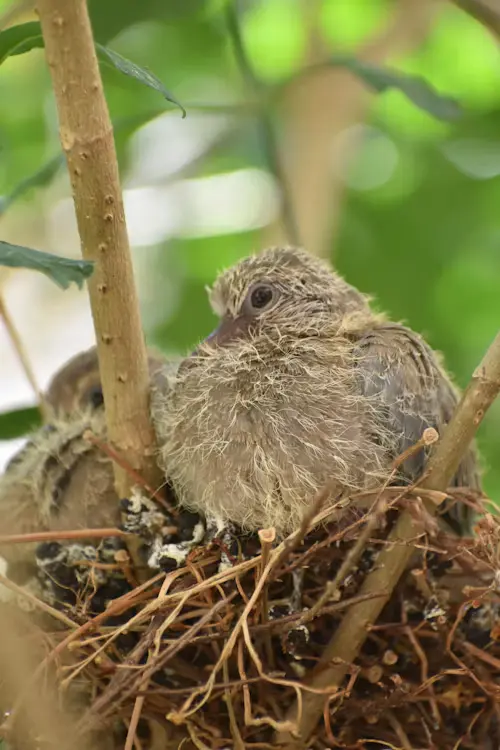
Before we can answer why they eat it, we have to understand what ‘it’ is. In the world of songbirds, baby bird poop is not just a loose mess. It comes out inside a sturdy, mucous-covered membrane called a fecal sac. Think of it as a biological diaper. This sac is strong enough that a parent bird can pick it up with its beak without it breaking apart and making a mess everywhere.
When a chick is very young, its digestive system is not very efficient. It is growing so fast that it cannot process every single nutrient in the food the parents bring. Because of this, the resulting waste is actually quite calorie-dense. To a human, it is waste. To a tired parent bird that has been flying back and forth all day, it is a small, pre-packaged snack that helps them keep their own energy up.
The Diaper of the Bird World
Not all birds produce these sacs. You generally see them in ‘altricial’ birds. These are the ones that are born blind, naked, and completely helpless, like robins, bluebirds, and sparrows. Because these babies stay in the nest for weeks, bird nest hygiene is a life-or-death matter. If the waste just piled up, the nest would become a breeding ground for bacteria and parasites. It would also get heavy and wet, which could cause the nest to fall or the chicks to get chilled.
The Two Main Reasons: Why Birds Eat Feces
When you see a bird consume a fecal sac, they are usually doing it for one of two reasons: nutrition or sanitation. In the first few days of a chick’s life, the nutrition factor is huge. The parent might eat the sac because it still contains undigested proteins and fats. As the chicks get older and their guts get better at digesting, the nutritional value of the poop drops. At that point, the parents usually switch from eating the sacs to carrying them away and dropping them somewhere else.
1. Energy Conservation and Nutrition
Raising a brood of four or five chicks is exhausting work. A parent might make hundreds of trips a day to find bugs. They are burning through their own fat stores at a rapid rate. If they can get a few extra calories by swallowing a fecal sac while they are already at the nest, they save themselves the energy of having to go find another caterpillar. It sounds weird to us, but in the wild, you don’t waste energy.
2. Predator Avoidance
This is perhaps the most important reason for fecal sac removal. Imagine you are a hawk or a cat looking for a snack. A nest full of chicks is a jackpot. If that nest is surrounded by bright white splats of poop, it is like a giant neon sign saying ‘EAT HERE.’ By eating the poop or carrying it far away, the parents keep the nest hidden. They are essentially erasing the tracks of their children.
How Parent Birds Clean the Nest
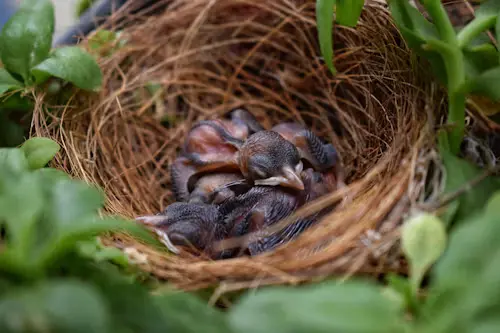
The process is actually quite organized. If you watch a nest closely, you will notice that the chicks often poop immediately after being fed. It is a ‘one end in, one end out’ system. The parent will feed the chick, and then stay there for a second, watching the chick’s rear end. The chick will tip up its tail, produce the sac, and the parent will grab it before it even touches the nest lining. This is the peak of do birds eat their babies poop behavior.
The Role of the Chick
The babies are not just passive participants. They actually have an instinct to present the sac to the parent. In some species, the chicks will even wiggle their tails to signal that a sac is ready. This cooperation ensures that the nest stays dry. If a sac breaks, the liquid can soak into the chicks’ down feathers, which ruins their ability to stay warm. A wet chick is a dead chick in many cases.
Comparing Different Bird Species
Not every bird handles poop the same way. While songbirds are the masters of the fecal sac, other birds have different strategies for baby bird nest care. Raptors, like hawks and eagles, don’t use sacs. Instead, the chicks have an impressive ability to ‘slice’ or project their poop out over the edge of the nest. If you ever look under a hawk nest, you will see a white ‘whitewash’ on the trunk of the tree. They don’t care as much about being hidden because they are the top predators.
| Bird Type | Waste Method | Reasoning |
|---|---|---|
| Songbirds (Robins, Bluebirds) | Fecal Sacs | Hygiene and hiding from predators. |
| Raptors (Hawks, Eagles) | Projectile Pooping | Keep the nest clear without needing sacs. |
| Waterfowl (Ducks, Geese) | Direct in Water | Babies leave the nest almost immediately. |
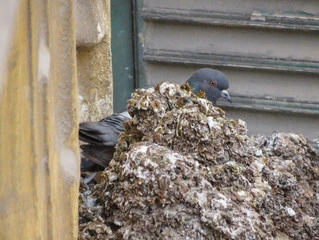
| Pigeons/Doves | Nest Accumulation | Their poop dries quickly and adds structure. |
What About Pet Birds?
If you are breeding pet birds like budgies or cockatiels, you might notice similar behaviors, but it is less common to see them eating the poop. Usually, in a cage environment, the parents will just toss the waste out of the nesting box. However, if you see your bird eating its own poop (coprophagia), it might be a sign of a nutritional deficiency. While it is normal for wild birds to eat the fecal sacs of their young, it is not usually a ‘voluntary’ diet choice for an adult bird to eat its own dry droppings.
Why My Pet Bird Might Eat Poop
- Nutritional Deficiencies: They might be looking for B-vitamins or Vitamin K.
- Boredom: Sometimes birds play with things they shouldn’t.
- Cleanliness: They might be trying to ‘clean’ their cage if you haven’t done it lately.
- Hunger: Ensure they have constant access to high-quality pellets and fresh greens.
Bird Droppings in the Nest: When to Worry
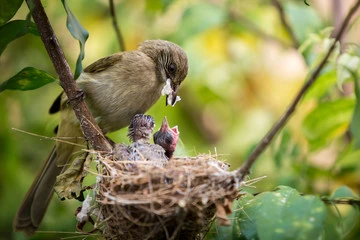
In the wild, bird droppings in nest are a sign of a healthy, growing family. However, if you are a backyard birder and you notice the nest is becoming a soggy mess, it might mean something is wrong with the parents. If one parent dies or disappears, the remaining parent might be so overwhelmed with finding food that they stop focusing on the cleaning. This is often the beginning of the end for a brood, as the chicks can quickly get sick from the bacteria.
The Biology of the Fecal Sac
The sac itself is a marvel of evolution. It is made of a thick layer of mucus produced in the large intestine. It is surprisiengly tough. Scientists have actually studied these sacs to see how they affect the health of the parents. While there is a risk of the parent catching parasites from the chicks, the benefit of a clean nest and extra calories usually outweighs the risk. Nature is always a balance of risks.
The Transition to Fledging
As the chicks get ready to leave the nest (fledging), the production of fecal sacs stops. Their digestive systems have matured, and they no longer need the ‘diaper’ to keep things clean. They will start pooping like adult birds. This is often why you see the nest get much dirtier in the last two or three days before the birds fly away. The parents have essentially given up on the cleaning service because the kids are moving out anyway.
Common Questions About Bird Poop Habits
Do all birds eat their babies poop?
No, not all of them. It is primarily common in songbirds that have helpless chicks. Larger birds or birds that leave the nest immediately after hatching (like chickens or ducks) do not do this.
Is it dangerous for the parent bird?
There is a small risk of parasites, but bird immune systems are generally equipped to handle it. The evolutionary benefit of a clean, hidden nest is much higher than the risk of getting a stomach ache.
Can I touch a fecal sac?
I would not recommend it. While they are contained in a membrane, they still carry bacteria like Salmonella. If you are cleaning out a birdhouse at the end of the season, always wear gloves and a mask to avoid breathing in dried dust.
Do birds eat their babies poop for the water content?
That is a theory some researchers have. In very dry environments, the moisture in a fecal sac might help a parent bird stay hydrated without having to leave the nest and find a puddle.
How to Help Nesting Birds
If you want to support parent birds cleaning nest in your yard, the best thing you can do is give them space. Don’t go poking around the nest every day. Every time you approach, you might stress the parents out, making them less likely to do their cleaning chores. You can also provide high-protein foods like mealworms, which reduces the number of trips the parents have to make, giving them more time to focus on nest maintenance.
A Final Thought on Bird Parenting
Nature can be a bit gross, but it is always purposeful. The next time you see a bird performing the ‘white blob’ disappearing act, you don’t have to be disgusted. You can appreciate the incredible dedication that parent bird has. They are willing to do whatever it takes to ensure their babies grow up strong and stay safe from the predators lurking in the shadows. It is not exactly the kind of parenting we see in human books, but for a robin or a sparrow, it is the highest form of care.
If you have found this interesting, I highly recommend setting up a nest cam next spring. You will see things you never imagined, and you will gain a whole new respect for the birds in your backyard. Just maybe don’t watch the feeding sessions while you are eating your own lunch!
FAQ about Do Birds Eat Their Babies Poop
Do birds eat their babies poop to keep predators away?
Yes, this is one of the primary reasons. Bright white droppings are easy for predators like hawks and cats to see. By eating or removing the waste, parents keep the nest location a secret.
Why do birds eat their babies poop instead of just throwing it out?
In the early days of a chick’s life, the poop still has nutrients that the baby didn’t fully digest. Eating it gives the parent a quick energy boost without them having to leave the nest to hunt.
Is baby bird poop different from adult bird poop?
In many songbirds, yes. Baby bird poop is often encased in a mucous membrane called a fecal sac, which makes it easy for the parent to pick up and move. Adult bird poop is usually just a loose dropping.
Do birds eat their own poop?
Generally, no. Adult birds do not usually eat their own waste. If a pet bird is doing this, it may be a sign of a health issue or a lack of vitamins in their diet.