Caique Parrot Care: Best Easy Owner Guide

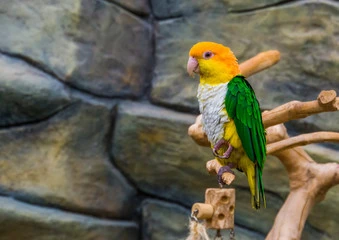
If you have ever wanted a pet that is half-puppy, half-acrobat, and entirely chaotic, look no further than the caique parrot. I have spent years around different bird species, but nothing quite prepares you for the first time you see a caique bunny-hop across a coffee table. They do not just fly or walk; they bounce. They do not just play; they wrestle. These birds are the undisputed clowns of the avian world.
Owning one is an adventure, but it is also a massive commitment. These birds have a reputation for being ‘difficult’ or ‘beaky,’ but usually, that is just a misunderstanding of their intense energy. In this guide, I will break down everything you need to know about sharing your life with these colorful, energetic creatures.
Table of Contents
The Two Flavors of Caique: Black-Headed and White-Bellied
When people talk about this species, they are usually referring to one of two types. Both are native to the Amazon Basin, and both share that signature stocky build and short tail. Physically, they are built like little tanks. They are solid, muscular birds that use their weight to their advantage during play.
The Black-Headed Caique
These birds have a distinct black ‘cap’ on their heads, yellow cheeks, and a white belly. They are perhaps the more common of the two in the pet trade. Their colors are sharp and high-contrast, making them look like they are wearing a tiny tuxedo and a hat.
The White-Bellied Caique
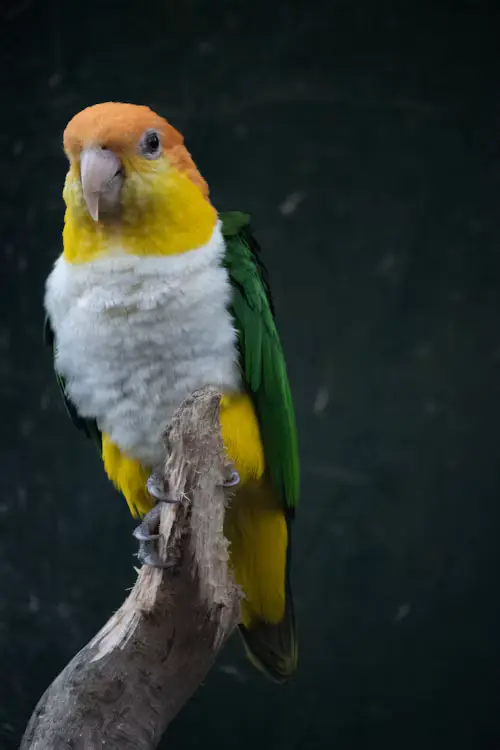
As the name suggests, they have a creamy white belly, but their heads are orange and yellow. They lack the black cap. Many owners find the White-Bellied variety to be slightly more mellow, though ‘mellow’ is a relative term when you are talking about this species. If a Black-Headed Caique is a 10 on the energy scale, a White-Bellied might be a 9.5.
The Famous caique personality and temperament
You cannot talk about these birds without mentioning their personality. It is their defining feature. While a Grey might be intellectual and a Cockatoo might be needy, a caique is purely focused on fun. They are extremely social and possess a level of curiosity that can lead them into trouble if you aren’t watching.
The Bunny Hop
This is the most famous caique trait. Instead of walking, they often hop. It is a rhythmic, two-footed jump that is absolutely hilarious to watch. They do this when they are excited, when they want attention, or just because it is faster than walking. I have seen them hop across a room to chase a ball, looking more like a rabbit than a bird.
Wrestling and ‘Surfing’
Unlike most parrots that prefer to stay on a perch, caiques love being on their backs. They will lie on the floor and juggle toys with their feet. If you have two caiques, they will often wrestle like puppies, rolling around and ‘beaking’ each other in play. They also enjoy ‘surfing’ on your hair or hands, rubbing their bodies against soft surfaces to dry off or just for the sensation.
The Beaky Phase
I have to be honest here: these birds can be nippy. Because they are so high-energy, they can get over-stimulated easily. When a caique gets too wound up, they might deliver a sharp pinch. It is not necessarily out of aggression; it is more like a toddler who does not know their own strength. Understanding their body language is the key to avoiding these ‘psychotic biting episodes’ that some owners report.
The Comprehensive caique parrot care guide
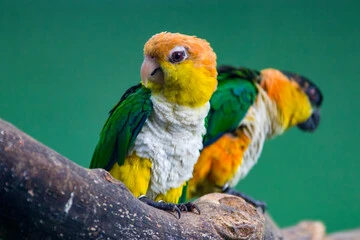
Taking care of a caique is a full-time job. You are not just buying a bird; you are adopting a permanent three-year-old. They require a lot of physical space and even more mental stimulation.
The Right Cage Setup
. A cage meant for an Amazon or a small Cockatoo is often better than a standard ‘small bird’ cage. Bar spacing should be no more than 3/4 inch to prevent them from getting their heads stuck. Fill the cage with plenty of toys, but leave enough room for them to hop from perch to perch. They need swings, boings, and plenty of foot toys.
Sleep Requirements
A cranky caique is a biting caique. These birds need a full 12 hours of uninterrupted, dark sleep every night. If they do not get enough rest, their energy turns from ‘playful’ to ‘irritable’ very quickly. I recommend a separate sleep cage in a quiet room if your main living area stays active late into the evening.
Hygiene and Bathing
Most caiques absolutely love water. They will often try to bathe in their water bowls, so providing a shallow dish or a bird-safe fountain is a great idea. I like to mist mine with a spray bottle or take them into the shower. A wet caique is a happy caique, and watching them do the ‘wet bird dance’ is a highlight of the day.
Fueling the Fire: caique parrot diet and feeding
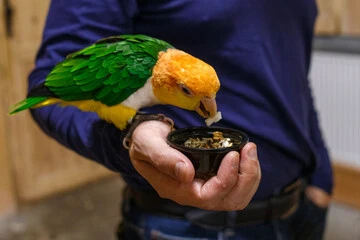
Energy like this requires high-quality fuel. If you feed your bird a seed-only diet, they will lack the nutrients to maintain their feathers and health. A seed-heavy diet is also a recipe for fatty liver disease, which is common in captive parrots.
The Pelleted Base
About 60-70% of their diet should consist of a high-quality formulated pellet. Avoid the ones with lots of artificial dyes. Pellets ensure they get the vitamins and minerals that seeds lack. However, pellets alone are boring.
Fresh Foods and Chop
The remaining part of their diet should be fresh vegetables and some fruit. Dark leafy greens like kale and collard greens are excellent. Carrots, sweet potatoes (cooked), and bell peppers are also big hits. Caiques are very tactile, so they enjoy different textures. I often make a ‘chop’—a finely diced mix of veggies, grains like quinoa, and a few beans—and freeze it in portions.
Toxic Foods to Avoid
Never feed your bird chocolate, avocado, caffeine, alcohol, or fruit pits/apple seeds. Onions and garlic should also be avoided as they can cause blood issues in birds. Keep things natural and simple.
Long-Term Commitment: caique parrot lifespan and Health
Before you bring one home, you need to realize that they live a long time. The average caique parrot lifespan is between 25 and 30 years, though some have been known to reach 40 in captivity. This is a decades-long commitment. You will likely have this bird longer than you will have your car or even your current home.
Common Health Issues
Caiques are generally hardy, but they are prone to a few issues:
- Polyomavirus: This is a serious viral infection that can be fatal, especially in young birds. Most reputable breeders vaccinate for this.
- Bacterial Infections: Because they love to explore with their beaks, they can pick up bacteria from floors or dirty toys.
- Vitamin A Deficiency: Often seen in birds on seed-only diets, leading to respiratory issues and poor feather quality.
Regular check-ups with an avian veterinarian are mandatory. A standard vet for dogs and cats usually won’t have the specialized knowledge required for exotic birds.
Intelligence and Play: caique parrot training tricks
Caiques are incredibly smart, but they are not always the best talkers. They are much better at learning physical tricks and sounds (like whistles or the microwave beep). Training is a great way to bond and burn off some of that manic energy.
Teaching the Hop
Since they hop naturally, you can easily put this behavior on cue. When you see them hop, say ‘Hop!’ and give them a small treat (like a piece of sunflower seed or a nut). Eventually, they will do it when you ask. It is the easiest and most rewarding trick to start with.
The Roll Over
Because they are comfortable on their backs, you can teach them to roll over in your hand. Use a treat to lure their head around until they flip. They usually find this game quite fun once they understand what you want.
Foraging Skills
In the wild, these birds spend a lot of time looking for food. In your home, if you just put food in a bowl, they get bored. Hide their treats inside cardboard boxes, wrap them in paper, or use specialized foraging toys. This keeps their brains busy and prevents destructive behaviors like feather plucking.
The Financial Side: caique parrot price range
Buying the bird is often the cheapest part of ownership. The initial caique parrot price range is typically between $1,500 and $3,000 depending on the species and the breeder. White-bellied caiques are often slightly more expensive than black-headed ones.
The Setup Costs
Expect to spend another $500 to $1,000 on a quality cage, a travel carrier, and an initial set of toys. Do not skimp on the cage; it is the bird’s home and safety.
Ongoing Expenses
Monthly costs for fresh food, pellets, and toy replacement (they will destroy toys quickly) usually run between $50 and $100. Then there is the annual vet visit, which can cost anywhere from $150 to $400 depending on the tests performed. Bird ownership is an investment.
Pros and Cons: Is a Caique Right for You?
| Pros | Cons |
|---|---|
| Incredibly entertaining and funny | High energy and requires constant attention |
| Compact size but big personality | Can be loud with piercing whistles |
| Strong bonds with owners | Prone to ‘beaky’ or nippy behavior |
| Highly intelligent and trainable | Needs a massive amount of toys/stimulation |
FAQ: Everything You Need to Know About the caique parrot
Are caique parrots loud?
Yes, they can be. While they don’t scream constantly like a Macaw, they have a very high-pitched whistle that can travel through walls. They are not recommended for apartment living if you have sensitive neighbors.
Can caique parrots talk?
They can learn a few words, but they are not known for their speech. They are much more likely to mimic whistles, sirens, and household electronics.
Do they get along with other birds?
It depends. Caiques can be quite aggressive toward other species. They are bold and often don’t realize how small they are, which can lead to fights with larger birds. It is usually best to keep them with other caiques or as the only bird.
Why is my caique biting me suddenly?
This is often due to over-stimulation. If your bird is playing hard, their adrenaline gets pumping, and they may bite. Learn to recognize the signs—like pinned eyes or fanned tails—and give them a ‘time out’ in their cage to calm down.
Final Thoughts
Living with a caique parrot is like having a tiny, colorful circus performer in your living room. They will make you laugh every single day, but they will also test your patience with their noise and their need for attention. If you have the time to commit to their play and the space to let them hop, you will find no better companion. They are truly unique, soulful little creatures that bring a special kind of magic to a home. Just make sure you are ready for the hop!