best bird feeders for finches: How to Choose Wisely

The Quest for the Perfect Finch Paradise
I remember the first time I hung a standard bird feeder in my oak tree. I expected a flurry of goldfinches to arrive within minutes. I had the vision in my head: bright yellow feathers against a blue sky. Instead, I got a bunch of grumpy squirrels and some messy pigeons. It took me a while to realize that finches are specialists. They have tiny beaks. They have big personalities. If you want them in your yard, you have to play by their rules. This means finding the best bird feeders for finches that actually cater to their unique way of eating.
Finches are not like the chunky cardinals or the aggressive jays. They are delicate. They love to cling. They prefer tiny, oil-rich seeds that would simply fall out of a standard hopper feeder. When I finally switched to a specialized nyjer seed feeder, the transformation was almost instant. Suddenly, my yard was a hub of activity. If you are tired of seeing expensive seed go to waste or watching larger birds bully your finches away, this guide is for you. I have tested dozens of models to find out what works in the real world.
Table of Contents
Understanding the Finch Feeding Style
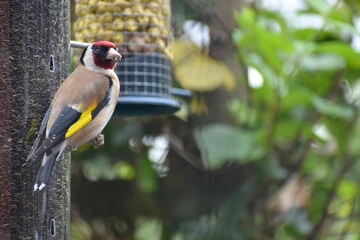
Before you go out and buy a feeder, you need to understand how these birds work. Goldfinches and house finches are agile. They can hang upside down. They can grip thin wires. They actually enjoy feeding in groups. This is why a single-perch feeder often fails to attract a whole flock. They want to dine together. They also have a very specific diet. While some finches will peck at black oil sunflower seeds, their true love is Nyjer (also known as thistle). These seeds are as tiny as a grain of pepper. A regular feeder with large holes will just dump the seed on the ground. That is why you need a finch feeders setup that is designed for precision.
The Tiny Beak Problem
Finch beaks are built for shelling tiny seeds. They do not have the leverage to crack large nuts easily. When you look for the best finch bird feeder, look at the port size. If you can fit a pencil lead through the hole, it is probably too big for Nyjer seed. The best designs use tiny slits or a fine metal mesh. This forces the bird to work a little bit for the seed, which mimics how they eat in the wild from thistle plants or sunflowers.
Types of Feeders You Should Consider
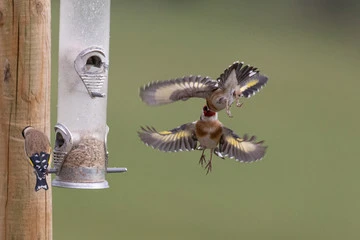
There is no single best feeder for everyone, but there are three main categories that dominate the market. Each has its own strengths. I use a combination of these to keep my bird population diverse.
1. The Classic Tube Feeder
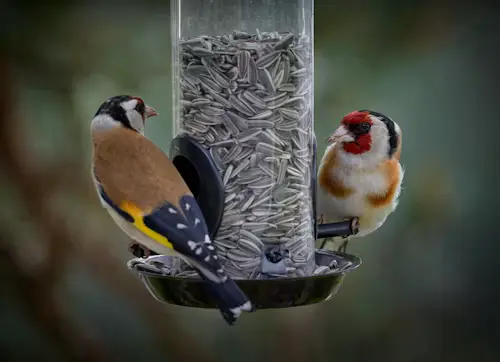
A tube feeder for finches is usually a long, slender cylinder made of plastic or metal. It has multiple ports and perches. I like these because they keep the seed dry. Rain is the enemy of Nyjer seed. If the seed gets wet, it clumps. Then it grows mold. Finches are very sensitive to moldy seed and will stop coming if the feeder is dirty. A good tube feeder will have a cap that fits tightly and a base that allows for easy cleaning. Look for models with perches both above and below the ports. This allows the birds to feed in various positions.
2. Metal Mesh Feeders
A small mesh feeder is a game changer for goldfinches. Instead of specific ports, the entire body of the feeder is made of a fine wire screen. This allows the birds to cling anywhere on the surface. It is like a buffet line where everyone can find a spot. I have seen fifteen finches on one mesh feeder at the same time. It is a sight to see. These are also great because they provide excellent ventilation. The seed stays fresh because air can move through the whole column. Just make sure the mesh is stainless steel or powder-coated so it does not rust.
3. Thistle Socks
If you are on a budget, a thistle feeder in the form of a fabric sock is a great entry point. These are soft mesh bags that you fill with seed. Finches love them because they can hang on them easily. However, they have downsides. Squirrels can chew through them in seconds. They also offer zero protection from rain. I usually suggest these as secondary feeders during the peak of summer when the weather is dry and the bird population is high.
Top Picks for Your Backyard
I have put together a table to help you compare the different styles of feeders I have used over the years. This should make your decision a bit easier.
| Feeder Type | Best For | Durability | Seed Waste |
|---|---|---|---|
| Metal Mesh Tube | Large flocks of goldfinches | High | Low |
| Plastic Tube with Slits | Keeping seed dry in rainy areas | Medium | Very Low |
| Thistle Sock | Budget-conscious beginners | Low | Medium |
| Upside-Down Feeder | Deterring larger birds | High | Low |
The Importance of Seed Quality
You can buy the most expensive wild finch feeder on the market, but if your seed is old, the birds will not come. Nyjer seed is high in oil. This oil is what the birds need for energy, especially in the winter. Over time, that oil dries out. If the seed looks dusty or dull, it is probably too old. I always do a sniff test. Fresh Nyjer should have a faint, nutty smell. If it smells like dirt or must, toss it out. I buy my seed in smaller bags to ensure it stays fresh. Storing it in a cool, dry place in a sealed container is a must.
What About Sunflower Chips?
Some people prefer using sunflower chips in their bird feeder for small birds. These are sunflower seeds with the shells already removed. They are great because there is no mess under the feeder. Finches love them. However, they are even more prone to spoilage than Nyjer. If you use chips, you must use a feeder that keeps them perfectly dry. A mesh feeder is usually not the best choice for chips because they can fall through the holes. A tube feeder with slightly larger ports is a better bet here.
Where to Place Your Feeder
Location is everything. I learned this the hard way after placing a feeder too close to a thick bush. A neighborhood cat decided it was the perfect hunting ground. To keep your finches safe, place the feeder about ten feet away from dense cover. This gives the birds enough space to see a predator coming, but a quick escape route if they need it. Finches also prefer high ground. I find that my feeders at six feet or higher get much more traffic than lower ones.
Think about the wind too. A heavy tube feeder for finches can swing wildly in a storm. If it hits a branch, it might crack. I use sturdy shepherds hooks that are anchored deep in the soil. This keeps everything stable. Also, try to place it somewhere you can see it from a window. The joy of birdwatching is being able to watch their antics while you have your morning coffee.
Keeping Things Clean
Bird health is a serious responsibility. House finches are prone to a nasty eye infection called mycoplasmal conjunctivitis. It spreads at dirty feeders. You will see birds with swollen, crusty eyes. It is heartbreaking. To prevent this, you must clean your feeders every two weeks. I use a solution of one part bleach to nine parts water. I soak the feeder, scrub it with a bottle brush, and let it dry completely before refilling. If you see a sick bird, take the feeders down for a week to let the flock disperse. This stops the spread of the disease.
Why Are the Finches Ignoring My Feeder?
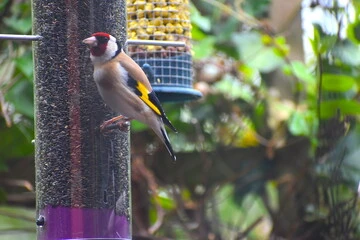
This is the most common question I get. You bought the best finch bird feeder, you got fresh seed, and… nothing. Do not panic. It can take a couple of weeks for birds to find a new food source. They are creatures of habit. They have their daily routes. Here are a few tricks I use to speed up the process:
- The Shiny Object Trick: Sometimes I tie a small piece of yellow ribbon to the feeder. The color catches their eye from a distance.
- Seed on Top: Sprinkle a little seed on the top cap or on the ground directly below. This acts as a signpost.
- Check for Dampness: If the seed has been sitting for a week and it rained, it might be clumped at the bottom. Shake the feeder to loosen it up.
FAQs about best bird feeders for finches.
What are the best bird feeders for finches to prevent waste?
The best bird feeders for finches for preventing waste are usually metal mesh feeders or tube feeders with tiny ports. These designs prevent the seed from pouring out when the wind blows or when larger birds land on them. Mesh feeders specifically require the bird to pull each seed out individually, which almost eliminates ground mess.
Can I use a regular bird feeder for finches?
You can, but it is not ideal. A regular feeder usually has ports designed for larger seeds like striped sunflower or corn. Nyjer seed will just leak out of these holes. If you want to use a regular feeder, you should stick to sunflower chips, but you will still likely see more waste than if you used a dedicated finch feeder.
How often should I refill my finch feeder?
This depends on how many birds you have. During the spring migration, I might refill mine every day. In the quiet of winter, once a week might be enough. The key is not to overfill. If you notice the seed is not being eaten, only fill it halfway. This keeps the seed fresher and prevents mold from starting at the bottom of the tube.
Do finches prefer wood or plastic feeders?
In my experience, finches do not have a preference for the material of the feeder itself. However, plastic and metal are much easier for you to clean. Wood can be porous and hold onto bacteria and mold. For the health of the birds, I always recommend a high-quality plastic or powder-coated metal feeder.
Building a Long-Term Relationship with Your Birds
Watching finches is a marathon, not a sprint. You might have a yard full of them today and none tomorrow. They move where the food is. By providing the best bird feeders for finches and keeping your seed fresh, you make your yard a reliable stop on their journey. It is a simple hobby, but there is something deeply grounding about watching a tiny bird thrive because of a little help you provided. Keep your feeders clean, stay patient, and the gold will eventually find its way to your garden. If you want to learn more about keeping your feathered friends entertained, check out my thoughts on bird cage toys for your indoor pets too. Happy birding!