Homemade Remedies for Sick Birds: Happy Ultimate Healing Tips

The Quiet Terror of a Sick Bird
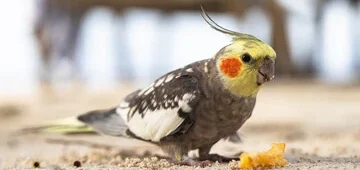
I remember a Tuesday morning when my cockatiel, Sparky, didn’t greet me with his usual whistle. He was sitting on the bottom of his cage, feathers puffed out like a little gray tennis ball. If you own birds, you know that cold pit in your stomach. Birds are masters of disguise. In the wild, showing weakness means becoming a snack for a predator, so they hide their illness until they simply cannot hide it anymore. When you see a bird looking sick, it is often an emergency. While nothing replaces a qualified avian vet, you often need to act immediately at home. This is where Homemade Remedies for Sick Birds come into play.
My goal here is to share what I have learned through years of bird ownership and many late-night calls to vets. We will talk about warmth, hydration, and natural supports that can keep a bird stable. These are not cures for major infections, but they are the bridge that gets your bird to the clinic alive.
Table of Contents
The First Rule of Bird First Aid: Heat and Quiet
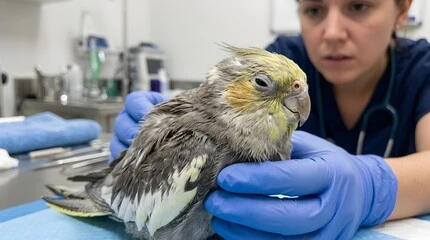
Before you reach for any herbal remedies for birds, you must address their environment. A sick bird uses every ounce of energy just to maintain its body temperature. When they are ill, their metabolism struggles. If they are shivering or puffed up, they are losing the battle to stay warm.
Setting Up a Hospital Cage
You do not need a fancy medical unit. A small travel cage or even a plastic tub with air holes works well. The idea is to keep the bird in a confined space where they do not have to fly or climb. I keep a dedicated ‘hospital box’ ready for these moments.
- Temperature: You want the environment to be between 85 and 90 degrees Fahrenheit. You can use a heating pad set to low under half of the cage. This way, if the bird gets too hot, they can move to the unheated side.
- Humidity: Dry air is hard on a sick bird’s lungs. Placing a bowl of warm water near the cage (but out of reach) or using a humidifier nearby helps.
- Darkness and Quiet: Put the cage in a spare bedroom or a quiet corner. Stress kills birds faster than many diseases do. Covering three sides of the cage helps them feel secure.
Hydration: The Most Important Step
A bird that isn’t eating can survive for a little while. A bird that isn’t drinking will fade very fast. Diarrhea or heavy breathing causes rapid fluid loss. This is where making a bird rehydration solution becomes a literal lifesaver.
DIY Electrolyte Solution
If you don’t have unflavored Pedialyte on hand, you can make a version at home. This solution provides electrolytes for dehydrated birds and gives them a tiny boost of glucose for energy.
| Ingredient | Amount |
|---|---|
| Warm Water (filtered) | 1 Cup |
| Salt (non-iodized) | 1/8 Teaspoon |
| Sugar or Honey | 1/2 Teaspoon |
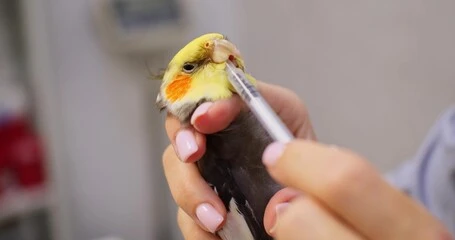
Mix this until everything dissolves. Offer it to the bird via a dropper or a small spoon. Do not force it down their throat, as they can easily inhale the liquid into their lungs (aspiration). Let them sip it from the tip of the dropper. If they are too weak to drink, touch the drop to the side of their beak. Usually, they will lick it off.
Natural Supplements and Herbal Support
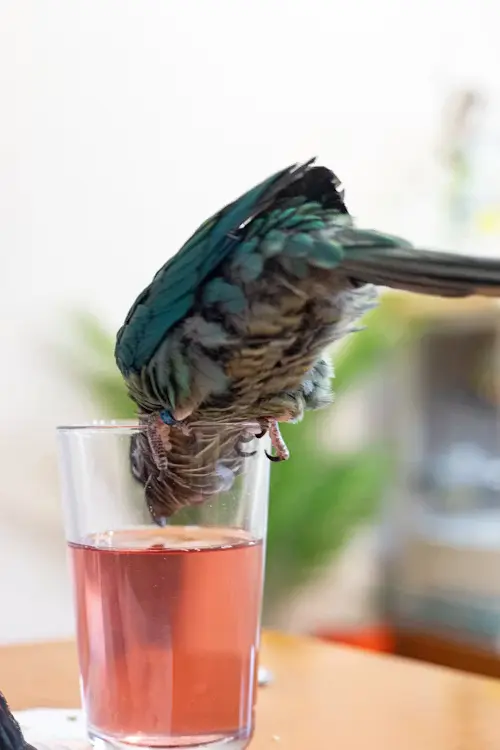
When we talk about home remedies for sick birds safe for daily use or emergencies, herbs are high on the list. Many plants have natural antimicrobial or soothing properties. These are natural supplements for birds that have been used by breeders for decades.
Chamomile Tea
Chamomile is the gold standard for a stressed or nauseous bird. It has a calming effect and can help with minor digestive upsets. Brew a weak cup of organic chamomile tea, let it cool to room temperature, and offer it instead of plain water. It is excellent for a home care for sick parrot routine when the bird seems agitated.
Ginger for Nausea
If your bird is vomiting or has motion sickness (common during the drive to the vet), ginger is powerful. You can soak a small slice of fresh ginger in their water. It helps settle the stomach and may encourage them to start eating again.
Thyme and Oregano
These two herbs are natural powerhouses. Oregano oil is often cited as a natural antibiotic in poultry circles. For pet birds, you can make a ‘tea’ from fresh thyme or oregano leaves. It helps support the immune system. Again, this is not a replacement for antibiotics prescribed by a vet for a bacterial infection, but it provides a layer of support.
The DIY Bird Recovery Diet
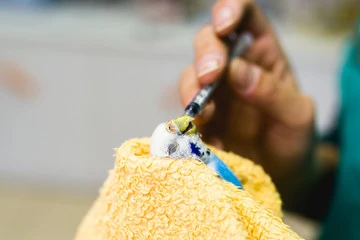
A sick bird often loses interest in their hard seeds or pellets. They need something easy to digest and high in energy. I always recommend a DIY bird recovery diet that focuses on soft textures.
- Hard-boiled Egg Yolk: This is packed with protein and fats. Mash it with a little warm water into a paste. Most birds find it highly palatable.
- Baby Food: Organic, fruit-based or vegetable-based baby food (like sweet potato or apple) is great. Ensure there are no added sugars, salts, or onions/garlic.
- Millet: This is the ‘comfort food’ of the bird world. Even very sick birds will often nibble on millet when they refuse everything else.
If you have a parrot, gut flora support for birds (probiotics) is also vital during recovery. You can buy avian-specific probiotics or, in a pinch, use a tiny amount of dairy-free, sugar-free yogurt. However, specialized bird probiotics are much safer because birds do not digest lactose well.
Recognizing Signs of Critical Illness
You need to know when Homemade Remedies for Sick Birds are no longer enough. There is a line between ‘supporting a bird’ and ‘delaying necessary medical intervention’. If you see these signs of critical illness in birds, stop the home remedies and get to an emergency vet immediately.
- Open-mouth breathing: If the bird is panting or their tail is bobbing heavily with every breath, they are in respiratory distress.
- Seizures or lack of balance: Neurological signs are always an emergency.
- Bleeding that won’t stop: This requires first aid for injured birds, like using cornstarch or styptic powder on a broken blood feather.
- Extreme lethargy: If the bird is on the floor of the cage and won’t respond to your touch, they are near the end of their reserves.
When to See a Vet for Sick Bird
I often get asked, ‘when to see a vet for sick bird symptoms that seem minor?’ The answer is: almost always. Because birds hide illness, a ‘minor’ symptom like a change in poop color or one sleepy afternoon usually means the bird has been sick for days. Home remedies are meant to support the bird’s body while you make the phone call to the clinic. They are not a way to avoid the vet.
The Importance of Cleanliness
While you are treating your bird at home, hygiene is paramount. A sick bird’s immune system is crashed. You must clean the hospital cage daily. Use warm soapy water and dry everything thoroughly. Do not use harsh chemicals or scented cleaners near the bird, as their lungs are incredibly sensitive to fumes.
If you have other birds, you must quarantine the sick one. I move the sick bird to a completely different room. Wash your hands up to your elbows and change your shirt after handling the sick bird before you go near your healthy ones. Cross-contamination happens faster than you think.
How to Administer Home Remedies Safely
Handling a sick bird is a delicate balance. You need to give them medicine or fluids, but catching them causes stress. Use a soft towel to gently scoop them up. This prevents them from flapping and wasting energy. Hold them securely but do not press on their chest. Birds do not have a diaphragm; they need their chest to expand and contract to breathe. If you grip them too tight, you can suffocate them.
When giving liquids, always aim for the side of the beak. Let the bird swallow at its own pace. If you see the bird shake its head or bubbles come out of its nose, stop immediately. They are struggling to breathe.
Common Kitchen Items for Bird First Aid
- Cornstarch: For stopping minor bleeding from claws or feathers.
- Apple Cider Vinegar (Organic with the Mother): A few drops in water can help with yeast issues in the crop, but use this sparingly.
- Cayenne Pepper: Interestingly, birds do not feel the ‘heat’ of peppers. Cayenne is a natural anti-inflammatory and can help with circulation. I sometimes sprinkle a tiny bit on their soft food.
FAQ: Homemade Remedies for Sick Birds
Can I give my bird human aspirin?
No. Never give human medications to birds without a vet’s specific dosage. Many human drugs are toxic to their tiny systems.
What is the best way to use Homemade Remedies for Sick Birds for respiratory issues?
Warmth and humidity are your best friends here. A steam-filled bathroom (without any soap smells) can help clear their passages for 10-15 minutes at a time.
Is honey safe for sick birds?
In very small amounts for an energy boost, yes. However, do not use it long-term as the high sugar content can encourage yeast growth in the crop.
How long should I wait before going to the vet?
You should call the vet the moment you notice symptoms. Use home remedies while you wait for your appointment time or during the drive.
Final Thoughts on Bird Care
Watching a pet bird suffer is heartbreaking. I have sat up many nights with a bird in a towel, hoping they would make it until the morning. These Homemade Remedies for Sick Birds provide a sense of agency when you feel helpless. They give your bird a fighting chance by providing the basic building blocks of recovery: heat, water, and easy calories.
Always trust your gut. If your bird looks ‘off’ to you, they probably are. Start the heat, mix the electrolyte solution, and get on the phone with your avian specialist. Your quick action is the most powerful remedy of all.
If you found this guide helpful, please share it with other bird owners. You never know when someone might need this information in the middle of the night. For more tips on keeping your feathered friends happy, check out our other guides on bird wellness.