Zebra Finches Pregnancy: Happy Ultimate Vet-Backed Care Guide

Is Your Zebra Finch Pregnant? Let’s Talk Reality
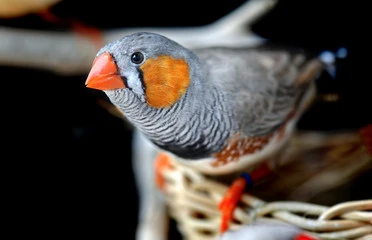
I remember the first time one of my females looked a bit heavy. I panicked. I thought she was sick because she was puffed up and sitting at the bottom of the cage. It turns out, she was just about to lay her first egg. While we often use the term Zebra Finches Pregnancy, birds do not carry live young like dogs or humans do. Instead, they become gravid. This means they are carrying a fully formed or forming egg inside their body.
Understanding this distinction matters because the physical strain on a tiny bird is immense. A zebra finch is light, fast, and high-energy. Adding the weight of an egg changes everything about her day. You need to know what to look for so you can provide the right food and environment. If you miss the signals, you might miss a chance to help her if things go wrong.
Table of Contents
The Zebra Finch Breeding Cycle
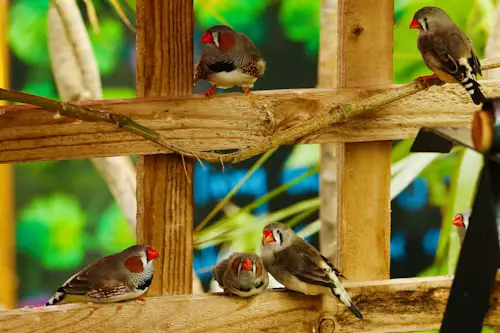
The zebra finch breeding cycle is surprisingly fast. In the wild, these birds are opportunistic. This means they are ready to go the moment the weather is right or food is plenty. In your home, this often means they are in breeding mode all year round because our houses are warm and the seed bowls are always full.
The cycle usually starts with a sudden burst of energy from the male. He will start searching for anything he can use as nesting material. If you see your male finch carrying a piece of dried poop, a loose feather, or a scrap of paper, the cycle has begun. This phase moves quickly into mating, then egg-laying, and finally the long wait of incubation.
The Mating Dance
Before the Zebra Finches Pregnancy even begins, you will see a specific zebra finch mating behavior. The male will stand tall on the perch, fluff his chest feathers, and do a little hop-dance. He sings a very specific, rapid song that is different from his normal chatter. If the female likes what she sees, she will crouch down and quiver her tail. This is your first real clue that eggs are on the way.
7 Signs Zebra Finch is Gravid

How do you actually know if there is an egg in there? Since birds hide their weaknesses, you have to be a bit of a detective. Here are the most common signs zebra finch is gravid that I have observed in my own flock:
- The Abdominal Swell: If you look at her belly from below, it will look rounded or heavy. This is easiest to see when she is sitting on a high perch.
- Waddling: Her gait changes. Instead of the usual light hop, she might walk with her legs slightly further apart to accommodate the egg.
- Droopy Wings: She might let her wings hang a bit lower than usual. This is often a sign she is tired from the metabolic cost of making an egg.
- Increased Appetite: She will be at the food bowl constantly, specifically looking for minerals.
- Heavy Breathing: If the egg is large, it can press against her air sacs. You might see her tail bobbing slightly as she breathes.
- Nesting Obsession: She won’t just sit in the nest; she will constantly rearrange it.
- The “Poop” Change: This is a big one. Gravid females often hold their droppings longer, resulting in much larger, smellier droppings than usual.
Zebra Finch Breeding Diet: Fueling the Egg
You cannot expect a bird to produce a healthy egg on a seed-only diet. Seed is mostly fat and carbs. Making an egg requires a massive amount of calcium and protein. If she doesn’t have enough calcium in her blood, her body will literally pull it from her own bones. This is why many females become paralyzed or weak during the Zebra Finches Pregnancy phase.
Must-Have Foods
| Food Item | Benefit | How Often |
|---|---|---|
| Cuttlebone | Pure calcium for strong shells | Always available |
| Boiled Egg Food | Protein and Vitamin D | Daily during breeding |
| Broccoli or Kale | Rich in minerals and moisture | 3 times a week |
| Crushed Eggshells | Easily absorbed calcium source | Mix with seed daily |
I always suggest making a fresh “egg food” mash. Boil a chicken egg for 10 minutes, mash the whole thing (including the shell) with some breadcrumbs or commercial nestling food. The birds love it, and it gives the female the boost she needs to survive the laying process.
Zebra Finch Nest Box Ideas
Where she lays the egg is just as important as what she eats. In the pet trade, you will see many wicker baskets. I hate them. They are hard to clean, and the birds’ tiny claws can get stuck in the weave. Instead, look for solid wood or plastic nest boxes. Here are some zebra finch nest box ideas that actually work:
- The Front-Open Wooden Box: These are standard and allow you to peek in without disturbing the birds too much.
- Plastic Tubs: Easy to disinfect, though some birds find them too slippery. You have to add plenty of nesting material.
- Gourd Nests: These mimic natural tree hollows and provide a sense of security.
Whatever you choose, provide plenty of nesting material. I prefer clean, dried grass or coconut fiber. Avoid using dryer lint or yarn, as the long fibers can wrap around a chick’s leg and cut off circulation. Watching them build is the best part of the Zebra Finches Pregnancy journey.
The Egg Incubation and Care Tips
Once the eggs arrive, the real work starts. Zebra finches usually lay one egg a day until they have a full clutch. A typical zebra finch clutch frequency is between 4 and 7 eggs. Don’t worry if they don’t sit on the first one. They usually wait until the third or fourth egg is laid before they start the constant incubation. This ensures that the babies all hatch around the same time.
The zebra finch egg incubation time is roughly 12 to 15 days. During this time, you should touch the eggs as little as possible. Our skin oils can block the pores in the eggshell, which can suffocate the developing embryo. If you must move an egg, use a small plastic spoon or wear gloves.
Zebra Finch Egg Care Tips
- Keep the humidity around 50-60%. If the air is too dry, the chick might get “shrink-wrapped” inside the egg and be unable to hatch.
- Provide a shallow bath for the parents. They will get their feathers wet and then sit on the eggs to provide the necessary moisture.
- Do not candle the eggs every day. It stresses the parents, and they might abandon the nest.
Zebra Finch Chick Rearing: The First Two Weeks
When the eggs finally hatch, the babies look like tiny pink aliens. They are blind, naked, and completely helpless. This is the most intense period for the parents. The zebra finch chick rearing process requires the parents to eat almost constantly so they can regurgitate food for the babies.
You will hear a soft “cheeping” sound from the nest. This is the sound of success. Ensure that the food bowls never go empty during this time. If the parents feel there isn’t enough food, they might stop feeding the smallest chick to save the others. It sounds harsh, but it is how they survive in nature.
Colony Breeding Management
If you have more than one pair in a large flight cage, you are practicing zebra finch colony breeding management. This can be fun, but it is also chaotic. Finches are notorious for “nest jumping.” A male might try to take over another bird’s nest, or two females might try to lay in the same box. To keep the peace, always provide more nest boxes than there are pairs. If you have three pairs, put up five boxes.
Common Problems: Egg Binding
I have to mention the scary side of breeding. Egg binding is when the egg gets stuck inside the female. This is a medical emergency. If your bird is sitting on the floor, panting, and looks like she is straining, she needs help immediately. This usually happens because of low calcium or if the bird is too young to be breeding. A zebra finch breeding pair compatibility check should always include age; never breed a female younger than six months old.
Frequently Asked Questions
How can I tell if my zebra finch is pregnant?
You will see her belly swell, her behavior will become more lethargic, and she will spend more time in the nest. She may also have very large droppings. While Zebra Finches Pregnancy isn’t the technical term, these signs show she is about to lay an egg.
How long do zebra finch eggs take to hatch?
The incubation period is usually 12 to 15 days once they start sitting on the eggs full-time.
What should I feed my finches when they have eggs?
A mix of high-quality seed, soft egg food, and plenty of calcium via cuttlebone or crushed eggshells is vital for their health.
Can zebra finches breed in the winter?
Yes, if they are kept indoors with consistent light and warmth, they can breed at any time of the year.
Final Thoughts on Growing Your Finch Family
Raising these birds is a rewarding experience, but it isn’t something to take lightly. Every egg represents a life that needs care, space, and a good diet. If you are prepared for the mess, the noise, and the extra feeding, then seeing those first feathers grow is worth every bit of the effort. Watch your females closely, keep the calcium levels high, and let nature do the rest. If you have questions about your bird’s specific behavior, leave a comment below or reach out to your local avian vet.