Conure Parrot: Best Playful Vibrant Companion Ever

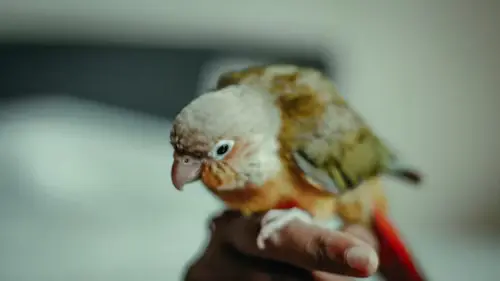
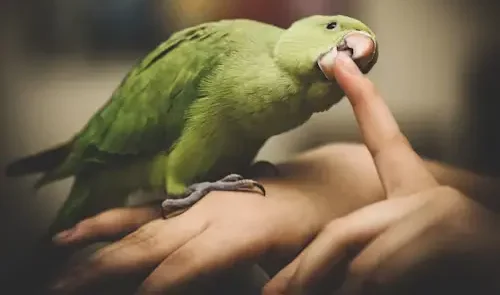
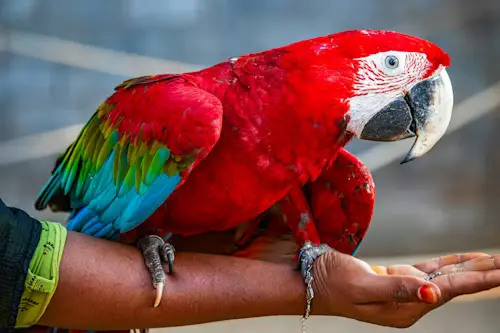
Bringing a conure parrot into your life is like inviting a burst of sunshine into your home. These small to medium-sized parrots are celebrated for their vibrant plumage, engaging personalities, and lively antics. Whether you’re a seasoned bird owner or contemplating your first feathered friend, the conure can bring endless joy and companionship. But, what exactly makes these birds so special, and what should you know before welcoming one into your home? Let’s dive deep into the captivating world of the parakeet.
Table of Contents
Understanding the Conure Parrot: Natural Habitat and History
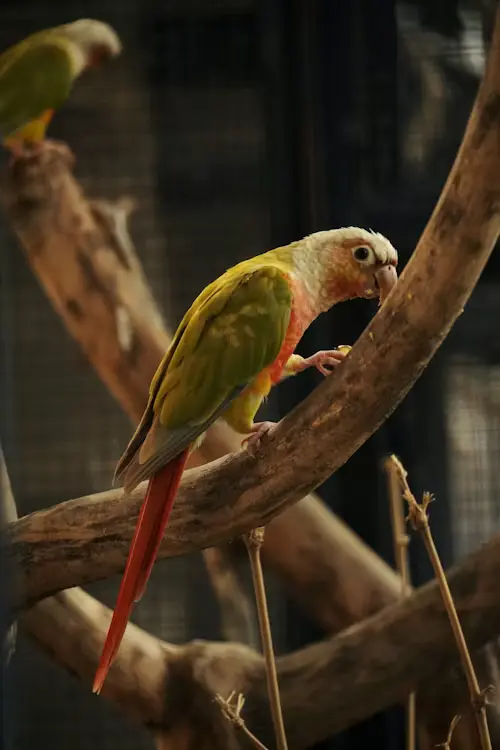
The parakeet represents a diverse group of small to medium-sized parrots native to Central and South America. These birds belong to several genera within the larger parrot family, including Aratinga, Pyrrhura, and others. In their natural habitats, conure parrots are found in forests, savannas, and woodlands, often in flocks, showcasing their social and communal nature.
Wild conure parrots exhibit strong flocking behaviors, which is why they thrive on social interaction. This natural instinct is essential in understanding their needs and behaviors as pets.
For more details on related parrot types, explore our guide on large parrot species and small parrot varieties.
Popular Conure Parrot Species You Should Know
When it comes to parakeet species, there are several standout varieties, each with its own unique traits. The most popular include:
- Sun Conure – Vivid yellow, orange, and green feathers; bold and outgoing personality.
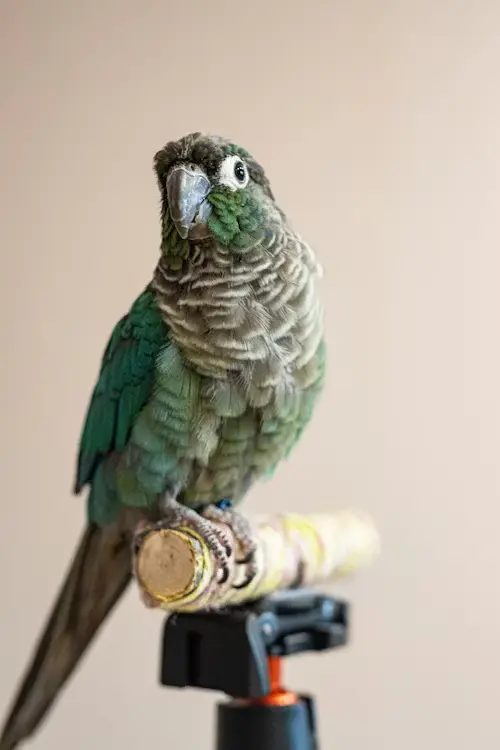
- Green-Cheeked Conure – Smaller size, playful demeanor, and quieter than sun conures.
- Cherry-Headed Conure – Striking red head, affectionate, and social.
- Nanday Conure – Black head, green body; known to be quite vocal.
Choosing the right conure species depends on your lifestyle, household noise tolerance, and space availability.
The Unique Personality of Conure Parrots
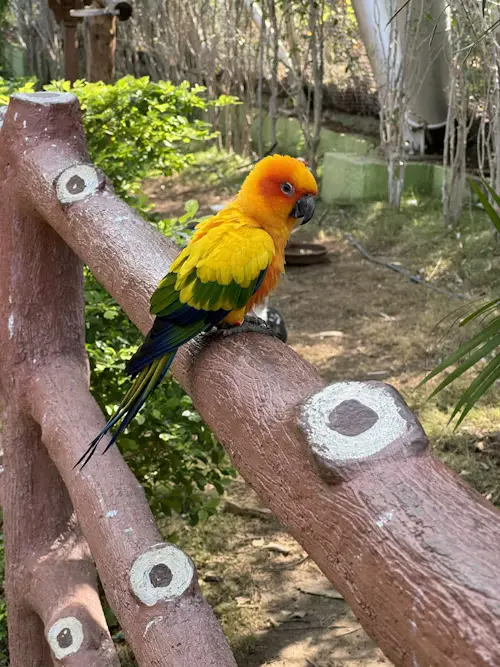
When it comes to personality, the parakeet is a showstopper. These birds are known for being:
- Playful and curious – Always exploring and investigating their surroundings.
- Social and affectionate – Form strong bonds with their owners and thrive on interaction.
- Vocal and expressive – Communicate through whistles, chirps, and sometimes loud calls.
- Intelligent and mischievous – Need mental stimulation to prevent boredom and behavioral issues.
Essential Conure Care Guide
Proper care is crucial for the wellbeing of your parrot. Let’s break down the essentials to ensure your feathered friend thrives.
Nutrition and Diet: The Cornerstone of Conure Diet Essentials
A balanced diet is key to maintaining a healthy parakeet. Their diet should include:
- Pellets (fortified for conures) as the dietary base.
- Fresh fruits and vegetables such as apples, carrots, leafy greens, and berries.
- Occasional nuts and seeds, though these should be treats, not staples.
- Clean, fresh water available at all times.
Avoid feeding your parakeet avocado, chocolate, caffeine, or high-salt foods—all of which can be toxic.
Housing and Environment: Creating the Perfect Home
Your conure parrot needs a spacious cage for both rest and play. The cage should be:
- Minimum 24″ x 24″ x 30″ (for green cheek conures; larger for bigger species).
- Furnished with perches of varying widths, toys, and swings.
- Placed in a social area, away from drafts and direct sunlight.
For enrichment, best toys for parrots include:
- Foraging toys – Encourage natural foraging instincts.
- Shreddable toys – Parrots love to destructively chew.
- Bells and mirrors – Stimulate auditory senses and provide entertainment.
To learn more about designing the ideal home for your pet, see our bird care section here: bird species care guide.
Conure Parrot Lifespan and Health: Longevity and Common Issues
Investing in a conure parrot means committing to a companion that could be with you for decades. Generally, a parakeet has a lifespan of 20 to 30 years, and sometimes even longer with optimal care.
Health considerations include:
- Regular avian vet checkups for early disease detection.
- Cleanliness – Keep their living environment clean to prevent bacterial or fungal infections.
- Beak and feather health – Rerum and clipping if necessary (performed by a professional).
- Wing and nail trimming – To prevent injury to themselves and your household.
Recognizing signs of illness—such as lethargy, loss of appetite, or abnormal droppings—is crucial for maintaining your parrot’s well-being.
Noise Levels: What to Expect with a Conure Parrot
One of the most frequently discussed topics is the parakeet noise levels. Depending on the species, these birds can range from moderately vocal to ear-piercingly loud.
- Green-cheeked conures are typically quieter, making them ideal for apartment living.
- Sun conures are notoriously loud, capable of producing calls that can be heard from afar.
If you’re in a noise-sensitive environment or have close neighbors, it’s essential to consider sun conure vs green cheek noise levels before choosing your species.
Baby Conure Parrot Bonding: How to Form a Lifelong Friendship
The early days with your baby conure are critical for building a trusting relationship. Successful baby parakeet bonding involves:
- Spending consistent, quality time together, ideally multiple short sessions per day.
- Using treats and gentle praise to reinforce positive behaviors.
- Being patient—each bird’s personality and trust level develop at its own pace.
- Introducing step-up training and handling gradually, respecting their comfort zone.
If your conure shows signs of fear or aggression, don’t rush the process. Bonding is a journey, not a race.
Common Challenges with Conure Parrots: Tips for Overcoming Behavioral Issues
Even the most delightful conure parrot can present behavioral challenges. Understanding and addressing these issues is crucial for a harmonious relationship.
Managing Noise
If your parakeet is loud, consider environmental changes:
- Ensure they have plenty of safe toys and activities to prevent boredom.
- Place the cage in a central location where they don’t feel isolated.
- Reward quiet behavior with treats and attention.
Preventing Feather Plucking
Feather plucking can indicate stress, boredom, or underlying health issues. Tips for prevention include:
- Increasing environmental enrichment with new toys and foraging activities.
- Establishing a consistent daily routine.
- Regularly consulting an avian veterinarian.
Discouraging Biting
Biting can often be a reaction to fear or overstimulation. Strategies include:
- Reading body language and respecting their signals.
- Redirecting attention with toys.
- Using positive reinforcement for gentle behavior.
Are Conure Parrots Good For Beginners?
Many new bird owners ask, are conure parrots good for beginners? The answer depends on your readiness to invest time and energy into proper socialization and training. Smaller species like the green-cheeked conure are often recommended for first-time bird owners due to their manageable size and moderate noise levels, as discussed in community advice on Reddit.
FAQs About ‘Conure Parrot’
How long do conure parrots live?
A: typically live between 20 to 30 years, depending on species, diet, and care.
Are conure parrots good with children?
A: With proper socialization, many **conure parrots** can be gentle and affectionate with children, but adult supervision is always necessary.
What is the best diet for a conure parrot?
A: A balanced diet of pellets, vegetables, fruits, and occasional nuts. Avoid toxic foods like chocolate, avocado, and caffeine.
Do conure parrots need a companion?
A: are social and can bond with humans, but if left alone for long periods, a same-species companion may be beneficial.
How do I stop my conure parrot from screaming?
A daytime routine, plenty of mental stimulation, and positive reinforcement of quiet behavior can reduce excessive vocalization.
Conclusion: Is a Conure Parrot the Right Bird for You?
If you’re seeking a lively, affectionate, and vibrant companion, the parakeet might just be your perfect match. With their engaging personalities and strong bonds, they can bring immense joy—but only with the right commitment and understanding.
Remember, proper care, a suitable environment, and consistent interaction are essential to raising a happy and healthy conure parrot. By investing in their wellbeing, you’re set for a rewarding relationship that can last for decades.
Are you ready to welcome a parakeet into your life? Share your thoughts, experiences, or questions in the comments below, and let’s build a community of passionate bird lovers together!