What Foods Are Dangerous for Pet Birds: Proven Dangers

What Foods Are Dangerous for Pet Birds?
As a loving pet bird owner, you want to ensure your feathered friend stays healthy and happy by knowing what foods are dangerous for pet birds. While sharing food is a great way to bond with your bird, certain human foods can be toxic or even fatal to birds. It’s crucial to know what foods are dangerous for pet birds to protect their well-being. This comprehensive guide covers everything you need to know about toxic foods for parrots and safe vs unsafe bird treats.
Table of Contents
Common Toxic Foods for Pet Birds
| Food | Toxic Components | Effects on Birds |
|---|---|---|
| Avocado | Persin | Cardiovascular damage, respiratory distress, death |
| Chocolate | Theobromine, caffeine | Increased heart rate, tremors, seizures, death |
| Onions, Garlic | Sulfur compounds | Anemia, weakness, collapse |
| Apple Seeds | Cyanide | Vomiting, loss of appetite, death |
| Caffeine | Methylxanthines | Increased heart rate, hyperactivity, cardiac arrest |
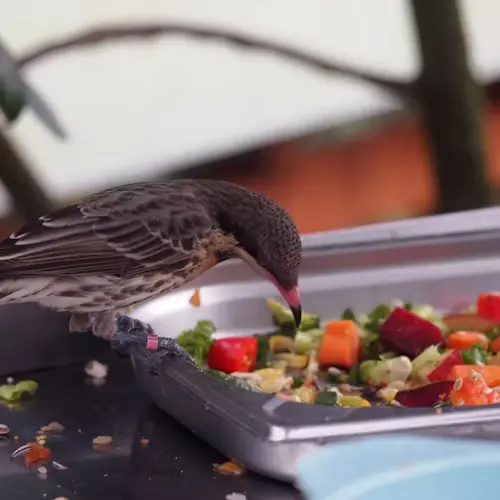
Safe Fruits and Vegetables for Birds
- Apples (remove seeds)
- Bananas
- Berries
- Carrots
- Leafy greens (lettuce, spinach)
- Melons
- Peeled potatoes
- Pumpkin
- Squash
- Sweet potatoes
Safe Treats for Birds
- Birdseed
- Millet
- Nuts (unsalted)
- Pasta (cooked)
- Popcorn (unsalted, unbuttered)
- Whole grain bread
Detailed Section
Chocolate – A Deadly Delight for Birds
Chocolate is a sweet treat for humans but a deadly toxin for birds. It contains theobromine and caffeine, which can cause increased heart rate, hyperactivity, tremors, seizures, and even death in birds. Even small amounts of chocolate or cocoa powder can be lethal.
Avocado – A Forbidden Fruit for Birds
Avocados are a popular superfood for humans, but they’re on the list of forbidden fruits for birds. Every part of the avocado plant, including the fruit, skin, and pit, contains persin, a fatty acid-like substance that can cause cardiovascular damage, respiratory distress, and sudden death in birds.
Onions and Garlic – Hidden Hazards for Birds
Onions and garlic may add flavor to our meals, but they can cause anemia and gastrointestinal issues in birds. These foods contain sulfur compounds that can destroy red blood cells, leading to anemia, weakness, and collapse in birds.
Caffeine – A Dangerous Stimulant for Birds
Caffeine is a stimulant that can be harmful to birds, just as it is to dogs and cats. Birds are especially sensitive to the effects of caffeine, which can cause increased heart rate, hyperactivity, and cardiac arrest.
Alcohol – A Forbidden Drink for Birds
Alcohol should never be given to birds as it can cause alcohol poisoning, leading to incoordination, vomiting, seizures, and death. Birds have a low body weight and can be affected by small amounts of alcohol.
Other Foods to Avoid
- High-fat, high-salt, and high-sugar foods can lead to obesity and liver problems in birds.
- Fruit seeds and pits contain cyanide and should be avoided.
- Mushrooms can cause digestive issues and liver failure in birds.
Signs of Toxicity in Pet Birds
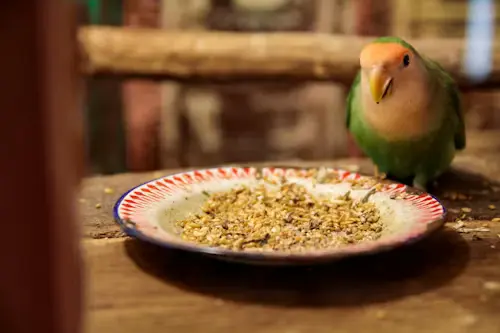
If you suspect your bird has ingested a toxic food, look for these signs:
- Vomiting
- Diarrhea
- Lethargy
- Loss of appetite
- Difficulty breathing
- Seizures
If you notice any of these symptoms, seek veterinary care immediately.
Safe Alternatives for Bird Treats
Instead of sharing human foods, offer your bird safe and nutritious alternatives:
- Commercial bird treats formulated for their dietary needs
- Fresh fruits and vegetables washed thoroughly
- Sprouted seeds or beans
- Whole grain pasta or bread in moderation
FAQ about ‘what foods are dangerous for pet birds’
Q: Can birds eat honey?
A: Honey is not recommended for birds as it can contain botulism spores, which can be fatal to birds.
Q: Is peanut butter safe for birds?
A: Unsalted, unsweetened peanut butter in small amounts is generally safe for birds. However, it’s high in fat, so it should be given as an occasional treat.
Q: Can I feed my bird human food?
A: While it’s tempting to share your food with your bird, it’s best to stick to a diet formulated for their nutritional needs. If you do offer human food, avoid the toxic options listed above.
Conclusion
As a responsible pet bird owner, it’s essential to be aware of what foods are dangerous for pet birds. By avoiding toxic foods like chocolate, avocado, and onions, and offering safe alternatives, you can help ensure your feathered friend stays healthy and happy. Always consult with your avian veterinarian if you have any concerns about your bird’s diet or notice any signs of toxicity.