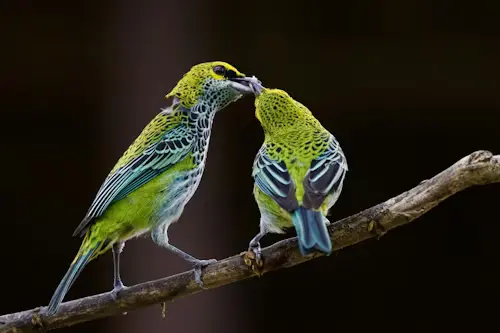
Bird Feeder Salty Foods Dangers: Protect Birds Now

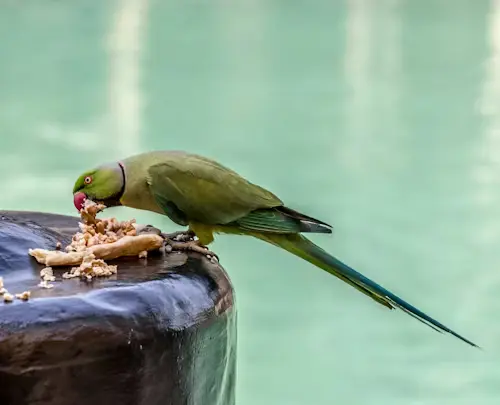
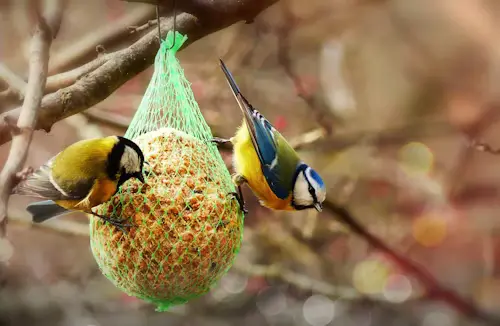
You might love sharing your snacks with feathered visitors, but some foods in your kitchen could seriously harm the birds at your feeder. Bird feeder salty foods dangers pose serious health risks that many well-meaning bird enthusiasts don’t realize until it’s too late.
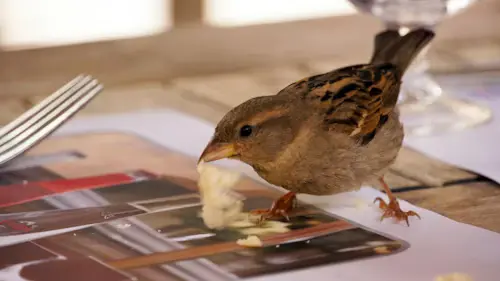
Just like humans, birds need some salt for survival, but they get plenty from natural sources. When you put out salted nuts, chips, or processed meats, you’re exposing these creatures to potentially fatal conditions without knowing it.
Table of Contents
Why Salt Is Dangerous for Birds
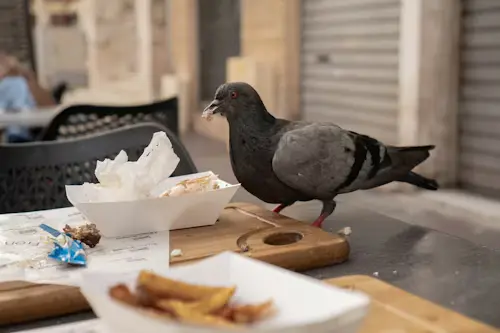
Too much salt can devastate a bird’s delicate systems. When birds consume salty foods, severe symptoms can develop quickly.
Physiological Impact of Excess Salt
Birds process salt very differently from humans. Their kidneys aren’t designed to handle high sodium loads, which affects several critical body systems:
- Electrolyte imbalance: Disrupts proper cell function throughout the body
- Dehydration: Salt draws water from tissues, despite the bird drinking more
- Kidney failure: The organs become overwhelmed trying to process excess sodium
- Neurological issues: Can cause confusion, tremors, and coordination problems
Common Symptoms of Salt Poisoning
If birds consume salty foods from your feeder, watch for these warning signs:
- Excessive thirst followed by decreased urination
- Lethargy and lack of normal activity
- Seizures or unusual movements
- Sudden weight loss due to dehydration
- Difficulty breathing
Most Dangerous Salty Foods for Bird Feeders
Many everyday foods contain dangerous amounts of sodium that can harm birds. Here’s what to avoid:
Common Table Foods to Keep Away
- Salted nuts – Even “lightly salted” varieties contain too much sodium
- Potato chips – Highly processed with extreme salt levels
- Processed meats – Bacon, ham, and deli meats are extremely salty
- Crackers and pretzels – Contain more salt than birds can safely process
- Cooked meats with seasoning – Often contain both salt and harmful spices
Unexpected Sources of Salt
Some foods you wouldn’t expect to be problematic actually pose significant risks:
- Moldy bread – Develops natural toxins and often contains salt
- Cheese – Many varieties contain high sodium levels
- Vegetable preserves – Often prepared with large amounts of salt
- Breakfast cereals – Many contain surprising amounts of sodium
Safe Alternatives for Your Bird Feeder
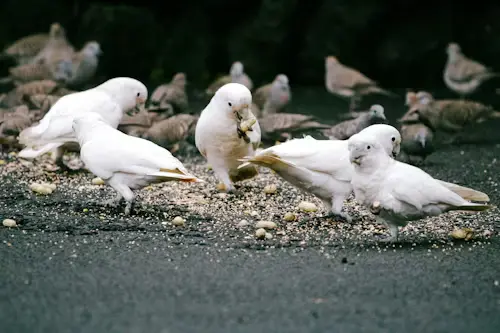
Fill your feeders with foods that provide nutrition without health risks:
Excellent Seed Choices
- Black oil sunflower seeds – High in healthy fats and protein
- Nyjer seeds – Perfect for finches and other small birds
- Safflower seeds – Especially good if you want to discourage squirrels
- Millet – A favorite among ground-feeding birds
Other Safe Options
- Unsalted peanuts – Offer only if they’re completely unsalted
- Dried mealworms – Excellent protein source, especially in winter
- Suet without salt – Provides essential energy
- Fresh fruits – Apples, berries, and oranges in moderation
Creating a Bird-Friendly Feeding Station
Setting up a safe feeding area requires some thoughtful planning:
Location Considerations
Place feeders where birds feel secure but can avoid predators:
- Near natural shelter like trees or shrubs (within 10-15 feet)
- Away from windows to prevent collisions
- At different heights to accommodate various species
- In areas with good visibility so birds can spot danger
Maintenance Practices
Regular cleaning prevents disease spread:
- Clean feeders weekly with a 10% bleach solution
- Remove old seed that may harbor mold
- Rake beneath feeders to remove spoiled food
- Disinfect water sources daily
What To Put Out and When
Different seasons require different feeding approaches:
Winter months:
- High-fat foods like suet and sunflower seeds
- Fresh, unfrozen water daily
- Consistent feeding schedule
Spring and summer:
- High-protein foods for nesting birds
- Soak dried fruits to prevent choking
- Limit bread and human foods
Common Mistakes Bird Lovers Make
Even experienced bird feeders sometimes make errors:
Overlooking Ingredient Lists
Many people don’t realize packaged foods contain hidden salt:
- “Low sodium” still contains problematic levels for birds
- Seasoning blends often include salt
- Even “natural” preserved foods may use salt
Inconsistent Feeding Practices
Birds become dependent on food sources:
- Starting and stopping feeding abruptly
- Leaving feeders empty during harsh weather
- Providing only one food type instead of variety
Ignoring Local Species Needs
Different birds have different dietary requirements:
What works in one region may harm birds in another
- Seasonal dietary changes aren’t always considered
- Migratory birds need different nutrition than year-round residents
Bird Feeder Safety Checklist
Keep this checklist handy to ensure you’re providing a safe environment:
| Safety Concern | Check | Status |
|---|---|---|
| No salted food in feeders | ☐ | |
| Feeders cleaned within past week | ☐ | |
| No moldy or spoiled food visible | ☐ | |
| Water source fresh and unfrozen (if applicable) | ☐ | |
| Feeders positioned safely | ☐ | |
| Appropriate food for local species | ☐ | |
| Consistent refill schedule | ☐ |
Legal and Ethical Considerations
Your feeding hobby has broader implications:
Local Regulations
Some areas have specific rules about feeding wildlife:
- Municipal ordinances may restrict feeder types
- HOA restrictions might apply to your property
- Protected species have additional legal safeguards
Ethical Wildlife Management
Responsible feeding means thinking beyond just offering food:
- Don’t create dependency on feeders alone
- Consider habitat preservation, not just feeding
- Report sick birds to wildlife authorities
- Support conservation efforts alongside feeding
Recognizing and Responding to Bird Emergencies
Sometimes despite your best efforts, problems occur:
Signs of Distress in Birds
Spot trouble before it becomes fatal:
- Birds seeming unusually tame or not fleeing
- Visible injuries or abnormal feather condition
- Neurological symptoms like head tilting or circling
- Sudden absence of normally frequent visitors
Emergency Response Steps
If you suspect salt poisoning or other emergencies:
- Remove all food sources immediately
- Document symptoms with photos if possible
- Contact a licensed wildlife rehabilitator
- Clean and disinfect all feeders thoroughly
- Monitor for similar symptoms in other birds
FAQ about ‘Bird Feeder Salty Foods Dangers’
How much salt is too much for birds?
Birds’ tolerance to salt varies by species, but as little as 1/16 teaspoon of salt can be harmful or fatal to small songbirds. Most birds get adequate salt from natural food sources and don’t need supplemental salt.
Can I wash salt off nuts before putting them in feeders?
Washing salted nuts doesn’t remove enough sodium to make them safe. The salt penetrates the nut, and surface washing leaves harmful residue. Stick to unsalted varieties from bird food suppliers.
What should I do if I accidentally put out salted food?
Remove the food immediately and clean the feeder thoroughly. Watch for signs of distress in visiting birds, and contact a wildlife rehabilitation center if you observe sick birds.
Are some bird species more sensitive to salt than others?
Yes. Smaller birds like hummingbirds and finches are generally more susceptible to salt poisoning than larger birds. Water birds also process salt differently, but still shouldn’t be fed salty foods. Each species has specific tolerances based on their natural diet.
Can salt poisoning in birds be treated?
Mild cases might resolve with immediate removal of the salt source and providing fresh water, but moderate to severe cases require professional veterinary treatment. Prevention remains the only reliable approach.
Conclusion ‘Bird Feeder Salty Foods Dangers’
Creating a safe feeding environment for backyard birds means understanding the serious risks of salty foods. While your intention is to help, bird feeder salty foods dangers can cause significant harm to the very creatures you want to protect.
By choosing appropriate foods, maintaining clean feeding stations, and staying informed about species-specific needs, you can create a haven that supports bird health year-round. Remember that what seems like a small amount of salt to you can be a life-threatening dose for a tiny bird.
Take time to evaluate what you’re offering at your feeders today. Your feathered visitors depend on your knowledge and care to thrive in your backyard sanctuary.