Parakeet Pellets vs Seed: How to Choose the Best


Are you struggling to decide what’s best to feed your feathered friend? The debate between parakeet pellets vs seed has left many bird owners confused about what truly nourishes their pets. You’ve likely heard conflicting advice from pet store employees, breeders, and online forums, leaving you wondering if you’re making the right nutritional choices for your parakeet.
Your parakeet’s long-term health depends on its diet, and making an informed decision between pellets and seeds is crucial for preventing common health issues and extending your bird’s lifespan.
Table of Contents
Understanding the Nutritional Differences

Protein Content Comparison
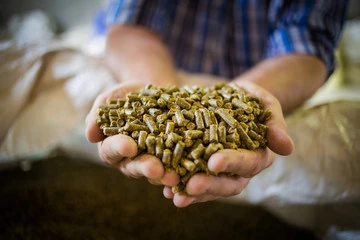
When comparing parakeet pellets vs seed options, protein levels vary significantly between these two food types. Pellets are carefully formulated to contain balanced protein levels between 12-14%, derived from various sources like soybean meal, wheat, and other plant proteins. This consistent protein profile supports healthy muscle development and feather growth throughout your bird’s life.
Seed mixes, conversely, present an inconsistent protein story. While some seeds like sunflower seeds offer higher protein content, others fall considerably short. Parakeets eating seed mixes tend to selectively forage for their favorite seeds, often creating nutritional gaps. When they consistently pick high-fat seeds like millet and discard other varieties, they miss out on crucial protein sources necessary for their daily functions.
Carbohydrate and Fiber Variations
The carbohydrate and fiber composition differs dramatically between pellets and seeds. Quality pellets contain controlled carbohydrate levels with carefully balanced fiber content that aids digestion. Most pellets include around 3-5% fiber from various plant sources, providing the roughage parakeets need for proper digestive function.
Seed mixes offer a different carbohydrate profile that varies widely. Hulled seeds contain more digestible carbohydrates than those still in shells. The natural fiber content in whole seeds can be beneficial, but the high starch content in certain seeds may contribute to blood sugar fluctuations if consumed excessively.
Understanding these nutritional differences represents the foundation for making informed choices about your parakeet’s diet. The controlled research behind pellet formulation creates a nutritional consistency that seed mixes simply cannot replicate.
The Health Benefits of Parakeet Pellets Over Seeds
Complete Vitamin and Mineral Profiles
Pellets provide uniform vitamin and mineral coverage that seeds alone cannot match. Commercially prepared pellets undergo nutrient testing to ensure each bite contains essential vitamins A, D3, E, and K, along with minerals like calcium, phosphorus, and selenium. This precision eliminates the guesswork involved in seed-based feeding.
Seeds lose significant nutritional value during storage and processing. Many vitamins degrade when seeds sit on store shelves or in your home. Additionally, the vitamins sprayed onto seed shells often wash off when birds hull the seeds with their beaks, literally discarding the nutrients along with the outer coating.
Your parakeet receives consistent micronutrient access with pellets, supporting immune function, bone health, and organ maintenance. This reliability particularly benefits younger birds developing their systems and older birds with changing nutritional needs.
Lower Fat Content for Weight Management
Parakeet pellets vs seed choices significantly impact weight management. Quality pellets typically contain 3-4% fat content, while seed mixes often register 10-15% fat or higher. This dramatic difference stems from the concentration of oil-rich seeds in standard mixes.
Parakeets naturally prefer high-fat foods, leading them to selectively pick sunflower seeds, pumpkin seeds, and other fatty options when given a seed mix. This selective feeding creates overconsumption of fats, contributing to obesity, fatty liver disease, and related health complications. Pellets with their controlled fat content help maintain healthy body weight, reducing the risk of weight-related illnesses that commonly affect seed-fed birds.
Dental Health Advantages
The pellet format offers unique dental benefits for your parakeet. While seeds require hulling with beak use, pellets encourage grinding action that helps maintain beak health and prevents overgrowth. This mechanical benefit complements the nutritional advantages of pellets.
Your parakeet’s beak continuously grows throughout life, similar to human fingernails. The abrasive action of consuming pellets helps maintain proper beak length and shape. Many veterinarians note fewer beak-related complications in pellets-fed birds compared to those eating only seeds.
The digestive advantages extend beyond dental benefits. The uniform texture of pellets ensures comprehensive digestive system use, preventing the selective eating patterns that seed mixes promote and supporting better nutrient absorption.
Switching Your Parakeet to a Pellet Diet: Step-by-Step Guide
Assessing Your Bird’s Current Diet
Before transitioning from seed to pellets, evaluate your current feeding routine. How much seed does your parakeet typically consume daily? What percentage of offered seed gets eaten versus scattered or wasted? Understanding your starting point helps measure progress during the transition.
Document your bird’s favorite treats and habitual eating times. Does your parakeet eagerly anticipate morning seed offerings? Does it show preference for certain seed varieties? This assessment establishes behavioral baselines that inform your transition strategy.
Consider your parakeet’s overall health status before diet changes. If you notice weight changes, feather quality issues, or other health concerns, consult your avian veterinarian before modifying feeding routines. A health check ensures your bird can handle the dietary transition.
Gradual Transition Methods That Work
The cold turkey approach rarely succeeds when introducing new parakeet pellets vs seed foods. Most parakeets initially reject unfamiliar foods, potentially leading to stress or weight loss. Instead, implement gradual changes that respect your bird’s eating habits while gently encouraging dietary exploration.
Start by offering a small number of pellets alongside regular seeds rather than using force. Place pellets in a separate dish near the seed dish. This proximity encourages investigation without creating food scarcity anxiety. Some birds accept new foods within days, while others require weeks of exposure before trying pellets.
Mix decreasing amounts of seeds with increasing amounts of pellets over 6-8 weeks. Begin with your regular seed ratio, removing 10% of seeds while adding 10% pellets. After a week, adjust by another 10% in favor of pellets. This gradual reduction prevents rejection and allows your bird’s digestive system to adapt to the new food texture and composition.
Overcoming Common Transition Challenges
Your parakeet’s seed preference represents a strong behavioral barrier during diet transitions. Birds naturally avoid unfamiliar foods due to wild survival instincts where unknown items often mean potential toxins. Combat this by making pellets familiar through repeated exposure without pressure.
Try offering pellets at different times and in different presentations. Some birds investigate food more readily when offered outside their cage or during unsupervised moments. Place pellets in foraging toys or spread them across different locations to encourage natural pecking and exploration behaviors.
Use conversion techniques like moistening pellets slightly to enhance aroma appeal or crushing pellets into tiny pieces mixed with seed hulls to mimic familiar appearance. Some owners report success with warm pellets that release more aroma, though temperature changes should be mild to prevent digestive upset.
Ensuring Success: Monitoring and Adjustments
Track your parakeet’s progress using simple observation tools. Weigh your bird weekly using a gram scale to monitor weight stability. A healthy parakeet should maintain consistent weight during diet transitions, with only minor fluctuations.
Monitor droppings during the transition. Pellet-based diets often create darker, more formed droppings compared to seed-based diets. While initially alarming to observant owners, this change reflects increased nutrient absorption and proper digestive function.
Watch for behavioral signals during the transition. Does your parakeet investigate pellets more frequently? Does it eat on the same schedule as before? Reduced food intake indicates transition stress and requires slowing the transition pace.
Maintain patience throughout the process. Some extremely seed-preferring birds require months for complete conversion. The health benefits justify the time investment, as permanent diet failure forces repeated transitions that increase dietary stress.
Addressing Seed Begging: Understanding and Managing the Behavior
Why Parakeets Prefer Seeds Over Pellets
Your parakeet’s seed preference stems from biological programming that associates high-calorie foods with survival advantage. In natural habitats, seeds provide concentrated energy needed for flying and foraging activities. This evolutionary preference creates a seemingly insatiable appetite for starchy, fatty foods.
Seed textures trigger stronger beak engagement than the uniform pellet texture. The satisfaction derived from cracking and hulling seeds produces repetitive feeding behaviors that pellets cannot replicate. This tactile enjoyment forms part of why seed begging becomes entrenched in pet parakeet behavior.
Additionally, seed mixes often contain colorful varieties that mimic natural food sources. Bright red, orange, and yellow seeds attract the foraging attention of vision-oriented parakeets. Pellets’ neutral colors may reduce initial attractiveness despite superior nutritional profiles.
Reducing Dependency on Seed Treats
Establish consistent feeding schedules that designate specific times for pellet-based meals and separate times for treats. Most parakeets develop regular eating patterns, and predictable meal timing reduces the intensity of food-seeking behaviors throughout the day.
Structure training sessions that reward pellet consumption rather than seed expectations. When your parakeet associates pellet eating with positive interactions, behavioral priorities shift away from constant seed seeking. Use praise and gentle attention as rewards immediately after pellet meals.
Create environmental complexity that redirects food-focused energy into enrichment activities. The millions of parakeets kept as pets benefit from foraging opportunities that simulate natural feeding patterns. Puzzle feeders and hidden treats encourage investigative behaviors that temporarily satisfy food-seeking urges.
Behavioral Training Techniques
Implement positive reinforcement training to establish healthy food relationships. Start with simple target training where your parakeet touches a stick or your finger and receives immediate gentle praise. This interaction builds trust and communication that extends to feeding routines.
Use the training relationship to gradually extend feeding sessions beyond habitual seed-based times. Short training intervals of 5-10 minutes prevent frustration while establishing predictable interaction times separate from food distribution. Many owners find training particularly effective during early morning hours when birds demonstrate highest activity levels.
Counter-conditioning helps reduce seed-associated anxiety during the pellet transition. If your parakeet becomes agitated when pellets appear in the food dish, pair pellet presentations with enjoyable activities like gentle music, favorite toys, or proximity to you. This creates positive associations that may accelerate acceptance of new foods.
Consistency in handling and feeding routines helps birds understand expectations regarding food availability. Random or excessive seed offerings reinforce begging behavior by teaching birds they can obtain preferred foods through persistent requesting.
Harrison Pellets for Parakeets: A Premium Option Examined
Understanding Harrison’s Reputation and Benefits
Harrison’s adult lifetime pellets stand among the most respected names in avian nutrition. These premium pellets undergo extensive formulation by avian nutritionists who prioritize organic ingredients and species-appropriate nutrition. The brand’s commitment to quality attracts bird owners seeking optimal health outcomes.
The processing method differs from standard pellets through gentler techniques that preserve nutrient integrity. Harrison’s uses low-temperature processing that maintains vitamin and enzyme stability better than high-heat extrusion methods common in commercial pellets. This attention to processing quality delivers enhanced bioavailability of essential nutrients.
Veterinarian endorsement often follows Harrison’s commitment to education about avian nutrition. The company provides extensive resources about diet transitions, health interventions, and species-specific feeding recommendations. These educational efforts help owners make informed decisions about parakeet pellets vs seed options.
Nutritional Specifications
Harrison’s Adult Lifetime Super Fine pellets contain approximately 14% crude protein derived from non-GMO whole grains and legumes. This protein source includes multiple amino acids necessary for feather development and maintenance. The balanced formula supports both molt health and seasonal physiological changes.
The fat content sits around 6%, slightly higher than some grocery-store pellets but maintains optimal ratios for horizontal surface feeders like parakeets. This moderate fat level provides sustained energy without promoting obesity when fed according to recommendations.
Calcium ratios match avian metabolic requirements, supporting bone strength and egg production in female birds. The mineral balance incorporates trace elements like zinc and copper at levels proven beneficial through long-term feeding trials in various parrot species.
Cost-Benefit Considerations
Harrison’s pellets command premium prices compared to mass-market alternatives. A one-pound bag often costs two to four times more than standard grocery store pellets. This price difference prompts reasonable questions about value when comparing parakeet pellets vs seed options.
Calculate actual consumption costs when evaluating pellet economics. Many parakeets create waste with lower-quality pellets through selective eating or rejected portions. Higher-quality pellets often achieve better consumption rates, reducing the apparent cost difference through improved efficiency.
Consider health-maintenance cost offsets from premium nutrition. Birds receiving adequate nutrition from sources like Harrison’s typically require fewer veterinary interventions for diet-related conditions. The potential avoidance of fatty liver disease, obesity complications, and malnutrition-related issues provides economic value beyond initial food costs.
The extended shelf stability of vitamin-enhanced premium pellets creates another value factor. Properly stored Harrison’s pellets maintain nutrient integrity for extended periods, reducing waste from nutrient degradation common in cheaper alternatives stored for months.
Finding Balance: Mixed Diets and Specialized Feeding Programs

The 70/30 Approach to Parakeets Feeding
Many avian specialists recommend a balanced approach to parakeet nutrition through a 70/30 ratio favoring pellets over seeds. This balanced approach allows your parakeet to enjoy seed textures they love while ensuring proper nutrition through pellet consumption.
Structure your mixed feeding program by maintaining separate dishes for each food type. Place this small, easily accessible dish for pellets near feeding stations where your parakeet spends most active time. The larger seed dish can occupy secondary locations, encouraging pellets when your bird seeks convenience.
Monitor your parakeet’s selective eating patterns in mixed environments. Some birds continue ignoring pellets even in favorable ratios, requiring behavioral interventions or continued gradual adjustment strategies beyond simple availability.
Rotate seed varieties weekly within your 30% allotment to provide enrichment through different textures and sizes. This variety satisfies exploratory pecking behaviors while maintaining the nutritional reliability of the 70% pellets portion.
Incorporating Fresh Foods for Optimal Health
Fresh foods complement both commercial pellets and seeds by providing phytonutrients absent from processed diets. Consider fresh additions as supplements rather than diet bases, comprising approximately 10-20% of total food volume.
Safe fresh options include:
- Leafy greens (romaine, kale, dandelion)
- Colored vegetables (bell peppers, sweet potato, carrot)
- Limited fruits (apple, pear, berries)
- Sprouted seeds
Wash all produce thoroughly and remove items showing any mold growth or spoilage. Introduce new foods one at a time, watching for digestive changes that might indicate sensitivities.
Feeding fresh foods in morning hours when parakeets demonstrate highest activity ensures better consumption before spoilage occurs. Remove uneaten fresh items within two hours in temperate environments or one hour in warm conditions.
Supplements: When and What to Consider
Most well-formulated pellets obviate the need for additional supplements when fed as primary foods. Over-supplementation creates health complications including nutrient toxicity and metabolic imbalances.
Vitamin A deficiency, despite remaining common in seed-based diets, resolves through proper pellets without additional supplementation. Similarly, calcium supplementation for non-breeding birds often proves unnecessary and potentially harmful when creating mineral imbalances.
Consider veterinary consultation before adding supplements for specific health conditions. Birds with confirmed deficiencies, those recovering from illness, or breeding birds may benefit from targeted supplementation under professional guidance.
Calcium blocks or mineral perches provide enrichment opportunities beyond targeted nutrition delivery. Many parakeets investigate these items primarily for beak maintenance rather than nutrient intake. Monitor usage patterns, as consistent extensive consumption might indicate excessive release from underlying diet issues.
Common Health Issues from Poor Nutrition and Prevention Strategies
Obesity and Its Consequences
Seed-heavy diets create substantial obesity risks for parakeets. Excess dietary fat accumulates when birds consume more calories than they expend through normal activity. This weight gain strains joints, affects heart function, and often precipitates fatty liver disease.
Parakeet obesity often develops subtly through seemingly normal activity patterns. The species maintains activity even with excess weight, partially masking physical changes. Regular weight checks using gram scales help detect gradual weight gain before severe health impacts occur.
Measure your parakeet’s keel bone prominence as an additional health indicator. The keel bone should remain palpable but with gentle flesh covering along most of its length. Prominent, sharply defined ridges indicate insufficient weight while complete inability to feel the bone suggests excess adiposity.
Address obesity through combined nutrition improvements and increased activity. Expand cage size or provide supervised flight opportunities to increase daily caloric expenditure. Pair dietary improvements from parakeet pellets vs seed changes with environmental enrichment that encourages natural movement patterns.
Respiratory Problems Linked to Vitamin A Deficiency
Seed-based diets frequently create vitamin A deficiencies that compromise respiratory health. Parakeets need proper vitamin A for maintaining respiratory tract epithelium integrity. Deficiency creates increased susceptibility to respiratory infections and chronic breathing problems.
Symptoms of vitamin A deficiency progress from subtle behavior changes to visible health decline. Initial signs include reduced activity, feather quality changes, and slightly altered vocalization patterns. Advanced deficiency creates nasal discharge, breathing difficulties, and potential respiratory infections.
Prevent respiratory complications through adequate vitamin nutrition either through quality pellets or fortified seed mixes. Fresh foods high in natural vitamin precursors provide additional support, particularly dark leafy greens and colored vegetables.
Seek veterinary evaluation for any breathing changes, as respiratory distress in birds progresses rapidly to life-threatening conditions. Early nutritional intervention combined with medical treatment offers the best outcomes for respiratory health issues.
Feather Disorders and Dull Appearances
Inadequate nutrition creates visible feather quality problems through various mechanisms. Protein deficiency affects feather structure, creating brittle shafts and poor development during molts. Essential fatty acid shortages create dull appearances lacking the normal sheen of healthy feathers.
Observe your parakeet’s feathers systematically during preening times. Healthy feathers display uniform development without jagged edges or shafts. The natural sheen indicates proper oil production from well-nourished skin glands.
Molting patterns provide additional nutritional assessment opportunities. Prolonged molts, excessive feather loss, or the development of stress bars across feathers suggests nutritional stress. Quality nutrition supports complete, timely molts with minimal stress indicators.
Address feather quality through comprehensive nutrition that includes adequate protein, vitamins, and essential fatty acids. Many owners notice improvement within 4-6 weeks of quality diet implementation, though some deficiencies require longer correction periods based on severity and duration.
Prevention Through Routine Veterinary Care
Establish veterinary relationships before health emergencies develop. Annual wellness visits allow early detection of nutritional concerns and provide opportunities to discuss appropriate parakeet pellets vs seed options for your specific bird’s needs.
Weigh your parakeet at home and maintain consistent weight logs to share with veterinarians. Weight trends often reveal health changes before visible symptoms develop. Combine home monitoring with professional wellness exams every 6-12 months depending on your bird’s age and health status.
Seek immediate veterinary attention for sudden appetite changes, weight fluctuations exceeding 5-10%, or visible distress including labored breathing or lethargy. Nutritional rehabilitation following illness or rehoming often requires veterinary guidance to ensure proper recovery.
Maintain current vaccinations and parasite prevention as recommended for your geographic location and living situation. Proper preventive care combined with appropriate nutrition creates the foundation for lifelong avian health.
Quick Reference: Pellets vs Seed Nutritional Comparison Chart
| Nutrient Component | Premium Pellets | Quality Seed Mix | Best For |
|---|---|---|---|
| Protein Content | 12-14% | 8-12% (variable) | Protein |
| Crude Fat | 3-6% | 10-15% (high) | Weight |
| Vitamin A | Adequate (added) | May be deficient | Vision |
| Calcium | Balanced ratio | Often imbalanced | Bones |
| Fiber | Balanced (3-5%) | Varied/lower | Digestion |
| Consistency | Identical pieces | Mixed types | Uniformity |
| Acceptance Rate | Slower (learning) | Immediate (familiar) | Adaptation |
| Cost per Month | $$ | $ | Budget |
| Veterinary Association | Strongly Endorsed | Mixed Reviews | Health |
This comparison demonstrates why veterinary professionals typically recommend pellets as primary foods while acknowledging the behavioral enjoyment parakeets derive from seed consumption in controlled amounts.
Conclusion: Making the Best Choice for Your Parakeet
Deciding between parakeet pellets vs seed options ultimately depends on your commitment to your bird’s long-term health. While seeds offer immediate acceptance and familiar textures, pellets provide the complete nutrition essential for preventing costly health problems and ensuring your parakeet enjoys a full, active lifespan.
The ideal approach often combines quality pellets as the dietary foundation with limited seed treats for behavioral enrichment and fresh foods for phytonutrient diversity. This balanced strategy satisfies both nutritional needs and natural eating behaviors.
Remember that successful diet transitions require patience and observation. Your parakeet’s health depends on consistent nutrition more than temporary feeding preferences. By choosing quality pellets and implementing gradual transitions, you provide the foundation for years of vibrant companionship with your feathered friend.
Consider consulting your avian veterinarian about specific diet recommendations based on your parakeet’s age, health status, and lifestyle. Personal observation combined with professional guidance ensures you make the best feeding decisions for your colorful companion’s unique needs.
Frequently Asked Questions
How long does it take to successfully switch a parakeet from seeds to pellets?
The transition period varies significantly between individual birds. Most parakeets require 6-12 weeks for complete conversion, though some may take 3-6 months. Success depends on your bird’s specific preferences, prior diet, and your consistency with gradual changes. Monitor weight closely during transitions, allowing unlimited time for conversion rather than rushing the process.
Can I mix seeds and pellets permanently or should I eventually remove seeds?
Most avian veterinarians recommend a primary pellet-based diet (70-80%) supplemented with seeds (20-30%) for behavioral enrichment. This balanced approach provides nutritional benefits while satisfying natural seed preferences. Completely removing seeds becomes necessary only if your parakeet persistently refuses pellets despite gradual introduction attempts spanning several months.
Are all pellets nutritionally equivalent, or should I choose specific brands like Harrison’s?
Not all pellets offer equivalent nutrition. Premium brands undergo extensive avian nutrition research and quality control testing. Harrison’s pellets use organic ingredients and gentler processing methods that preserve nutrient integrity. Less expensive options may still provide adequate nutrition, but quality consistently impacts bioavailability and overall health outcomes.
Why does my parakeet only eat certain seeds from the mix and leave others?
This behavior, called selective feeding, occurs because birds naturally choose high-fat foods that provided evolutionary advantages in the wild, where food scarcity was common. In captivity, this instinct creates nutritional imbalances when birds consistently pick preferred seeds while ignoring others. Pellets eliminate selective feeding by ensuring each piece contains complete nutrition.
Can I feed my parakeet only seeds if I give vitamin supplements?
Supplements cannot compensate for the carbohydrate and fat imbalances inherent in seed-only diets. Vitamin powders wash off seed hulls during normal eating behaviors, and nutritional deficiencies develop regardless of supplementation. Birds fed seed-only diets with supplements still develop common illnesses including obesity, fatty liver disease, and vitamin A deficiency.