Pionus Parrot Love: Best Ways to Bond With a Quiet Magical Friend

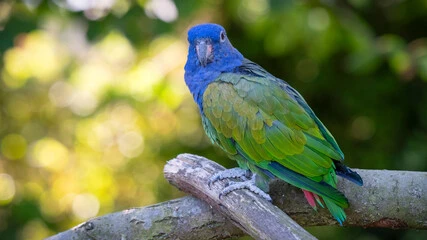
If you have ever stepped into a bird shop and felt overwhelmed by the screaming of cockatoos or the frantic energy of budgies, you might have missed a small, chunky bird sitting quietly in the corner. That bird was likely a pionus parrot. These birds are the introverts of the parrot world. They are not flashy performers, and they usually do not scream for attention. Instead, they offer a steady, calm presence that many bird owners find addictive. I have spent years around these birds and there is something truly special about the way they watch the world with their large, intelligent eyes.
Table of Contents
What Makes a Pionus Parrot Unique?
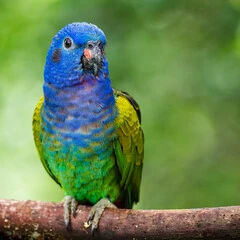
The first thing people notice about these birds is their appearance. They have short, square tails and a stocky build. But the real magic happens when they move. Their feathers have an iridescent quality that catches the light, showing off hidden blues, purples, and bronzes. Another weird but wonderful thing? They smell. Most people say they smell like wild honey or even a slightly spicy musk. It is a pleasant scent that is very different from the dusty smell of a cockatiel or the fruity smell of some Amazons.
Common Species You Will Find
There are several types of these birds, each with its own look. The Blue-headed Pionus is probably the most famous because of its stunning bright blue hood. Then there is the Maximilian Pionus, which looks a bit more understated with its bronze and green tones, but it often has the sweetest personality. You might also see the White-capped Pionus, which has a white patch on its forehead that makes it look quite distinguished. Bronze-winged and Dusky Pionus parrots are rarer but absolutely breathtaking with their deep, moody feather colors.
The Famous Pionus Snarfle
We have to talk about the sound. If you are new to these birds, the first time you hear it, you might panic. You might think your bird is having an asthma attack or can’t breathe. This is the pionus parrot “snarfle.” It is a rapid, wheezing sound they make when they get excited, scared, or even just surprised. It is perfectly normal. It is just their way of saying, “Whoa, what was that?” or “I am very excited about this piece of apple!” Once you get used to it, it becomes a quirky part of their charm.
Pionus Parrot Personality and Temperament
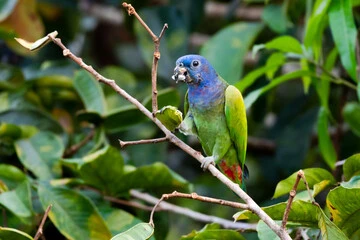
Pionus parrots are often nicknamed “perch potatoes” because they’re perfectly content sitting on a play gym or perch near you while you work, read, or relax. They don’t usually demand to be tucked into your shirt or perched on your shoulder all day, which makes them a great fit for people with jobs, hobbies, or busy routines. Despite their independence, Pionus still want to be part of the family. They form steady, loyal bonds and enjoy calm interaction, but they’re less prone to the intense separation anxiety seen in some other parrot species. These birds are thoughtful observers. They’ll quietly watch your daily routine with gentle curiosity, offering a grounding, low-drama presence in your home.
Everything You Need for a Pionus Parrot Care Guide
Living with one of these birds requires a bit of specific knowledge. While they are hardy, they have some unique needs. This pionus parrot care guide will walk you through the basics of keeping them happy and healthy.
Housing and Cage Requirements
Even though they aren’t the most active flyers compared to a conure, they still need space. A cramped bird is a grumpy bird. For a pionus parrot, you want a cage that is at least 30 inches wide, 24 inches deep, and 36 inches tall. If you can go bigger, do it. Bar spacing is also a big deal. You want spacing between 5/8 inch and 3/4 inch. If the bars are too wide, they can get their heads stuck. If they are too narrow, they can’t climb easily. They love to climb, so horizontal bars are a big plus.
Diet and Feeding Schedule
The diet of these birds is where many owners go wrong. They are very prone to obesity and Vitamin A deficiency. A seed-only diet is a death sentence for a Pionus. They need a high-quality pellet as their base. But the real secret is fresh vegetables. Think orange and dark green. Carrots, sweet potatoes, kale, and peppers are excellent. Here is a sample feeding schedule I follow:
| Time | Food Item | Why It Matters |
|---|---|---|
| 7:00 AM | Fresh Veggie Mash | Provides Vitamin A and hydration. |
| 10:00 AM | High-Quality Pellets | The nutritional foundation for the day. |
| 3:00 PM | Foraging Treat | Keeps their brain busy. Try a nut in a shell. |
| 6:00 PM | Small Amount of Fruit | A sweet treat before bed. Berries are best. |
Health and Pionus Parrot Lifespan
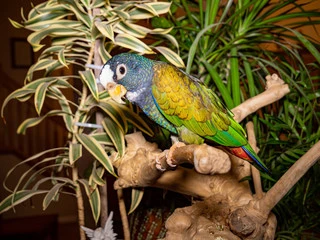
If you take care of them, the pionus parrot lifespan can easily reach 25 to 30 years. Some have even been known to live into their 40s. Because they live so long, getting one is a massive commitment. You have to think about where you will be in three decades. To ensure they reach that senior age, you have to watch their weight. Since they are “perch potatoes,” they can get fat quickly. Fat birds get fatty liver disease. Encourage movement by placing their food and water on opposite sides of the cage.
Signs of a Healthy Bird
- Clear, bright eyes without discharge.
- Clean nostrils (except for the occasional snarfle!).
- Smooth, vibrant feathers that aren’t frayed.
- Alert and responsive behavior.
- Firm, consistent droppings.
Socialization and Training
While they are independent, they still need social time. A pionus parrot can be a bit shy with strangers. It is important to introduce them to new people slowly. They aren’t usually “one-person birds” like some Amazons, but they definitely have their favorites. Training them is a joy because they are so food-motivated. Use small pieces of almond or sunflower seeds to teach them basic commands like “step up” and “turn around.” They might not learn to talk as well as a Grey, but they can certainly learn a few words and some very clear whistles.
The Importance of Bathing
These birds love water. Because of their unique feather structure and that musky scent, they actually need to get wet fairly often. A daily misting or a shallow bowl for a bath is great. Watching a Pionus take a bath is hilarious. They puff up their feathers until they look like a round ball and flap their wings wildly. It helps keep their skin from getting itchy and keeps that Vitamin A-rich dander under control.
Frequently Asked Questions About the Pionus Parrot
Are pionus parrots loud?
Generally, no. They are considered one of the quietest medium-sized parrots. They might have a morning or evening call, but it is nothing compared to the scream of a Conure or a Cockatoo.
Do they make good pets for beginners?
Yes, if the beginner understands that they aren’t “cuddly” toys. If you want a bird that is chill and doesn’t need constant physical contact, they are perfect.
What is the best pionus parrot diet and feeding schedule?
A mix of 60% pellets, 30% fresh vegetables (especially orange ones for Vitamin A), and 10% seeds/fruits as treats. Feed fresh food in the morning and leave pellets available during the day.
What does the snarfle sound mean?
It usually means the bird is excited or slightly stressed. It is a normal respiratory reflex and not a sign of illness unless it is accompanied by lethargy or discharge.
Wrapping Things Up
The pionus parrot is a bird for someone who appreciates the quiet moments. They aren’t going to dance for your TikTok followers or scream along to your favorite songs. They are going to sit on your shoulder while you drink your morning coffee, smell like honey, and give you a little snarfle when you offer them a piece of broccoli. If you are looking for a companion that is steady, beautiful, and a bit mysterious, you really can’t do better than a Pionus. Go find a reputable breeder or a rescue and see if one of these magical birds clicks with you. You won’t regret it.