hummingbird bird bath: How to Boost Garden Joy

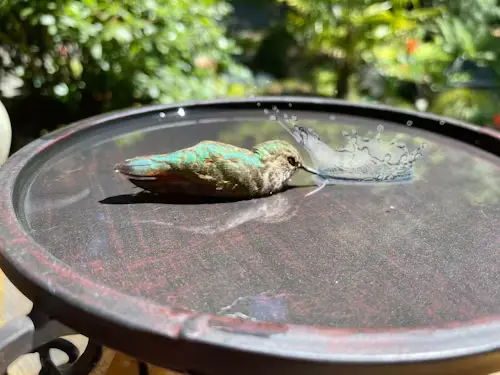
A Tiny Splash in the Morning Sun
I remember the first time I saw it. I was sitting on my porch with a lukewarm cup of coffee, staring at the red feeder hanging from the eave. A tiny Anna’s Hummingbird zipped in, took a sip, and then did something I did not expect. It flew over to a leaf that was still wet from the morning dew and started rubbing its chest against it. It was trying to bathe. That was the moment I realized my yard was missing something. I needed a hummingbird bird bath.
We often think about food first. We buy the red plastic bottles and mix the sugar water. But water for cleaning is just as important for these birds. They spend a huge part of their day preening. Their feathers have to be perfect for flight. Sticky nectar or dust from the air can weigh them down. Giving them a dedicated space to wash up is one of the best things you can do for your local bird population.
Table of Contents
The Great Debate: hummingbird baths vs feeders
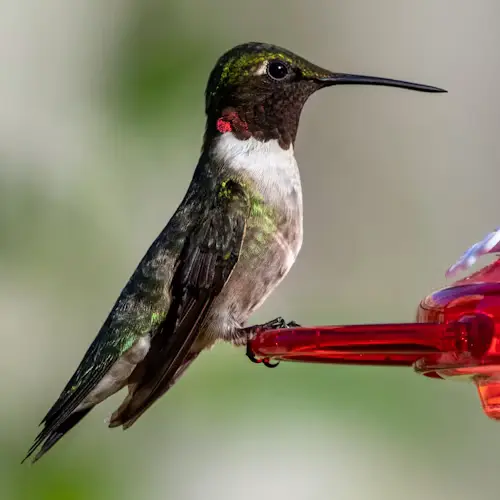
People ask me all the time if they should choose between food and water. The truth is you need both. When comparing hummingbird baths vs feeders, you have to look at the bird’s daily life. A feeder is a gas station. It provides the high-energy fuel they need to keep those wings moving at incredible speeds. A bath is a spa and a maintenance shop. If a hummingbird gets sugar water on its feathers, it can become a real problem.
The feathers can stick together, making flight difficult and dangerous. A bath lets them rinse off that sticky residue. I have noticed that once I added a water source, the birds stayed in my yard longer. They did not just sip and zip. They sipped, bathed, and سپس sat on a nearby branch to dry off. It turned my yard from a quick stop into a home base.
What Makes the best hummingbird bird bath?
You cannot just put out a big concrete bowl and expect hummingbirds to show up. Most traditional bird baths are made for robins or blue jays. For a tiny hummingbird, those deep basins are like a swimming pool with no shallow end. They are actually quite scary for a bird that weighs less than a nickel. To find the best hummingbird bird bath, you have to think small.
The water needs to be moving. These birds are attracted to the sound and the sight of sparkling, moving water. A still pond looks like a mirror to them, and they might not even realize it is water until they are already in it. Look for features like misters, drippers, or bubblers.
A fine mist is my personal favorite because they can fly through it without having to land.
Why Shallow is Better
I cannot say this enough: depth is everything. When you look for shallow bird baths for hummingbirds, you want something that is barely an inch deep at its lowest point. Ideally, the water should just cover their feet. I like to use flat stones or river rocks to create different levels. This gives the birds a place to stand while they dip their bellies into the water. If the water is too deep, they won’t use it. They are incredibly cautious. They know that wet feathers make them heavy, and a heavy bird is an easy target for a cat or a hawk. A shallow spot allows them to keep their head up and stay alert.
The Magic of hummingbird watering stations
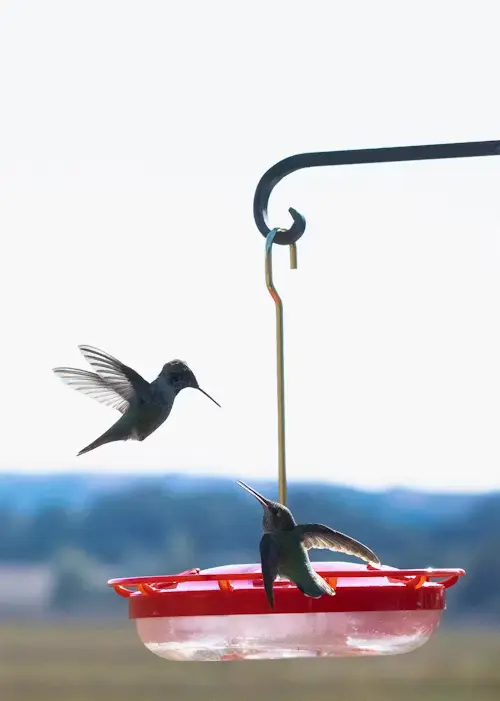
Creating hummingbird watering stations involves more than just a bowl. You are building an environment. I find that placing a bath near some perching spots is a win. Hummingbirds love to sit and preen after a bath. If you have a small shrub or a clothesline nearby, they will use it to shake off the excess water and fix their feathers. The movement of the water is the magnet. I once tried a simple saucer, and nothing happened for weeks. The day I added a small solar-powered pump that created a little bubble, the birds arrived within hours. They can hear that water from a distance. It is like a neon sign saying “Open for Business.”
A Personal Project: how to make hummingbird bath
You do not have to spend a fortune at a garden center. If you want to know how to make hummingbird bath, the simplest way is using a shallow ceramic saucer from a plant pot. I took a large saucer, filled it with smooth river stones, and bought a cheap battery-operated mister. I tucked the mister under one of the larger rocks so it sprayed a fine fog over the water. It was a weekend project that cost me maybe twenty dollars. The key is making sure the stones are stable.
If they wobble when the bird lands, the bird will get spooked. I also made sure the saucer was clean. Since it is small, the water can get dirty or evaporate quickly. I make it a habit to spray it out with a hose every morning when I water my plants. It takes thirty seconds but keeps the birds safe from bacteria.
Getting the Spot Right: bath placement for hummingbirds
You could have the most expensive setup in the world, but it won’t work if it is in the wrong spot. Proper bath placement for hummingbirds is about safety and visibility. I put mine in a spot that gets some morning sun but is shaded in the afternoon. Hot water is not refreshing for a bird. Also, keep it away from thick bushes where a cat could hide. Hummingbirds are vulnerable when they are wet.
I like to keep mine about ten feet away from a tree. This gives them enough space to see predators coming but is close enough that they can fly to a branch quickly if they feel threatened. Also, keep it in a place where you can see it! The whole point is to enjoy the view.
Materials Matter
I have tried plastic, metal, and ceramic. In my experience, ceramic or stone is the way to go. Plastic is light and easy to clean, but it can blow away in a strong wind. It also tends to heat up the water faster. Metal can get dangerously hot in the sun. Ceramic has a nice weight to it and stays cooler. Just make sure the surface is not too slippery.
If the bottom of the bath is smooth glass, the birds might slip. A rougher texture or a layer of sand and gravel at the bottom helps them feel secure. I have found that adding a few bright red marbles to the bottom can also help grab their attention as they fly over.
| Feature | Why It Matters |
|---|---|
| Moving Water | Attracts birds through sound and visual sparkle. |
| Shallow Depth | Ensures the tiny birds do not drown and feel safe. |
| Perching Rocks | Allows the bird to stand while bathing. |
| Clean Water | Prevents the spread of avian diseases. |
Maintenance and Safety
Birds are messy. They leave behind dust, feathers, and droppings. Because a hummingbird bird bath is shallow, the water can get gross fast. I do not use any harsh chemicals to clean mine. A stiff brush and some plain water usually do the trick. If I see some algae growing, I might use a little bit of vinegar, but I make sure to rinse it thoroughly afterwards. It is a small price to pay for the health of your visitors.
Another thing to watch for is mosquitoes. Moving water usually prevents them from laying eggs, but if your pump fails or you turn it off, that shallow tray becomes a nursery for bugs. Keep the water moving or change it daily.
The Joy of Observation
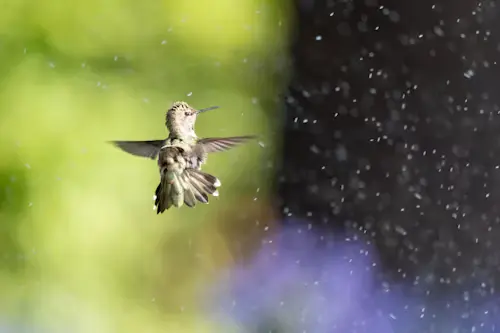
There is a specific rhythm to a hummingbird’s bath. They don’t just jump in. They hover near the spray first. They might fly through the mist a few times to test it out. Then, they land on a rock and start flicking their wings. They look like tiny vibrating jewels. It is a frantic, joyful movement. I have spent hours watching this. It is much more active than watching them eat at a feeder. You get to see their personality. Some are brave and dive right in, while others are cautious and only wet their tail feathers. It is a reminder that these are individual creatures with their own habits.
Common Questions About hummingbird bird bath Setup
Do I need a heater for the winter?
If you live in a place where it freezes and you have year-round hummingbirds, like on the West Coast, a heater is a good idea. However, for most of us, the birds migrate before the deep freeze hits. If you do keep a bath out in winter, make sure the heater is specifically designed for bird baths so it does not get too hot.
Will other birds use a hummingbird bird bath?
Yes! I have seen goldfinches and chickadees use the misting stations. Since it is shallow, it is safe for all small birds. Large birds like crows or pigeons usually find it too small to bother with, which is actually a benefit because they won’t hog the space or make a huge mess.
How often should I refill it?
In the heat of the summer, a shallow bath can dry out in a single afternoon. I check mine twice a day. If you use a solar pump, it only works when the sun is out, so you don’t have to worry about the pump burning out at night if the water gets low. But during the day, keep an eye on those levels.
The Wrap Up
Adding a water feature was the single best change I made to my bird-friendly yard. It took a bit of trial and error to figure out that depth and movement were the secrets. If you are tired of just watching birds eat and want to see them really live their lives, get a bath. Start small with a saucer and a few rocks. See how the birds react. You might be surprised at how quickly your garden becomes the neighborhood hotspot. Don’t forget to keep your camera ready. Those tiny splashes make for some of the best photos you will ever take. Go set up your station and enjoy the show.