crow bird pet Why Owners Love These Habits

The Fascinating Appeal of the Crow
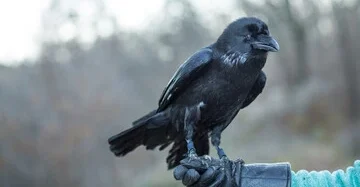
I have spent years watching the birds in my backyard. There is something about a crow that catches your eye. They are not just birds. They are observers. They watch us as much as we watch them. This intelligence often makes people wonder if they could have a crow bird pet. It sounds like a dream.
You imagine a loyal, black-feathered friend sitting on your shoulder, sharing your snacks, and maybe even talking to you. But the reality is much more complicated than the fantasy. Keeping a crow is not like keeping a budgie or a cockatiel. It is a life-altering commitment that most people are not ready for.
Crows belong to the corvid family. This group includes ravens, jays, and magpies. They are among the smartest animals on the planet. Some studies suggest they have the problem-solving skills of a seven-year-old human. This intelligence is exactly why they make such difficult pets. They get bored. They get frustrated. And when a crow is bored, it becomes a feathered wrecking ball. Before you decide to go looking for a crow, you need to understand the legal, physical, and emotional toll this takes on both the bird and the human.
Table of Contents
The Legal Barriers to Owning a Crow
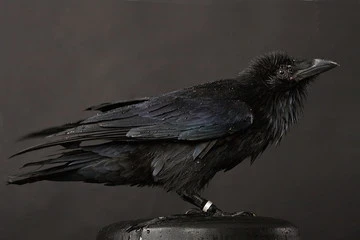
The first question people ask is: keeping crows as pets legal? In the United States, the answer is usually a hard no. The Migratory Bird Treaty Act of 1918 makes it illegal for citizens to possess, buy, sell, or even move native migratory birds. This includes American Crows and Fish Crows. You cannot just find an injured crow and decide to keep it. Even keeping a single feather you found on the ground can technically be a federal offense.
There are very few exceptions. Licensed wildlife rehabilitators can keep them for treatment, but the goal is always to release them. Some educators have permits to keep non-releasable birds for public programs. If you want a crow bird pet, you might look at non-native species. The African Pied Crow is the most common legal option in the U.S. because it is not protected by the Migratory Bird Treaty Act. However, these birds are expensive and still require the same intense level of care as our local crows. In other countries, the laws vary. In some parts of the UK, you can keep certain corvids if they are captive-bred and ringed, but you must check your local council rules first.
Why Do You Want a Crow?
We need to be honest about why we want these birds. Many people see videos online of friendly crows and think it looks easy. They see a crow giving a human a gift or solving a puzzle. What those videos do not show is the fourteen hours a day of screaming. They do not show the destroyed furniture. Crows are social creatures. They live in large, complex family groups. When you take a crow and put it in a house, you are taking it away from its culture. You become its entire world. That sounds romantic until you realize you can never go on vacation again. You cannot even leave the house for a few hours without the bird having a meltdown.
The Crow Care Guide: Housing and Space
If you are looking for a crow care guide, start with the cage. Actually, do not use a cage. A crow in a standard parrot cage will destroy its feathers in days. They are active birds that need to hop, fly, and forage. To keep a crow humanely, you need a large outdoor aviary. I am talking about something at least 10 feet wide, 20 feet long, and 8 feet high. It needs to be made of heavy-duty mesh because crows can and will find a way to unzip or break cheap wire.
Inside the aviary, you need variety. You need natural branches of different thicknesses. You need water baths. Crows love water. They will soak their food in it, splash in it, and make a huge mess. They also need shade and protection from the wind. If you try to keep a crow inside your house, prepare for your drywall to be picked apart. Crows use their beaks like we use our hands. They want to know what is inside your remote control, your sofa, and your keyboard. They will find out by ripping them to pieces.
The Crow Diet in Captivity
Crows are omnivores. In the wild, they eat everything from roadkill to grain to insects. Replicating a crow diet in captivity is a full-time job. You cannot just buy a bag of birdseed and call it a day. A healthy crow needs a high-protein diet. This includes high-quality dog food (as a base), mealworms, crickets, and pinkie mice. They also need fresh fruits and vegetables like blueberries, grapes, and peas.
One major problem with a crow bird pet is their habit of caching food. In the wild, they hide food for later. In your house, they will hide a piece of raw meat behind your radiator. You will not find it until your house smells like something died. They will also hide shiny objects. If you lose your wedding ring, check the crow’s hiding spots. This behavior is instinctual and you cannot train it out of them. It is part of the package.
Sample Crow Daily Diet Table
| Food Group | Examples | Frequency |
|---|---|---|
| Protein | Hard-boiled eggs, mealworms, cooked chicken | Daily (60% of diet) |
| Fruits | Blueberries, apples (no seeds), melon | Daily (20% of diet) |
| Vegetables | Carrots, peas, broccoli | Daily (10% of diet) |
| Healthy Fats | Unsalted nuts, sunflower seeds | Occasional treats |
Crow Behavior: Pet vs Wild
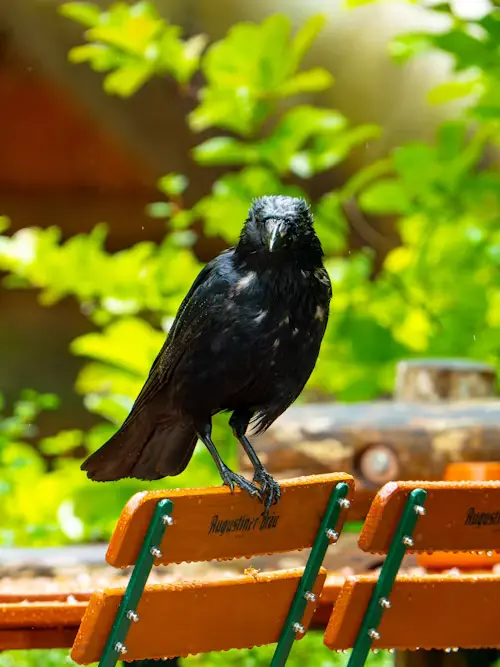
There is a massive difference between crow behavior pet vs wild. Wild crows have a job. They have to find food, defend territory, and raise young. This keeps them busy. A pet crow has all its needs met, which leaves it with twenty-four hours of free time. Without a job, they become neurotic. They might start plucking their own feathers. They might become aggressive toward family members they do not like. Crows are known to hold grudges.
If you do something a crow dislikes, it will remember. It might dive-bomb you or scream every time you enter the room for the next ten years.
Wild crows also have a social hierarchy. When you keep one as a pet, the crow looks at you as part of its flock. This means it expects you to be there all the time. If you leave, it feels abandoned. This leads to separation anxiety that is far worse than what you see in dogs. A lonely crow is a loud crow. Their caws are designed to carry for miles. Your neighbors will not be happy with your new hobby.
The Problem with Hand-Raising Crows
Many people think hand-raising crows is the best way to get a tame pet. If you find a baby bird, you might think you are saving it. Most of the time, you are actually kidnapping it. Baby crows spend a lot of time on the ground while they are learning to fly. Their parents are usually nearby, watching and feeding them. If you take that bird, you are depriving it of the chance to learn how to be a crow.
Hand-rearing leads to imprinting. This means the bird identifies as a human. While a tame bird sounds nice, imprinting is often a death sentence for a crow. An imprinted crow does not know how to interact with other crows. It will not know how to find food in the wild.
If it becomes too much for the owner to handle and they release it, the bird will likely die or approach humans who might hurt it. It is a heartbreaking situation that happens too often because people want a cool pet.
Veterinary Care for Corvids
Finding a vet for a crow bird pet is nearly impossible. Most neighborhood vets deal with dogs, cats, and maybe the occasional rabbit. To treat a crow, you need an avian specialist who is also willing to work with a species that might be legally gray in your area. Crows are susceptible to West Nile Virus and various parasites. If your bird gets sick, you might have to drive hours to find someone who can help. Even then, medical care for exotic birds is incredibly expensive. You should expect to pay hundreds of dollars for a simple check-up.
Better Alternatives: Befriending the Wild
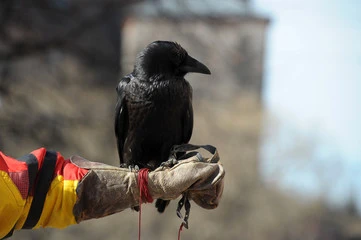
If you love crows, the best thing you can do is can you keep a crow as a pet? The answer is: you shouldn’t. But you can befriend them. This is the most rewarding way to experience their intelligence without the heartbreak of captivity. You can set up a feeding station in your yard. Offer them unsalted peanuts in the shell or bits of high-quality dog food. Be consistent.
Crows recognize faces. Over time, they will learn who you are. They might start waiting for you or bringing you “gifts” like shiny bottle caps or interesting stones.
The beauty of this relationship is that the crow remains free. It has its own family and its own life. You get to observe its natural behavior without the burden of cleaning up its messes or worrying about its mental health. You get the best of both worlds. You have a connection with a wild animal, and the animal gets to stay where it belongs.
Final Thoughts on the Crow Bird Pet
Owning a crow bird pet is a task that requires more than just love. It requires specialized knowledge, massive amounts of space, and a lifestyle that allows for zero travel.
Most importantly, it requires a legal permit that is nearly impossible for the average person to get.
Crows are wonderful, magical creatures. They are the geniuses of the sky. But they are not pets.
They are wild neighbors. If we truly love them, we should respect their wildness.
We should protect their habitats and enjoy their company from a distance.
FAQ about Crow Bird Pets
Is it legal to own a crow bird pet?
In the U.S., it is illegal under the Migratory Bird Treaty Act. You cannot keep native crows without specific federal and state permits, which are usually only given to researchers or educators.
What do you feed a crow bird pet?
A crow needs a diverse diet of protein, fruits, and vegetables. This includes insects, meat, and high-quality dog food. They cannot live on seeds or bread.
Do crows make good pets?
No, crows generally make poor pets. They are extremely loud, destructive, and require massive amounts of social interaction and mental stimulation to stay healthy.
Can crows talk like parrots?
Yes, crows are mimics. They can learn to imitate human speech and other sounds, but this usually only happens with intense interaction and is not guaranteed.
How long do pet crows live?
In captivity, with perfect care, a crow can live for 20 to 30 years. This is a very long commitment for a bird that requires constant attention.
If you really want to experience the magic of birds, I suggest looking into legal species that enjoy human company. Visit our guide on different bird species to find a companion that fits your life and your local laws. Your future feathered friend is out there, and it probably isn’t a crow!