Budgie Bird Cage: Best Proven Happiness Hacks

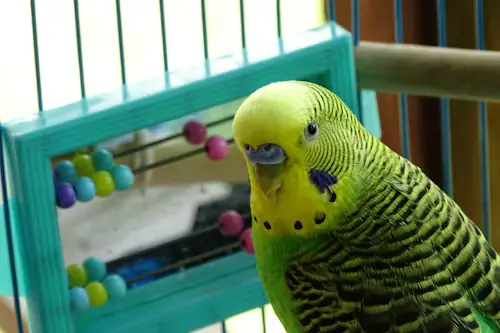
When you bring a budgie into your home, you’re not just adding a pet—you’re welcoming a vibrant, intelligent companion who will depend on you for their well-being. The foundation of their happiness lies in their living environment. A well-designed budgie bird cage isn’t just a place to sleep; it’s their sanctuary, their playground, and their entire world. In this comprehensive guide, we’ll walk you through everything you need to know about creating the perfect home for your feathered friend, from choosing the best budgie cage size to adding creative budgie cage setup ideas that will keep your little buddy entertained and thriving.
Table of Contents
Why Your Budgie’s Cage Matters More Than You Think
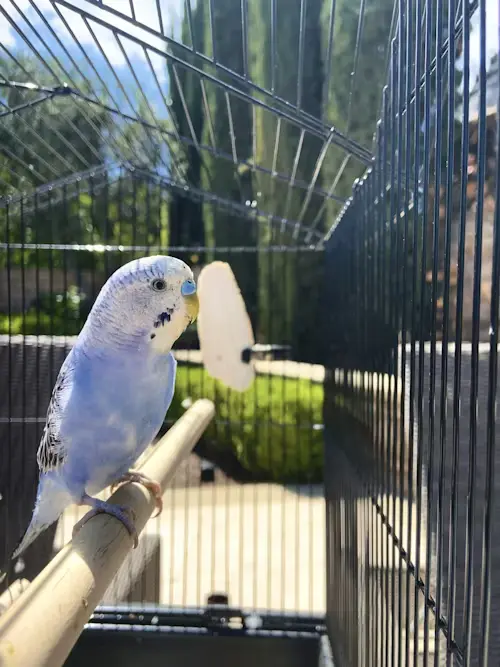
Imagine living in a space that’s too small, boring, and uncomfortable. You’d feel restless, frustrated, and unhappy, right? Your budgie feels the same way. These active, curious birds need room to fly, explore, and express their natural behaviors. A cramped,单调 cage can lead to stress, boredom, and even health problems. On the other hand, a well-chosen, thoughtfully decorated cage can promote physical health, mental stimulation, and a stronger bond between you and your bird.
The Impact of a Good Cage on Your Budgie’s Life:
- Physical Health: Adequate space for flight strengthens muscles and maintains a healthy weight
- Mental Well-being: Toys and varied perches prevent boredom and destructive behaviors
- Natural Behaviors: Opportunities to climb, chew, and explore satisfy instinctual needs
- Longevity: A stress-free, enriched environment can contribute to a longer, happier life
Now, let’s dive into the specifics of creating the perfect budgie bird cage setup.
Best Budgie Cage Size: Bigger is Always Better
When it comes to cage size, the golden rule is simple: bigger is always better. Many commercial cages on the market are disappointingly small, designed more for display than for the bird’s comfort. Here’s what you need to know:
Minimum Size Requirements
For a single budgie, the absolute minimum dimensions should be:
- Width: 24 inches (60 cm)
- Depth: 18 inches (45 cm)
- Height: 18 inches (45 cm)
However, these are bare minimums. For optimal health and happiness, aim for:
- Width: 36 inches (90 cm) or more
- Depth: 24 inches (60 cm) or more
- Height: 24 inches (60 cm) or more
Multi-Budgie Considerations
If you’re planning to keep multiple budgies (which is highly recommended as they’re social creatures), multiply the space accordingly:
- Two budgies: Double the single-budgie minimum
- Three or more budgies: Consider a flight cage or aviary setup
- Important: Never simply add budgies to an existing cage without increasing space
Flight Cage for Budgies: The Gold Standard
A flight cage represents the pinnacle of budgie housing. These large enclosures allow your birds to fly horizontally, which is crucial for their physical and mental health.
Benefits of a Flight Cage:
- Allows for natural flight patterns
- Reduces stress and boredom
- Promotes better physical fitness
- Enables more natural social behaviors
Flight Cage Specifications:
- Minimum length: 4-6 feet (1.2-1.8 meters)
- Width: 2-3 feet (60-90 cm)
- Height: 4-6 feet (1.2-1.8 meters)
- Bar spacing: ½ inch (1.25 cm) maximum
Bar Spacing: A Critical Safety Feature
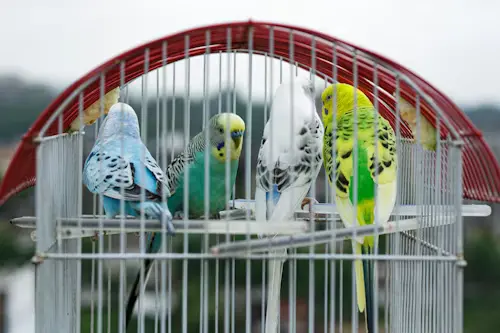
One of the most important aspects of any budgie bird cage is the bar spacing. Budgies are small birds with delicate bodies, and inappropriate bar spacing can lead to serious injuries or even death.
Safe Bar Spacing for Budgies
The ideal bar spacing for budgies is ½ inch (1.25 cm) or less. This measurement should be consistent throughout the entire cage, including doors and access points.
Why Bar Spacing Matters:
- Prevents escapes: Budgies are escape artists and can squeeze through surprisingly small gaps
- Avoids injuries: Too-wide spacing can lead to trapped heads, broken bones, or other injuries
- Ensures security: Proper spacing keeps your bird safely contained
Checking Your Cage’s Safety
Before purchasing any cage, always:
- Measure the spacing: Use a ruler or measuring tape to verify the distance between bars
- Check all areas: Ensure consistent spacing on all sides, doors, and access points
- Look for weak spots: Check for any areas where bars might be bent or damaged
- Consider your bird’s size: If you have particularly small or young budgies, you may want even tighter spacing
Budgie Cage Setup Ideas: Creating an Enriching Environment
Once you’ve selected the right cage, it’s time to make it a home. A well-setup cage should provide everything your budgie needs for a happy, healthy life.
Essential Cage Accessories
Every budgie bird cage should include these basic essentials:
Food and Water Stations:
- Multiple food dishes: Separate containers for seeds, pellets, and fresh foods
- Water dispenser: A drip-style water bottle or heavy ceramic bowl
- Placement: Position away from perches to prevent contamination
Perches:
- Variety of diameters: Provide perches ranging from ½ inch to 1 inch in diameter
- Natural materials: Use wood, rope, or other natural materials
- Placement: Arrange at different heights with adequate space between them
Creative Budgie Cage Setup Ideas
Now for the fun part—making your cage unique and engaging!
Natural Elements:
- Live plants: Safe, non-toxic plants like pothos or spider plants
- Natural branches: Different types of wood for varied textures
- Rock formations: Safe stones for climbing and perching
Interactive Features:
- Swings: Multiple types for different play styles
- Ladders: For climbing and exercise
- Tunnels: PVC or fabric tubes for exploration
- Hiding spots: Small boxes or fabric covers for privacy
Sensory Stimulation:
- Mirrors: Can provide entertainment (use sparingly)
- Bells: Gentle, bird-safe bells for auditory stimulation
- Colorful toys: Bright, safe materials for visual interest
Budgie Cage Accessories: Beyond the Basics
While the essentials cover your budgie’s basic needs, accessories enhance their quality of life and keep them mentally stimulated.
Must-Have Budgie Cage Accessories
Foraging Toys:
- Puzzle feeders: Toys that require problem-solving to access treats
- Treat dispensers: Items that release food as your bird plays
- Hide-and-seek toys: Items where you can hide food for your bird to find
Chew Toys:
- Wooden blocks: Different types of safe wood
- Leather strips: For chewing and beak exercise
- Paper products: Shreddable items made from safe materials
Exercise Equipment:
- Exercise wheels: Specifically designed for birds
- Climbing nets: For additional exercise opportunities
- Play gyms: External perches and toys for supervised play
DIY Budgie Cage Accessories
Creating your own accessories can be cost-effective and allow for customization:
Homemade Foraging Toys:
- Paper roll treats: Wrap treats in paper rolls for your bird to unravel
- Cardboard boxes: Cut holes in boxes and hide treats inside
- Pine cone treats: Spread safe nut butter on pine cones and roll in bird-safe seeds
Natural Perches:
- Tree branches: Collect safe branches from your yard (avoid toxic trees)
- Rope perches: Create hanging perches from bird-safe rope
- Ladder construction: Build ladders from safe wood and rope
Affordable Budgie Cages: Quality on a Budget
Finding the right cage doesn’t have to break the bank. With careful research and smart shopping, you can provide excellent housing without overspending.
Budget-Friendly Cage Options
Second-Hand Quality:
- Used cages: Often available in excellent condition at a fraction of the cost
- Refurbished cages: Professionally cleaned and repaired cages
- Cage swaps: Local bird clubs often have swap events
Smart Shopping Strategies:
- Sales timing: Look for sales around holidays and end-of-season
- Online marketplaces: Check reputable sellers for good deals
- Bird forums: Many bird owners sell quality cages at reasonable prices
What to Look for in Affordable Cages
When shopping on a budget, don’t compromise on these essentials:
- Proper bar spacing: Never sacrifice safety for price
- Durable construction: Ensure the cage is well-made and stable
- Adequate size: Don’t settle for too-small cages, even if they’re cheap
- Easy cleaning: Look for cages with removable trays and accessible design
Multi-Level Budgie Cage: Maximizing Vertical Space
Budgies are naturally inclined to use vertical space, making multi-level cages an excellent choice for maximizing their living area.
Benefits of Multi-Level Cages
Space Efficiency:
- Utilizes vertical space effectively
- Provides more room in a smaller footprint
- Allows for different activities on different levels
Natural Behavior Support:
- Mimics natural tree-dwelling habits
- Provides different vantage points
- Encourages climbing and exploration
Designing Multi-Level Cages
Level Planning:
- Bottom level: Food, water, and easy-access perches
- Middle level: Main sleeping and resting area
- Top level: Play area and highest perches
Safety Considerations:
- Ensure all levels are securely connected
- Provide ramps or ladders between levels
- Avoid overcrowding any single level
Access and Cleaning:
- Design for easy access to all levels
- Ensure all areas are reachable for cleaning
- Consider removable levels for easier maintenance
Setting Up Your Budgie Bird Cage: Step-by-Step Guide
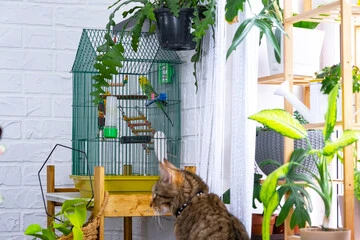
Now that you understand all the components, let’s put it all together with a step-by-step setup process.
Step 1: Choose the Right Location
Ideal Placement:
- Away from drafts: Avoid direct airflow from windows, doors, or vents
- Temperature stability: Keep away from heat sources and air conditioners
- Social interaction: Place where your bird can observe family activities
- Natural light: Near a window but not in direct sunlight
What to Avoid:
- Kitchen areas: Fumes from cooking can be harmful
- High-traffic areas: Too much disturbance can stress your bird
- Direct sunlight: Can cause overheating
- Noisy locations: Excessive noise can stress your bird
Step 2: Assemble and Position the Cage
Assembly Tips:
- Follow manufacturer instructions carefully
- Ensure all parts are securely fastened
- Check that doors and access points work smoothly
Positioning:
- Place on a stable surface or appropriate stand
- Ensure the cage is level
- Allow adequate space around the cage for air circulation
Step 3: Add Essential Accessories
Start with the Basics:
- Install food and water dishes
- Add perches at different heights
- Place cuttlebone and mineral block
- Add a shallow bathing dish
Safety Check:
- Ensure all accessories are securely fastened
- Verify no sharp edges or small parts that could be swallowed
- Check that perches don’t interfere with door opening
Step 4: Add Enrichment and Toys
Gradual Introduction:
- Start with 2-3 toys to avoid overwhelming your bird
- Rotate toys regularly to maintain interest
- Introduce new items slowly and monitor your bird’s reaction
Strategic Placement:
- Place toys at different heights and locations
- Ensure toys don’t block access to food, water, or perches
- Create a balanced layout that encourages movement
Step 5: The Big Move
Introduction Process:
- Allow your budgie to explore the cage gradually
- Start with short periods inside the cage
- Gradually increase time as your bird becomes comfortable
- Monitor for signs of stress or discomfort
Daily Care and Maintenance
A well-setup cage requires ongoing care to maintain a healthy environment for your budgie.
Daily Tasks
Quick Checks:
- Food and water: Ensure fresh supplies are available
- Droppings: Check for normal appearance and quantity
- Behavior: Observe for any changes in activity or mood
Quick Cleaning:
- Remove any soiled food or water
- Wipe up spills or messes
- Clean any visible droppings from perches
Weekly Maintenance
Deep Cleaning:
- Remove all accessories and toys
- Clean the cage bottom thoroughly
- Wash all dishes and replace with clean ones
- Wipe down bars and surfaces
Toy Rotation:
- Rotate toys to maintain interest
- Clean all toys with bird-safe cleaner
- Check for any damage or wear
Monthly Deep Cleaning
Complete Refresh:
- Take everything out of the cage
- Clean all components thoroughly
- Inspect the cage for any damage or wear
- Replace any worn or damaged accessories
Troubleshooting Common Budgie Cage Issues
Even with the best setup, you might encounter some challenges. Here’s how to handle common problems:
Boredom and Destructive Behavior
Signs of Boredom:
- Feather plucking
- Excessive screaming
- Destructive chewing
- Lethargy or depression
Solutions:
- Add more toys and rotate them regularly
- Increase time outside the cage for supervised play
- Provide more foraging opportunities
- Consider a companion budgie
Cage Aggression
Causes:
- Overcrowding
- Lack of resources
- Territorial behavior
- Stress from environment
Solutions:
- Ensure adequate space per bird
- Provide multiple food and water stations
- Add more hiding spots and perches
- Reduce environmental stressors
Escaping Attempts
Common Causes:
- Inadequate space
- Boredom
- Seeking attention
- Fear or stress
Prevention:
- Ensure proper cage size
- Provide adequate enrichment
- Address underlying stressors
- Check cage security regularly
Frequently Asked Questions About Budgie Bird Cages
Q: How often should I clean my budgie’s cage?
A: Perform quick daily checks and cleanups, do a weekly partial cleaning, and a complete monthly deep clean.
Q: Can I use a hamster cage for my budgie?
A: Generally, no. Most hamster cages have inappropriate bar spacing and aren’t designed for the specific needs of birds.
Q: Should I cover my budgie’s cage at night?
A: This is optional. Some birds prefer the security of a cover, while others don’t need it. Ensure your bird gets 10-12 hours of darkness for proper sleep.
Q: How many toys should I have in the cage?
A: Start with 2-3 toys and rotate them regularly. The key is variety and novelty rather than quantity.
Q: Can I use sand on the bottom of my budgie’s cage?
A: While some owners use specialized bird sand, it’s not necessary. Paper towels or newspaper are easier to maintain and just as effective.
Q: How do I know if my cage is big enough?
A: Your budgie should be able to fly from one end to the other without hitting the sides. They should also have room for multiple perches, toys, and food/water stations.
Conclusion: Creating a Thriving Budgie Environment
Setting up the perfect budgie bird cage is an ongoing journey, not a one-time task. It requires understanding your bird’s needs, being willing to adapt and improve, and providing consistent care and attention. Remember, your budgie’s cage is more than just a container—it’s their home, their playground, and their sanctuary.
By choosing the right size, ensuring safety with proper bar spacing, adding enriching accessories, and maintaining a clean, stimulating environment, you’re giving your budgie the foundation for a happy, healthy life. Don’t be afraid to get creative with your budgie cage setup ideas, and always prioritize your bird’s well-being over aesthetics.
Explore more bird care resources:
For additional insights and community support, check out these valuable resources:
Have questions about your budgie bird cage setup or want to share your own creative ideas? Join the conversation in the comments below!