Eclectus Parrot: How to Keep It Happy

I remember the first time I saw a picture of a eclectus parrot. I thought it was photoshopped. As someone who has lived with parrots for years, I am used to the bright emerald green of the males and the deep crimson of the females. But a blue one? It looked like something out of a fairy tale. It turns out, they are very real, though they are incredibly rare and come with a set of needs that any potential owner should understand before diving in.
Owning any eclectus is a commitment. They are not like your average Amazon or African Grey. They have specialized digestive systems, unique personalities, and a look that is unlike any other bird. When you add a rare color mutation into the mix, the stakes get even higher. This guide is here to walk you through what it actually looks like to share your life with a blue eclectus, from the food they eat to the way they interact with you.
Table of Contents
What Exactly is an Eclectus Parrot?
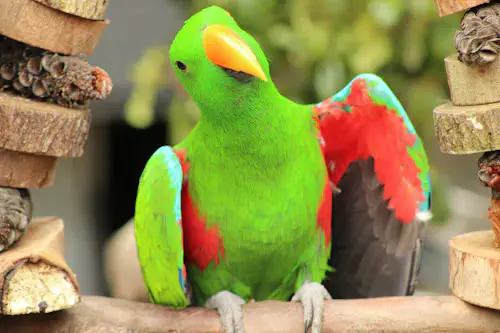
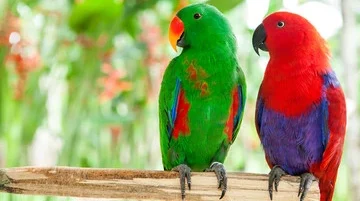
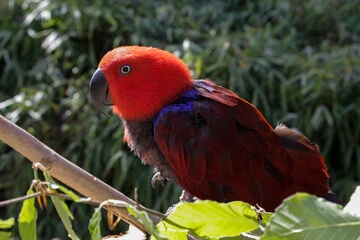
In the wild, Eclectus parrots are famous for being sexually dimorphic. This means the boys and girls look completely different. Usually, the males are green with candy-corn beaks, and the females are red and purple with black beaks. The blue mutation in the Eclectus parrot changes the way the bird’s feathers reflect light and produce pigment.
In a blue mutation, the yellow pigment is essentially ‘turned off.’ Since green is a combination of blue and yellow, removing the yellow leaves you with a stunning, icy blue male. In females, the red (which also relies on certain pigments) turns into a beautiful lavender or silvery grey-blue. It is a striking change that makes them look almost ethereal.
Are They a Different Species?
No, they are the same species as the Solomon Island or Red-sided Eclectus parrots you see more commonly. They just have a genetic variation. Think of it like a human with red hair or blue eyes. It is rare, but they are still the same kind of bird. However, because this mutation is rare, they are often much more expensive and harder to find than their green and red counterparts.
Understanding the Male vs Female Eclectus Color Differences
Even with the blue mutation, you can still tell the boys from the girls, though the colors are different than what most people expect. If you are looking at a male vs female eclectus color differences in the blue mutation, here is what you will notice:
- Males: Instead of being bright green, they are a deep, solid blue. Their beaks usually stay that signature yellow/orange color, which creates a wild contrast against the blue feathers.
- Females: The vibrant red is replaced by a soft, smoky grey or a pale lavender-blue. Their chests, which are usually purple or blue in the standard form, often stay a similar shade of blue, but the overall look is much more muted and ‘dusty’ compared to the males.
It is important to remember that while they look different, their personalities often follow the standard Eclectus patterns. Males tend to be a bit more easy-going and sensitive, while females can be more bossy and territorial, especially during hormonal seasons.
The Critical Importance of Diet
If there is one thing you take away from this, let it be this: you cannot feed an eclectus like a normal parrot. They have an unusually long digestive tract. This means they absorb nutrients much more efficiently than other birds. While that sounds like a good thing, it actually makes them very prone to ‘nutrient overload’ and toxicity from synthetic vitamins.
An eclectus parrot diet low-fat high-fiber is the only way to keep these birds healthy. If you feed them a standard seed mix or even a high-potency pellet, you are asking for trouble. They will start toe-tapping or wing-flipping (involuntary muscle spasms) because their bodies are overwhelmed by the chemicals or fats.
What Should They Eat?
Their diet should be about 80% fresh produce. I spend more time chopping vegetables for my birds than I do cooking for myself. Here is a quick list of what should be in their bowl every single morning:
| Food Category | Examples | Why They Need It |
|---|---|---|
| Beta-Carotene Rich | Sweet potatoes, carrots, pumpkin | Supports vision and feather health. |
| Leafy Greens | Kale, chard, dandelion greens | High fiber and essential minerals. |
| High-Fiber Fruits | Apples, pears, papaya | Keeps the long digestive tract moving. |
| Sprouted Seeds | Mung beans, chickpeas, lentils | Provides ‘live’ enzymes and protein without high fat. |
Avoid things like avocado (toxic), chocolate (toxic), and too much fruit. While they love fruit, the high sugar content can lead to yeast issues. Focus on the veggies. If you use pellets, make sure they are ‘maintenance’ grade and free of artificial dyes and synthetic vitamins.
Your Eclectus Parrot Care Sheet
When you bring one of these birds home, you need a plan. Having an eclectus parrot care sheet handy helps you stay on track with their complex needs. Here are the non-negotiables for their daily and weekly care.
1. Sleep Requirements
These birds need a lot of sleep. I am talking 10 to 12 hours of uninterrupted, dark, quiet sleep. If they don’t get it, they become cranky, and more importantly, it can trigger hormonal behavior. This is especially true for the females, who might start looking for a nesting spot in every corner of your house.
2. Bathing is a Must
Eclectus feathers have a different structure than other parrots. They don’t have ‘powder down’ like Cockatoos or African Greys. Instead, their feathers are more like hair. They need to be soaked frequently. I suggest a heavy misting or a shower at least 3 or 4 times a week. It keeps the feathers from becoming brittle and helps prevent itchy skin that leads to plucking.
3. Social Interaction
They are highly intelligent. They aren’t ‘cuddly’ in the way a Conure might be, but they are very social. They want to be in the same room as you, watching what you do. They are like quiet observers. If you leave them alone in a back room for 8 hours a day, they will get depressed and likely start pulling out those beautiful blue feathers.
The Perfect Eclectus Parrot Cage Setup
Don’t skimp on the cage. Since these birds are active and love to climb, a cramped cage is a recipe for a miserable bird. A proper eclectus parrot cage setup starts with size. You want the biggest cage you can afford and fit in your home. At a minimum, it should be 36 inches wide, 24 inches deep, and 48 inches tall (inside height).
Perches and Variety
Use natural wood perches of varying diameters. Avoid the smooth, perfectly round dowel perches that come with most cages. They cause foot sores (bumblefoot) because the bird’s feet are always in the exact same position. Manzanita, dragonwood, and even clean apple tree branches are great choices. I also like to include one ‘pedicure’ perch near the top where they sleep to help keep their nails dull.
Toy Placement
Eclectus parrots love to destroy things. Give them lots of soft wood, raffia, and paper to shred. They aren’t usually ‘power chewers’ like Macaws, so you don’t need the hardest wood, but they do need constant mental stimulation. I suggest rotating toys every two weeks so they don’t get bored. If you see them sitting in one spot for hours staring into space, they need more engagement.
Talking and Communication
One of the best things about these birds is the eclectus parrot talking ability. They are widely considered some of the best talkers in the parrot world. But here is the thing: they don’t sound like a ‘parrot.’ They often sound exactly like a human. I’ve had moments where I thought a person was in the other room, only to realize it was just the bird practicing his ‘hellos.’
They don’t just mimic words; they often learn the context. My friend has an Eclectus that says ‘goodnight’ only when the lights go out. They are quiet birds overall, though. They don’t have the constant screaming fits that some other species have, which makes them great for people who prefer a slightly calmer environment. But when they do scream? It is a loud, prehistoric-sounding honk that will definitely get your attention.
Common Eclectus Parrot Health Problems
Even with the best care, you need to be aware of eclectus parrot health problems. Because of their unique biology, they are prone to a few specific issues that other parrots don’t deal with as often.
Toe Tapping and Wing Flipping
I mentioned this earlier, but it deserves its own section. If you see your bird’s toes rhythmically clenching or their wings twitching, do not panic, but do look at their diet immediately. This is almost always caused by a nutritional imbalance—usually too many synthetic vitamins, too much fat, or even certain food dyes. Switching to a strictly fresh, whole-food diet usually fixes this within a few weeks.
Constricted Toe Syndrome
This is sometimes seen in baby Eclectus parrots. A fiber or string from a toy can get wrapped around a toe, or it can be a humidity issue during development. Always check their feet during your weekly ‘health check’ to make sure everything looks normal.
Plucking and Feather Destructive Behavior
Because they are so sensitive, Eclectus parrots are prone to plucking. This can be caused by boredom, low humidity, or liver issues from a poor diet. If your blue eclectus starts losing feathers on their chest or wings, a trip to an avian vet is the first step. Don’t just assume they are ‘bored.’ It could be a physical health issue.
Is a Blue Mutation Ethical?
There is a lot of debate in the bird community about color mutations. Some people believe that breeding specifically for color can lead to ‘inbreeding’ and weaker immune systems. When you are looking for a blue eclectus, you must find a breeder who prioritizes health over color. If a breeder is just ‘cranking out’ blue birds to make a quick profit, the birds might have underlying genetic issues.
Ask the breeder about the parents. Are they related? What is the diet of the breeding pair? A good breeder will be happy to answer these questions. If they are evasive, walk away. A rare bird that is constantly sick is a heartbreak you don’t want to deal with.
FAQs about Eclectus Parrot
How much does an eclectus parrot cost?
Because they are a rare mutation, they are expensive. While a standard Solomon Island Eclectus might cost between $1,500 and $2,500, a blue mutation can easily go for $5,000 to $10,000 or even more, depending on the specific shades and the breeder’s reputation.
Are eclectus parrots harder to care for than green ones?
In terms of daily routine, no. They need the same diet and social interaction. However, because they are often the result of specialized breeding, you have to be even more diligent about their health and diet to ensure they have a strong immune system.
Do eclectus parrots talk as well as the standard ones?
Yes! Their talking ability is not affected by their feather color. They are still highly intelligent and capable of learning a wide vocabulary of words and sounds.
The Reality of Life with a Blue Beauty
Living with an eclectus parrot is a journey that requires patience, a lot of vegetable chopping, and a deep understanding of their unique needs. They are not ‘starter’ birds. They are sensitive souls that require a stable environment and an owner who is willing to learn their ‘language.’
If you can provide the right diet and the space they need, you will have a companion that is not only breathtakingly beautiful but also incredibly smart and rewarding. Just remember, they are more than just a pretty color. They are living, breathing creatures that deserve the best care possible. If you are ready for the challenge, the blue eclectus is truly one of the most magical birds you could ever hope to meet. Go find a reputable breeder, start practicing your ‘chop’ recipes, and get ready for a life-changing friendship.