Best Bird Food: Happy Premium Mix Secrets

Have you ever stood in the pet store bird food aisle, overwhelmed by the endless options, wondering which one will truly make your feathered friends thrive? You’re not alone. Whether you’re a seasoned bird owner or just starting your journey with these beautiful creatures, choosing the right best bird food can feel like solving a complex puzzle. But what if you could unlock the secrets to optimal bird nutrition with confidence?
Imagine watching your parrot eagerly crunch into a nutritious treat, or seeing wild birds flock to your feeder because you’ve discovered the perfect blend. This guide will take you beyond the marketing hype and show you exactly what your birds need to flourish. From the energy-packed sunflower hearts to the convenience of no-mess feeds, we’ll explore every aspect of bird nutrition that matters.
Table of Contents
Understanding Bird Nutrition: What Your Feathered Friends Really Need

Birds have complex nutritional requirements that go far beyond just filling their bellies. Their diet directly impacts their health, longevity, and overall quality of life. Let’s break down what makes bird food truly exceptional.
The Science Behind Bird Dietary Requirements
Birds require a balanced combination of proteins, fats, carbohydrates, vitamins, and minerals to maintain optimal health. Unlike simple seed-only diets that were once common, modern bird nutrition recognizes that variety is key to preventing deficiencies and promoting vitality.
According to research from bird feeding experts, birds need different nutritional profiles depending on their species, age, and activity level. For instance, during breeding season or migration periods, birds require significantly more energy-dense foods.
Common Nutritional Deficiencies in Pet Birds
- Vitamin A deficiency: Leading to respiratory issues and poor feather quality
- Calcium deficiency: Causing weak bones and egg-binding in females
- Protein deficiency: Resulting in poor muscle development and feather loss
- Essential fatty acid deficiency: Leading to dry skin and dull plumage
Sunflower Hearts for Birds: Nature’s Energy Powerhouse
When it comes to high-quality bird nutrition, sunflower hearts for birds stand out as one of the most beneficial options available.
What Are Sunflower Hearts?
Sunflower hearts are the inner kernels of sunflower seeds with the hard outer shells removed. This makes them easier for birds to eat and digest while eliminating the mess that typically comes with shelled seeds.
Nutritional Benefits of Sunflower Hearts
Sunflower hearts are packed with:
- Healthy fats: Essential for energy, especially during colder months
- Protein: Crucial for muscle development and feather growth
- Vitamin E: An antioxidant that supports immune function
- B vitamins: Important for metabolism and nervous system health
- Minerals: Including magnesium, selenium, and copper
Why Choose Sunflower Hearts Over Whole Seeds?
| Feature | Sunflower Hearts | Whole Sunflower Seeds |
|---|---|---|
| Mess Level | Low – no shells to discard | High – shells create mess |
| Digestibility | Excellent – easily consumed | Variable – depends on bird’s ability to shell |
| Waste | Minimal | Significant shell waste |
| Access for Small Birds | Easy access | Difficult for smaller species |
Bird Species That Love Sunflower Hearts
Many bird species are attracted to sunflower hearts, including:
- Cardinals
- Chickadees
- Nuthatches
- Woodpeckers
- Finches
- Blue jays
- House finches
High Energy Bird Seed: Fueling Active Lifestyles
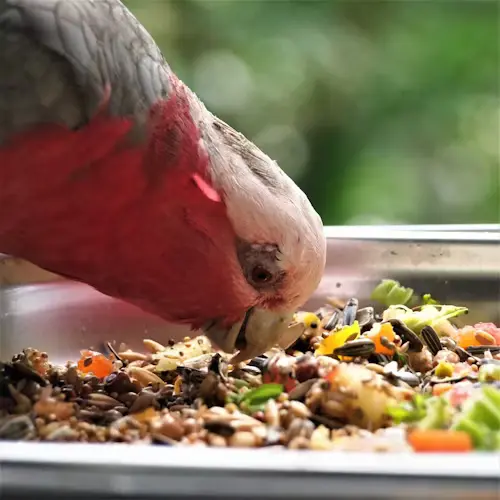
For birds with high metabolic rates or those facing challenging environmental conditions, high energy bird seed becomes essential.
When Do Birds Need Extra Energy?
Birds require additional energy during:
- Cold weather: To maintain body temperature
- Migratory periods: For long-distance flight fuel
- Breeding season: For courtship, nesting, and chick-rearing
- Molting: When growing new feathers
Components of High Energy Bird Seed Mixes
Effective high-energy blends typically include:
- Safflower seeds: High in fat and protein
- Peanuts: Excellent source of healthy fats and protein
- Sunflower seeds: Rich in oils and nutrients
- Suet: High-calorie animal fat, especially popular in winter
- Nyjer (thistle) seeds: Tiny but nutrient-dense
Benefits of High Energy Feeds
Feeding high-energy foods provides several advantages:
- Improved survival rates: Especially during harsh weather
- Enhanced breeding success: More energy for reproduction
- Better feather quality: Essential fatty acids support plumage
- Increased activity levels: Birds have more energy for foraging and socializing
How to Use High Energy Seed Appropriately
While high-energy foods are beneficial, they should be used strategically:
- Seasonal feeding: Increase during winter and migration
- Moderation: Don’t overfeed year-round to prevent obesity
- Combination feeding: Mix with other seeds for variety
- Freshness: Ensure seeds are fresh to prevent spoilage
No Mess Bird Feed: Clean Solutions for Modern Bird Owners
One of the biggest challenges bird owners face is managing the mess that comes with traditional bird feeding. No mess bird feed solutions have revolutionized how we care for our feathered companions.
What Makes Traditional Bird Feed Messy?
Traditional bird seed creates mess through:
- Seed hulls: Outer shells discarded by birds
- Shelled nuts: Fragments and debris
- Spilled seed: Knocked out of feeders during feeding
- Droppings: Mixed with food debris
Types of No Mess Bird Feed
No mess options include:
- Shelled seeds: Sunflower hearts, shelled peanuts
- Seed cylinders: Compressed blocks that minimize waste
- Suet cakes: Contained in special feeders
- Seed blends without hulls: Pre-husked mixes
Advantages of No Mess Bird Feed
| Benefit | Description |
|---|---|
| Reduced Cleanup | Less time spent cleaning under feeders |
| Less Waste | Birds eat more of the food provided |
| Neater Appearance | Feeders and surrounding areas stay cleaner |
| Cost Effective | Less wasted food means better value |
Popular No Mess Options
- Sunflower hearts: As mentioned earlier, these are naturally no-mess
- Shelled peanut pieces: High energy without the shells
- Millet hearts: The inner kernel without husks
- Safflower hearts: Similar benefits to sunflower hearts
Premium Bird Seed Mix: Quality That Makes a Difference
Not all bird seed is created equal. Premium bird seed mix offers superior quality that translates to better bird health and satisfaction.
What Sets Premium Mixes Apart?
Premium bird seed mixes differ from economy blends in several ways:
- Ingredient quality: Higher proportion of nutritious seeds
- Freshness: Recently harvested and properly stored
- No fillers: Minimal or no milo, wheat, or other low-value grains
- Consistency: Uniform blend every time
- Fortification: Often enriched with vitamins and minerals
Key Components of Premium Bird Seed Mix
A quality premium mix typically contains:
- Black oil sunflower seeds: High oil content, thin shells
- White proso millet: Loved by ground-feeding birds
- Cracked corn: Energy source, but should be limited
- Peanuts: High protein and fat content
- Safflower seeds: Alternative to sunflower, less attractive to squirrels
How to Identify Premium Quality
When shopping for premium bird seed, look for:
- Clear labeling: Lists specific seed types and percentages
- Recent packaging date: Ensures freshness
- No dust: Dust indicates broken seeds and poor handling
- Uniform color: No discolored or moldy seeds
- Storage conditions: Kept in cool, dry places
Regional Considerations for Premium Mixes
Different regions may require different seed blends based on local bird populations. For insights into regional preferences, especially in the UK, check out this discussion on regional bird feeding.
Creating the Perfect Bird Feeding Environment
Even the best bird food won’t attract birds if your feeding setup isn’t optimized. Here’s how to create an inviting environment.
Feeder Selection and Placement
- Platform feeders: Good for larger birds and ground feeders
- Hopper feeders: Attract a variety of species
- Tube feeders: Ideal for small birds and sunflower seeds
- Suet feeders: Specialized for woodpeckers and nuthatches
Feeding Station Best Practices
- Elevation: Place feeders at varying heights
- Visibility: Ensure birds can see approaching predators
- Shelter: Nearby trees or shrubs for quick escape
- Cleanliness: Regular cleaning to prevent disease
Water Sources
Don’t forget to provide fresh water for drinking and bathing. A clean water source can be just as attractive as quality food.
Seasonal Feeding Strategies
Your bird feeding approach should change with the seasons to meet birds’ changing needs.
Spring Feeding
- Focus on protein-rich foods for breeding birds
- Provide calcium sources for egg-laying females
- Offer nesting materials alongside food
Summer Feeding
- Ensure fresh water is always available
- Provide cooling foods like fruits and vegetables
- Keep feeders clean to prevent bacterial growth
Fall Feeding
- Transition to high-energy foods for migration
- Gradually increase fat content in diets
- Prepare feeders for winter weather
Winter Feeding
- Provide high-energy, high-fat foods
- Ensure feeders don’t freeze over
- Offer shelter near feeding areas
- Consider heated water sources
Common Bird Feeding Mistakes to Avoid
Even with the best intentions, bird owners often make mistakes that can harm rather than help their feathered friends.
Mistake #1: Feeding Bread and Table Scraps
Bread offers little nutritional value and can be harmful in large quantities. Instead, focus on quality bird foods specifically formulated for avian nutrition.
Mistake #2: Inconsistent Feeding
If you start feeding birds, try to be consistent, especially in winter. Birds come to rely on feeders as part of their daily foraging routine.
Mistake #3: Poor Hygiene
Dirty feeders can spread disease. Clean your feeders regularly with a solution of one part bleach to nine parts water.
Mistake #4: Wrong Food for Your Region
Research which foods are best for the bird species in your area rather than assuming all bird seed works everywhere.
Mistake #5: Overfilling Feeders
Only put out as much food as birds will eat within a few days to ensure freshness and prevent waste.
FAQ: Your Best Bird Food Questions Answered
Q: How much best bird food should I feed my bird daily?
A: The amount varies by species and size, but generally, most birds should have access to food throughout the day. For pet birds, follow specific guidelines for your species, typically 1-2 tablespoons of seed mix daily, supplemented with fresh foods.
Q: Can I mix different types of bird food together?
A: Yes! In fact, mixing different foods can provide better nutrition. Just ensure all components are fresh and appropriate for your target bird species.
Q: How do I transition my bird to a new food?
A: Gradually introduce new foods by mixing them with familiar ones. Start with 25% new food and gradually increase over 7-10 days.
Q: Are expensive premium bird seed mixes worth the cost?
A: Often yes. Premium mixes typically contain higher quality ingredients with fewer fillers, meaning birds eat more of it and waste less. This can make them more cost-effective in the long run.
Specialized Diets for Different Bird Types
Not all birds have the same dietary requirements. Understanding your bird’s specific needs is crucial for optimal health.
Parrot Nutrition
Parrots require a varied diet that includes:
- High-quality pellet food as a base
- Fresh fruits and vegetables
- Healthy seeds and nuts as treats
- Calcium sources like cuttlebone
For detailed information on African grey parrot nutrition, visit our comprehensive guide on African grey parrot food.
Small Bird Seed Mixes
Finches, canaries, and budgies need smaller seeds:
- Millets (various types)
- Canary seed
- Small amounts of rape seed
- Fortified with vitamins
Wild Bird Considerations
For wild birds, consider:
- Seasonal nutritional needs
- Local bird species preferences
- Avoiding foods that attract unwanted wildlife
- Providing appropriate feeder types
DIY Bird Food Recipes
Creating your own bird food can be rewarding and ensure you know exactly what’s in your bird’s diet.
Homemade Seed Mix Recipe
Ingredients:
- 2 cups black oil sunflower seeds
- 1 cup shelled sunflower hearts
- 1 cup white proso millet
- 1/2 cup safflower seeds
- 1/2 cup cracked corn
- 1/4 cup shelled peanuts
- 1/4 cup dried mealworms
Instructions:
- Mix all ingredients thoroughly
- Store in an airtight container
- Use within 3 months for best freshness
Bird Cake Recipe
Ingredients:
- 1 cup lard or suet
- 1 cup crunchy peanut butter
- 2 cups mixed seed
- 1 cup cornmeal
- 1 cup quick oats
Instructions:
- Melt lard and peanut butter together
- Mix dry ingredients in a separate bowl
- Combine wet and dry ingredients
- Pour into molds or containers
- Refrigerate until solid
- Serve in mesh bags or suet feeders
Storage Solutions for Bird Food
Proper storage is essential for maintaining food quality and preventing contamination.
Best Storage Practices
- Airtight containers: Prevent moisture and pests
- Cool, dry location: Avoid temperature fluctuations
- Dark storage: Light can degrade nutrients
- First in, first out: Use older food first
- Regular inspection: Check for mold, insects, or spoilage
Container Options
Consider these storage solutions:
- Food-grade buckets with gamma seal lids
- Plastic bins with tight-fitting lids
- Metal containers (rodent-proof)
- Vacuum-sealed bags for long-term storage
Bird Feeding and Wildlife Conservation
Responsible bird feeding contributes to broader conservation efforts and supports local ecosystems.
How Proper Feeding Supports Conservation
- Provides supplemental nutrition during challenging times
- Supports bird populations in urban areas
- Encourages biodiversity in your yard
- Creates opportunities for citizen science and bird monitoring
Responsible Feeding Guidelines
- Keep feeders clean to prevent disease spread
- Provide native plants alongside feeders
- Avoid pesticides in your yard
- Participate in bird counts and surveys
- Support habitat conservation efforts
Monitoring Your Bird’s Health Through Diet
Observing how your bird eats and behaves around food can reveal important health information.
Signs of Good Nutrition
- Shiny, well-maintained feathers
- Active behavior and alertness
- Good appetite
- Normal droppings
- Healthy weight
Warning Signs of Nutritional Problems
- Loss of appetite
- Dull, broken feathers
- Lethargy or weakness
- Overgrown beak
- Discharge around beak or eyes
- Abnormal droppings
If you notice any of these signs, consult an avian veterinarian and review your bird’s diet.
The Economics of Quality Bird Food
Investing in quality bird food is an investment in your bird’s health and longevity.
Cost Comparison: Economy vs. Premium
While premium foods may cost more upfront, consider:
- Less waste means more food actually gets eaten
- Better nutrition can reduce veterinary costs
- Healthier birds live longer, providing better value over time
- Improved behavior and appearance enhance enjoyment
Money-Saving Tips
- Buy in bulk from reputable suppliers
- Store properly to extend shelf life
- Make your own mixes when possible
- Shop sales and compare prices
- Join bird owner groups for bulk buying opportunities
Conclusion: Your Journey to Better Bird Nutrition
Choosing the best bird food for your feathered friends doesn’t have to be overwhelming. By understanding the importance of ingredients like sunflower hearts for birds, recognizing the value of high energy bird seed during critical times, appreciating the convenience of no mess bird feed, and investing in premium bird seed mix quality, you’re already ahead of the game.