White Bird Eggs: Best Happy Proven Secrets for Safe Care


Remember finding that perfect white egg as a child? Smooth, delicate, mysterious—holding the miracle of new life. That sense of wonder never truly fades. Whether you’re a backyard birdwatcher, a curious naturalist, or someone suddenly faced with a discovered nest, understanding white bird eggs offers a fascinating glimpse into avian lives that often goes unnoticed. Let’s decode their secrets together—from identifying species to ethical care.
Table of Contents
Why Are Bird Eggs White? The Evolutionary Puzzle Solved
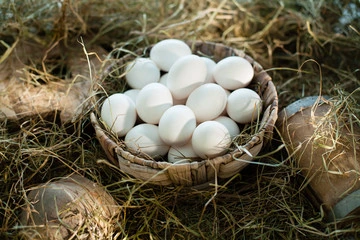
Not all birds paint their eggs in vibrant hues. For cavity nesters—species that raise young in tree hollows, burrows, or birdhouses—white reigns supreme. Why? In concealed, dark nests, camouflage isn’t a priority. The light color helps parents spot the eggs easily in low-light conditions. You’ll also find white eggs among open-ground nesters with aggressive defenses (like ostriches) and nocturnal birds who rely on darkness for cover.
Key evolutionary benefits:
- Visibility: Parents quickly locate eggs in shadowy holes
- Pigment conservation: Birds skip metabolically costly pigments
- UV reflection: Potential deterrence against infection or predators
Whit Bird Eggs Identification: Size, Markings, and Location Clues

Spotting a small white egg in your garden? Don’t panic—start investigating. Size, patterning, and nest site hold critical clues. Use this guide:
Size and Shape Insights:
- Teardrop tiny (0.5″): Likely hummingbirds or kinglets
- Ping-pong ball (~1″): Songbirds like tree swallows or house wrens
- Tennis ball or larger: Owls, ducks, or gamebirds
Markings: Subtle Hints
While “pure white” is common, keep your eyes peeled for:
- Fine speckles or dots (seen in chaffinches or flycatchers)
- Pinkish undertones in dove or pigeon eggs
- Stark white with a slight gloss (typical thrushes or some woodpeckers)
Location Is Key!
Where you find the egg matters immensely:
- Tree cavities/birdhouses: Nuthatches, bluebirds (even occasionally white variants), wrens
- Ground scrapes: Nightjars, plovers
- Shrubbery: Thrashers, thrushes (sometimes cream or pale blue)
- UNEXPECTED: Gravel driveways or decks—mourning doves adore these spots!
| Species | Egg Size | Markings | Typical Nest |
|---|---|---|---|
| Mourning Dove | ~1.2 in | Pure porcelain white | Flimsy platform on ledge/bush |
| Barn Owl | ~2 in | Dull white, slightly rough | Tree hollows, barn rafters |
| Tree Swallow | ~0.8 in | Pure white | Birdhouses or tree cavities |
| American Kestrel | ~1.3 in | Pale cream-brown flecks | Unlined tree holes |
Resource Boost: Compare visuals with this comprehensive egg identification guide.
Beyond the Norm: Rarities Like White Bluebird Eggs
Did you know most bluebird eggs are sky-blue but 4-5% lay pure white ones? Genetics causes this quirk—don’t assume they’re “duds”! Similarly, robins famously have blue eggs, but exceptionally rare white variants surface, sparking heated online debates. Variability proves wild birds keep surprising us.
The Intricacies of Incubation: Keeping Eggs Alive
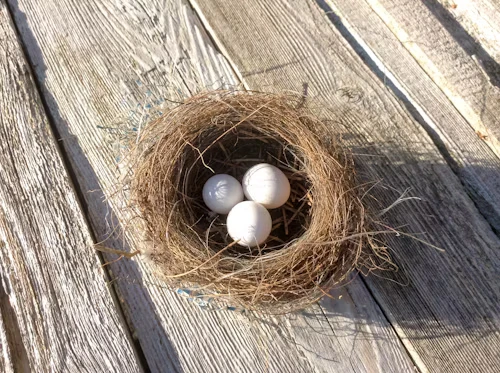
Parent birds turn egg-warming into high art. For white bird egg incubation, key elements decide survival:
Natural Process:
- Female birds develop a brood patch (bare skin) transferring heat effectively
- Eggs are regularly rotated to prevent embryo adhesion
- Temperature: Stays a critical 98-102°F (36-39°C) at all costs
- Incubation duration: Varies massively by species (10 days for songbirds vs. 30+ for owls)
Artificial Incubation DO’s and DON’TS (If You MUST Intervene):
- ✅ DO contact a wildlife rehabber immediately—Don’t DIY!
- ❌ NEVER use heat lamps or heating pads—uneven cooking kills embryos
- ❌ NEVER wash, chill, or rotate an egg unnaturally
- ❌ DON’T attempt rearing hatchlings without expertise—birds need specialized diets
Special Note: Eggs covered under Migratory Bird Treaty Act (MBTA) make it illegal to tamper with, move, or possess nests/eggs/fledglings without federal permits. Violations incur fines up to $15k and jail time. Pause that rescue instinct—call professionals!
Handling Emergency Care for Fallen Eggs
Found an egg on the ground? Here’s what to do:
- Assess the scene: Look for a nest overhead—is it intact? Place it back ONLY if safe/easy.
- Observe for parents: Birds won’t abandon eggs touched by humans.
- Ground eggs (like dove/nighthawk): Often laid deliberately on gravel—leave them!
- Broken shell? Check for remnants at woodlandtrust eggshell identification guide.
- Call Experts: Search for local wildlife rehabilitators or state Fish & Wildlife services.
Fascinating White Bird Egg Facts You’ll Want to Share
- Hummingbird eggs resemble jellybeans—smallest of all birds but incredibly strong for their size!
- Snakebird eggs have chalky shells to resist soggy marsh humidity
- Ancient Romans used pale dove eggs symbolically in fertility rituals
- Porosity is vital: Eggs “breathe” through microscopically thin shells
- That high-calcium shell took mom 15+ hours of intensive mineral gathering to form!
Discover more quirky species behaviors at our bird species identification hub.
Frequently Asked Questions About White Bird Eggs
Q: What common U.S. birds lay small white eggs?
A: Mourning doves, house wrens, bluebirds (occasionally), barn owls, swifts. Size matters—dove eggs resemble malt balls; wren eggs are tic-tac sized.
Q: Can I incubate a rescued wild bird egg?
A: Legally risky and ecologically harmful. Only licensed pros should attempt this. For domestics like doves or finches, consult avian vets first.
Q: Why did my cockatiel lay a white egg? Is that normal?
A: Yes! Nearly all parrot eggs are white. Fertility depends on bonding/mating habits—discuss care strategies with your vet.
Q: Are unmarked white eggs all from the same species?
A: Not necessarily. Size and nest location (hole vs. twig cup) differentiate owls from titmice or swifts.
A Final Plea for Precious Eggs: Look, Don’t Touch
That glimmering pearl in the grass spells survival for the next generation. Now that you’re equipped to identify birds’ white eggs and respect their significance, share that wonder responsibly. Support conservation groups preserving cavity-nesting habitats.
Keep cats indoors during nesting season. Install birdhouses ethically—then watch nature’s miracles unfold.
Ready to unlock more avian mysteries? Browse our Bird Species section, share your nest discovery tales below, or sign up for our newsletter—transform your curiosity into advocacy today! ✨