When Is Breeding Season for Birds? Best Heartwarming Secrets

Do you find yourself mesmerized by the charming antics of birds during certain times of the year? Have you ever wondered about those lively chirps and fluttering feathers that seem to signal something special in the air? If so, you’re not alone! Many bird enthusiasts and pet owners alike are curious about the breeding habits of these fascinating creatures.
In this comprehensive guide, we’ll explore the intricate world of bird mating seasons, diving into everything from the specific timing for different species to the telltale signs that breeding season is upon us. Whether you’re a seasoned bird watcher or a new pet owner, understanding these patterns can help you better appreciate and care for your avian companions.
So, when is breeding season for birds? Let’s embark on this enlightening journey together and uncover the secrets of nature’s most melodious lovers.
Table of Contents
The Timing of Bird Mating Seasons: A Global Perspective
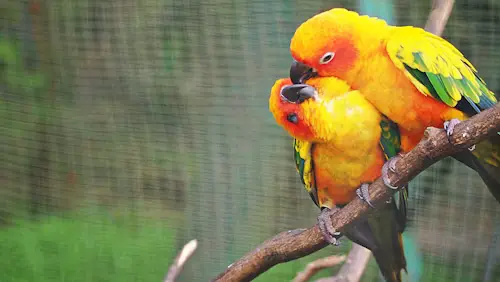
One of the most common questions bird enthusiasts ask is, “When is the breeding season for birds?” The answer, as you might expect, is not a simple one-size-fits-all response. Bird mating seasons vary significantly depending on the species, geographic location, and local climate conditions.
For our feathered friends in the Northern Hemisphere, the general breeding season typically falls between May and June. During this time, you’ll often see songbirds actively incubating eggs or raising their young. However, it’s important to note that this is a broad generalization, and specific patterns may differ.
Let’s take a closer look at some popular bird species and their breeding seasons:
- American Robin: These cheerful birds usually start breeding in April and can continue through July.
- House Sparrow: These adaptable birds can breed multiple times between April and August.
- Bald Eagle: Majestic and powerful, these birds typically breed from late February to early April.
- Ruby-throated Hummingbird: Despite their delicate appearance, these tiny birds are among the first to arrive and breed in spring, often starting in March.
It’s worth noting that breeding patterns are closely tied to food availability and climate. As global temperatures shift due to climate change, some bird species are adjusting their breeding schedules accordingly. This adaptation highlights the remarkable resilience of nature but also raises concerns about long-term impacts on bird populations.
Signs of Bird Breeding Season: Nature’s Love Story Unfolds
Now that we have a general idea of when breeding season occurs, how can you tell when it’s in full swing? There are several unmistakable signs that nature’s love story is unfolding around you:
Increased vocalization: Listen closely, and you’ll hear a symphony of chirps, whistles, and melodies. Male birds intensify their singing to attract mates and establish territories.
Nest building: Keep an eye out for birds gathering twigs, grass, and other materials. This industrious behavior is a clear indication that breeding season has begun.
Courtship displays: Some species, like peacocks and birds of paradise, put on elaborate shows of their plumage to impress potential mates.
Aggression: You might notice birds becoming more territorial and aggressive, chasing away intruders of their own species.
Changes in feeding habits: Breeding birds often require more energy, leading to increased visits to feeders or changes in foraging patterns.
Plumage changes: Some birds develop brighter or more elaborate feathers during breeding season, signaling their readiness to mate.
Optimal Breeding Season for Pet Birds: Timing is Everything
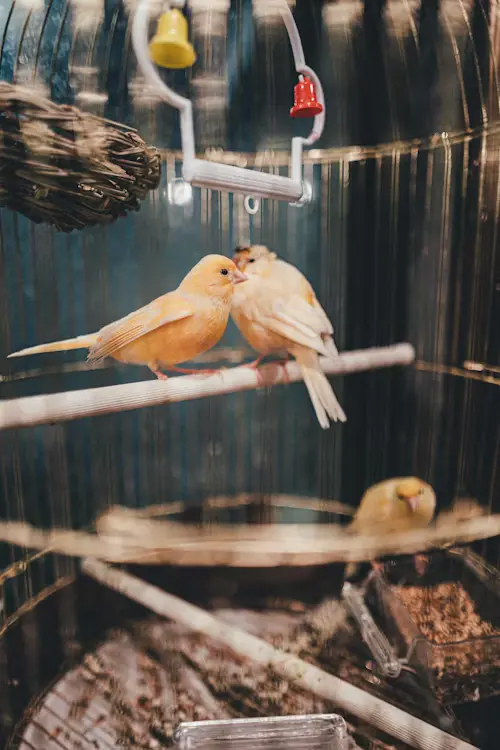
If you’re a pet bird owner considering breeding your feathered friends, it’s crucial to understand the optimal breeding conditions. While many factors influence successful breeding, timing is often the most critical element.
Most domestic bird species have specific breeding seasons that align with their wild counterparts. However, under controlled conditions, it’s possible to manipulate environmental factors to induce breeding outside of the natural season.
Here are some tips for pet bird breeding:
Age matters: Ensure both male and female birds are sexually mature and in prime condition.
Nutrition: Provide a balanced diet rich in calcium and protein to support egg production and chick development.
Photoperiod: Mimic natural day-night cycles to regulate breeding hormones.
Nesting environment: Offer appropriate nesting boxes or areas to encourage breeding behavior.
Health checks: Have your birds examined by an avian veterinarian to ensure they’re fit for breeding.
Avoid over-breeding: Allow adequate rest between breeding cycles to prevent health issues in female birds.
Remember, responsible breeding involves more than just providing the right conditions. It requires a commitment to finding suitable homes for any offspring and potentially caring for them in your home.
Debunking Winter Bird Breeding Myths: Understanding Avian Adaptability
You might be wondering, “Is it possible to have a breeding season for birds in winter?” This question often leads to several misconceptions about winter breeding in birds. Let’s address some common myths:
Myth 1: Birds don’t breed in winter
While it’s true that most birds in temperate regions don’t breed during winter, some species actually do. For example, great horned owls in North America often start nesting in January or February.
Myth 2: Domestic birds can breed year-round
While it’s possible to manipulate conditions to induce year-round breeding in pet birds, this isn’t natural or necessarily healthy. Chronic egg-laying in pet birds can lead to serious health issues.
Myth 3: All regions have similar breeding seasons
Bird breeding seasons vary dramatically based on geography. In tropical regions, for instance, some species breed year-round due to consistent food availability.
Myth 4: Birds need warm temperatures to breed
Some birds, like emperor penguins, breed in extreme cold. They time their breeding season to ensure chicks hatch when food is most abundant.
Understanding these myths helps us appreciate the incredible adaptability of birds and the complexity of their breeding behaviors across different environments and species.
Preparing for Bird Breeding Season: A Birdwatcher’s Guide
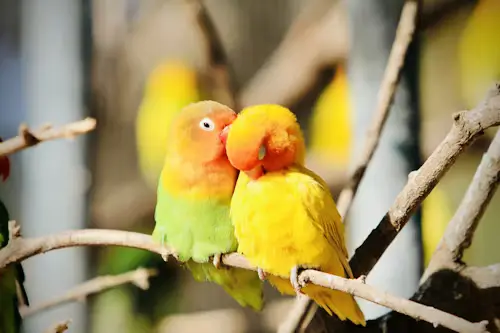
As a bird enthusiast, you might be wondering how you can help support birds during breeding season. Here are some tips to create a bird-friendly environment:
Provide nesting materials: Offer natural materials like twigs, grass, and pet fur for nest-building.
Install birdhouses: Research the specific needs of local bird species and provide appropriate nesting boxes.
Create natural habitats: Preserve or create diverse landscapes with native plants that provide food and shelter.
Avoid pesticides: Chemical treatments can harm birds and reduce their food supply.
Keep cats indoors: Outdoor cats are responsible for killing billions of birds each year, especially vulnerable nesting birds and fledglings.
Offer clean water: A reliable water source is crucial, especially during dry spells.
Maintain cleanliness: Regularly clean bird feeders and baths to prevent the spread of diseases.
By creating a welcoming environment, you’re not only supporting breeding birds but also contributing to the overall health of local ecosystems.
Conclusion: Embracing the Wonder of Bird Breeding Seasons
As we’ve explored throughout this article, the question “When is breeding season for birds?” opens up a world of fascinating avian behaviors and adaptations. From the synchronized choruses of songbirds in spring to the surprising winter breeders in colder climates, birds have evolved incredible strategies to ensure the survival of their species.
Whether you’re a birdwatcher, a pet owner, or simply someone who appreciates nature’s wonders, understanding bird breeding seasons can deepen your connection with these remarkable creatures. By recognizing the signs, supporting breeding birds, and respecting their need for space during this critical time, we can all play a role in preserving avian populations for future generations.
Call to Action: Now that you’re armed with knowledge about bird breeding seasons, why not put it into practice? Share this article with fellow bird enthusiasts, start a backyard bird project, or volunteer with local wildlife organizations. And don’t forget to leave a comment below sharing your own experiences with bird breeding seasons – we’d love to hear your stories!
Frequently Asked Questions
Q: How long does the breeding season last for most birds?
A: The breeding season typically lasts 4-6 months for most temperate birds, but this can vary widely depending on the species and geographic location.
Q: Can I breed my pet birds at any time of the year?
A: While it’s possible to induce breeding in pet birds year-round, it’s not recommended. Birds have evolved to breed during specific seasons, and off-season breeding can lead to health issues.
Q: What should I do if I find a bird’s nest in an inconvenient location?
A: If possible, avoid disturbing the nest. If removal is necessary, consult with local wildlife authorities, as many birds are protected by law.
Q: How can I tell if my pet bird wants to breed?
A: Common signs include increased vocalization, nest-building behavior, and changes in appetite. However, these behaviors can also indicate other issues, so consult an avian veterinarian if you’re unsure.
Q: Do all birds breed only once a year?
A: No, some birds can have multiple broods in a single breeding season, especially if conditions are favorable. Others may only breed every other year.
Remember, the world of birds is vast and diverse. While we’ve covered many aspects of bird breeding seasons here, there’s always more to learn about these fascinating creatures. Happy birding!