What Do Baby Birds Eat From Humans? Proven Tips

Finding a baby bird on the ground can tug at your heartstrings and make you want to help immediately. But before you reach for that eyedropper, you need to know exactly what do baby birds eat from humans to give them the best chance at survival.
Many well-meaning people make critical mistakes when attempting to feed baby birds, often doing more harm than good. This guide will walk you through the safe foods, feeding techniques, and emergency situations you need to know about ‘What Do Baby Birds Eat From Humans?’.
Table of Contents
Understanding Baby Bird Development Stages
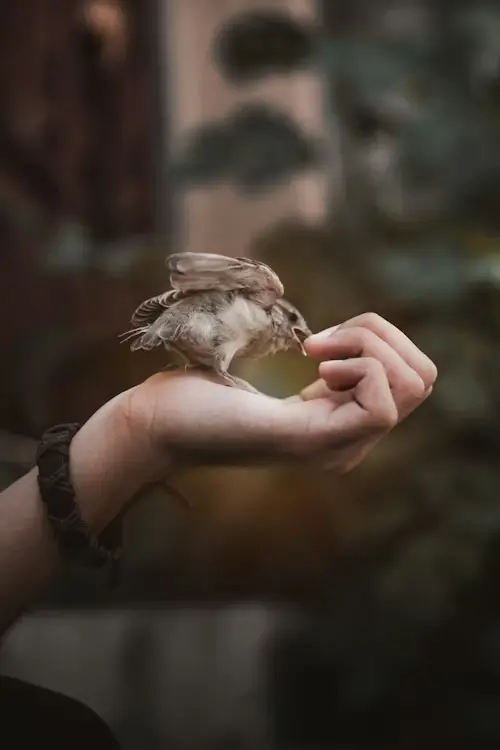
Before deciding what to feed a baby bird, you need to identify its developmental stage:
- Nestlings (0-7 days old): Featherless or mostly featherless with eyes barely open
- Branching (7-14 days old): Covered in down with developing pin feathers
- Fledglings (14+ days): Fully feathered but unable to fly well, often found on the ground learning to forage
Each stage requires different feeding approaches and food types. A 1-day-old nestling needs entirely different nutrition than a 2-week-old fledgling.
Emergency Baby Bird Diet: What to Feed When Every Minute Counts
When you discover an orphaned baby bird and need immediate solutions, here’s what you can safely provide:
Emergency Foods for Immediate Feeding
Soft Proteins
- Moistened cat or dog food (high-quality brands only)
- Hard-boiled eggs, mashed
- Live mealworms (cut into appropriate sizes)
Fruits and Vegetables
- Mashed bananas
- Pureed apples (no seeds)
- Softened papaya or mango
- Cooked sweet potato, mashed
Emergency Formula Recipe
Mix together:
- 1 part high-protein cat food (moistened)
- 1 part hard-boiled egg yolk
- 1 part applesauce
- A few drops of avian vitamins
This emergency mixture provides the protein, fat, and nutrients baby birds desperately need.
Baby Bird Hand Feeding: Safe Techniques and Tools
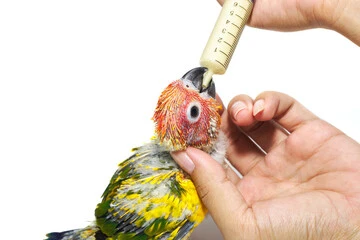
Proper hand feeding technique is crucial for baby bird survival. Here’s what you need to know:
Essential Feeding Tools
- Sterile feeding syringes (no needle)
- Plastic pipettes
- Soft-tipped feeding spoons
- Small tweezers for solid foods
Feeding Temperature
Always warm food to 102-104°F (39-40°C). Use a digital thermometer to ensure accuracy. Cold food can cause digestive issues, while overheated food can burn delicate throats.
The Correct Feeding Position
- Hold the bird gently but securely
- Position the bird upright – never feed a baby bird on its back
- Tap gently near the beak to stimulate the feeding response
- Never force food into an unwilling bird
How Much to Feed
Feed small amounts frequently. A general rule: feed until the crop (a pouch in the throat) appears full but not over-stretched.
Safe Human Food for Fledglings Learning to Eat
As baby birds develop into fledglings, their diet expands. What do baby birds eat from humans during this critical learning phase?
Protein Sources
- Live mealworms and waxworms
- Crickets (small ones, dusted with calcium)
- Canned insects (available at pet stores)
- Chopped hard-boiled egg
Safe Fruits and Vegetables
- Finely chopped berries
- Small pieces of ripe melon
- Grated carrot
- Tiny bits of cucumber
Commercial Options
- Emergency baby bird formula powder
- High-quality parrot pellets (moistened until soft)
- Meal replacement powders for insect-eating birds
Homemade Bird Formula: Recipes for Different Species
Different bird species have varying nutritional requirements. Here are specialized formulas:
Insectivorous Bird Formula
- 2 parts high-protein cat food
- 1 part mealworm powder
- 1 part applesauce or banana
- Avian vitamin supplement
Seed-Eating Bird Formula
- 1 part softened parrot pellets
- 1 part cooked quinoa
- 1 part vegetable puree
- Calcium supplement
Omnivorous Bird Formula
- 1 part moistened dog food
- 1 part hard-boiled egg
- 1 part fruit puree
- 1 part insect powder
Soft Foods for Nestlings: Gentle Nutrition for the Youngest Birds
The youngest nestlings require the most delicate care and nutrition. Here’s what works best:
Protein-Rich Mush
Blend together:
- Cooked egg yolk
- High-quality cat food (pate consistency)
- A drop of corn syrup for energy
Balanced Nutrition Recipe
- 2 parts hard-boiled egg yolk
- 1 part calcium-fortified baby cereal
- 1 part fruit and vegetable puree
- Avian electrolyte solution to achieve proper consistency
Feeding Schedule by Age
- Day 1-3: Every 20-30 minutes from sunrise to sunset
- Day 4-7: Every 30-45 minutes
- Day 8-14: Every 45-60 minutes
- Day 15+: Every 1-2 hours as they develop independence
Common Mistakes to Avoid When Feeding Baby Birds
Understanding what not to feed is just as important as knowing what do baby birds eat from humans:
Dangerous Foods
- Bread and crackers (empty calories, expands in crop)
- Milk and dairy products (birds cannot digest lactose)
- Honey (can contain botulism spores)
- Avocado (toxic to birds)
- Chocolate (toxic to birds)
- Seeds and nuts (choking hazard for young birds)
Feeding Errors
- Force-feeding when the bird is not responsive
- Using cold food
- Overfeeding (causing crop impaction)
- Incorrect feeding positions (on back or tilted wrong)
- Mixing old and new formula
Environmental Mistakes
- Improper temperature (too cold or too hot)
- Insufficient humidity
- Disturbance during feeding times
- Poor sanitation between feedings
Creating an Emergency Bird Care Kit
Every bird lover should keep these items ready:
Basic Emergency Supplies
- Sterile feeding syringes (different sizes)
- Digital thermometer
- Heating pad with temperature control
- Small soft-tipped feeding spoons
- Tweezers for solid foods
- Clean paper towels
- Unscented tissues
Food Supplies
- High-quality cat food (wet and dry)
- Hard-boiled eggs
- Mealworms (live or freeze-dried)
- Bird formula powder
- Calcium supplement powder
- Avian electrolyte solution
Sanitation Supplies
- Alcohol wipes
- Bottle brush for cleaning
- Food-grade disinfectant
- Disposable gloves
- Small trash bags
When to Contact Wildlife Rehabilitators
While knowing what do baby birds eat from humans is valuable, professional help is often necessary:
Contact a Rehabber If:
- The bird appears injured
- You’ve been feeding for more than 24 hours without improvement
- You’re unsure of the species
- The bird won’t gape (open its mouth) for feeding
- The crop isn’t emptying properly between feedings
- You’re feeling overwhelmed or unprepared
Finding Help
- Search local wildlife rehabilitation directories
- Contact local animal control
- Reach out to veterinary clinics (many have wildlife connections)
- Use online directories like Quora’s wildlife rehabilitation community
Success Stories: Real Experiences with Baby Bird Rescue
Emma, a bird enthusiast from Portland, found a fallen sparrow nestling during a storm. Using the emergency formula recipe and proper feeding techniques, she successfully raised the bird to independence within three weeks.
“I thought the bird wouldn’t survive the night,” Emma shares. “But with the right temperature, feeding schedule, and homemade formula, little ‘Pip’ thrived. The key was consistency and following the age-appropriate feeding guidelines precisely.”
Mark, from Florida, rescued four mockingbird fledglings after a tree trimming incident. His experience highlights the importance of species-specific care and the transition from hand-feeding to independent eating.
Measuring Success: Development Milestones
Track your baby bird’s progress with these indicators:
Healthy Development Signs
- Consistent weight gain (daily weighing is crucial)
- Alert, responsive behavior
- Normal droppings
- Feathers developing on schedule
- Interest in surroundings increasing
Warning Signs to Watch For
- Weight loss or plateau
- Lethargy or lack of response
- Abnormal droppings (color, consistency)
- Delayed feather development
- Crop not emptying between feedings
Conclusion ‘What Do Baby Birds Eat From Humans?’
Understanding what do baby birds eat from humans can mean the difference between life and death for an orphaned or injured fledgling. Whether you’re dealing with an immediate emergency or preparing for potential wildlife encounters, this knowledge empowers you to provide critical care when it matters most.
Remember these key principles:
- Proper identification of the bird’s developmental stage
- Safe, appropriate emergency foods available
- Correct feeding techniques and temperatures
- Knowing when to seek professional help
Have you ever rescued a baby bird? We’d love to hear your story in the comments below! And don’t forget to share this guide with fellow bird enthusiasts – you never know when this life-saving information might be needed.