What Are Baby Birds Called? Ultimate Lovable Guide

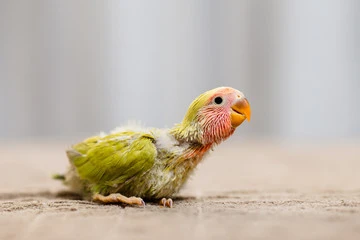
Have you ever stumbled upon a tiny bird outside its nest and wondered what to call it? Whether you’re an avid birdwatcher, a wildlife enthusiast, or someone who recently found a nestling in their backyard, understanding baby bird terminology can help you appreciate these remarkable creatures even more.
In this comprehensive guide, we’ll explore everything you need to know about what are baby birds called, their developmental stages, and how to identify them correctly.
Table of Contents
The General Term: Chicks
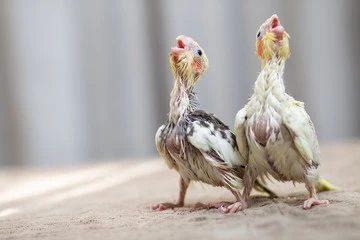
The most common and widely accepted term for a baby bird of any species is simply chick. This universal term applies whether you’re talking about a tiny hummingbird or a majestic eagle in its early days. According to the British Trust for Ornithology, “chick” serves as the go-to word for baby birds when you’re not sure of the specific species or developmental stage.
Think of it like calling a human infant a “baby”—it works universally, though it doesn’t tell you much about their age or abilities.
Specific Baby Bird Naming Conventions
Different species have their own unique terminology for their young ones. This naming convention adds charm to birdwatching and helps experts communicate more precisely. Here are some delightful examples:
- Ducklings – baby ducks (from ducklings to adult ducks)
- Goslings – baby geese (watch them following their parents in perfect formation)
- Owlets – baby owls (those big, round eyes are irresistible)
- Cygnets – baby swans (graceful even as youngsters)
- Poults – baby turkeys (watch them scurry in the underbrush)
- Keets – baby guinea fowl (striped and adorable)
- Fledglings – young birds who’ve left the nest but can’t fly well yet
Each of these terms reflects the unique characteristics and behaviors of these young birds as they develop.
The Four Main Baby Bird Stages
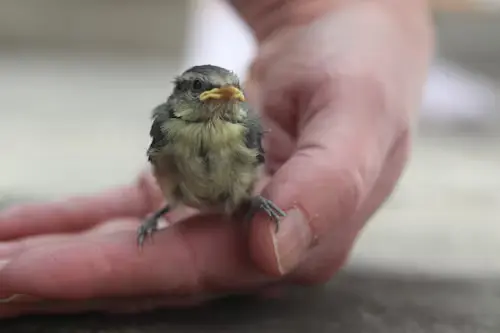
Baby birds progress through distinct developmental stages, each with its own characteristics and terminology. Understanding these stages helps you identify what kind of assistance—if any—a young bird might need.
1. Hatchling Birds (0-3 Days Old)
Hatchlings are freshly emerged from their eggs. These tiny creatures are:
- Naked or sparsely covered with down
- Eyes closed or barely open
- Unable to regulate their own body temperature
- Completely dependent on parents for food and warmth
If you find a hatchling on the ground, it needs immediate help returning to its nest or receiving care from wildlife rehabilitation experts. A hatchling won’t survive long outside the nest’s protection.
2. Nestlings (3-13 Days Old)
As hatchlings grow into nestlings, they develop:
- Some feathers, though still mostly naked in patches
- Open eyes and increasing alertness
- The ability to beg for food with loud chirping
- Growing strength in their legs and wings
Nestlings remain completely dependent on their parents and should stay in the nest. If you encounter a nestling outside its nest, attempt to return it to the nest or contact a wildlife rehabilitator immediately.
3. Fledglings (13-20 Days and Beyond)
Fledglings represent a critical transition period. These birds:
- Have most of their feathers but may still have some downy patches
- Can hop and flutter between branches
- Cannot yet fly strongly or maintain sustained flight
- Often leave the nest intentionally to practice being on their own
This stage confuses many people who mistake healthy fledglings for injured birds. If you find a fledgling with feathers (not fuzzy down), it’s likely supposed to be out of the nest and doesn’t need rescue.
4. Juvenile Birds (Several Weeks to Months)
Juvenile birds are essentially teenagers of the bird world:
- Look similar to adults but may have different coloration or markings
- Can fly and feed themselves but may still beg from parents
- Learning adult behaviors and territories
- Gradually becoming independent
[Table 1: Comparison of Baby Bird Stages]
| Stage | Age Range | Appearance | Mobility | Dependency Level |
|---|---|---|---|---|
| Hatchling | 0-3 days | Naked, eyes closed | None | Complete |
| Nestling | 3-13 days | Sparse feathers, eyes open | Limited movement | Complete |
| Fledgling | 13+ days | Mostly feathered | Hopping, weak flying | Decreasing |
| Juvenile | Weeks to months | Adult-like feathers | Independent flying | Independent |
Altricial vs. Precocial Development
Birds follow different developmental strategies that affect how their babies look and behave at birth:
Altricial Birds
Altricial species produce helpless young that require extensive parental care:
- Born naked, blind, and helpless
- Nest-bound for extended periods
- Require constant feeding and warmth
- Examples: songbirds, hawks, owls, crows
Precocial Birds
Precocial species produce more developed young that can move around quickly:
- Born with down feathers and open eyes
- Can walk, swim, or run shortly after hatching
- Follow parents but feed themselves
- Examples: ducks, geese, chickens, shorebirds
This fundamental difference explains why some baby birds are fluffy and mobile while others are naked and helpless.
Why Baby Birds Have Different Feather Development
The development of feathers (or lack thereof) in baby birds is directly related to their survival strategy:
Accelerated Hatching Strategy: Species that face high predation risk often benefit from hatching earlier, even if their babies are more vulnerable. These altricial babies develop crucial survival behaviors while under parental protection.
Protective Nesting: Birds that build secure, well-hidden nests can afford to take more time developing inside the egg. These precocial or semi-precocial species hatch more advanced but leave the nest sooner.
This evolutionary trade-off balances egg vulnerability with chick vulnerability, depending on each species’ specific environmental pressures.
How to Tell If a Baby Bird Needs Help
Encountering a baby bird triggers our protective instincts, but intervention isn’t always necessary—and can sometimes be harmful. Here’s when to act:
The bird needs help if:
- It has visible injuries or blood
- It’s been caught by a cat or dog
- It’s been in the same spot for several hours without parents returning
- It’s a hatchling or nestling found on the ground
The bird likely doesn’t need help if:
- It’s a feathered fledgling hopping around
- Parents are nearby bringing food
- It can perch on your finger or grip branches
- It’s mobile and vocalizing
When in doubt, observe from a distance for at least an hour before intervening. Parent birds often watch from nearby branches while their fledglings practice independence.
Cultural and Regional Naming Variations
While “chick” remains the universal term, regional variations exist:
- In the UK, “chick” and “nestling” are most commonly used
- North American birdwatchers often use “fledgling” more broadly
- Some regions have traditional names passed down through generations
This variation reflects the universal human connection to observing bird life cycles.
Baby Bird Care and Legal Considerations
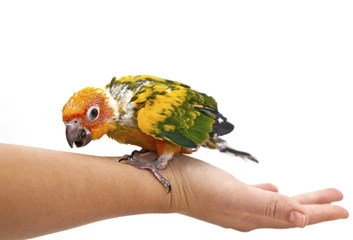
Important: In most countries, it’s illegal to keep native wild birds as pets, even if you’re trying to help them. Licensed wildlife rehabilitators have the training, permits, and proper nutrition to give baby birds their best chance at survival.
If you must handle a baby bird:
- Use clean gloves or a light towel
- Keep handling to an absolute minimum
- Place it in a secure, warm, dark container
- Contact a licensed wildlife rehabilitator immediately
- Never attempt to feed or water the bird—wrong food can be fatal
Table: Common Baby Bird Species and Their Specific Names
| Bird Species | Baby Bird Name | Development Type | Approximate Fledging Age |
|---|---|---|---|
| Chicken | Chick | Precocial | 0 days (mobile at hatch) |
| Duck | Duckling | Precocial | 50-60 days |
| Turkey | Poult | Precocial | 14 weeks |
| Pigeon | Squab | Altricial | 25-32 days |
| Sparrow | Chick | Altricial | 10-14 days |
| Eagle | Eaglet | Altricial | 10-12 weeks |
| Owl | Owlet | Altricial | 6-10 weeks |
| Swan | Cygnet | Precocial | 4-5 months |
The Magic of Baby Bird Observation
Watching baby birds grow offers one of nature’s most rewarding experiences. From tiny, helpless hatchlings to confident, flying juveniles, the transformation happens quickly but leaves lasting memories. Taking time to observe from a respectful distance helps us appreciate the dedication of parent birds and the resilience of their offspring.
Photography, journaling, or simple observation can deepen your connection to local bird populations and improve your understanding of their life cycles.
FAQ: About ‘What Are Baby Birds Called’
Q: Is it true that touching a baby bird will cause the parents to reject it?
A: No, this is a myth. Birds have a very limited sense of smell and won’t reject their young due to human scent. However, repeated disturbance can stress both parents and babies.
Q: What should I do if I find a baby bird with few feathers?
A: This is likely a hatchling or nestling that has fallen from the nest. Try to return it to the nest if you can find it. If the nest is destroyed or unreachable, contact a wildlife rehabilitator.
Q: How long do baby birds stay in the nest?
A: It varies dramatically by species—from just 2-3 weeks for many songbirds to 2-3 months for larger birds like eagles.
Q: Can fledglings take care of themselves?
A: Fledglings are learning independence but still need their parents for food and protection. They typically can’t fly well yet but will develop these skills over the next few days to weeks.
Q: Why do some baby birds look nothing like their parents?
A: Juvenile plumage often helps camouflage young birds and may look distinctly different from adult coloration. This varies greatly between species.
Conclusion
Understanding what baby birds are called opens up a fascinating window into avian development and behavior. Whether it’s a downy nestling, a speckled fledgling, or teenage juvenile, each stage represents nature’s incredible journey from vulnerability to independence.
Remember, most baby birds you encounter are exactly where they’re supposed to be, learning the skills they need to become the beautiful adult birds we admire. Our role is often best served by observing from a distance and letting nature take its course.
Have you had any memorable encounters with baby birds? Share your stories in the comments below—we’d love to hear about your experiences with these remarkable young creatures!