Ultimate Fix: How To Keep Birds From Flying Into My Windows

Have you ever heard a sudden thud against your window and rushed to find a stunned or injured bird lying on the ground? If so, you’re not alone. Every year, millions of birds collide with windows, often with fatal consequences. This heartbreaking phenomenon is more common than you might think, and it’s something that deeply concerns bird lovers and homeowners alike.
In this comprehensive guide, I’ll share everything you need to know about how to keep birds from flying into my windows. From understanding why this happens to implementing effective prevention strategies, you’ll discover practical solutions that can save bird lives while maintaining your view and home aesthetics.
Table of Contents
Why Do Birds Fly Into Windows?
Before diving into solutions, it’s crucial to understand why this problem occurs in the first place. Birds don’t have the same understanding of glass that humans do. To them, windows present several confusing scenarios:
The Reflection Problem
Most modern windows act like mirrors, especially during certain times of day. Birds see reflections of trees, sky, and vegetation in the glass and believe they can fly straight through to the other side. This is particularly problematic in spring when trees are in full leaf and during migration periods when birds are navigating unfamiliar territory.
The Tunnel Vision Effect
Some birds, particularly territorial species like cardinals and robins, see their own reflection in windows and mistake it for an intruder. During breeding season, they may repeatedly attack what they perceive as a rival, sometimes injuring themselves in the process.
The Indoor Plant Attraction
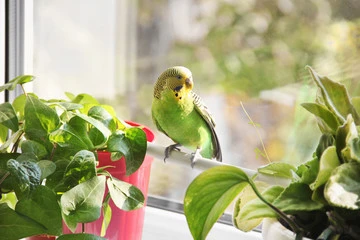
Windows with indoor plants can be especially dangerous. From outside, birds see the greenery and think they’ve found a safe place to land, not realizing there’s solid glass between them and the foliage.
Migration Confusion
During migration, birds often fly at night and use celestial navigation. Artificial lights from buildings can disorient them, causing them to circle buildings repeatedly until they collide with windows or become too exhausted to continue their journey.
Bird Window Collisions Prevention: The Foundation
The key to preventing bird-window collisions lies in making glass visible to birds. Since birds primarily rely on vision for navigation, the goal is to break up the reflective surface or make the glass itself apparent as a solid barrier.
Understanding Bird Vision
Birds see the world differently than humans. They have excellent color vision and can see ultraviolet light, which is invisible to us. This means that solutions that work for human vision might not be effective for birds, and vice versa.
The 2×4 Rule
One of the most important principles in bird collision prevention is the “2×4 rule.” This guideline states that patterns on windows should be no more than 2 inches apart horizontally and 4 inches apart vertically. This spacing ensures that birds recognize the pattern as a barrier they cannot fly through.
Window Decals for Birds: Effective Patterns and Placement
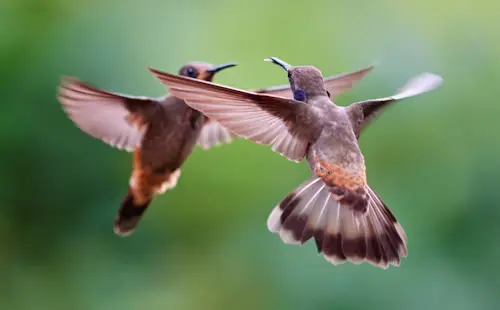
Window decals are one of the most popular and accessible solutions for preventing bird collisions. However, not all decals are created equal, and proper placement is crucial for effectiveness.
Types of Effective Decals
Predator Silhouettes:
Decals shaped like hawks or owls can be effective deterrents. The theory is that smaller birds will avoid flying near what they perceive as a predator. However, this method works best for smaller birds and may not deter larger species.
UV-Reflective Decals:
These decals are nearly invisible to humans but highly visible to birds, who can see ultraviolet light. They create a pattern that birds recognize as a barrier while maintaining your view.
Patterned Decals:
Decals that create repeating patterns across the glass surface are often most effective. These can be dots, stripes, or other geometric shapes.
Proper Decal Placement
Simply putting a few decals on your windows won’t be effective. To truly prevent collisions, you need to cover the entire surface of the glass according to the 2×4 rule mentioned earlier.
Common Mistakes to Avoid:
- Placing decals too far apart
- Only decorating the corners of windows
- Using too few decals for large windows
- Placing decals on the inside of the glass (they should be on the outside)
Professional Installation Tips:
If you’re dealing with large windows or multiple stories, consider hiring a professional window cleaning service to help apply decals. They have the equipment and experience to reach high windows safely and apply decals evenly.
Bird Safe Window Film: Long-Term Solutions
For a more permanent solution, bird-safe window film offers excellent protection while maintaining your view and allowing light to enter your home.
Types of Window Film
Frosted or Etched Films:
These films create a frosted or etched glass appearance that breaks up reflections while still allowing light to pass through. They come in various patterns and can be quite attractive.
UV-Blocking Films:
These films not only prevent bird collisions but also protect your furniture from sun damage and can help with energy efficiency by reducing heat gain in summer.
One-Way Mirror Films:
These films appear mirrored from the outside (breaking up reflections) but clear from the inside, allowing you to maintain your view while protecting birds.
Installation Considerations
Window film requires careful installation to avoid bubbles and ensure effectiveness. Professional installation is recommended for large windows or if you’re not confident in your DIY skills. The cost may be higher initially, but it’s a long-term investment that can last for years.
Stop Birds Hitting Windows: Behavioral Solutions
While physical barriers are often necessary, there are also behavioral approaches you can try, especially for persistent problem areas.
Feeder Placement Strategy
If you have bird feeders near your windows, their placement can actually help or hurt the situation:
Safe Placement:
- Place feeders either very close to windows (within 3 feet) or far away (30 feet or more)
- Close placement prevents birds from gaining enough momentum to seriously injure themselves if they do collide
- Far placement gives birds enough distance to recognize the window as a barrier
Unsafe Placement:
- Avoid placing feeders at intermediate distances (3-30 feet from windows)
- This is the most dangerous range as birds can build up speed and don’t have enough distance to recognize the glass
Water Source Management
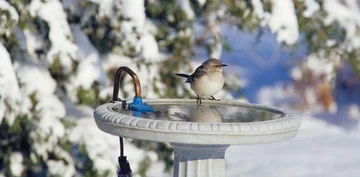
Bird baths and other water sources near windows can attract birds and increase collision risk. Consider placing water sources either very close to windows or in locations where birds won’t be flying directly toward glass when leaving the water.
Reflective Tape for Bird Windows: A Budget-Friendly Option
Reflective tape is one of the most affordable and easy-to-apply solutions for preventing bird collisions.
Choosing the Right Tape
UV-Reflective Tape:
This type of tape reflects ultraviolet light, making it highly visible to birds while being nearly invisible to humans. It’s particularly effective because birds can see the UV reflection even in low light conditions.
Metallic Tape:
Traditional metallic or mirrored tape can also be effective, though it’s more visible to humans. The shiny surface creates movement and reflection that birds recognize as a barrier.
Application Techniques
Horizontal Stripes:
Apply tape in horizontal stripes across the window, following the 2×4 rule for spacing. This creates a visual barrier that birds can easily recognize.
Dot Patterns:
Create a grid of dots using small pieces of tape. This method can be more aesthetically pleasing while still providing effective protection.
DIY Geometric Patterns:
Get creative with geometric patterns like chevrons or waves. Not only do these look attractive, but the irregular shapes are particularly effective at deterring birds.
Bird Window Strike Deterrents: Beyond the Basics
For particularly problematic windows or persistent collision issues, you might need to explore additional deterrent methods.
External Window Screens
Installing window screens can be highly effective, especially if they’re tightly woven. The mesh breaks up reflections and provides a soft barrier that won’t seriously injure birds if they do collide. Plus, screens offer additional benefits like keeping insects out and reducing glare.
External Shutters or Awnings
For seasonal protection, consider installing external shutters or awnings. These can be closed during peak migration periods or when you know birds are particularly active in your area. While this blocks your view temporarily, it provides excellent protection and can be automated for convenience.
Motion-Activated Deterrents
Some companies offer motion-activated devices that emit sounds or sprays of water when birds approach. While these can be effective, they may also disturb neighbors or other wildlife, so use them judiciously.
Feather Friendly Window Solutions: Innovative Approaches
The bird conservation community has developed several innovative solutions that combine effectiveness with aesthetics.
Acopian BirdSavers
These are essentially cords or strings hung vertically in front of windows. The cords create a visual barrier that birds recognize as solid, while still allowing light and view through the spaces between cords. They’re particularly effective on large glass surfaces like solariums or picture windows.
Zen Wind Curtains
A newer innovation, Zen Wind Curtains consist of lightweight, reflective materials that move with the wind. The movement and reflection create a dynamic barrier that birds easily recognize. They’re particularly effective because the movement catches birds’ attention from a distance.
Fritted Glass
For new construction or major renovations, consider fritted glass. This type of glass has ceramic dots or patterns baked into the surface during manufacturing. The patterns are visible to birds but can be designed to be minimally intrusive to human vision.
DIY Solutions for Bird-Safe Windows
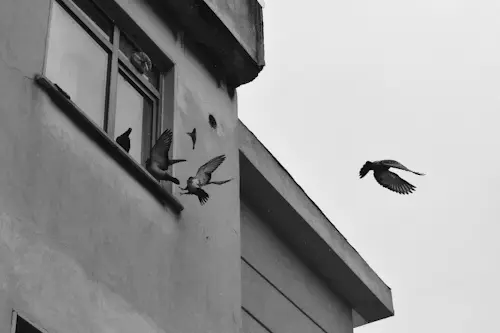
If you’re on a budget or enjoy DIY projects, there are several homemade solutions you can try.
Soap or Paint Patterns
One of the simplest solutions is to create patterns on your windows using soap or tempera paint. These materials are washable but durable enough to last through light rain. You can create dots, stripes, or any pattern you like, ensuring you follow the 2×4 rule for spacing.
String or Yarn Solutions
Hanging strings or yarn in front of windows can be surprisingly effective. The key is to hang them close enough together (following the 2×4 rule) and ensure they move freely in the wind. You can use fishing line for nearly invisible support or colorful yarn for a more decorative approach.
Newspaper or Paper Patterns
For a temporary solution, especially during peak migration seasons, you can create patterns using newspaper or other paper. Cut shapes and attach them to the outside of your windows using static cling or double-sided tape.
Seasonal Considerations for Bird Window Protection
Bird collision risk varies throughout the year, so your prevention strategies might need to adapt to seasonal changes.
Spring and Fall Migration
These are the most critical periods for bird window protection. During migration, birds are navigating unfamiliar territory and are more likely to be disoriented by reflections and lighting. Consider implementing additional measures during these seasons, even if you don’t have year-round problems.
Breeding Season
Spring and early summer bring territorial behavior in many bird species. Males may attack their own reflections, mistaking them for rivals. This is particularly common with species like cardinals, robins, and blue jays.
Winter Considerations
While collision rates are generally lower in winter, they can still occur. Additionally, snow cover can create unusual reflection patterns that confuse birds. Keep your prevention measures in place year-round for the best protection.
Professional Solutions and Services
For large buildings, commercial properties, or particularly challenging situations, professional consultation and installation might be necessary.
Bird-Safe Building Consultants
Some companies specialize in making buildings bird-safe. They can assess your property, recommend appropriate solutions, and handle professional installation. This is particularly valuable for large windows, solariums, or commercial buildings.
Window Treatment Professionals
Many window treatment companies now offer bird-safe options. They can help you choose and install appropriate films, screens, or other treatments that balance bird safety with your aesthetic and functional needs.
Local Bird Conservation Organizations
Many local bird conservation groups offer consultation services or can recommend reliable professionals in your area. They may also have information about local bird species and their migration patterns, helping you tailor your approach to your specific location.
Evaluating the Effectiveness of Your Solutions
Once you’ve implemented bird collision prevention measures, it’s important to monitor their effectiveness and make adjustments as needed.
Regular Monitoring
Check your windows regularly for signs of bird strikes, especially during peak migration seasons. Look for:
- Feathers or bird droppings on windowsills
- Smudges or marks on glass
- Dead or injured birds near your home
Adjusting Your Approach
If you’re still experiencing collisions after implementing prevention measures, don’t get discouraged. You may need to adjust your approach:
- Add more decals or change their pattern
- Try a different type of solution
- Address additional windows you may have missed
Community Involvement
Consider sharing your experiences with neighbors and community groups. Bird collisions are a widespread problem, and your solutions might inspire others to take action. Some communities have even implemented bird-safe building guidelines for new construction.
The Broader Impact: Why This Matters
Preventing bird-window collisions isn’t just about protecting individual birds—it’s about preserving entire ecosystems and maintaining biodiversity.
Population-Level Effects
While one bird collision might seem insignificant, the cumulative effect is substantial. In the United States alone, an estimated 365 million to 988 million birds die from window collisions each year. This represents a significant impact on bird populations, particularly for species already facing other threats.
Ecosystem Services
Birds provide valuable ecosystem services, including insect control, seed dispersal, and pollination. Protecting bird populations helps maintain these services, which ultimately benefit humans as well.
Legal and Ethical Considerations
In many areas, it’s illegal to harm or kill migratory birds without a permit. While most homeowners aren’t prosecuted for accidental collisions, taking proactive steps demonstrates environmental responsibility and helps ensure compliance with conservation laws.
Cost-Benefit Analysis of Bird Collision Prevention
Investing in bird collision prevention might seem like an unnecessary expense, but when you consider the long-term benefits, it often makes financial sense.
Initial Costs vs. Long-Term Savings
While some solutions require upfront investment, many are quite affordable. Window decals, for example, can cost as little as a few dollars per window. More expensive solutions like window film or professional installation might seem costly initially but can last for years, making them cost-effective over time.
Added Benefits
Many bird collision prevention methods offer additional benefits:
- Window film can reduce energy costs by blocking heat
- Screens can keep out insects
- Some solutions can reduce glare and protect furniture from sun damage
Property Value
Homes with bird-safe windows may have increased property value, especially as environmental awareness grows. Potential buyers may appreciate the thoughtfulness and environmental consciousness demonstrated by these features.
Common Myths and Misconceptions
Unfortunately, several myths about bird collision prevention persist, leading some people to use ineffective or even harmful methods.
Myth: Hawk Decals Are Always Effective
While predator silhouettes can work in some situations, they’re not a universal solution. Birds can become accustomed to static images, and some species aren’t deterred by them at all.
Myth: Only Large Windows Are Problematic
Even small windows can be dangerous, especially if they’re near feeders or reflect vegetation. Every window should be considered a potential hazard.
Myth: Indoor Plants Don’t Matter
Indoor plants visible through windows can attract birds, especially during winter when outdoor food sources are scarce. Consider moving plants away from windows or using window treatments to block the view.
Myth: One Solution Fits All
Different situations require different solutions. What works for a small suburban home might not work for a large office building. Tailor your approach to your specific circumstances.
FAQ: How To Keep Birds From Flying Into My Windows
How do I know if birds are hitting my windows?
Signs include finding dead or injured birds near your home, feathers on windowsills, or smudges and marks on your windows. You might also hear thudding sounds, especially during dawn and dusk.
Will these solutions block my view?
Some solutions will partially block your view, but many modern options are designed to minimize visual impact. UV-reflective films and certain types of decals are nearly invisible to humans while being highly effective for birds.
Do I need to treat all my windows?
Focus on windows where you’ve observed collisions or that are most likely to be problematic (large windows, those near feeders, or those that reflect vegetation). However, if you want comprehensive protection, treating all windows is ideal.
Conclusion: Taking Action to Protect Our Feathered Friends
Learning how to keep birds from flying into my windows is more than just protecting individual birds—it’s about taking responsibility for our impact on the natural world. Every collision prevented represents a small victory for conservation and a step toward more bird-friendly communities.
The solutions outlined in this guide range from simple and affordable to more comprehensive and permanent. The key is to start somewhere and be willing to adapt your approach based on what works in your specific situation.
Have you experienced bird collisions at your home? What solutions have you tried, and what worked best for you? Share your experiences in the comments below—your insights might help another bird lover find the perfect solution for their situation.