Talking African Grey Parrot Price: Best Heartwarming Facts to Know

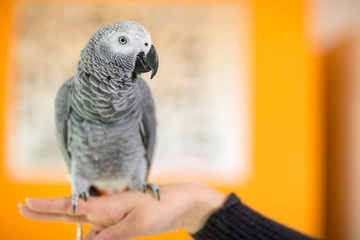
Talking African Grey Parrot Price is a significant consideration when deciding to bring one into your home. These birds typically cost between $800 and $4,000, depending on factors like age, subspecies, and breeder reputation. Besides the initial purchase, owning an African Grey involves ongoing expenses for supplies, nutrition, and veterinary care that can range from $150 to $235 monthly. Their exceptional intelligence and talking ability make them highly appealing, but they require significant time, mental stimulation, and financial commitment. Understanding these costs helps prospective owners plan for the long-term care of these extraordinary birds, which can live up to 60 years. This comprehensive awareness ensures you make an informed decision about adopting an African Grey parrot.
Table of Contents
Understanding African Grey Parrots
Before diving into the financial aspects, it’s essential to understand what makes African Grey parrots so special and why their talking ability commands such attention in the pet bird world. These intelligent, medium-sized parrots are native to the rainforests of West and Central Africa and are renowned for their exceptional cognitive abilities and incredible vocal talents.
The Two Species of African Grey Parrots
There are two primary species of African Grey parrots that you’ll encounter when considering purchase or adoption:
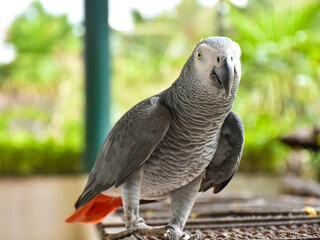
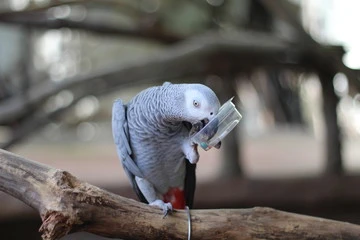
Congo African Grey (Psittacus erithacus erithacus): This is the larger of the two species, typically weighing between 400-650 grams. They have bright red tail feathers and a light grey feathering, with a solid black beak. Congo Greys are often considered the more talkative of the two species.
Timneh African Grey (Psittacus erithacus timneh): Smaller in size, weighing between 275-400 grams, Timneh Greys have a darker, maroon-colored tail and a horn-colored upper beak. While they may talk slightly less than their Congo counterparts, they are still incredibly vocal and intelligent.
According to bird experts, the price difference between these two species is typically minimal, with most of the cost variation coming from factors like age, talking ability, and source rather than species alone.
African Grey Parrot Intelligence
African Greys consistently rank among the most intelligent bird species, rivaling dolphins and great apes in certain cognitive tests. Their remarkable intelligence extends far beyond mimicking speech—they can understand concepts, recognize colors, shapes, and numbers, demonstrate problem-solving abilities, and even form emotional bonds with their human companions.
This incredible intelligence is precisely what makes their talking ability so impressive. Unlike some parrots that merely mimic sounds without comprehension, African Greys often learn words and phrases with contextual understanding, sometimes even using words appropriately in different situations. Their advanced cognitive abilities allow them to form associations between words and the objects, actions, or emotions they represent, making their speech more meaningful than simple mimicry.
African Grey Parrot Talking Ability
The African Grey parrot talking ability is what truly sets them apart in the avian world. These birds aren’t just excellent mimics—they have the remarkable capacity for clear speech, excellent pronunciation, and sometimes even contextual use of language.
Why African Greys Excel at Talking
Several factors contribute to the exceptional talking ability of African Grey parrots:
Vocal Structure: Unlike many other parrot species, African Greys have a larynx (voice box) similar to humans, allowing them to create a wide range of sounds and more accurate speech.
Intelligence: Their advanced cognitive abilities help them understand and imitate human speech with greater comprehension than many other species.
Social Nature: In the wild, African Greys live in large flocks and communicate constantly with various vocalizations and calls. This social drive extends to captivity, making them eager communicators with their human flock members.
Attention-Seeking: African Greys quickly learn that talking attracts human attention, creating a powerful positive reinforcement loop for speech development.
According to avian behaviorists, proper social interaction is critical for developing a talking African Grey. Birds raised in enriched environments with regular human interaction and consistent vocal modeling tend to develop better speaking abilities than birds kept in isolation.
Factors Affecting Talking Ability
Not every African Grey will develop the same level of talking proficiency, and several factors influence their vocal capabilities:
- Age: Younger parrots generally learn new sounds more easily than older ones, though adults can still learn to talk with proper training.
- Sex: While there’s no definitive scientific consensus, many bird owners report that males tend to be more vocally expressive than females.
- Early Environment: Parrots raised in homes where speech is regularly modeled and encouraged typically develop better talking abilities.
- Individual Personality: Each bird has its unique disposition, with some naturally more inclined to vocalize than others.
- Training and Reinforcement: Birds that receive consistent, positive reinforcement for speaking will typically develop stronger talking skills.
The secrets to maximizing your African Grey’s talking potential involve consistent practice, positive reinforcement, and creating a language-rich environment where your bird feels encouraged to communicate.
African Grey Parrot Price Range and Factors
Now that we’ve explored these remarkable birds, let’s address the question at the forefront of your mind: what is the actual price range for a talking African Grey? The cost can vary dramatically based on several factors, and understanding these variables will help you budget appropriately.
Current Market Prices
Based on current market research and discussions in avian communities, here’s what you can expect to pay for an African Grey parrot:
- Baby African Grey (weaned, 3-6 months old): $1,200 – $3,000 from a breeder
- Young Talking Grey (6 months – 2 years): $1,500 – $5,000
- Proven Talker (adult with established vocabulary): $2,500 – $7,000+
- Adult African Grey (2+ years): $1,000 – $3,500
- Retired Breeder: $800 – $2,000
- Adoption: $100 – $500 (with adoption fees)
Factors Influencing African Grey Parrot Cost
Several key factors influence the final price you’ll pay for an African Grey parrot:
Age
- Baby Parrots (3-6 months): Typically less expensive than adults but require more hands-on care
- Young Adults (6 months – 2 years): Often considered the sweet spot, old enough to have some independence but young enough to bond
- Adults (2+ years): May already have established vocabulary but might be less adaptable to new environments
- Seniors (15+ years): Least expensive, especially suitable for experienced owners
Talking Ability
- Non-Talking: Focused on beauty and health rather than vocal skills
- Beginner Talker: Some words/phrases, $500-$1,000 premium
- Conversationalist: Extensive vocabulary, contextual use, $1,000-$5,000+ premium
- Exceptional Mimic: Perfect pronunciation, large vocabulary, appropriate context, $2,000-$7,000+ premium
Health and Certification
- Basic Health Check: Standard vet assessment included in most purchases
- DNA Sexing Verification: Typically adds $50-$100 to the price
- Health Guarantee: Adds $100-$500 and provides peace of mind
- Full Veterinary Records: Documentation of vaccinations and health history
Price Comparison: Babies vs Adults
| Factor | Baby African Grey (3-6 months) | Adult African Grey (2+ years) |
|---|---|---|
| Initial Cost | $1,200 – $3,000 | $1,000 – $3,500 |
| Bonding Potential | High (critical period) | Variable (depends on history) |
| Training | Needs comprehensive training | May already have skills |
| Health Concerns | Higher risk (developing immune system) | Lower risk (established health) |
| Lifelong Commitment | Full lifespan with you | Potentially shorter time together |
| Adaptability | More adaptable to new environments | May struggle with change |
| Talking Development | Can shape speech preferences | Speech development already established |
| Time Investment | High initially (weaning, socialization) | Lower initial time commitment |
| Emotional Labor | High (needs constant reassurance) | May be more independent |
Where to Find African Grey Parrots for Sale
When searching for an African Grey, you have several options, each with its own advantages and considerations. Let’s explore the most common avenues for purchasing these birds.
Reputable Breeders
Working with a breeder is often the best way to acquire a healthy, well-socialized African Grey. Reputable breeders typically:
- Provide detailed health records
- Offer genetic testing and sexing
- Socialize birds properly from a young age
- Give honest assessments of the bird’s temperament
- Provide ongoing support and education
- May even offer guarantees or return policies
When evaluating a breeder, look for:
- Clean, healthy facilities
- Evidence of proper socialization
- Transparency about the bird’s background
- Willingness to answer questions
- No pressure to make immediate decisions
- Opportunities to meet the bird before purchase
The ideal breeder will prioritize the bird’s welfare over profit and will ensure their babies are properly weaned and transitioned to solid foods before leaving for their new homes.
Pet Stores
Some pet stores sell African Grey parrots, but this route comes with significant considerations:
Potential Benefits:
- Convenient location and purchase process
- May offer financing options
- Sometimes provide temporary health guarantees
Significant Concerns:
- Limited knowledge of bird’s history
- Often house birds in suboptimal conditions
- May not properly socialize or wean babies
- Higher prices than direct from breeders
- Less likely to provide post-purchase support
If you must purchase from a pet store, thoroughly research their reputation, ensure the bird appears healthy and alert, and ask about the store’s return policy. Many experienced bird owners strongly recommend against purchasing from pet stores, as birds from these sources may come with hidden health or behavioral issues.
Online Marketplaces
The internet has made it possible to purchase African Greys from across the country or even internationally, but this approach carries significant risks:
Online Marketplaces to Consider:
- Specialized bird adoption websites
- Avian rescue organization adoption pages
- Reputable breeder websites with testimonials
Risks of Online Purchasing:
- Inability to physically evaluate the bird before purchase
- Potential for scams
- Difficulty verifying seller claims
- Stress of shipping and travel for the bird
- High shipping costs (often $200-$400)
- Potential health complications from travel
If you consider purchasing online, ensure:
- You can verify the seller’s reputation
- The bird will be properly transported
- You have a veterinary examination contingency
- Returns/refunds are possible if the bird has undisclosed issues
African Grey Parrot Adoption Option
For many potential African Grey owners, adoption presents a compelling alternative to purchasing directly from breeders or stores.
Benefits of Adoption
Adopting an African Grey can be a rewarding experience with several advantages:
Cost Savings: Adoption fees ($100-$500) are significantly lower than purchase prices, making these remarkable birds more accessible.
Giving a Second Chance: Many African Greys in shelters have been surrendered due to no fault of their own—owner deaths, financial hardships, or lifestyle changes. By adopting, you’re giving a deserving bird a loving home.
Established Personality: Unlike babies, adult birds have developed personalities, allowing you to choose a bird whose temperament matches your lifestyle.
Already Trained: Many adopted Greys come with established vocabulary and behaviors, potentially saving you months of training time.
Rescue-Specific Support: Reputable rescues often provide detailed information about the bird’s history, preferences, and needs.
Contributing to Ethical aviculture: Adoption reduces the demand for breeding and supports humane bird welfare practices.
The Adoption Process
Adopting an African Grey typically involves several steps:
- Research: Find reputable bird rescues or adoption organizations in your area.
- Application: Complete an adoption application detailing your bird-keeping experience and home environment.
- Interview/Screening: Participate in interviews or home visits to ensure you’re prepared for bird ownership.
- Meeting Birds: Visit the facility to meet available African Greys and find a good match.
- Adoption Fee: Pay the adoption fee (typically $200-$500 for most African Greys).
- Transition Period: Many rescues require a 1-4 week trial period before finalizing the adoption.
The process may seem intensive, but these measures ensure the best possible match between bird and owner, increasing the likelihood of a successful, long-term relationship.
Finding Rescues and Adoption Centers
Finding African Greys available for adoption can be challenging, but these resources can help:
- Local Animal Shelters: Some shelters receive bird surrenders and may have African Greys available.
- Specialized Bird Rescues: Organizations focused on parrot rescue often have Greys in need of homes.
- Adoption Websites: Platforms like Petfinder allow you to filter for African Greys in your area.
- Avian Veterinarians: These professionals often know about birds needing rehoming.
- Online Bird Communities: Facebook groups and forums often have adoption sections.
- Rescue Directories: Websites dedicated to bird rescue list organizations worldwide.
When adopting, prioritize reputable organizations that provide comprehensive health assessments, behavioral evaluations, and ongoing support. The slight premium charged by quality rescues is well worth the peace of mind and the valuable information they provide about your bird’s history and needs.
African Grey Parrot Training Essentials
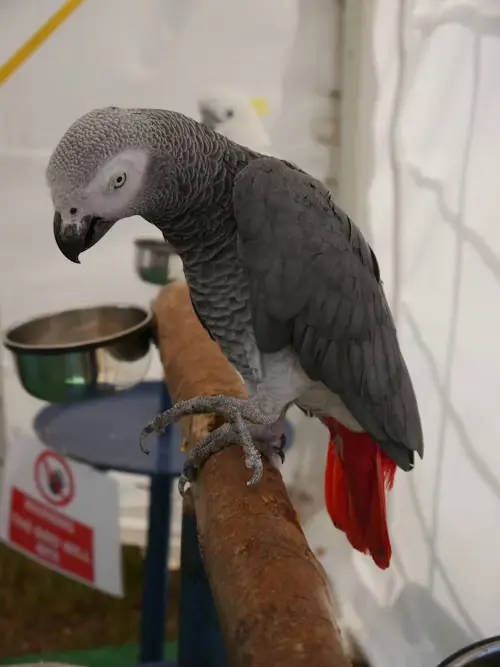
Once you’ve brought your African Grey home, training becomes a crucial component of your relationship. Proper training not only develops your bird’s talking ability but also strengthens your bond and ensures a happy, well-adjusted companion.
Starting with Basic Training
Before focusing on speech development, establish fundamental training that will create a strong foundation for all future learning:
Trust Building: Spend time near your bird’s cage without direct interaction to help them become comfortable with your presence.
Target Training: Teach your Grey to touch a target stick with its beak. This simple behavior establishes communication between you and helps guide future learning.
Step-Up Training: Teach your bird to step onto your finger or hand on command. This essential skill makes handling and veterinary visits much easier.
Positive Reinforcement: Use treats, praise, and attention to reward desired behaviors consistently.
Training sessions should be short (5-10 minutes), frequent (2-4 times daily), and always end on a positive note. Patience and consistency are far more important than intensity when working with African Greys.
Teaching Your Grey to Talk
Once your bird is comfortable with basic handling and socialization, you can begin focusing on developing their talking ability:
Start Simple: Begin with common words your bird hears frequently (“hello,” “bye-bye,” or their name).
Clear Speech: Use precise pronunciation when modeling words and phrases.
Contextual Teaching: Use words in their natural context (say “hello” when entering the room, “bye-bye” when leaving).
Repetition and Consistency: Repeat target words regularly throughout the day.
Reward Progress: Provide enthusiastic attention and favorite treats when your Grey attempts or successfully says new words.
Patience: Some birds may take weeks or months to say their first word, while others may begin talking within days.
The key to successful speech training is making it a natural part of your interaction rather than a formal, stressful exercise. Many African Greys learn best through observational learning from their human flock members, so incorporating speech into your daily routines often proves more effective than structured practice sessions.
Common Training Challenges
Even with the best intentions and techniques, you may encounter challenges during training:
1. Shyness or Fearfulness:
- Solution: Move slowly, maintain distance initially, and gradually decrease it as comfort grows
- Reward calm behavior with treats while avoiding overwhelming interactions
2. Aggressive Biting:
- Solution: Identify triggers (fear, territoriality, hormone-related)
- Use target training to redirect attention
- Maintain consistent boundaries with gentle, firm handling
3. Lack of Interest in Training:
- Solution: Identify your bird’s favorite treats and use as high-value rewards
- Keep sessions short and engaging
- Try different training techniques to find what motivates your Grey
4. Regressing in Skills:
- Solution: Remain patient and consistent
- Return to basic training temporarily
- Rule out health issues with your avian veterinarian
Remember, behavioral challenges are rarely solved overnight. With time, consistency, and understanding of your Grey’s unique personality and needs, most difficulties can be overcome.
Cost Breakdown: Beyond the Initial Purchase Price
When budgeting for an African Grey, the initial purchase or adoption fee represents only a fraction of the total cost of ownership. Understanding these ongoing financial commitments is essential for providing the quality of care these intelligent birds deserve.
One-Time Costs
Beyond the initial acquisition cost (whether purchase or adoption), several one-time expenses will arise:
Cage: $300-$1,500+
- Minimum appropriate size: $300-$500
- Premium, spacious model: $800-$1,500+
- Custom or built-to-order: $2,000+
Initial Supplies: $200-$500
- Play stand: $100-$300
- Carrier/transport cage: $50-$150
- Initial toys/perches: $50-$100
- Food/water dishes: $20-$50
- Initial food supply: $50-$100
Veterinary Examination: $100-$300
- First wellness check
- Basic health screening
- Disease testing
Safety Equipment: $50-$200
- Window/door guards
- Bird-safe cleaning supplies
- Fire/carbon monoxide detectors
Emergency Fund Setup: $500-$1,000
- Recommended reserve for unexpected health issues
- Can grow over time as part of ongoing savings
The initial setup costs for an African Grey can easily reach $1,000-$2,500+, representing a significant investment before the bird even arrives home. Many new owners underestimate these expenses, so planning ahead and budgeting appropriately helps ensure you can provide the quality accommodations these birds deserve.
Ongoing Monthly and Annual Expenses
African Grey ownership requires consistent financial commitment throughout their lives:
Monthly Expenses:
- High-quality pelleted food: $30-$50
- Fresh vegetables and supplements: $30-$50
- Treats and enrichment foods: $10-$20
- Toys and enrichment materials: $20-$50
- Cleaning supplies and cage liners: $15-$30
- Monthly budget for vet care: $20-$30 (as savings)
- Electricity and additional heating/cooling: $15-$30
Annual Expenses:
- Wellness examination: $100-$300
- Beak, wing, and nail trims: $80-$200
- Toy rotation and enrichment: $200-$400
- Potential minor health issues: $200-$500
- Avian vet consultation fund: $200-$500
- Cage maintenance/replacement: $100-$300
Special Annual Considerations:
- Potential boarding/vet care during travel: $200-$1,000+
- Major equipment replacement (cage, carriers): $0-$1,000+
- Unexpected major health issues: $0-$5,000+
While monthly expenses average approximately $100-$250 annually, costs can vary dramatically based on your bird’s specific needs, local food prices, veterinary costs in your area, and how frequently you rotate enrichment items. Setting aside a dedicated “bird fund” each month helps ensure you’re prepared for both routine expenses and unexpected veterinary costs that inevitably arise.
Emergency and Unexpected Costs
Even with excellent preventative care, African Greys may experience health issues that require immediate attention and significant financial investment:
Emergency Veterinary Visits: $500-$5,000+
- Accidental poisoning (x-rays, medications, hospitalization)
- Respiratory infections (nebulization treatments, medications)
- Trauma injuries (surgery, hospitalization)
- Crop issues (surgical correction, intensive care)
Diagnostic Testing: $300-$2,000
- Blood work panels
- Advanced imaging (x-rays, CT scans)
- Microbiological cultures
- Specialist consultations
Chronic Health Conditions: $500-$5,000 annually
- Psittacosis (long-term antibiotics)
- Aspergillosis (antifungal treatments)
- Feather destructive disorder (behavioral intervention, hormone therapy)
- Fatty liver disease (dietary management, medications)
Behavioral Interventions: $200-$1,000
- Professional behaviorist consultations
- Specialized training programs
- Environmental modifications
- Medication for anxiety or compulsive behaviors
These emergency costs represent the financial side of the African Grey ownership reality. The most responsible approach is to establish an emergency fund specifically for your bird’s healthcare needs, regardless of how unlikely emergencies seem. For many owners, pet health insurance or specialized avian insurance may help mitigate unexpected costs, though availability and coverage vary by region.
Talking African Grey Parrot Price: Frequently Asked Questions
What is the typical price range for talking African Greys?
Talking African Grey parrots typically range from $1,500 to $7,000+ depending on the bird’s age, talking ability, vocabulary size, and source. Baby parrots (3-6 months) usually cost $1,200-$3,000, while established talkers with large vocabularies can command $3,500-$7,000 or more.
Why do African Grey parrots vary so much in price?
Price variations result from multiple factors including age (babies less, proven adults more), talking ability (from a few hundred dollars for non-talkers to thousands for exceptional speakers), lineage (show quality vs pet quality), color mutations (standard vs rare Red Factor), and source (breeder reputation, store vs rescue).
Is it better to buy a baby or adult African Grey?
Both age groups have advantages. Babies can bond more completely with your family and allow you to shape their development, but require more intensive care and training. Adults may already have established vocabulary and behaviors but may have ingrained habits and potentially bond more selectively with their humans.
How can I find affordable African Greys?
The most affordable options are adopting from rescues ($100-$500), purchasing directly from reputable breeders (often $1,200-$3,000 for babies), or considering adult birds or retired breeders ($800-$2,000). Be cautious of unusually low prices, which may indicate health problems, poor breeding, or scams..
Why are African Greys so expensive?
African Grey parrots command premium prices due to their intelligence, longevity, exceptional talking abilities, specialized care requirements, limited breeding season, and the significant investment breeders make in proper care, socialization, veterinary attention, and nutrition during the 2-3 years before they’re ready for new homes.
Do African Greys from pet stores cost more than breeders?
Pet stores typically charge 20-50% more than breeders due to overhead costs. While a breeder might charge $1,500 for a baby Grey, a pet store might charge $2,000-$2,500 for the same bird without additional value. Breeders often provide more transparency about the bird’s history and early socialization.
Conclusion: Is a Talking African Grey Right for You?
After exploring the various aspects of talking African Grey parrot pricing and ownership, you now have a comprehensive understanding of both the financial and emotional commitments these extraordinary birds require.
From our discussion, it’s clear that the initial price of an African Grey—whether through purchase ($1,200-$7,000+) or adoption ($100-$500)—represents just the beginning of your investment. The true cost of ownership encompasses appropriate housing, high-quality nutrition, veterinary care, mental stimulation, and the significant time commitment required for these intelligent, long-lived birds.